Bringing Them Together
พาพวกเขามาพูดคุยกัน
Mia brings Leo and Jack together, sets ground rules for a respectful conversation, and summarizes each person’s perspective neutrally. She checks that both feel accurately heard before they respond to one another.
Mia พา Leo และ Jack มาพูดคุยกัน กำหนดกติกาพื้นฐานสำหรับการสนทนาอย่างให้เกียรติ และสรุปมุมมองของแต่ละคนอย่างเป็นกลาง เธอตรวจสอบให้แน่ใจว่าทั้งคู่รู้สึกว่าตนเองได้รับการรับฟังอย่างถูกต้อง ก่อนที่พวกเขาจะตอบโต้กัน
บทสนทนา11
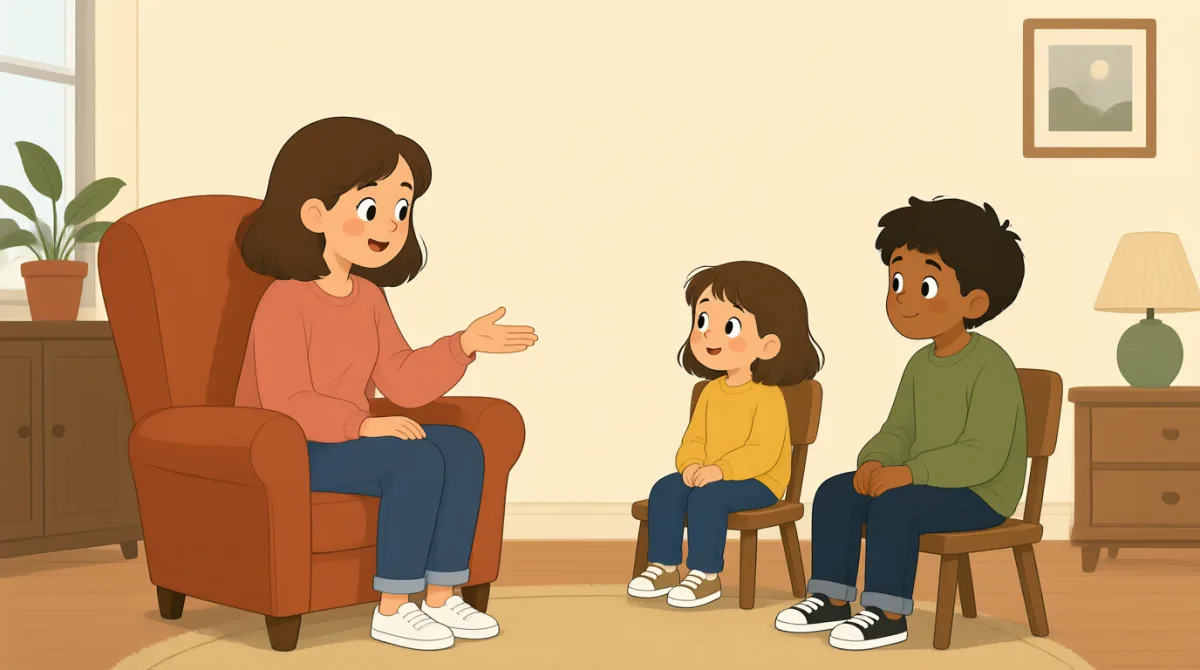

Thanks for meeting together. Before we begin, let’s agree on three ground rules: one person speaks at a time, we describe behavior rather than character, and we ask questions before drawing conclusions.
ขอบคุณที่มาพบกันนะคะ ก่อนเริ่ม เรามาตกลงกติกาพื้นฐานกันสามข้อค่ะ คือพูดทีละคน อธิบายพฤติกรรมแทนการตัดสินนิสัยหรือบุคลิก และถามคำถามก่อนสรุปว่าเป็นอย่างไร

That’s fair. I want to explain what happened, because from my perspective, Jack changed the handoff without telling me, then treated my concern as if I were being difficult.
ฟังดูยุติธรรมครับ ผมอยากอธิบายว่าเกิดอะไรขึ้น เพราะจากมุมมองของผม Jack เปลี่ยนวิธีส่งต่องานโดยไม่บอกผม แล้วก็ปฏิบัติต่อข้อกังวลของผมเหมือนกับว่าผมกำลังทำเรื่องยุ่งยาก

I didn’t intend to dismiss him. I thought the deadline left us no choice, and I made a practical adjustment so the work wouldn’t stall.
ผมไม่ได้ตั้งใจจะปัดความกังวลของเขานะครับ ผมคิดว่าเส้นตายทำให้เราไม่มีทางเลือก และผมก็ปรับเปลี่ยนวิธีทำงานให้เหมาะสมเพื่อไม่ให้งานหยุดชะงัก
Let me pause there. Leo, do you feel that summary captures your concern—that the change itself was difficult, but the lack of communication made it worse?
ขอหยุดตรงนี้สักครู่นะคะ Leo คุณรู้สึกว่าสรุปนี้สะท้อนข้อกังวลของคุณได้ครบถ้วนไหมคะ—คือการเปลี่ยนแปลงนั้นสร้างความลำบากอยู่แล้ว แต่การขาดการสื่อสารทำให้เรื่องแย่ลง?
Yes. I can adapt when circumstances change. What frustrated me was discovering the change afterward and being expected to absorb the consequences without any discussion.
ใช่ครับ ผมปรับตัวได้เมื่อสถานการณ์เปลี่ยน สิ่งที่ทำให้ผมหงุดหงิดคือการมารู้เรื่องการเปลี่ยนแปลงทีหลัง และถูกคาดหวังให้รับผลที่ตามมาไปเองโดยไม่มีการพูดคุยกัน
Jack, is it accurate to say that you were focused on protecting the deadline, but you inferred that Leo would prefer speed over a conversation?
Jack จะพูดได้ถูกต้องไหมคะว่าคุณมุ่งปกป้องเส้นตาย แต่คุณอนุมานว่า Leo น่าจะเลือกความรวดเร็วมากกว่าการพูดคุยกัน?
That’s accurate, although I can see now that it was an assumption. I was under pressure, and I treated a judgment call as though it didn’t require coordination.
ถูกต้องครับ แต่ตอนนี้ผมเห็นแล้วว่านั่นเป็นเพียงข้อสันนิษฐาน ตอนนั้นผมตกอยู่ภายใต้แรงกดดัน และปฏิบัติต่อการตัดสินใจตามสถานการณ์เหมือนกับว่าไม่จำเป็นต้องประสานงานกัน
I’m hearing two perspectives, not necessarily two incompatible goals. Leo needed visibility before the change affected his work; Jack needed enough discretion to respond quickly to a deadline.
ฉันได้ยินมุมมองอยู่สองด้าน ไม่จำเป็นว่าจะเป็นเป้าหมายที่ขัดแย้งกันนะคะ Leo ต้องการรับรู้ข้อมูลก่อนที่การเปลี่ยนแปลงจะส่งผลต่องานของเขา ส่วน Jack ต้องการดุลยพินิจมากพอที่จะตอบสนองต่อเส้นตายได้อย่างรวดเร็ว
That sounds right. I’m not asking Jack to seek approval for every decision. I need a reasonable chance to flag risks before a change becomes irreversible.
ฟังดูถูกต้องครับ ผมไม่ได้ขอให้ Jack ต้องขออนุมัติทุกการตัดสินใจ ผมแค่ต้องการโอกาสที่สมเหตุสมผลในการแจ้งความเสี่ยง ก่อนที่การเปลี่ยนแปลงจะไม่สามารถย้อนกลับได้
And I’m not asking Leo to accept every decision silently. I need him to recognize that sometimes a quick adjustment is necessary, even if the communication isn’t perfect.
และผมก็ไม่ได้ขอให้ Leo ยอมรับทุกการตัดสินใจโดยไม่พูดอะไรนะครับ ผมอยากให้เขาเข้าใจว่าบางครั้งการปรับเปลี่ยนอย่างรวดเร็วก็จำเป็น แม้การสื่อสารจะไม่สมบูรณ์แบบก็ตาม
Do you both agree that this is an accurate, neutral account of where things stand? If so, we can move from proving who was right to deciding what would make the next handoff workable.
คุณทั้งสองเห็นตรงกันไหมคะว่านี่เป็นคำอธิบายที่ถูกต้องและเป็นกลางเกี่ยวกับสถานการณ์ตอนนี้ ถ้าใช่ เราก็เปลี่ยนจากการพิสูจน์ว่าใครถูก ไปตัดสินใจกันว่าอะไรจะทำให้การส่งต่องานครั้งต่อไปดำเนินไปได้ดี
คำศัพท์8
- ground rulesกติกาพื้นฐาน
Basic rules that everyone agrees to follow during a discussion. Here, they create a respectful and orderly conversation.
กฎพื้นฐานที่ทุกคนตกลงจะปฏิบัติตามระหว่างการพูดคุย ในที่นี้ กติกาเหล่านี้ช่วยให้การสนทนาเป็นไปอย่างให้เกียรติและเป็นระเบียบ
- from my perspectiveจากมุมมองของฉัน
A phrase used to introduce how a situation looks or feels to you. It signals that this is your viewpoint, not necessarily an objective fact.
วลีที่ใช้เริ่มต้นการอธิบายว่าสถานการณ์นั้นดูหรือรู้สึกอย่างไรสำหรับคุณ วลีนี้สื่อว่านี่เป็นมุมมองของคุณ ไม่จำเป็นต้องเป็นข้อเท็จจริงที่เป็นกลางเสมอไป
- absorb the consequencesรับผลที่ตามมา
To deal with the results or negative effects of something. Leo feels he had to handle the effects of a change he did not help decide.
จัดการกับผลลัพธ์หรือผลกระทบด้านลบของบางสิ่ง Leo รู้สึกว่าเขาต้องรับมือกับผลกระทบจากการเปลี่ยนแปลงที่เขาไม่ได้มีส่วนร่วมในการตัดสินใจ
- a judgment callการตัดสินใจตามสถานการณ์
A decision based on personal assessment rather than a clear rule or complete information. Jack recognizes that this kind of decision may still require coordination.
การตัดสินใจที่อาศัยการประเมินส่วนบุคคล แทนที่จะอาศัยกฎที่ชัดเจนหรือข้อมูลที่ครบถ้วน Jack ยอมรับว่าการตัดสินใจลักษณะนี้อาจยังจำเป็นต้องมีการประสานงาน
- under pressureตกอยู่ภายใต้แรงกดดัน
In a stressful situation with limited time or difficult demands. Jack explains that pressure influenced his decision-making.
อยู่ในสถานการณ์ที่มีความเครียด มีเวลาจำกัด หรือมีข้อเรียกร้องที่ยากลำบาก Jack อธิบายว่าแรงกดดันมีอิทธิพลต่อการตัดสินใจของเขา
- enough discretionดุลยพินิจที่เพียงพอ
Sufficient freedom to make decisions independently. Jack wants to respond quickly without needing approval for every adjustment.
มีอิสระมากพอที่จะตัดสินใจได้ด้วยตนเอง Jack ต้องการตอบสนองอย่างรวดเร็วโดยไม่ต้องขออนุมัติสำหรับการปรับเปลี่ยนทุกครั้ง
- flag risksแจ้งความเสี่ยง
To point out or draw attention to possible problems. Leo wants an opportunity to identify risks before a change becomes final.
ชี้ให้เห็นหรือดึงความสนใจไปยังปัญหาที่อาจเกิดขึ้น Leo ต้องการโอกาสในการระบุความเสี่ยงก่อนที่การเปลี่ยนแปลงจะกลายเป็นสิ่งที่แก้ไขไม่ได้
- move from proving who was rightเปลี่ยนจากการพิสูจน์ว่าใครถูก
To stop arguing about blame and begin focusing on a practical solution. Mia uses this phrase to redirect the conversation toward future cooperation.
หยุดโต้เถียงกันว่าใครควรรับผิด แล้วเริ่มมุ่งเน้นไปที่วิธีแก้ปัญหาในทางปฏิบัติ Mia ใช้วลีนี้เพื่อหันเหการสนทนาไปสู่ความร่วมมือในอนาคต
ประโยคสำคัญ8
- 1
Before we begin, let’s agree on three ground rules: one person speaks at a time, we describe behavior rather than character, and we ask questions before drawing conclusions.
ก่อนเริ่ม เรามาตกลงกติกาพื้นฐานกันสามข้อค่ะ คือพูดทีละคน อธิบายพฤติกรรมแทนการตัดสินนิสัยหรือบุคลิก และถามคำถามก่อนสรุปว่าเป็นอย่างไร
This is useful for establishing respectful discussion rules in a tense meeting. You can adapt it by replacing the rules with expectations appropriate to your situation.
ประโยคนี้มีประโยชน์สำหรับการกำหนดกติกาการพูดคุยอย่างให้เกียรติในการประชุมที่ตึงเครียด คุณสามารถปรับใช้ได้โดยแทนที่กติกาเหล่านี้ด้วยความคาดหวังที่เหมาะกับสถานการณ์ของคุณ
- 2
What frustrated me was discovering the change afterward and being expected to absorb the consequences without any discussion.
สิ่งที่ทำให้ผมหงุดหงิดคือการมารู้เรื่องการเปลี่ยนแปลงทีหลัง และถูกคาดหวังให้รับผลที่ตามมาไปเองโดยไม่มีการพูดคุยกัน
This sentence clearly separates the triggering event from its emotional impact. Use “What frustrated me was…” to explain a problem without directly attacking someone’s character.
ประโยคนี้แยกเหตุการณ์ที่เป็นต้นเหตุออกจากผลกระทบทางอารมณ์ได้อย่างชัดเจน ใช้ “What frustrated me was…” เพื่ออธิบายปัญหาโดยไม่โจมตีนิสัยหรือบุคลิกของอีกฝ่ายโดยตรง
- 3
I was under pressure, and I treated a judgment call as though it didn’t require coordination.
ตอนนั้นผมตกอยู่ภายใต้แรงกดดัน และปฏิบัติต่อการตัดสินใจตามสถานการณ์เหมือนกับว่าไม่จำเป็นต้องประสานงานกัน
This is a concise way to acknowledge responsibility while explaining the circumstances. It can be reused when admitting that a decision was made too independently.
นี่เป็นวิธีกระชับในการยอมรับความรับผิดชอบพร้อมกับอธิบายสถานการณ์ คุณสามารถนำไปใช้เมื่อยอมรับว่าตนเองตัดสินใจอย่างเป็นอิสระมากเกินไป
- 4
I’m hearing two perspectives, not necessarily two incompatible goals.
ฉันได้ยินมุมมองอยู่สองด้าน ไม่จำเป็นว่าจะเป็นเป้าหมายที่ขัดแย้งกันนะคะ
This sentence helps a mediator reframe conflict as a possible difference in approach rather than a fundamental opposition. It is useful when both sides may ultimately want the same outcome.
ประโยคนี้ช่วยให้ผู้ไกล่เกลี่ยมองความขัดแย้งใหม่ว่าอาจเป็นเพียงความแตกต่างด้านวิธีการ ไม่ใช่การต่อต้านกันโดยพื้นฐาน เหมาะใช้เมื่อทั้งสองฝ่ายอาจต้องการผลลัพธ์เดียวกันในท้ายที่สุด
- 5
I’m not asking Jack to seek approval for every decision.
ผมไม่ได้ขอให้ Jack ต้องขออนุมัติทุกการตัดสินใจ
This structure makes a request sound reasonable by clarifying what you are not demanding. Replace the name and action to express limits without appearing controlling.
โครงสร้างนี้ทำให้คำขอฟังดูสมเหตุสมผล โดยชี้แจงว่าคุณไม่ได้เรียกร้องอะไร ใช้แทนชื่อและการกระทำเพื่อสื่อถึงขอบเขตโดยไม่ทำให้ดูเหมือนกำลังควบคุมอีกฝ่าย
- 6
I need a reasonable chance to flag risks before a change becomes irreversible.
ผมต้องการโอกาสที่สมเหตุสมผลในการแจ้งความเสี่ยง ก่อนที่การเปลี่ยนแปลงจะไม่สามารถย้อนกลับได้
This sentence makes a specific, practical request about timing and communication. It can be reused when you need input before a decision becomes difficult to undo.
ประโยคนี้เป็นคำขอที่เฉพาะเจาะจงและใช้ได้จริงเกี่ยวกับจังหวะเวลาและการสื่อสาร คุณสามารถนำไปใช้เมื่อจำเป็นต้องแสดงความคิดเห็นก่อนที่การตัดสินใจจะแก้ไขได้ยาก
- 7
I need him to recognize that sometimes a quick adjustment is necessary, even if the communication isn’t perfect.
ผมอยากให้เขาเข้าใจว่าบางครั้งการปรับเปลี่ยนอย่างรวดเร็วก็จำเป็น แม้การสื่อสารจะไม่สมบูรณ์แบบก็ตาม
This sentence acknowledges an imperfect process while defending the need for flexibility. Use it to express a balanced expectation rather than an absolute demand.
ประโยคนี้ยอมรับว่ากระบวนการอาจไม่สมบูรณ์แบบ ขณะเดียวกันก็ยืนยันถึงความจำเป็นของความยืดหยุ่น ใช้เพื่อสื่อถึงความคาดหวังที่สมดุล แทนการเรียกร้องแบบตายตัว
- 8
If so, we can move from proving who was right to deciding what would make the next handoff workable.
ถ้าใช่ เราก็เปลี่ยนจากการพิสูจน์ว่าใครถูก ไปตัดสินใจกันว่าอะไรจะทำให้การส่งต่องานครั้งต่อไปดำเนินไปได้ดี
This is a professional way to shift from blame to problem-solving. It is especially useful in mediation, project reviews, and other discussions about preventing future conflict.
นี่เป็นวิธีแบบมืออาชีพในการเปลี่ยนจากการกล่าวโทษไปสู่การแก้ปัญหา เหมาะอย่างยิ่งสำหรับการไกล่เกลี่ย การทบทวนโครงการ และการพูดคุยอื่น ๆ ที่มุ่งป้องกันความขัดแย้งในอนาคต