Hearing the First Employee’s Side
الاستماع إلى وجهة نظر الموظف الأول
Mia, a manager mediating a dispute, invites Leo to describe what happened without interruption. She asks how the conflict has affected his work and what he needs to move forward.
تدعو ميا، وهي مديرة تتوسط في خلاف، ليو إلى شرح ما حدث من دون مقاطعته. وتسأله كيف أثّر الخلاف في عمله وما الذي يحتاج إليه للمضي قدمًا.
حوار12
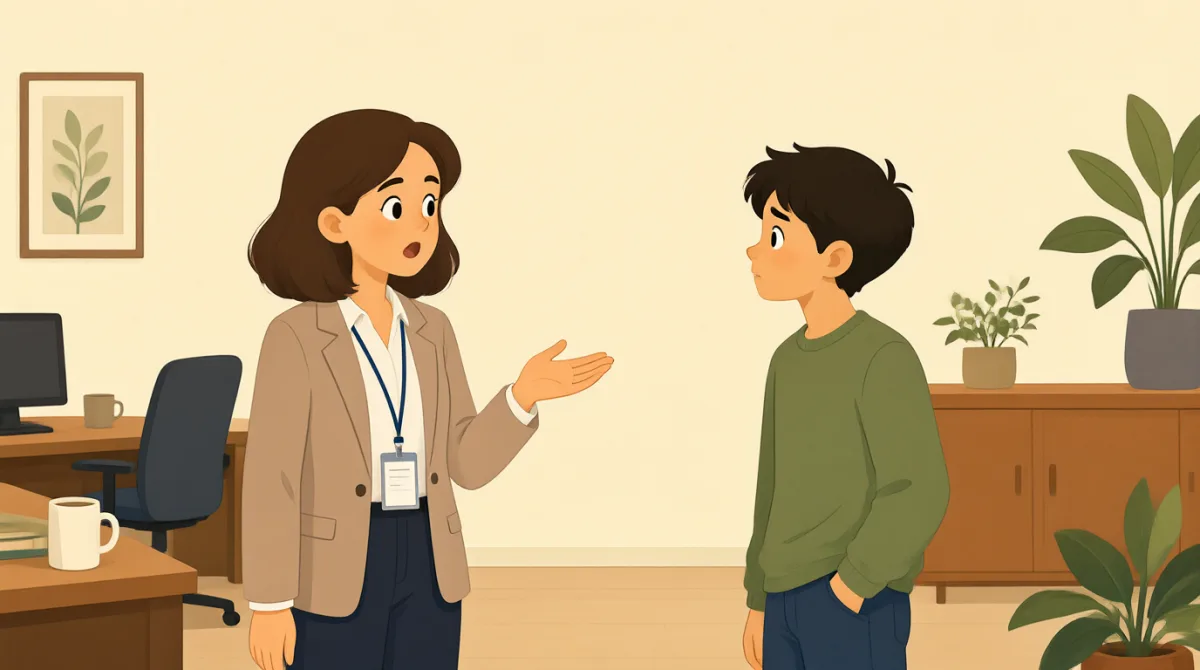

Thanks for meeting with me, Leo. I want to understand what happened from your perspective, without jumping to conclusions. You’ll have the time to explain, and I won’t interrupt.
شكرًا على لقائك بي يا ليو. أريد أن أفهم ما حدث من وجهة نظرك، من دون التسرع في إصدار الأحكام. سأمنحك الوقت لتشرح، ولن أقاطعك.

I appreciate that. The tension started during the product launch last week. I finished the client-facing slides, but Jack changed several figures and reorganized them shortly before the review.
أقدّر ذلك. بدأ التوتر أثناء إطلاق المنتج الأسبوع الماضي. أنهيت الشرائح الموجّهة للعملاء، لكن جاك غيّر عدة أرقام وأعاد ترتيبها قبل المراجعة بوقت قصير.
Go on. What did you understand the figures to represent, and what did you notice when you saw the revised version?
تابع. ماذا فهمت من الأرقام، وماذا لاحظت عندما رأيت النسخة المنقحة؟
I’d checked them against the latest report, so I thought they were final. In the revised deck, some labels had changed, and I couldn’t tell whether the underlying data had changed too.
كنت قد راجعتها بمقارنتها بأحدث تقرير، فظننت أنها نهائية. في العرض التقديمي المنقح، تغيّرت بعض التسميات، ولم أستطع معرفة ما إذا كانت البيانات الأصلية قد تغيّرت أيضًا.
What happened next? Try to separate what you directly observed from what you concluded at the time.
ماذا حدث بعد ذلك؟ حاول أن تفصل بين ما لاحظته بنفسك وما استنتجته في ذلك الوقت.
I saw that the file had been updated, and I noticed Jack hadn’t messaged me first. I concluded that he didn’t trust my work, though I realize now I didn’t ask him why he made the changes.
رأيت أن الملف قد حُدّث، ولاحظت أن جاك لم يرسل لي رسالة قبل ذلك. فاستنتجت أنه لا يثق بعملي، مع أنني أدرك الآن أنني لم أسأله عن سبب إجرائه تلك التغييرات.
That distinction is helpful. How did the exchange affect your ability to do your work—not just how it felt between the two of you?
هذا التمييز مفيد. كيف أثّر هذا التبادل في قدرتك على أداء عملك، وليس فقط في طبيعة العلاقة بينكما؟
I spent the morning checking every slide instead of preparing for the client questions. Then, during the review, I hesitated to explain figures I had originally verified because I wasn’t sure which version we were using.
قضيت الصباح أراجع كل شريحة بدلًا من الاستعداد لأسئلة العميل. ثم، أثناء المراجعة، ترددت في شرح أرقام كنت قد تحققت منها بنفسي، لأنني لم أكن متأكدًا من النسخة التي نستخدمها.
What would you need in order to move forward? I’m not asking you to decide who was right; I’m trying to understand what would make the work feel reliable again.
ما الذي تحتاج إليه للمضي قدمًا؟ لا أطلب منك أن تقرر من كان على صواب؛ أحاول أن أفهم ما الذي سيعيد إليك الثقة في سير العمل.
I need changes to shared materials to be flagged before they go out, especially if they affect figures or messaging. And if there’s a concern about my work, I’d rather hear it directly than discover it through edits.
أحتاج إلى التنبيه إلى التغييرات التي تطرأ على المواد المشتركة قبل إرسالها، خاصةً إذا أثّرت في الأرقام أو الرسائل. وإذا كانت هناك ملاحظة بشأن عملي، فأفضّل أن أسمعها مباشرة بدلًا من اكتشافها من خلال التعديلات.
That makes sense. Is there anything else you want me to understand about what’s at stake for you, or about what you hope will change after this conversation?
هذا مفهوم. هل هناك شيء آخر تريدني أن أفهمه بشأن ما هو على المحك بالنسبة إليك، أو بشأن ما تأمل أن يتغير بعد هذا الحديث؟
I want us to be able to disagree without making the project feel personal. I’m willing to hear criticism, but I need enough context to respond constructively and know which version I’m accountable for.
أريد أن نتمكن من الاختلاف من دون أن نجعل المشروع يبدو أمرًا شخصيًا. أنا مستعد لتقبّل النقد، لكنني أحتاج إلى سياق كافٍ لأردّ عليه بطريقة بنّاءة، وأن أعرف أي نسخة أتحمل مسؤولية الدفاع عنها.
المفردات7
- without jumping to conclusionsمن دون التسرع في إصدار الأحكام
This means listening to the facts before forming an opinion or deciding who is responsible. It is useful in sensitive discussions where assumptions could make the conflict worse.
يعني هذا الاستماع إلى الوقائع قبل تكوين رأي أو تحديد المسؤول. وهو مفيد في النقاشات الحساسة التي قد تؤدي فيها الافتراضات إلى تفاقم الخلاف.
- client-facingموجّه للعملاء
This describes materials, communication, or work intended for customers or clients. Here, the slides were prepared for an external audience.
يصف هذا مواد أو تواصلًا أو عملًا مخصصًا للعملاء. في هذا السياق، أُعدّت الشرائح لجمهور من خارج المؤسسة.
- underlying dataالبيانات الأصلية
This means the original information or numbers behind a report, chart, or presentation. It helps distinguish changes in presentation from changes in the actual evidence.
تعني المعلومات أو الأرقام الأصلية التي يستند إليها تقرير أو رسم بياني أو عرض تقديمي. ويساعد هذا التعبير على التمييز بين تغيير طريقة العرض وتغيير الأدلة الفعلية.
- directly observedلاحظته بنفسك
This refers to something you personally saw or experienced, rather than something you inferred. The phrase is useful for separating facts from interpretations.
يشير هذا التعبير إلى شيء رأيته أو اختبرته بنفسك، لا إلى شيء استنتجته. وهو مفيد للفصل بين الوقائع والتفسيرات.
- move forwardالمضي قدمًا
This means to make progress after a problem or disagreement. It often introduces practical steps for improving a situation.
يعني إحراز تقدم بعد مشكلة أو خلاف. وغالبًا ما يُستخدم للحديث عن خطوات عملية لتحسين الوضع.
- at stakeعلى المحك
This refers to what could be lost, damaged, or affected by a situation. It is useful for explaining why an issue matters personally or professionally.
يشير هذا التعبير إلى ما قد يخسره المرء أو يتضرر أو يتأثر بسبب موقف ما. وهو مفيد لشرح أهمية المسألة على الصعيد الشخصي أو المهني.
- accountable forمسؤول عن
This means responsible for a task, decision, or result. In this context, Leo wants to know which version of the work he is responsible for defending.
يعني هذا تحمّل المسؤولية عن مهمة أو قرار أو نتيجة. في هذا السياق، يريد ليو أن يعرف أي نسخة من العمل تقع عليه مسؤولية الدفاع عنها.
الجمل الأساسية7
- 1
I want to understand what happened from your perspective, without jumping to conclusions.
أريد أن أفهم ما حدث من وجهة نظرك، من دون التسرع في إصدار الأحكام.
This is a respectful way to invite someone to explain their experience before you make judgments. You can reuse it by replacing “what happened” with another issue you need to understand.
هذه طريقة محترمة لدعوة شخص إلى شرح تجربته قبل أن تصدر أحكامًا. يمكنك إعادة استخدامها باستبدال “what happened” (ما حدث) بمسألة أخرى تريد فهمها.
- 2
Try to separate what you directly observed from what you concluded at the time.
حاول أن تفصل بين ما لاحظته بنفسك وما استنتجته في ذلك الوقت.
This encourages someone to distinguish facts from assumptions during a difficult conversation. It can be reused when clarifying reports, complaints, or conflicting accounts.
يشجّع هذا التعبير الشخص على التمييز بين الوقائع والافتراضات أثناء محادثة صعبة. ويمكن استخدامه عند توضيح التقارير أو الشكاوى أو الروايات المتضاربة.
- 3
That distinction is helpful.
هذا التمييز مفيد.
This concise sentence acknowledges that someone has clearly separated facts from interpretations. It is useful for encouraging careful, objective communication.
تقرّ هذه الجملة الموجزة بأن الشخص فصل بوضوح بين الوقائع والتفسيرات. وهي مفيدة لتشجيع التواصل الدقيق والموضوعي.
- 4
How did the exchange affect your ability to do your work—not just how it felt between the two of you?
كيف أثّر هذا التبادل في قدرتك على أداء عملك، وليس فقط في طبيعة العلاقة بينكما؟
This question shifts the discussion from personal feelings to concrete effects on performance and collaboration. You can adapt it to ask about the impact of any disagreement on a project or responsibility.
ينقل هذا السؤال النقاش من المشاعر الشخصية إلى الآثار الملموسة في الأداء والتعاون. ويمكنك تكييفه للسؤال عن أثر أي خلاف في مشروع أو مسؤولية.
- 5
What would you need in order to move forward?
ما الذي تحتاج إليه للمضي قدمًا؟
This open-ended question focuses on practical needs and future solutions rather than blame. It can be used in mediation, feedback conversations, or negotiations.
يركز هذا السؤال المفتوح على الاحتياجات العملية والحلول المستقبلية بدلًا من إلقاء اللوم. ويمكن استخدامه في الوساطة أو محادثات تقديم الملاحظات أو المفاوضات.
- 6
I need changes to shared materials to be flagged before they go out, especially if they affect figures or messaging.
أحتاج إلى التنبيه إلى التغييرات التي تطرأ على المواد المشتركة قبل إرسالها، خاصةً إذا أثّرت في الأرقام أو الرسائل.
This sentence clearly states a specific process change and explains when it matters most. You can reuse the pattern “I need [action] to be [communicated] before [event]” to make a constructive request.
توضح هذه الجملة تغييرًا محددًا في آلية العمل، وتشرح متى تشتد أهميته. ويمكنك إعادة استخدام النمط “I need [action] to be [communicated] before [event]” (أحتاج إلى أن يتم [التواصل بشأن الإجراء] قبل [الحدث]) لتقديم طلب بنّاء.
- 7
I want us to be able to disagree without making the project feel personal.
أريد أن نتمكن من الاختلاف من دون أن نجعل المشروع يبدو أمرًا شخصيًا.
This expresses a desire for professional disagreement while protecting the working relationship. It is useful when setting a principle for future communication.
يعبر هذا عن الرغبة في الاختلاف المهني مع الحفاظ على علاقة العمل. وهو مفيد عند وضع مبدأ للتواصل في المستقبل.