Prior Art Search Results Review
ทบทวนผลการค้นหางานศิลปะเดิม
The patent attorney presents the findings of a prior art search to the inventor, discussing similar existing technologies and how they might affect the patent application's scope or viability.
ทนายความด้านสิทธิบัตรนำเสนอผลการค้นหางานศิลปะเดิมให้ผู้ประดิษฐ์ฟัง พร้อมหารือเกี่ยวกับเทคโนโลยีที่มีอยู่ซึ่งคล้ายกัน และพิจารณาว่าเทคโนโลยีเหล่านั้นอาจส่งผลต่อขอบเขตหรือโอกาสในการจดสิทธิบัตรของคำขออย่างไร
บทสนทนา10
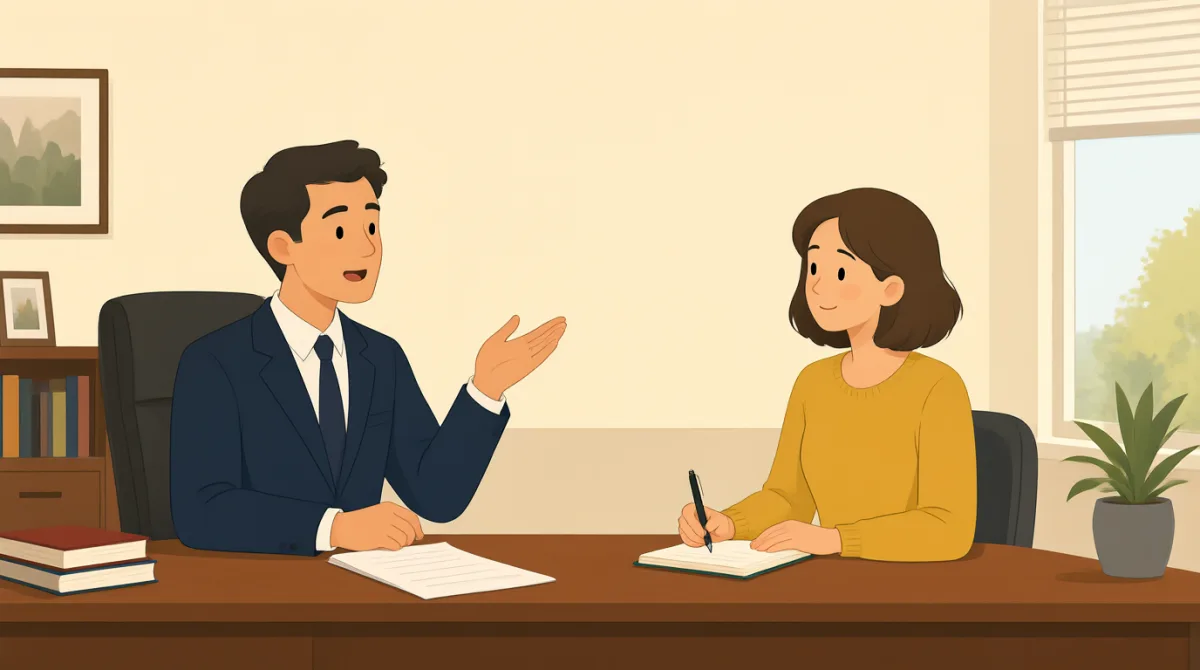

Good morning, Dr. Patel. Thanks for coming in. I've compiled the results of our prior art search for your innovative medical device. Let's go over them.
สวัสดีตอนเช้าครับ คุณหมอ Patel ขอบคุณที่สละเวลามาพบนะครับ ผมรวบรวมผลการค้นหางานศิลปะเดิมสำหรับอุปกรณ์การแพทย์นวัตกรรมของคุณไว้แล้ว เรามาทบทวนกันเลยครับ

Good morning, Mr. Miller. I'm eager to see what you found. How comprehensive was the search?
สวัสดีตอนเช้าค่ะ คุณ Miller ฉันอยากรู้แล้วว่าคุณพบอะไรบ้าง การค้นหาครอบคลุมแค่ไหนคะ
Very comprehensive. We covered US, European, and PCT patent databases, as well as relevant scientific literature. The good news is, there's no direct hit for your specific combination of features.
ครอบคลุมมากครับ เราค้นฐานข้อมูลสิทธิบัตรของสหรัฐฯ ยุโรป และ PCT รวมถึงเอกสารวิชาการที่เกี่ยวข้องด้วย ข่าวดีก็คือ เรายังไม่พบเอกสารที่ตรงกับองค์ประกอบเฉพาะของคุณทั้งหมดครับ
That's a relief! So, are there any close approximations we need to be aware of?
ค่อยโล่งใจหน่อยค่ะ แล้วมีอะไรที่ใกล้เคียงกันมาก ๆ ที่เราควรรู้ไว้ไหมคะ
Yes, there are a few. We found patent US XXXXXXX, which describes a similar therapeutic effect using a different mechanism, and publication YYYY, which discusses a device with one of your core components, but lacking the critical integration. These are what we call 'analogous prior art.'
มีอยู่บ้างครับ เราพบสิทธิบัตร US XXXXXXX ที่อธิบายผลการรักษาคล้ายกันแต่ใช้กลไกต่างออกไป และเอกสารเผยแพร่ YYYY ที่กล่าวถึงอุปกรณ์ซึ่งมีองค์ประกอบหลักอย่างหนึ่งของคุณ แต่ยังขาดการผสานรวมที่สำคัญ สิ่งเหล่านี้เรียกว่า 'งานศิลปะเดิมที่เกี่ยวข้องกัน' ครับ
I see. So, how do these affect our application? Do they threaten the novelty or non-obviousness of my invention?
เข้าใจแล้วค่ะ แล้วสิ่งเหล่านี้ส่งผลต่อคำขอของเราอย่างไรคะ มันจะกระทบต่อความใหม่หรือการไม่เป็นสิ่งที่เห็นได้ชัดของสิ่งประดิษฐ์ฉันไหมคะ
That's precisely what we need to evaluate. While they don't directly anticipate your invention, we'll need to carefully craft our claims to distinguish your device from these existing technologies, particularly in demonstrating the inventive step.
นี่แหละครับคือสิ่งที่เราต้องประเมิน แม้เอกสารเหล่านี้จะไม่ได้เปิดเผยสิ่งประดิษฐ์ของคุณไว้โดยตรง แต่เราต้องร่างข้อถือสิทธิอย่างรอบคอบ เพื่อแยกอุปกรณ์ของคุณออกจากเทคโนโลยีที่มีอยู่เหล่านี้ โดยเฉพาะการแสดงให้เห็นถึงขั้นการประดิษฐ์ครับ
Understood. So, the strategy would be to highlight the unique combination and synergistic effect of my device's features?
เข้าใจแล้วค่ะ งั้นกลยุทธ์ก็คือเน้นการผสานองค์ประกอบต่าง ๆ ที่เป็นเอกลักษณ์ของอุปกรณ์ฉัน และผลเสริมฤทธิ์ที่เกิดขึ้นใช่ไหมคะ
Exactly. We'll focus on the specific advantages and unexpected results that arise from your unique integration. This will be key in overcoming any potential obviousness rejections from the examiner.
ใช่เลยครับ เราจะเน้นข้อดีเฉพาะและผลลัพธ์ที่คาดไม่ถึงซึ่งเกิดจากการผสานองค์ประกอบที่เป็นเอกลักษณ์ของคุณ นี่จะเป็นหัวใจสำคัญในการโต้แย้งการปฏิเสธคำขอที่อาจเกิดจากเหตุผลว่าเห็นได้ชัดครับ
Sounds like a solid plan. I feel much more confident moving forward now that we've reviewed these. Thanks for your thorough work.
ฟังดูเป็นแผนที่ดีมากค่ะ ตอนนี้ฉันมั่นใจขึ้นเยอะที่จะเดินหน้าต่อ หลังจากได้ทบทวนเรื่องเหล่านี้แล้ว ขอบคุณที่ทำงานอย่างละเอียดนะคะ
คำศัพท์8
- prior artงานศิลปะเดิม
Existing knowledge or inventions that came before your idea, used to check if your invention is new. In patent discussions, it helps assess originality.
ความรู้หรือสิ่งประดิษฐ์ที่มีอยู่ก่อนแนวคิดของคุณ ใช้ตรวจสอบว่าสิ่งประดิษฐ์ของคุณเป็นสิ่งใหม่หรือไม่ ในบริบทสิทธิบัตร คำนี้ช่วยประเมินความเป็นต้นฉบับ
- comprehensiveครอบคลุม
Complete and thorough, covering all necessary parts. Use it to describe detailed searches or reports, like 'a comprehensive review'.
ครบถ้วนและละเอียด ครอบคลุมทุกส่วนที่จำเป็น ใช้บรรยายการค้นหาหรือรายงานที่ลงรายละเอียด เช่น 'a comprehensive review' (การทบทวนอย่างครอบคลุม)
- databasesฐานข้อมูล
Organized collections of information, like digital libraries for patents. Common in tech and research contexts, e.g., 'search patent databases'.
แหล่งรวบรวมข้อมูลที่จัดระเบียบไว้ เช่น คลังสิทธิบัตรดิจิทัล มักใช้ในแวดวงเทคโนโลยีและการวิจัย เช่น 'search patent databases' (ค้นหาฐานข้อมูลสิทธิบัตร)
- noveltyความใหม่
The quality of being new and original. In patents, it means your invention isn't already known; say 'check for novelty' in legal talks.
คุณสมบัติของการเป็นสิ่งใหม่และมีเอกลักษณ์ ในบริบทสิทธิบัตร หมายถึงสิ่งประดิษฐ์นั้นยังไม่เป็นที่รู้จักมาก่อน ในการสนทนาทางกฎหมายใช้ว่า 'check for novelty' (ตรวจสอบความใหม่)
- non-obviousnessการไม่เป็นสิ่งที่เห็นได้ชัด
Not something that would be obvious to experts in the field. A key patent requirement; use in discussions like 'ensure non-obviousness'.
การที่สิ่งประดิษฐ์ไม่ได้เป็นสิ่งที่ผู้เชี่ยวชาญในสาขานั้นมองออกได้อย่างชัดเจน เป็นข้อกำหนดสำคัญในการขอสิทธิบัตร มักใช้ในวลีอย่าง 'ensure non-obviousness' (ทำให้มั่นใจว่าไม่เป็นสิ่งที่เห็นได้ชัด)
- claimsข้อถือสิทธิ
Specific statements in a patent application defining what the invention protects. In conversations, refer to 'crafting claims' to outline rights.
ข้อความเฉพาะในคำขอสิทธิบัตรที่ระบุว่าสิ่งประดิษฐ์ได้รับความคุ้มครองในขอบเขตใด ในการสนทนาอาจใช้ว่า 'crafting claims' (การร่างข้อถือสิทธิ) เพื่อกล่าวถึงการกำหนดสิทธิ
- synergisticเสริมฤทธิ์
When parts work together to create a better result than alone. Useful for describing innovations, e.g., 'synergistic effect in the device'.
การที่องค์ประกอบหลายส่วนทำงานร่วมกันแล้วให้ผลดีกว่าการทำงานแยกกัน ใช้บรรยายนวัตกรรมได้ เช่น 'synergistic effect in the device' (ผลเสริมฤทธิ์ในอุปกรณ์)
- rejectionsการปฏิเสธ
Official denials or refusals, like from a patent office. In professional settings, discuss 'overcoming rejections' during applications.
การไม่อนุมัติหรือการปฏิเสธอย่างเป็นทางการ เช่น จากสำนักงานสิทธิบัตร ในบริบทการทำงานมักพูดถึง 'overcoming rejections' (การแก้ไขเหตุผลที่ทำให้ถูกปฏิเสธ) ระหว่างยื่นคำขอ
ประโยคสำคัญ8
- 1
I've compiled the results of our prior art search for your innovative medical device.
ผมรวบรวมผลการค้นหางานศิลปะเดิมสำหรับอุปกรณ์การแพทย์นวัตกรรมของคุณไว้แล้ว
This sentence uses 'compiled' to mean gathered and organized information. It's useful for professional updates, like sharing research findings. The structure 'I've [verb] the [noun] for [object]' is common in business emails or meetings to present prepared work.
'compiled' หมายถึงรวบรวมและจัดระเบียบข้อมูล ประโยคนี้เหมาะสำหรับรายงานความคืบหน้าในการทำงาน เช่น การแบ่งปันผลการวิจัย โครงสร้าง 'I've [verb] the [noun] for [object]' มักใช้ในอีเมลธุรกิจหรือการประชุมเพื่อบอกว่าจัดเตรียมงานไว้แล้ว
- 2
How comprehensive was the search?
การค้นหาครอบคลุมแค่ไหนคะ
A question asking about the thoroughness of an investigation. Great for inquiring about processes in work or studies. Uses 'how + adjective' pattern for details, helping intermediate learners ask for quality assessments.
เป็นคำถามเกี่ยวกับความละเอียดถี่ถ้วนของการตรวจสอบ เหมาะสำหรับถามถึงกระบวนการทำงานหรือการเรียน โครงสร้าง 'how + adjective' ใช้ถามรายละเอียดและช่วยให้ผู้เรียนระดับกลางสอบถามเกี่ยวกับคุณภาพได้
- 3
The good news is, there's no direct hit for your specific combination of features.
ข่าวดีก็คือ เรายังไม่พบเอกสารที่ตรงกับองค์ประกอบเฉพาะของคุณทั้งหมด
Introduces positive information with 'The good news is,' followed by a clause. Useful in reassuring conversations, like business or medical updates. It softens delivery of facts and builds rapport.
ใช้ 'The good news is,' เพื่อนำเสนอข้อมูลเชิงบวก แล้วตามด้วยประโยคย่อย เหมาะกับการพูดให้ความมั่นใจ เช่น การรายงานความคืบหน้าทางธุรกิจหรือการแพทย์ ช่วยให้การแจ้งข้อเท็จจริงฟังนุ่มนวลและสร้างความรู้สึกที่ดีต่อกัน
- 4
So, are there any close approximations we need to be aware of?
แล้วมีอะไรที่ใกล้เคียงกันมาก ๆ ที่เราควรรู้ไว้ไหมคะ
This seeks information on similar items using 'close approximations.' Practical for discussions involving comparisons, like shopping or research. The 'So, [question]?' structure transitions smoothly in dialogues.
ประโยคนี้ใช้ 'close approximations' เพื่อถามถึงสิ่งที่คล้ายกัน เหมาะกับการพูดเปรียบเทียบ เช่น ในการซื้อของหรือการวิจัย โครงสร้าง 'So, [question]?' ช่วยเชื่อมเข้าสู่คำถามได้อย่างเป็นธรรมชาติ
- 5
These are what we call 'analogous prior art.'
สิ่งเหล่านี้เรียกว่า 'analogous prior art.'
Explains a term with 'what we call [term].' Helpful for introducing jargon in professional talks. Use it to clarify concepts without confusion, common in teaching or expert consultations.
ใช้ 'what we call [term]' เพื่ออธิบายคำศัพท์ เหมาะสำหรับแนะนำศัพท์เฉพาะในการพูดคุยอย่างมืออาชีพ ช่วยอธิบายแนวคิดให้ชัดเจน และมักใช้ในการสอนหรือการปรึกษาผู้เชี่ยวชาญ
- 6
We'll need to carefully craft our claims to distinguish your device from these existing technologies.
เราต้องร่างข้อถือสิทธิอย่างรอบคอบ เพื่อแยกอุปกรณ์ของคุณออกจากเทคโนโลยีที่มีอยู่เหล่านี้
Emphasizes precision with 'carefully craft.' Useful in planning strategies, like legal or project work. The future 'will need to [verb]' shows obligation, a key pattern for discussions about next steps.
วลี 'carefully craft' เน้นการทำสิ่งใดอย่างรอบคอบ เหมาะกับการวางแผนกลยุทธ์ เช่น งานกฎหมายหรือโครงการ โครงสร้างอนาคต 'will need to [verb]' ใช้บอกสิ่งที่จำเป็นต้องทำ และเป็นรูปแบบสำคัญในการคุยถึงขั้นตอนถัดไป
- 7
The strategy would be to highlight the unique combination and synergistic effect of my device's features.
กลยุทธ์ก็คือเน้นการผสานองค์ประกอบต่าง ๆ ที่เป็นเอกลักษณ์ของอุปกรณ์ฉัน และผลเสริมฤทธิ์ที่เกิดขึ้น
Suggests a plan with 'would be to [verb].' Ideal for proposing ideas in meetings. It uses conditional for hypotheticals, teaching learners how to discuss strategies politely.
ใช้ 'would be to [verb]' เพื่อเสนอแผน เหมาะกับการเสนอแนวคิดในการประชุม รูปประโยคสมมตินี้ช่วยให้ผู้เรียนพูดถึงกลยุทธ์ได้อย่างสุภาพ
- 8
Sounds like a solid plan. I feel much more confident moving forward now.
ฟังดูเป็นแผนที่ดีมากค่ะ ตอนนี้ฉันมั่นใจขึ้นเยอะที่จะเดินหน้าต่อ
Agrees and expresses relief with 'Sounds like' and 'feel more confident.' Practical for ending positive discussions. The present continuous 'moving forward' indicates ongoing progress, useful in motivational contexts.
ใช้ 'Sounds like' เพื่อเห็นด้วย และ 'feel more confident' เพื่อบอกว่ารู้สึกมั่นใจขึ้น เหมาะสำหรับปิดท้ายการสนทนาในแง่บวก ส่วน 'moving forward' สื่อถึงการเดินหน้าต่อเนื่อง ใช้ได้ดีในบริบทที่ให้กำลังใจ