Agreeing on Next Steps
다음 단계 정하기
Mia and Leo agree that he will use the updated brief and a final-check list, while Mia will share key changes earlier. They set a quick check-in before the next report is due.
미아와 레오는 다음 보고서에 최신 브리프와 최종 확인 목록을 사용하고, 미아는 주요 변경 사항을 더 일찍 공유하기로 합니다. 다음 보고서 마감 전에 짧게 진행 상황을 확인하기로 합니다.
대화9
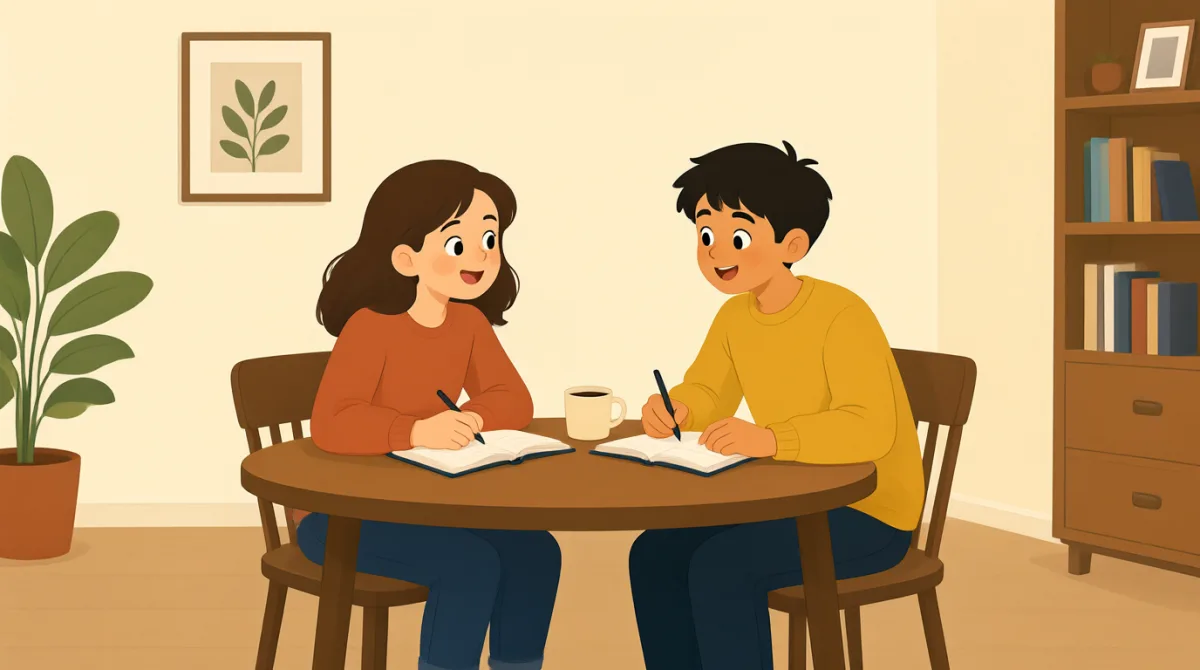

Given what we’ve talked through, would you be open to using the updated brief and a final-check list for the next report?
지금까지 얘기한 걸 바탕으로, 다음 보고서에 최신 브리프와 최종 확인 목록을 사용해 보면 어떨까요?

Yes, that sounds manageable. If I have the latest brief in front of me, I can make sure the figures and sources line up before I send it over.
네, 그 정도면 괜찮을 것 같아요. 최신 브리프를 앞에 두고 작업하면 보내기 전에 수치와 출처가 서로 맞는지 확인할 수 있어요.
Great. I’ll put together a short checklist with the key items, so it’s useful without turning into another long document to wade through.
좋아요. 핵심 항목만 담은 짧은 체크리스트를 만들게요. 또 하나의 긴 문서를 읽느라 고생하지 않아도 되면서 도움이 될 거예요.
That would help. Could you also flag any changes to the brief as soon as you know about them? I don’t want to miss an update halfway through.
그러면 도움이 되겠네요. 브리프에 변경 사항이 생기면 아는 즉시 알려 주실 수 있을까요? 작업 중간에 업데이트를 놓치고 싶지 않아서요.
Absolutely. I can send you a quick note whenever something changes, and I’ll highlight what’s different rather than forwarding the whole thread.
물론이죠. 변경 사항이 생길 때마다 간단히 알려 드릴게요. 대화 전체를 전달하는 대신 뭐가 달라졌는지 강조해서 말씀드릴게요.
Perfect. And I’ll run through the checklist before I submit the report. If anything’s unclear, I’ll ask instead of making a guess and hoping for the best.
완벽해요. 보고서를 제출하기 전에 체크리스트를 하나씩 확인할게요. 명확하지 않은 게 있으면 짐작해서 잘되길 바라는 대신 물어볼게요.
How about we do a quick check-in the day before the next report is due? We can catch any gaps early without adding a lot of meetings.
다음 보고서 마감 하루 전에 잠깐 진행 상황을 확인하는 건 어때요? 회의를 많이 늘리지 않고도 빠진 부분을 일찍 찾아낼 수 있을 거예요.
That works for me. I’ll send you a draft by then, so we can focus on anything that still needs a second look rather than starting from scratch.
좋아요. 그때까지 초안을 보내 드릴게요. 처음부터 다시 시작하는 대신, 한 번 더 살펴봐야 할 부분에 집중할 수 있겠네요.
Sounds like a plan. I appreciate you being open to adjusting the process, and I think these steps should make the next round smoother for both of us.
그렇게 해요. 절차를 조정하는 데 열려 있어 줘서 고마워요. 이 단계들을 따르면 다음번에는 우리 둘 다 더 수월하게 진행할 수 있을 것 같아요.
어휘8
- talked through충분히 논의하다
Discussed something carefully and in detail. Use it to refer back to a conversation where you worked through an issue together.
무언가를 신중하고 자세하게 의논했다는 뜻이에요. 함께 문제를 하나씩 살펴본 대화를 가리킬 때 쓸 수 있어요.
- be open to기꺼이 고려하다
Be willing to consider or try something. It is a tactful way to suggest a change without demanding it.
무언가를 고려하거나 시도해 볼 의향이 있다는 뜻이에요. 변화를 강요하지 않고 조심스럽게 제안할 때 쓰는 표현이에요.
- line up서로 일치하다
Match or agree with each other. Here, the figures and sources should be consistent before the report is sent.
서로 맞거나 일치한다는 뜻이에요. 여기서는 보고서를 보내기 전에 수치와 출처가 서로 일치해야 한다는 의미예요.
- wade through힘들게 읽어 나가다
Read or deal with something that feels long or difficult. It often suggests there is a lot to get through.
길거나 어렵게 느껴지는 내용을 읽거나 처리한다는 뜻이에요. 읽고 처리해야 할 내용이 많다는 뉘앙스가 있어요.
- flag any changes변경 사항을 알리다
Bring changes to someone’s attention. Use this when you want a teammate to point out updates clearly and promptly.
변경 사항을 다른 사람이 알아차리도록 알려 준다는 뜻이에요. 팀원에게 업데이트 내용을 분명하고 신속하게 알려 달라고 할 때 쓸 수 있어요.
- run through the checklist체크리스트를 하나씩 확인하다
Review each item on a checklist. This phrase is useful for describing a final review before submitting work.
체크리스트의 각 항목을 검토한다는 뜻이에요. 업무를 제출하기 전에 마지막으로 확인하는 상황을 설명할 때 유용한 표현이에요.
- a second look한 번 더 살펴보기
Another review or careful check. Use it when something may need further attention before it is finalized.
다시 검토하거나 꼼꼼히 확인하는 것을 뜻해요. 최종 확정 전에 더 신경 써야 할 부분이 있을 때 쓸 수 있어요.
- catch any gaps early빠진 부분을 일찍 찾아내다
Find missing information or problems before it is too late. This phrase is useful when discussing ways to prevent issues.
너무 늦기 전에 빠진 정보나 문제를 찾아낸다는 뜻이에요. 문제가 생기지 않도록 예방하는 방법을 이야기할 때 유용한 표현이에요.
핵심 문장8
- 1
Given what we’ve talked through, would you be open to using the updated brief and a final-check list for the next report?
지금까지 얘기한 걸 바탕으로, 다음 보고서에 최신 브리프와 최종 확인 목록을 사용해 보면 어떨까요?
This is a polite way to propose a practical change after discussing a problem. Reuse “would you be open to…” when making a suggestion without putting pressure on someone.
문제를 논의한 뒤 실용적인 변화를 정중하게 제안하는 표현이에요. 상대에게 부담을 주지 않고 의견을 제안할 때 “would you be open to…”를 활용해 보세요.
- 2
If I have the latest brief in front of me, I can make sure the figures and sources line up before I send it over.
최신 브리프를 앞에 두고 작업하면 보내기 전에 수치와 출처가 서로 맞는지 확인할 수 있어요.
This sentence explains how a resource can help prevent errors. Reuse the “If I have…, I can make sure…” structure to connect a condition with a helpful result.
자료가 오류를 방지하는 데 어떻게 도움이 되는지 설명하는 문장이에요. 조건과 그에 따른 유용한 결과를 연결할 때 “If I have…, I can make sure…” 구조를 활용해 보세요.
- 3
I’ll put together a short checklist with the key items, so it’s useful without turning into another long document to wade through.
핵심 항목만 담은 짧은 체크리스트를 만들게요. 또 하나의 긴 문서를 읽느라 고생하지 않아도 되면서 도움이 될 거예요.
This offers a solution while acknowledging that extra paperwork could be a burden. Reuse “without turning into…” to explain how you’ll keep a plan manageable.
추가 서류 작업이 부담이 될 수 있다는 점을 고려하면서 해결책을 제안하는 표현이에요. 계획을 부담스럽지 않게 유지하는 방법을 설명할 때 “without turning into…”를 활용해 보세요.
- 4
Could you also flag any changes to the brief as soon as you know about them?
브리프에 변경 사항이 생기면 아는 즉시 알려 주실 수 있을까요?
This is a courteous, direct request for timely updates. Reuse “Could you also…” to add a request, and “as soon as you know” to emphasize timing.
시의적절한 업데이트를 정중하면서도 직접적으로 요청하는 표현이에요. 요청을 하나 더 덧붙일 때 “Could you also…”를, 시점을 강조할 때 “as soon as you know”를 활용해 보세요.
- 5
If anything’s unclear, I’ll ask instead of making a guess and hoping for the best.
명확하지 않은 게 있으면 짐작해서 잘되길 바라는 대신 물어볼게요.
This shows responsibility and a willingness to clarify uncertainties. Reuse “instead of…” to describe the action you will take rather than a less reliable alternative.
불확실한 점을 확인하려는 책임감과 의지를 보여 주는 문장이에요. 덜 확실한 대안 대신 자신이 할 행동을 설명할 때 “instead of…”를 활용해 보세요.
- 6
How about we do a quick check-in the day before the next report is due?
다음 보고서 마감 하루 전에 잠깐 진행 상황을 확인하는 건 어때요?
This is a friendly way to suggest a brief meeting at a specific time. Reuse “How about we…” when proposing a plan collaboratively.
정해진 시점에 짧은 회의를 하자고 친근하게 제안하는 표현이에요. 함께 계획을 세우자고 제안할 때 “How about we…”를 활용해 보세요.
- 7
I’ll send you a draft by then, so we can focus on anything that still needs a second look rather than starting from scratch.
그때까지 초안을 보내 드릴게요. 처음부터 다시 시작하는 대신, 한 번 더 살펴봐야 할 부분에 집중할 수 있겠네요.
This explains how sharing work in advance can make a meeting more focused. Reuse “so we can focus on…” to describe the purpose of a preparation step.
미리 작업물을 공유하면 회의에서 더 집중적으로 논의할 수 있다는 점을 설명하는 문장이에요. 준비 단계의 목적을 말할 때 “so we can focus on…”을 활용해 보세요.
- 8
I appreciate you being open to adjusting the process, and I think these steps should make the next round smoother for both of us.
절차를 조정하는 데 열려 있어 줘서 고마워요. 이 단계들을 따르면 다음번에는 우리 둘 다 더 수월하게 진행할 수 있을 것 같아요.
This closes the conversation with appreciation and a positive expectation. Reuse “I appreciate you being open to…” to recognize someone’s willingness to adapt.
감사를 전하고 긍정적인 기대를 나타내며 대화를 마무리하는 문장이에요. 상대가 변화에 기꺼이 응해 준 점을 인정할 때 “I appreciate you being open to…”를 활용해 보세요.