Initial Observation & Internal Reflection
शुरुआती निरीक्षण और मन ही मन विचार
One person notices a change in the other's behavior (e.g., quietness, avoidance) and begins to wonder if something is wrong, leading to internal thought about what might have caused it.
एक व्यक्ति दूसरे के व्यवहार में बदलाव देखता है (जैसे, उसका चुप रहना या बचना) और सोचने लगता है कि कहीं कुछ गड़बड़ तो नहीं। फिर वह मन ही मन विचार करता है कि इसकी वजह क्या हो सकती है।
संवाद8
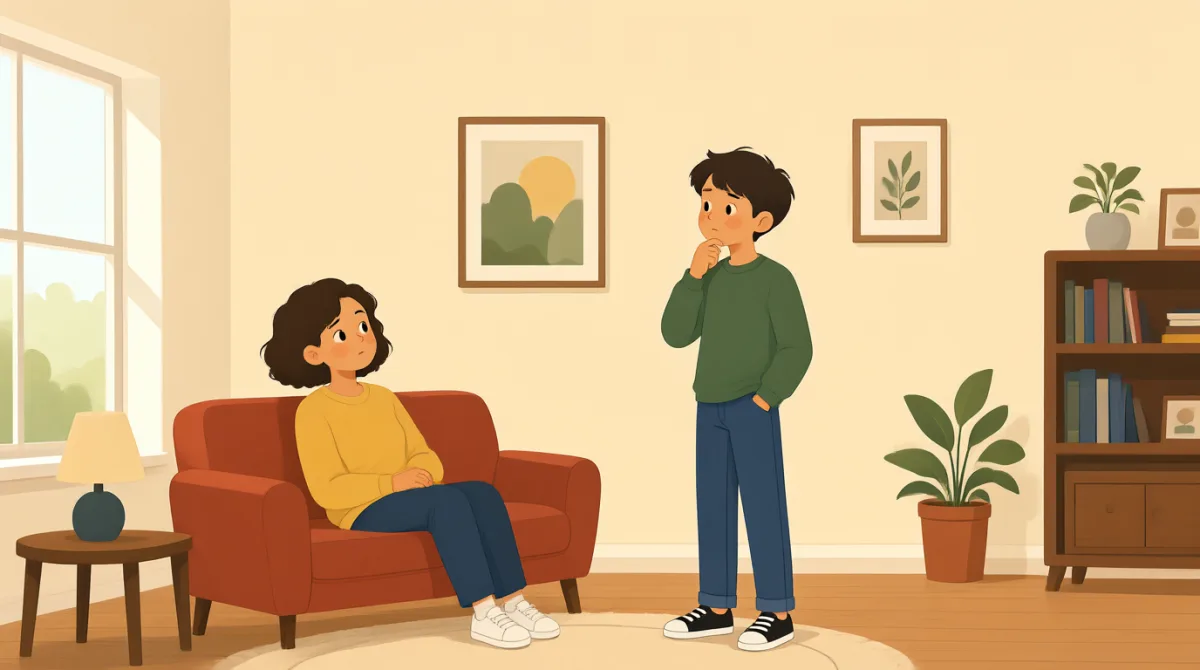

Hey Jack, I've noticed you've been a bit quiet lately. Is everything alright?
अरे जैक, मैंने देखा है कि तुम आजकल कुछ चुप-चुप से रहते हो। सब ठीक है?

Oh, hey Mia. Um, yeah, I guess so. Just a lot on my mind.
ओह, अरे मिया। उम्, हाँ, शायद। बस मन में बहुत कुछ चल रहा है।
I noticed you didn't really join in the discussion much at dinner last night, and you left pretty early. I was a bit worried.
कल रात खाने पर मैंने देखा कि तुम बातचीत में ज़्यादा शामिल नहीं हुए, और काफ़ी जल्दी चले गए। मुझे थोड़ी चिंता हुई थी।
Uh-huh. I just wasn't feeling very talkative, I guess. Nothing to worry about.
हम्म। बस मेरा ज़्यादा बात करने का मन नहीं था, शायद। चिंता की कोई बात नहीं।
Okay, but it felt a little different than usual. I was wondering if something I said or did might have upset you?
ठीक है, लेकिन तुम आम दिनों से थोड़े अलग लग रहे थे। मैं सोच रही थी कि कहीं मेरी किसी बात या काम से तुम्हें बुरा तो नहीं लगा?
What? No, not at all, Mia. Why would you think that?
क्या? नहीं, बिल्कुल नहीं, मिया। तुम्हें ऐसा क्यों लगा?
Well, you just seemed a bit off since we talked about that movie we watched. And then the quietness... I just put two and two together and thought maybe I’d offended you somehow.
ख़ैर, उस फ़िल्म के बारे में बात करने के बाद से तुम कुछ बदले-बदले से लग रहे थे। और फिर तुम्हारा चुप रहना... मैंने दोनों बातों को जोड़कर सोचा कि शायद मैंने किसी तरह तुम्हारा दिल दुखाया हो।
No, honestly, it's not you. I actually really enjoyed our conversation about the movie. I guess I've just been preoccupied with something else. Sorry if I gave you the wrong idea.
नहीं, सच कहूँ तो इसमें तुम्हारी कोई गलती नहीं है। फ़िल्म के बारे में हमारी बातचीत मुझे सच में बहुत अच्छी लगी थी। शायद मैं किसी और बात में उलझा हुआ था। अगर मैंने तुम्हें कुछ और सोचने पर मजबूर किया हो तो माफ़ करना।
शब्दावली7
- noticedध्यान दिया
To notice something means to observe or become aware of it, often used when pointing out a change in someone's behavior gently.
noticed का मतलब है किसी चीज़ को देखना या उसका एहसास होना। किसी के व्यवहार में आए बदलाव का ज़िक्र करते समय यह शब्द अक्सर नरमी से इस्तेमाल किया जाता है।
- quietचुप
Quiet here means not talking much or being unusually silent, which can indicate someone is upset or thinking deeply.
यहाँ quiet का मतलब है ज़्यादा बात न करना या आम दिनों से अधिक चुप रहना। इससे लग सकता है कि कोई परेशान है या गहरी सोच में है।
- worriedचिंतित
Worried means feeling anxious or concerned about a possible problem, commonly used to express care for a friend.
worried का मतलब है किसी संभावित समस्या को लेकर बेचैन या फ़िक्रमंद होना। किसी दोस्त के लिए चिंता जताने के लिए यह आम तौर पर इस्तेमाल होता है।
- upsetबुरा लगा
Upset means feeling unhappy or bothered, often because of something someone said or did; it's a polite way to check on emotions.
upset का मतलब है दुखी या परेशान होना, अक्सर किसी की कही या की हुई बात की वजह से। किसी की भावनाओं के बारे में नरमी से पूछने के लिए यह एक अच्छा शब्द है।
- preoccupiedकिसी बात में उलझा हुआ
Preoccupied means being so focused on your own thoughts or problems that you ignore others; it's a common excuse for being distant.
preoccupied का मतलब है अपने विचारों या समस्याओं में इतना खोए रहना कि दूसरों पर ध्यान न जाए। दूर-दूर रहने की वजह बताने के लिए यह आम तौर पर कहा जाता है।
- offendedदिल दुखाया
Offended means having your feelings hurt by something rude or insensitive; use it when apologizing for possible misunderstandings.
offended का मतलब है किसी रूखी या असंवेदनशील बात से आहत होना। किसी गलतफ़हमी की संभावना के लिए माफ़ी माँगते समय इसका इस्तेमाल करें।
- put two and two togetherबातों को जोड़कर नतीजा निकालना
This idiom means to logically figure out or guess the reason for something by connecting clues; it's a natural way to explain assumptions.
put two and two together मुहावरे का मतलब है अलग-अलग संकेतों को जोड़कर तर्क से किसी बात की वजह समझना या उसका अंदाज़ा लगाना। अपनी धारणा समझाने का यह एक स्वाभाविक तरीका है।
मुख्य वाक्य6
- 1
Hey Jack, I've noticed you've been a bit quiet lately. Is everything alright?
अरे जैक, मैंने देखा है कि तुम आजकल कुछ चुप-चुप से रहते हो। सब ठीक है?
This sentence uses an 'I' statement ('I've noticed') to share an observation without blaming, and ends with a question to invite response; useful for starting a gentle conversation about concerns.
इस वाक्य में 'I've noticed' कहकर वक्ता बिना दोष लगाए अपनी देखी हुई बात बताता है। अंत में सवाल पूछकर सामने वाले को जवाब देने का मौका मिलता है। किसी चिंता पर प्यार से बातचीत शुरू करने के लिए यह उपयोगी है।
- 2
I was a bit worried.
मुझे थोड़ी चिंता हुई थी।
This is a simple 'I' statement expressing emotion; it's useful for showing care without accusing, and the past tense 'was' softens it for reflection.
यह अपनी भावना बताने वाला एक सीधा 'I' कथन है। आरोप लगाए बिना परवाह जताने के लिए यह उपयोगी है। भूतकाल का 'was' बात को पीछे मुड़कर देखने के अंदाज़ में कहकर इसे नरम बनाता है।
- 3
I was wondering if something I said or did might have upset you?
मैं सोच रही थी कि कहीं मेरी किसी बात या काम से तुम्हें बुरा तो नहीं लगा?
This uses 'I was wondering' for polite speculation and focuses on self-reflection with 'I' statements; great for resolving misunderstandings by taking responsibility.
'I was wondering' का इस्तेमाल विनम्रता से कोई अंदाज़ा या सवाल रखने के लिए किया गया है। 'I' कथन के ज़रिए ध्यान अपनी बातों पर रखा गया है। गलतफ़हमी दूर करते हुए अपनी ज़िम्मेदारी पर विचार जताने के लिए यह बहुत अच्छा तरीका है।
- 4
Well, you just seemed a bit off since we talked about that movie.
ख़ैर, उस फ़िल्म के बारे में बात करने के बाद से तुम कुछ बदले-बदले से लग रहे थे।
This describes a change in behavior ('seemed a bit off') with specific details; it's helpful for explaining observations factually to clarify thoughts.
'seemed a bit off' कहकर व्यवहार में आए बदलाव का ज़िक्र ठोस जानकारी के साथ किया गया है। अपने विचार स्पष्ट करने के लिए देखी हुई बातों को तथ्य के रूप में बताना उपयोगी होता है।
- 5
No, honestly, it's not you.
नहीं, सच कहूँ तो इसमें तुम्हारी कोई गलती नहीं है।
This reassuring phrase uses 'honestly' for sincerity and 'it's not you' to shift blame away; use it to quickly ease a friend's worry in conflicts.
इस दिलासा देने वाले वाक्य में 'honestly' सच्चाई जताता है और 'it's not you' दोष सामने वाले पर नहीं डालता। किसी विवाद में दोस्त की चिंता जल्दी दूर करने के लिए इसका इस्तेमाल करें।
- 6
Sorry if I gave you the wrong idea.
अगर मैंने तुम्हें कुछ और सोचने पर मजबूर किया हो तो माफ़ करना।
This is a conditional apology ('if') that's polite and non-committal; it's practical for acknowledging possible miscommunication without admitting full fault.
यह 'if' वाला सशर्त माफ़ी का वाक्य है, जो विनम्र है और पूरी तरह दोष स्वीकार किए बिना बात कहता है। अपनी पूरी गलती माने बिना संभावित गलतफ़हमी को स्वीकार करने के लिए यह काम का है।