Initial Observation & Internal Reflection
প্রাথমিক পর্যবেক্ষণ ও মনে মনে ভাবনা
One person notices a change in the other's behavior (e.g., quietness, avoidance) and begins to wonder if something is wrong, leading to internal thought about what might have caused it.
একজন খেয়াল করে যে অন্যজনের আচরণে পরিবর্তন এসেছে—যেমন সে চুপচাপ থাকছে বা এড়িয়ে চলছে। তখন তার মনে প্রশ্ন জাগে, কিছু হয়েছে কি না, আর সে ভাবতে থাকে এর পেছনে কী কারণ থাকতে পারে।
সংলাপ8
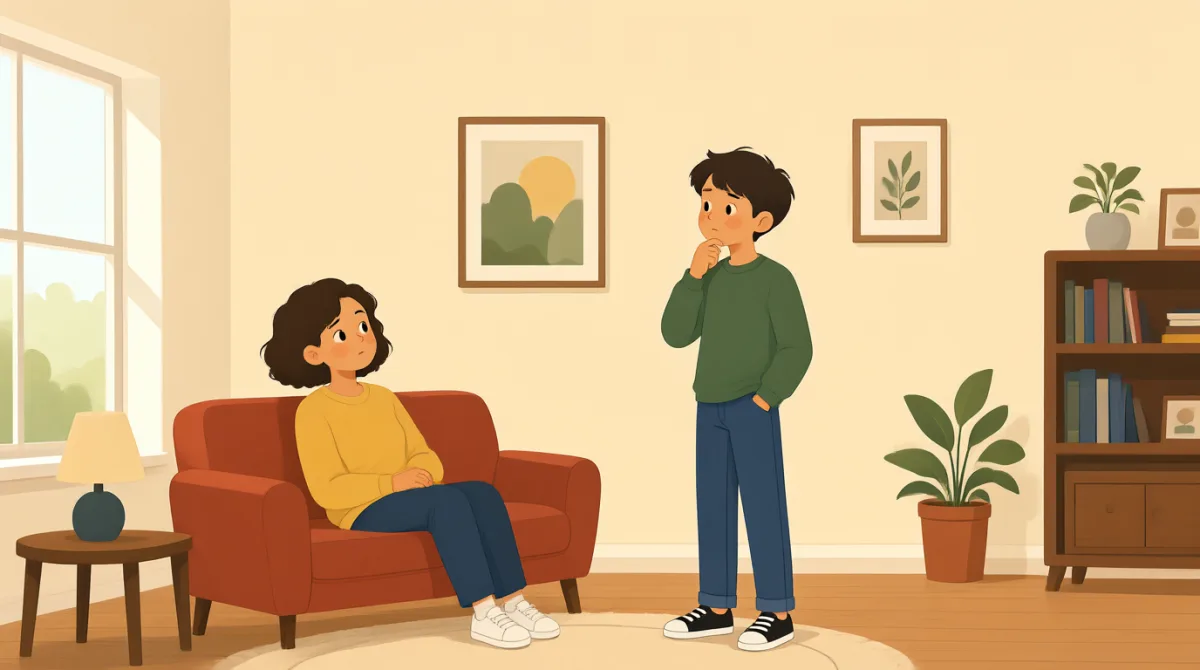

Hey Jack, I've noticed you've been a bit quiet lately. Is everything alright?
এই জ্যাক, ইদানীং তোমাকে একটু চুপচাপ দেখছি। সব ঠিক আছে তো?

Oh, hey Mia. Um, yeah, I guess so. Just a lot on my mind.
ওহ, এই মিয়া। উম, হ্যাঁ, মনে হয়। মাথায় অনেক কিছু ঘুরছে শুধু।
I noticed you didn't really join in the discussion much at dinner last night, and you left pretty early. I was a bit worried.
গত রাতে রাতের খাবারের সময় দেখলাম, আলোচনায় তুমি তেমন যোগ দাওনি, আর বেশ তাড়াতাড়িই চলে গিয়েছিলে। একটু চিন্তা হচ্ছিল।
Uh-huh. I just wasn't feeling very talkative, I guess. Nothing to worry about.
হুম। বোধ হয় কথা বলার খুব একটা মুড ছিল না। চিন্তার কিছু নেই।
Okay, but it felt a little different than usual. I was wondering if something I said or did might have upset you?
আচ্ছা, তবে ব্যাপারটা স্বাভাবিকের চেয়ে একটু আলাদা লাগছিল। ভাবছিলাম, আমি কিছু বলেছি বা করেছি বলে তুমি কষ্ট পেয়েছ কি না।
What? No, not at all, Mia. Why would you think that?
কী? না, একদমই না, মিয়া। তোমার এমন মনে হলো কেন?
Well, you just seemed a bit off since we talked about that movie we watched. And then the quietness... I just put two and two together and thought maybe I’d offended you somehow.
মানে, ওই সিনেমাটা নিয়ে কথা বলার পর থেকেই তোমাকে একটু অন্যরকম লাগছিল। তারপর এই চুপচাপ ভাবটা... সব মিলিয়ে ভেবেছিলাম, হয়তো কোনোভাবে তোমাকে কষ্ট দিয়েছি।
No, honestly, it's not you. I actually really enjoyed our conversation about the movie. I guess I've just been preoccupied with something else. Sorry if I gave you the wrong idea.
না, সত্যি বলছি, ব্যাপারটা তোমাকে নিয়ে নয়। সিনেমাটা নিয়ে আমাদের কথোপকথনটা আমার সত্যিই বেশ ভালো লেগেছিল। মনে হয় অন্য কিছু নিয়ে চিন্তায় ডুবে ছিলাম। তোমাকে ভুল ধারণা দিয়ে থাকলে দুঃখিত।
শব্দভান্ডার7
- noticedখেয়াল করা
To notice something means to observe or become aware of it, often used when pointing out a change in someone's behavior gently.
কোনো কিছু খেয়াল করা মানে সেটি দেখা বা সে সম্পর্কে সচেতন হওয়া। কারও আচরণে পরিবর্তন হয়েছে, এ কথা নম্রভাবে বলতে এই শব্দটি প্রায়ই ব্যবহার করা হয়।
- quietচুপচাপ
Quiet here means not talking much or being unusually silent, which can indicate someone is upset or thinking deeply.
এখানে quiet মানে কম কথা বলা বা স্বাভাবিকের চেয়ে বেশি চুপ থাকা। কেউ মন খারাপ করলে বা গভীরভাবে কিছু ভাবলে এমন হতে পারে।
- worriedচিন্তিত
Worried means feeling anxious or concerned about a possible problem, commonly used to express care for a friend.
কোনো সমস্যা হতে পারে ভেবে উদ্বিগ্ন বা দুশ্চিন্তাগ্রস্ত হওয়াকে worried বলে। বন্ধুর প্রতি যত্ন প্রকাশ করতে শব্দটি প্রায়ই ব্যবহার করা হয়।
- upsetকষ্ট পাওয়া
Upset means feeling unhappy or bothered, often because of something someone said or did; it's a polite way to check on emotions.
কেউ কিছু বলেছে বা করেছে বলে মন খারাপ হওয়া বা বিরক্ত বোধ করাকে upset বলে। কারও অনুভূতির খোঁজ নিতে এটি ভদ্রভাবে বলা যায়।
- preoccupiedচিন্তায় ডুবে থাকা
Preoccupied means being so focused on your own thoughts or problems that you ignore others; it's a common excuse for being distant.
নিজের চিন্তা বা সমস্যা নিয়ে এতটাই ব্যস্ত থাকা যে আশপাশের মানুষদের দিকে মনোযোগ না দেওয়াকে preoccupied বলে। দূরত্বপূর্ণ আচরণের কারণ বোঝাতে এটি প্রায়ই বলা হয়।
- offendedঅপমানিত বোধ করা
Offended means having your feelings hurt by something rude or insensitive; use it when apologizing for possible misunderstandings.
রূঢ় বা অসংবেদনশীল কোনো কথায় কারও অনুভূতিতে আঘাত লাগলে তাকে offended বলে। কোনো ভুল বোঝাবুঝি হয়ে থাকতে পারে বলে দুঃখ প্রকাশের সময় শব্দটি ব্যবহার করা যায়।
- put two and two togetherসব সূত্র মিলিয়ে কারণটা বুঝে ফেলা
This idiom means to logically figure out or guess the reason for something by connecting clues; it's a natural way to explain assumptions.
এই বাগ্ধারাটির অর্থ হলো বিভিন্ন সূত্র মিলিয়ে কোনো ঘটনার কারণ যুক্তি দিয়ে বুঝে নেওয়া বা আন্দাজ করা। নিজের অনুমানের কথা স্বাভাবিকভাবে বোঝাতে এটি কাজে লাগে।
গুরুত্বপূর্ণ বাক্য6
- 1
Hey Jack, I've noticed you've been a bit quiet lately. Is everything alright?
এই জ্যাক, ইদানীং তোমাকে একটু চুপচাপ দেখছি। সব ঠিক আছে তো?
This sentence uses an 'I' statement ('I've noticed') to share an observation without blaming, and ends with a question to invite response; useful for starting a gentle conversation about concerns.
এখানে 'I've noticed' বলে নিজের পর্যবেক্ষণের কথা জানানো হয়েছে, কাউকে দোষ না দিয়ে। শেষে প্রশ্ন থাকায় অপরজন উত্তর দেওয়ার সুযোগ পায়। কোনো উদ্বেগের কথা আলতোভাবে শুরু করতে এই বাক্যটি কাজে লাগে।
- 2
I was a bit worried.
একটু চিন্তা হচ্ছিল।
This is a simple 'I' statement expressing emotion; it's useful for showing care without accusing, and the past tense 'was' softens it for reflection.
এটি নিজের অনুভূতি প্রকাশ করার একটি সহজ বাক্য। কাউকে দোষ না দিয়ে তার প্রতি যত্ন দেখাতে এটি কাজে লাগে। অতীতকালের 'was' ব্যবহার করায় কথাটি কিছুটা নরম শোনায়।
- 3
I was wondering if something I said or did might have upset you?
ভাবছিলাম, আমি কিছু বলেছি বা করেছি বলে তুমি কষ্ট পেয়েছ কি না।
This uses 'I was wondering' for polite speculation and focuses on self-reflection with 'I' statements; great for resolving misunderstandings by taking responsibility.
'I was wondering' দিয়ে ভদ্রভাবে একটি সম্ভাবনার কথা বলা হয়। 'I' দিয়ে নিজের কথা বলায় মনোযোগ থাকে নিজের ভাবনা ও আচরণের দিকে। দায়িত্ব নিতে চেয়ে ভুল বোঝাবুঝি মেটাতে এটি উপযোগী।
- 4
Well, you just seemed a bit off since we talked about that movie.
মানে, ওই সিনেমাটা নিয়ে কথা বলার পর থেকেই তোমাকে একটু অন্যরকম লাগছিল।
This describes a change in behavior ('seemed a bit off') with specific details; it's helpful for explaining observations factually to clarify thoughts.
'seemed a bit off' দিয়ে আচরণের পরিবর্তন বোঝানো হয়েছে, আর নির্দিষ্ট সময়ের কথা বলায় পর্যবেক্ষণটি স্পষ্ট হয়েছে। নিজের ভাবনা পরিষ্কার করতে এভাবে তথ্যনির্ভরভাবে পর্যবেক্ষণের কথা বলা যায়।
- 5
No, honestly, it's not you.
না, সত্যি বলছি, ব্যাপারটা তোমাকে নিয়ে নয়।
This reassuring phrase uses 'honestly' for sincerity and 'it's not you' to shift blame away; use it to quickly ease a friend's worry in conflicts.
আশ্বস্ত করার এই কথায় আন্তরিকতা বোঝাতে 'honestly' এবং দোষ অন্যজনের নয় বোঝাতে 'it's not you' ব্যবহার করা হয়েছে। কোনো বিরোধে বন্ধুর দুশ্চিন্তা দ্রুত কমাতে এটি বলা যায়।
- 6
Sorry if I gave you the wrong idea.
তোমাকে ভুল ধারণা দিয়ে থাকলে দুঃখিত।
This is a conditional apology ('if') that's polite and non-committal; it's practical for acknowledging possible miscommunication without admitting full fault.
'if' দিয়ে শর্তসাপেক্ষে দুঃখ প্রকাশ করায় কথাটি ভদ্র এবং পুরোপুরি দায় স্বীকার না করেও বলা যায়। ভুল বোঝাবুঝি হয়ে থাকতে পারে—এ কথা স্বীকার করতে বাক্যটি কাজে লাগে।