Preparing for a Recital
آمادهشدن برای اجرای رسیتال
A student and their teacher finalize song selections and discuss performance techniques and stage presence in preparation for an upcoming music recital.
هنرجو و معلمش انتخاب قطعهها را نهایی میکنند و برای آمادهشدن برای رسیتال پیشِ رو، دربارهٔ تکنیکهای اجرا و حضور روی صحنه گفتوگو میکنند.
گفتوگو9
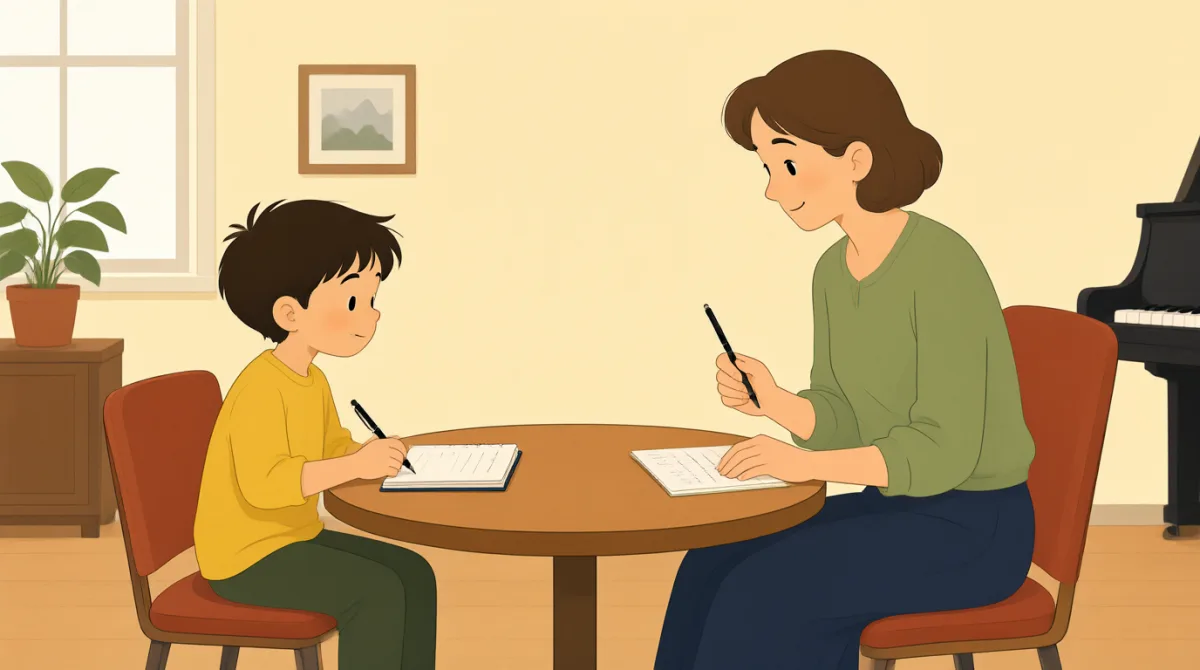

Alright Emma, let's finalize the pieces for your recital. How are you feeling about playing 'Clair de Lune' and 'Für Elise'?
خب اِما، بیایید قطعههای رسیتال را نهایی کنیم. از نواختن «Clair de Lune» و «Für Elise» چه حسی داری؟

I feel pretty confident with 'Clair de Lune' now, but 'Für Elise' still feels a bit shaky, especially the faster sections. I'm worried about hitting all the notes perfectly.
الان برای «Clair de Lune» اعتمادبهنفس خوبی دارم، اما «Für Elise» هنوز کمی متزلزل به نظر میرسد، مخصوصاً بخشهای تندترش. نگرانم نتها را بینقص اجرا نکنم.
That's completely understandable. Why don't we shift 'Für Elise' to a later recital and instead, let's look at that simpler Chopin Nocturne we've been working on? It has a beautiful melody and you've got the technique down.
کاملاً قابلدرکه. نظرت چیه «Für Elise» رو بذاریم برای رسیتال بعدی و بهجاش اون نوکتورن سادهتر شوپن رو که روش کار میکردیم بررسی کنیم؟ ملودی زیبایی داره و تکنیکش رو هم خوب یاد گرفتی.
Oh, that's a great idea! I love that piece, and it would definitely ease some of my nerves. So, 'Clair de Lune' and the Chopin Nocturne?
اوه، فکر خیلی خوبیه! این قطعه رو دوست دارم و قطعاً کمی از استرسم کم میکنه. پس «Clair de Lune» و نوکتورن شوپن؟
Perfect. Now, regarding performance techniques, remember to really convey the emotion in 'Clair de Lune'. Think about the dynamic range and expressing the quiet contemplation.
عالیه. حالا دربارهٔ تکنیک اجرا، یادت باشه احساس قطعهٔ «Clair de Lune» رو واقعاً منتقل کنی. به گسترهٔ تغییرات شدت صدا و بیان حس تأمل و آرامشش فکر کن.
Got it. So, really focus on the softer parts and building up the crescendos naturally.
متوجه شدم. پس واقعاً روی قسمتهای ملایمتر تمرکز میکنم و اوجهای صدا رو طبیعیتر پرورش میدم.
Precisely. And for stage presence, remember to make eye contact with the audience before you start. A confident posture and a small bow at the end go a long way. It shows respect and adds to your overall presentation.
دقیقاً. برای حضورت روی صحنه هم یادت باشه قبل از شروع با تماشاگرها ارتباط چشمی برقرار کنی. صاف و بااعتمادبهنفس بایستی و آخر کار کمی تعظیم کنی؛ همینها خیلی تأثیر دارند. این کار نشانهٔ احترامه و به اجرای کلیات جلوهٔ بیشتری میده.
Okay, eye contact and a good bow. I'll practice that. Thanks for making these adjustments, Mr. Chen. I feel much better about the recital now.
باشه، ارتباط چشمی و تعظیم خوب. تمرینشون میکنم. ممنون که این تغییرات رو انجام دادید، آقای چن. الان دربارهٔ رسیتال خیلی خیالم راحتتره.
You're very welcome, Emma. This is about enjoying the music and sharing it. You'll do wonderfully. Just keep practicing those key sections.
خواهش میکنم، اِما. قرار است از موسیقی لذت ببری و آن را با دیگران شریک شوی. فوقالعاده اجرا میکنی. فقط تمرین بخشهای مهم را ادامه بده.
واژگان10
- recitalاجرای رسیتال
A recital is a public performance where a musician plays pieces of music, often in front of an audience like at a school event.
«recital» یعنی اجرای عمومی موسیقی که در آن نوازنده قطعاتی را اجرا میکند؛ مثلاً در یک مراسم مدرسه و جلوی تماشاگران.
- confidentبااعتمادبهنفس
Confident means feeling sure of your abilities and not worried about failing, like when you know you can play a song well.
«confident» یعنی به تواناییهای خودت مطمئن باشی و نگران شکستخوردن نباشی؛ مثلاً وقتی میدانی میتوانی یک آهنگ را خوب بنوازی.
- shakyمتزلزل؛ ناپایدار
Shaky describes something that is not steady or reliable, such as a performance where you might make mistakes in fast parts.
«shaky» چیزی را توصیف میکند که ثبات یا اطمینان کافی ندارد؛ مثلاً اجرایی که ممکن است در بخشهای تندش اشتباه کنی.
- techniqueتکنیک
Technique refers to the skill and method used to play a musical instrument correctly and smoothly.
«technique» به مهارت و روشی گفته میشود که برای نواختن درست و روان یک ساز به کار میبری.
- melodyملودی
A melody is the main tune or series of notes in a piece of music that you can easily remember and hum.
«melody» آهنگ اصلی یا دنبالهای از نتها در یک قطعهٔ موسیقی است که بهراحتی میتوانی به خاطر بسپاری و زمزمهاش کنی.
- nervesاسترس؛ دلشوره
Nerves means feelings of anxiety or worry, especially before a big event like a performance.
«nerves» یعنی احساس اضطراب یا نگرانی، بهخصوص پیش از رویداد مهمی مثل اجرا.
- conveyمنتقلکردن؛ بیانکردن
To convey means to express or communicate a feeling or idea clearly, like showing emotion through your music.
«convey» یعنی احساسی یا فکری را روشن بیان یا منتقلکردن؛ مثلاً با موسیقیات احساسات را نشان بدهی.
- stage presenceحضور روی صحنه
Stage presence is how confidently and engagingly you perform in front of an audience, including your body language and attitude.
«stage presence» یعنی اینکه هنگام اجرا جلوی تماشاگران چقدر بااعتمادبهنفس و گیرا ظاهر میشوی؛ از جمله زبان بدن و رفتارت.
- eye contactارتباط چشمی
Eye contact is looking directly into someone's eyes when talking or performing to show confidence and connection.
«eye contact» یعنی هنگام صحبت یا اجرا مستقیم به چشمهای کسی نگاه کنی تا اعتمادبهنفس و ارتباط را نشان بدهی.
- postureطرز ایستادن و نشستن
Posture is the way you hold your body when standing or sitting, like keeping your back straight for a professional look.
«posture» یعنی شیوهای که بدنت را هنگام ایستادن یا نشستن نگه میداری؛ مثلاً برای ظاهری حرفهای، کمرت را صاف نگه میداری.
جملات کلیدی8
- 1
How are you feeling about playing 'Clair de Lune' and 'Für Elise'?
از نواختن «Clair de Lune» و «Für Elise» چه حسی داری؟
This sentence uses 'How are you feeling about' to ask someone's opinion or emotions on a specific task. It's useful for checking confidence in activities like lessons. Grammar: Present continuous for current feelings.
در این جمله، «How are you feeling about» برای پرسیدن نظر یا احساس کسی دربارهٔ یک کار مشخص به کار میرود. برای اینکه بفهمی کسی در انجام کاری مثل تمرین چقدر اعتمادبهنفس دارد، عبارت مفیدی است. دستور زبان: حال استمراری برای بیان احساس فعلی.
- 2
I feel pretty confident with 'Clair de Lune' now, but 'Für Elise' still feels a bit shaky.
الان برای «Clair de Lune» اعتمادبهنفس خوبی دارم، اما «Für Elise» هنوز کمی متزلزل به نظر میرسد.
This shows contrast with 'but' to express mixed feelings. 'Pretty confident' means quite sure, and 'a bit shaky' means slightly unstable. Useful for describing progress in learning. Grammar: Adjectives like 'confident' and 'shaky' describe states.
این جمله با «but» دو احساس متفاوت را در برابر هم قرار میدهد. «Pretty confident» یعنی نسبتاً مطمئن و «a bit shaky» یعنی کمی ناپایدار. برای صحبت دربارهٔ پیشرفت در یادگیری مفید است. دستور زبان: صفتهایی مثل «confident» و «shaky» حالتها را توصیف میکنند.
- 3
That's completely understandable.
کاملاً قابلدرکه.
This is a polite way to agree and show empathy. Use it to acknowledge someone's concerns without arguing. It's common in supportive conversations like teacher-student talks.
این عبارت راهی مؤدبانه برای موافقت و همدلی نشاندادن است. وقتی میخواهی نگرانی کسی را بدون مخالفتکردن به رسمیت بشناسی، از آن استفاده کن. در گفتوگوهای حمایتی مثل صحبت معلم و هنرجو رایج است.
- 4
Why don't we shift 'Für Elise' to a later recital and instead, let's look at that simpler Chopin Nocturne?
نظرت چیه «Für Elise» رو بذاریم برای رسیتال بعدی و بهجاش نوکتورن سادهتر شوپن رو بررسی کنیم؟
This suggests a change using 'Why don't we' for proposals and 'instead' for alternatives. Helpful for making adjustments in plans. Grammar: Imperative 'let's' for suggestions.
این جمله با «Why don't we» پیشنهادی برای تغییر میدهد و با «instead» گزینهٔ جایگزین را مطرح میکند. برای ایجاد تغییر در برنامهها مفید است. دستور زبان: شکل امری «let's» برای پیشنهاد دادن.
- 5
It would definitely ease some of my nerves.
این قطعاً کمی از استرسم کم میکنه.
This uses conditional 'would' to talk about future benefits and 'ease nerves' idiom for reducing anxiety. Use it when discussing ways to feel less worried before events.
در این جمله از وجه شرطی «would» برای صحبت دربارهٔ فایدهای در آینده استفاده شده و عبارت اصطلاحی «ease nerves» به معنی کمکردن اضطراب است. وقتی دربارهٔ راههای کمتر نگرانبودن پیش از یک رویداد صحبت میکنی، این عبارت به کارت میآید.
- 6
Remember to really convey the emotion in 'Clair de Lune'.
یادت باشه احساس قطعهٔ «Clair de Lune» رو واقعاً منتقل کنی.
This is advice using 'remember to' for reminders. 'Convey the emotion' means express feelings through performance. Useful for giving tips on arts or presentations. Grammar: Infinitive after 'remember'.
این جمله با «remember to» یادآوری یا توصیه میکند. «Convey the emotion» یعنی احساسات را از راه اجرا بیانکردن. برای نکتهدادن دربارهٔ هنر یا ارائه مفید است. دستور زبان: بعد از «remember» مصدر با to میآید.
- 7
Make eye contact with the audience before you start.
قبل از شروع با تماشاگرها ارتباط چشمی برقرار کن.
Imperative form 'Make' gives direct instructions. It's practical for performance advice, emphasizing connection with viewers. Use in contexts like public speaking or shows.
ساخت امری «Make» دستور مستقیمی میدهد. این توصیهٔ عملی برای اجراست و بر ایجاد ارتباط با تماشاگران تأکید میکند. در موقعیتهایی مثل سخنرانی یا نمایش هم میتوانی از آن استفاده کنی.
- 8
You'll do wonderfully. Just keep practicing those key sections.
فوقالعاده اجرا میکنی. فقط تمرین آن بخشهای مهم را ادامه بده.
This encourages with future 'You'll do' and 'wonderfully' for excellent performance. 'Keep practicing' means continue the action. Great for motivation in learning situations. Grammar: Future simple for predictions.
در این جمله، «You'll do» با زمان آینده و «wonderfully» برای تشویق به اجرای عالی به کار رفتهاند. «Keep practicing» یعنی به تمرینکردن ادامهدادن. برای دلگرمکردن زبانآموزان بسیار مناسب است. دستور زبان: آیندهٔ ساده برای پیشبینی.