Presenting Research Findings
ارائه یافتههای پژوهش
A researcher is giving a formal presentation to an academic audience, detailing their latest research findings, methodology, and conclusions. This involves introducing the topic, explaining complex data, and managing a Q&A session.
پژوهشگری در برابر مخاطبانی دانشگاهی، ارائهای رسمی دربارهٔ تازهترین یافتههای پژوهشی، روششناسی و نتایج خود ارائه میدهد. او موضوع را معرفی میکند، دادههای پیچیده را توضیح میدهد و جلسهٔ پرسشوپاسخ را مدیریت میکند.
گفتوگو9
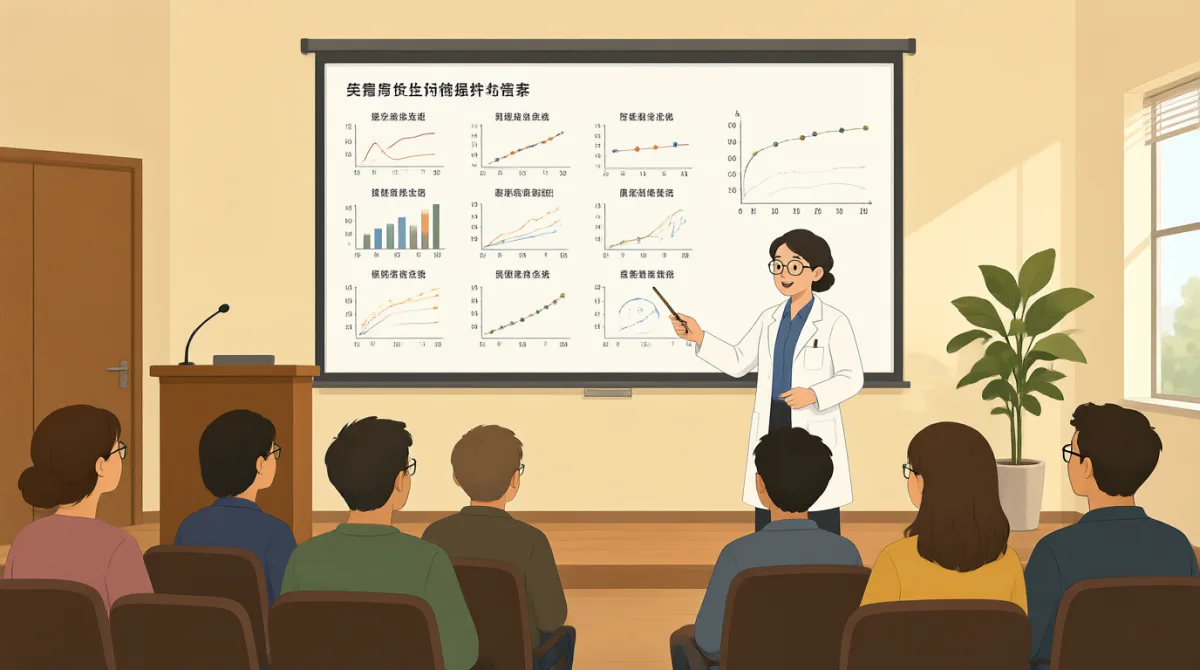

Good morning, everyone. Thank you for attending today's presentation. My name is Dr. David Chen, and I'm a senior researcher at the Institute for Advanced Materials. Today, I'll be presenting our latest findings on the 'Synthesis and Characterization of Novel Perovskite Solar Cells'.
صبح بخیر، همگی. از اینکه در ارائهٔ امروز شرکت کردید، سپاسگزارم. من دکتر دیوید چن هستم و پژوهشگر ارشد مؤسسهٔ مواد پیشرفتهام. امروز یافتههای تازهٔ ما دربارهٔ «سنتز و شناسایی سلولهای خورشیدی پروسکایتی نوین» را ارائه میکنم.
To begin, let's briefly look at the current landscape of solar energy and the limitations of traditional silicon-based photovoltaic devices. Our research aims to address these challenges by exploring the potential of perovskite materials.
برای شروع، بیایید نگاهی کوتاه به وضعیت کنونی انرژی خورشیدی و محدودیتهای تجهیزات فتوولتائیک سنتی مبتنی بر سیلیکون بیندازیم. هدف پژوهش ما پرداختن به این چالشها از طریق بررسی ظرفیت مواد پروسکایتی است.
As you can see from this slide, our optimized synthesis method has significantly improved the power conversion efficiency to a record 24.5%, while also demonstrating remarkable long-term stability under humid conditions. These results are incredibly promising.
همانطور که در این اسلاید میبینید، روش سنتز بهینهشدهٔ ما بازده تبدیل توان را بهطور چشمگیری افزایش داده و به رکورد ۲۴٫۵ درصد رسانده است؛ همچنین این روش در شرایط مرطوب، پایداری بلندمدت چشمگیری نشان داده است. این نتایج بسیار امیدبخشاند.

Dr. Chen, fantastic presentation. I have a question regarding the stability data you presented. Could you elaborate on the specific environmental conditions used for the long-term stability testing, especially concerning temperature fluctuations?
دکتر چن، ارائهٔ فوقالعادهای بود. دربارهٔ دادههای پایداری که ارائه کردید پرسشی دارم. ممکن است دربارهٔ شرایط محیطی مشخصی که برای آزمون پایداری بلندمدت به کار بردید بیشتر توضیح دهید، بهخصوص در مورد نوسانهای دما؟
Thank you for the excellent question. We conducted the stability tests under a controlled environment with relative humidity maintained at 85% and temperature cycled between 25 and 60 degrees Celsius over a 1000-hour period. We also performed accelerated aging tests, but those data are for a follow-up publication.
از پرسش عالیتان سپاسگزارم. آزمونهای پایداری را در محیطی کنترلشده انجام دادیم؛ رطوبت نسبی روی ۸۵ درصد حفظ شد و دما در یک دورهٔ ۱۰۰۰ ساعته بین ۲۵ تا ۶۰ درجهٔ سلسیوس تغییر کرد. آزمونهای پیرسازی شتابیافته هم انجام دادیم، اما دادههای آن در مقالهای جداگانه منتشر خواهد شد.

Following up on that, did you observe any material degradation or morphological changes after the long-term stability tests that might account for the slight reduction in efficiency seen at the very end of your data set?
در ادامهٔ همین موضوع، آیا پس از آزمونهای پایداری بلندمدت، نشانهای از تخریب ماده یا تغییرات ریختشناختی مشاهده کردید که بتواند کاهش اندک بازده در انتهای مجموعهدادهتان را توضیح دهد؟
That's a very keen observation. We did indeed notice some minor recrystallization at the grain boundaries, which we believe contributes to that slight drop. Further work is underway to mitigate this issue through interface engineering. Does that address your question?
نکتهٔ بسیار دقیقی است. بله، در مرز دانهها کمی تبلور مجدد مشاهده کردیم که بهنظر ما در آن افت جزئی نقش دارد. برای رفع این مشکل، پژوهشهای بیشتری در زمینهٔ مهندسی فصل مشترک در حال انجام است. آیا پاسخ پرسشتان را دادم؟
Yes, completely. Thank you.
بله، کاملاً. ممنونم.
Are there any other questions from the audience? If not, I'd like to thank you all again for your time and attention. We look forward to sharing more updates on this research in the near future.
آیا پرسش دیگری از حضار هست؟ اگر نه، میخواهم بار دیگر از همهٔ شما بابت وقتی که گذاشتید و توجهتان تشکر کنم. امیدواریم بهزودی خبرهای بیشتری از این پژوهش با شما در میان بگذاریم.
واژگان8
- presentationارائه
A formal talk given to an audience about a topic, often using slides, like in a conference or class.
سخنرانی رسمی دربارهٔ موضوعی که برای مخاطبان ارائه میشود و اغلب از اسلاید استفاده میکند؛ مانند ارائه در یک همایش یا کلاس.
- findingsیافتهها
The results or discoveries from research or an investigation, useful when sharing what you learned.
نتایج یا کشفیات حاصل از پژوهش یا بررسی؛ این واژه برای بیان آنچه آموختهاید به کار میرود.
- synthesisسنتز
The process of combining things to create something new, often used in science for making materials.
فرایند ترکیب چیزها برای ساختن چیزی تازه؛ در علوم اغلب برای ساخت مواد به کار میرود.
- efficiencyبازده
How well something works or uses resources, like the percentage of energy converted in solar cells.
میزان کارایی یک چیز یا نحوهٔ استفادهٔ آن از منابع؛ مثلاً درصد انرژیای که در سلولهای خورشیدی تبدیل میشود.
- stabilityپایداری
The ability to stay the same over time without breaking down, important in testing materials.
توانایی حفظ وضعیت در گذر زمان، بدون خرابشدن؛ این ویژگی در آزمون مواد اهمیت دارد.
- elaborateبیشتر توضیح دادن
To explain something in more detail, often used when answering questions politely.
چیزی را با جزئیات بیشتری توضیح دادن؛ این واژه اغلب هنگام پاسخدادن مؤدبانه به پرسشها به کار میرود.
- degradationتخریب
The process of something getting worse or breaking down over time, like material wear.
فرایند بدترشدن یا فرسودهشدن چیزی در گذر زمان؛ مانند فرسودگی مواد.
- mitigateکاهش دادن
To make a problem less severe or reduce its effects, common in research discussions.
شدت مشکلی را کمتر کردن یا از اثرات آن کاستن؛ این واژه در بحثهای پژوهشی رایج است.
جملات کلیدی8
- 1
Good morning, everyone. Thank you for attending today's presentation.
صبح بخیر، همگی. از اینکه در ارائهٔ امروز شرکت کردید، سپاسگزارم.
This is a polite way to start a formal talk; it greets the audience and shows appreciation. Use it at the beginning of presentations to set a professional tone. Grammar note: 'Thank you for + gerund (attending)' expresses gratitude for an action.
این جمله راهی مؤدبانه برای شروع یک سخنرانی رسمی است؛ به حضار خوشامد میگوید و قدردانی را نشان میدهد. برای ایجاد لحنی حرفهای، آن را در آغاز ارائه به کار ببرید. نکتهٔ دستوری: الگوی 'Thank you for + gerund (attending)' برای تشکر از انجام یک کار به کار میرود.
- 2
Today, I'll be presenting our latest findings on the 'Synthesis and Characterization of Novel Perovskite Solar Cells'.
امروز یافتههای تازهٔ ما دربارهٔ «سنتز و شناسایی سلولهای خورشیدی پروسکایتی نوین» را ارائه میکنم.
Introduces the topic clearly; useful for academic talks to outline what you'll cover. 'I'll be presenting' uses future continuous tense to describe a planned action. Practice this to announce your presentation topic confidently.
این جمله موضوع را روشن معرفی میکند و برای مشخصکردن محتوای یک سخنرانی دانشگاهی مفید است. عبارت 'I'll be presenting' زمان آیندهٔ استمراری است و کاری برنامهریزیشده را بیان میکند. برای اعلام مطمئنانهٔ موضوع ارائهتان این ساختار را تمرین کنید.
- 3
Our research aims to address these challenges by exploring the potential of perovskite materials.
هدف پژوهش ما پرداختن به این چالشها از طریق بررسی ظرفیت مواد پروسکایتی است.
Explains the purpose of research; helpful for showing how your work solves problems. 'Aims to + verb' indicates goal or intention. Use in presentations to connect background to your study.
این جمله هدف پژوهش را توضیح میدهد و برای نشاندادن اینکه کارتان چگونه به حل مشکلات کمک میکند مفید است. عبارت 'Aims to + verb' هدف یا قصد را نشان میدهد. در ارائهها از آن استفاده کنید تا پیشزمینه را به پژوهشتان پیوند دهید.
- 4
Could you elaborate on the specific environmental conditions used for the long-term stability testing?
ممکن است دربارهٔ شرایط محیطی مشخصی که برای آزمون پایداری بلندمدت به کار بردید بیشتر توضیح دهید؟
A polite question to ask for more details during Q&A; shows interest. 'Could you + verb' is a formal request. Ideal for academic audiences to seek clarification without being direct.
این پرسشی مؤدبانه برای درخواست جزئیات بیشتر در جلسهٔ پرسشوپاسخ است و علاقهمندی شما را نشان میدهد. ساختار 'Could you + verb' یک درخواست رسمی است. برای درخواست توضیح بیشتر از مخاطبان دانشگاهی، بدون اینکه پرسشتان بیش از حد صریح باشد، از آن استفاده کنید.
- 5
Thank you for the excellent question.
از پرسش عالیتان سپاسگزارم.
Acknowledges a question positively; builds rapport in discussions. Use this response to start answering, making the asker feel valued. It's a common phrase in formal settings.
این عبارت با لحنی مثبت به پرسش پاسخ میدهد و به ایجاد رابطهٔ خوب در گفتوگو کمک میکند. برای شروع پاسخ از آن استفاده کنید تا پرسشگر احساس کند برایش ارزش قائلید. این عبارت در موقعیتهای رسمی رایج است.
- 6
We did indeed notice some minor recrystallization at the grain boundaries, which we believe contributes to that slight drop.
بله، در مرز دانهها کمی تبلور مجدد مشاهده کردیم که بهنظر ما در آن افت جزئی نقش دارد.
Provides detailed response with evidence; useful for explaining results. 'Which' clause adds reason. Use in Q&A to address observations thoughtfully.
این جمله پاسخی دقیق و مبتنی بر شواهد ارائه میدهد و برای توضیح نتایج مفید است. جملهوارهٔ 'Which' دلیل را اضافه میکند. در جلسهٔ پرسشوپاسخ از این ساختار استفاده کنید تا با دقت به نکتههای مطرحشده پاسخ دهید.
- 7
Further work is underway to mitigate this issue through interface engineering.
برای رفع این مشکل از طریق مهندسی فصل مشترک، پژوهشهای بیشتری در حال انجام است.
Describes ongoing efforts; shows research is active. 'Is underway' means in progress. Good for ending answers by mentioning future plans.
این جمله از کارهای در حال انجام میگوید و نشان میدهد که پژوهش ادامه دارد. عبارت 'Is underway' یعنی کاری در حال انجام است. برای پایاندادن به پاسخ و اشاره به برنامههای آینده، از این عبارت استفاده کنید.
- 8
Are there any other questions from the audience? If not, I'd like to thank you all again for your time and attention.
آیا پرسش دیگری از حضار هست؟ اگر نه، میخواهم بار دیگر از همهٔ شما بابت وقتی که گذاشتید و توجهتان تشکر کنم.
Closes Q&A and presentation; polite way to wrap up. Conditional 'if not' handles two possibilities. Use this to transition to ending and express thanks.
این جمله جلسهٔ پرسشوپاسخ و ارائه را به پایان میرساند و راهی مؤدبانه برای جمعبندی است. عبارت شرطی 'if not' دو حالت ممکن را در نظر میگیرد. برای گذار به پایان سخنرانی و ابراز تشکر از این جمله استفاده کنید.