Presenting Research Findings
عرض نتائج البحث
A researcher is giving a formal presentation to an academic audience, detailing their latest research findings, methodology, and conclusions. This involves introducing the topic, explaining complex data, and managing a Q&A session.
يقدّم باحث عرضًا رسميًا أمام جمهور أكاديمي، يستعرض فيه أحدث نتائج أبحاثه ومنهجيته واستنتاجاته. ويتضمن ذلك تقديم الموضوع وشرح البيانات المعقدة وإدارة جلسة للأسئلة والأجوبة.
حوار9
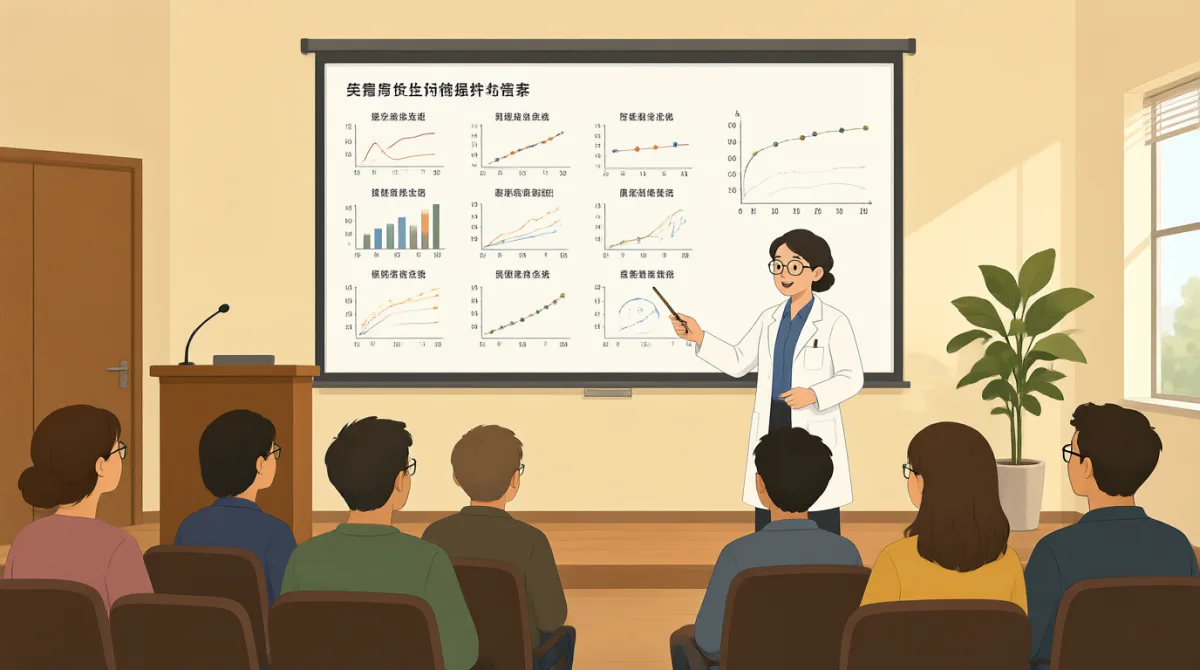

Good morning, everyone. Thank you for attending today's presentation. My name is Dr. David Chen, and I'm a senior researcher at the Institute for Advanced Materials. Today, I'll be presenting our latest findings on the 'Synthesis and Characterization of Novel Perovskite Solar Cells'.
صباح الخير جميعًا. شكرًا لحضوركم عرض اليوم. اسمي الدكتور ديفيد تشين، وأنا باحث أول في معهد المواد المتقدمة. سأعرض عليكم اليوم أحدث نتائجنا حول «تصنيع خلايا شمسية جديدة من البيروفسكايت وتوصيفها».
To begin, let's briefly look at the current landscape of solar energy and the limitations of traditional silicon-based photovoltaic devices. Our research aims to address these challenges by exploring the potential of perovskite materials.
للبدء، دعونا نلقِ نظرة سريعة على واقع الطاقة الشمسية حاليًا، وعلى محدوديات الأجهزة الكهروضوئية التقليدية القائمة على السيليكون. يهدف بحثنا إلى التصدي لهذه التحديات من خلال استكشاف إمكانات مواد البيروفسكايت.
As you can see from this slide, our optimized synthesis method has significantly improved the power conversion efficiency to a record 24.5%, while also demonstrating remarkable long-term stability under humid conditions. These results are incredibly promising.
كما ترون في هذه الشريحة، حسّنت طريقة التصنيع المُحسّنة لدينا كفاءة تحويل الطاقة تحسنًا كبيرًا، لتصل إلى مستوى قياسي قدره 24.5%، مع إظهار ثبات ملحوظ على المدى الطويل في ظروف رطوبة عالية. هذه النتائج واعدة للغاية.

Dr. Chen, fantastic presentation. I have a question regarding the stability data you presented. Could you elaborate on the specific environmental conditions used for the long-term stability testing, especially concerning temperature fluctuations?
دكتور تشين، كان العرض رائعًا. لدي سؤال عن بيانات الثبات التي عرضتها. هل يمكن أن توضح الظروف البيئية المحددة التي استُخدمت لاختبار الثبات طويل الأمد، ولا سيما فيما يتعلق بتقلبات درجات الحرارة؟
Thank you for the excellent question. We conducted the stability tests under a controlled environment with relative humidity maintained at 85% and temperature cycled between 25 and 60 degrees Celsius over a 1000-hour period. We also performed accelerated aging tests, but those data are for a follow-up publication.
شكرًا على هذا السؤال الممتاز. أجرينا اختبارات الثبات في بيئة مضبوطة، مع الحفاظ على الرطوبة النسبية عند 85% وتغيير درجة الحرارة دوريًا بين 25 و60 درجة مئوية على مدى 1000 ساعة. كما أجرينا اختبارات للشيخوخة المُسرّعة، لكن بياناتها ستُنشر في بحث لاحق.

Following up on that, did you observe any material degradation or morphological changes after the long-term stability tests that might account for the slight reduction in efficiency seen at the very end of your data set?
ومتابعةً لذلك، هل لاحظتم أي تدهور في المادة أو تغيرات شكلية بعد اختبارات الثبات طويل الأمد، مما قد يفسر الانخفاض الطفيف في الكفاءة الذي ظهر في نهاية مجموعة البيانات؟
That's a very keen observation. We did indeed notice some minor recrystallization at the grain boundaries, which we believe contributes to that slight drop. Further work is underway to mitigate this issue through interface engineering. Does that address your question?
هذه ملاحظة دقيقة جدًا. لاحظنا بالفعل بعض إعادة التبلور الطفيفة عند حدود الحبيبات، ونعتقد أنها تسهم في ذلك الانخفاض الطفيف. ونعمل حاليًا على مزيد من الدراسات للتخفيف من هذه المشكلة من خلال هندسة الواجهات. هل أجاب ذلك عن سؤالك؟
Yes, completely. Thank you.
نعم، تمامًا. شكرًا لك.
Are there any other questions from the audience? If not, I'd like to thank you all again for your time and attention. We look forward to sharing more updates on this research in the near future.
هل لدى الجمهور أي أسئلة أخرى؟ إن لم تكن هناك أسئلة، أود أن أشكركم جميعًا مرة أخرى على وقتكم واهتمامكم. نتطلع إلى مشاركة المزيد من مستجدات هذا البحث في المستقبل القريب.
المفردات8
- presentationعرض تقديمي
A formal talk given to an audience about a topic, often using slides, like in a conference or class.
حديث رسمي يُقدَّم أمام جمهور حول موضوع معين، وغالبًا ما تُستخدم فيه شرائح، كما في مؤتمر أو صف دراسي.
- findingsنتائج
The results or discoveries from research or an investigation, useful when sharing what you learned.
ما يُسفر عنه البحث أو الاستقصاء من نتائج أو اكتشافات، وتُستخدم الكلمة عند عرض ما توصلت إليه.
- synthesisتصنيع
The process of combining things to create something new, often used in science for making materials.
عملية دمج عناصر لإنتاج شيء جديد، ويشيع استخدامها في العلوم لوصف تحضير المواد.
- efficiencyكفاءة
How well something works or uses resources, like the percentage of energy converted in solar cells.
مدى جودة أداء شيء ما أو استخدامه للموارد، مثل نسبة الطاقة التي تحولها الخلايا الشمسية.
- stabilityثبات
The ability to stay the same over time without breaking down, important in testing materials.
القدرة على البقاء على الحالة نفسها بمرور الوقت من دون أن يتدهور الشيء، وهي مهمة عند اختبار المواد.
- elaborateيوضّح بالتفصيل
To explain something in more detail, often used when answering questions politely.
يشرح شيئًا بمزيد من التفصيل، ويُستخدم غالبًا عند الإجابة عن الأسئلة بأدب.
- degradationتدهور
The process of something getting worse or breaking down over time, like material wear.
عملية تفاقم حالة شيء ما أو تحلله بمرور الوقت، مثل تآكل المواد.
- mitigateيخفّف
To make a problem less severe or reduce its effects, common in research discussions.
يجعل المشكلة أقل حدة أو يقلل آثارها، ويشيع استخدامه في مناقشات الأبحاث.
الجمل الأساسية8
- 1
Good morning, everyone. Thank you for attending today's presentation.
صباح الخير جميعًا. شكرًا لحضوركم عرض اليوم.
This is a polite way to start a formal talk; it greets the audience and shows appreciation. Use it at the beginning of presentations to set a professional tone. Grammar note: 'Thank you for + gerund (attending)' expresses gratitude for an action.
هذه طريقة مهذبة لبدء حديث رسمي؛ فهي تحيي الجمهور وتعبر عن التقدير. استخدمها في بداية العروض لإضفاء طابع مهني. ملاحظة نحوية: تعبّر 'Thank you for + gerund (attending)' عن الامتنان لقيام شخص بفعل ما.
- 2
Today, I'll be presenting our latest findings on the 'Synthesis and Characterization of Novel Perovskite Solar Cells'.
سأعرض عليكم اليوم أحدث نتائجنا حول «تصنيع خلايا شمسية جديدة من البيروفسكايت وتوصيفها».
Introduces the topic clearly; useful for academic talks to outline what you'll cover. 'I'll be presenting' uses future continuous tense to describe a planned action. Practice this to announce your presentation topic confidently.
تقدّم هذه العبارة الموضوع بوضوح، وهي مفيدة في العروض الأكاديمية لتوضيح ما ستتناوله. تُستخدم صيغة المستقبل المستمر 'I'll be presenting' لوصف فعل مخطط له. تدرّب على هذه العبارة لتعلن موضوع عرضك بثقة.
- 3
Our research aims to address these challenges by exploring the potential of perovskite materials.
يهدف بحثنا إلى التصدي لهذه التحديات من خلال استكشاف إمكانات مواد البيروفسكايت.
Explains the purpose of research; helpful for showing how your work solves problems. 'Aims to + verb' indicates goal or intention. Use in presentations to connect background to your study.
توضح هذه العبارة الغرض من البحث، وتفيد في بيان كيفية معالجة عملك للمشكلات. تشير صيغة 'Aims to + verb' إلى هدف أو نية. استخدمها في العروض للربط بين الخلفية ودراستك.
- 4
Could you elaborate on the specific environmental conditions used for the long-term stability testing?
هل يمكن أن توضح الظروف البيئية المحددة التي استُخدمت لاختبار الثبات طويل الأمد؟
A polite question to ask for more details during Q&A; shows interest. 'Could you + verb' is a formal request. Ideal for academic audiences to seek clarification without being direct.
هذا سؤال مهذب لطلب مزيد من التفاصيل خلال فقرة الأسئلة والأجوبة، ويُظهر الاهتمام. تُعد صيغة 'Could you + verb' طلبًا رسميًا. وهي مناسبة للجمهور الأكاديمي لطلب التوضيح من دون أن يكون السؤال مباشرًا أكثر من اللازم.
- 5
Thank you for the excellent question.
شكرًا على هذا السؤال الممتاز.
Acknowledges a question positively; builds rapport in discussions. Use this response to start answering, making the asker feel valued. It's a common phrase in formal settings.
تُظهر هذه العبارة تقديرًا إيجابيًا للسؤال، وتساعد على بناء علاقة طيبة في النقاش. ابدأ بها إجابتك ليشعر السائل بأن سؤاله محل تقدير. وهي عبارة شائعة في المواقف الرسمية.
- 6
We did indeed notice some minor recrystallization at the grain boundaries, which we believe contributes to that slight drop.
لاحظنا بالفعل بعض إعادة التبلور الطفيفة عند حدود الحبيبات، ونعتقد أنها تسهم في ذلك الانخفاض الطفيف.
Provides detailed response with evidence; useful for explaining results. 'Which' clause adds reason. Use in Q&A to address observations thoughtfully.
تقدّم هذه العبارة إجابة مفصلة تستند إلى أدلة، وتفيد في شرح النتائج. وتضيف جملة 'Which' سببًا أو تفسيرًا. استخدم هذا الأسلوب في فقرة الأسئلة والأجوبة للرد على الملاحظات بتأنٍ.
- 7
Further work is underway to mitigate this issue through interface engineering.
نعمل حاليًا على مزيد من الدراسات للتخفيف من هذه المشكلة من خلال هندسة الواجهات.
Describes ongoing efforts; shows research is active. 'Is underway' means in progress. Good for ending answers by mentioning future plans.
تصف هذه العبارة جهودًا مستمرة، وتُظهر أن البحث لا يزال جاريًا. وتعني 'Is underway' أن العمل قيد التنفيذ. وهي مفيدة لإنهاء الإجابة بذكر الخطط المستقبلية.
- 8
Are there any other questions from the audience? If not, I'd like to thank you all again for your time and attention.
هل لدى الجمهور أي أسئلة أخرى؟ إن لم تكن هناك أسئلة، أود أن أشكركم جميعًا مرة أخرى على وقتكم واهتمامكم.
Closes Q&A and presentation; polite way to wrap up. Conditional 'if not' handles two possibilities. Use this to transition to ending and express thanks.
تختتم هذه العبارة فقرة الأسئلة والأجوبة والعرض، وهي طريقة مهذبة لإنهائه. وتتيح العبارة الشرطية 'if not' التعامل مع احتمالين. استخدمها للانتقال إلى الختام والتعبير عن الشكر.