Initial Approach: Gentle Request
প্রথমে কথা বলা: বিনীত অনুরোধ
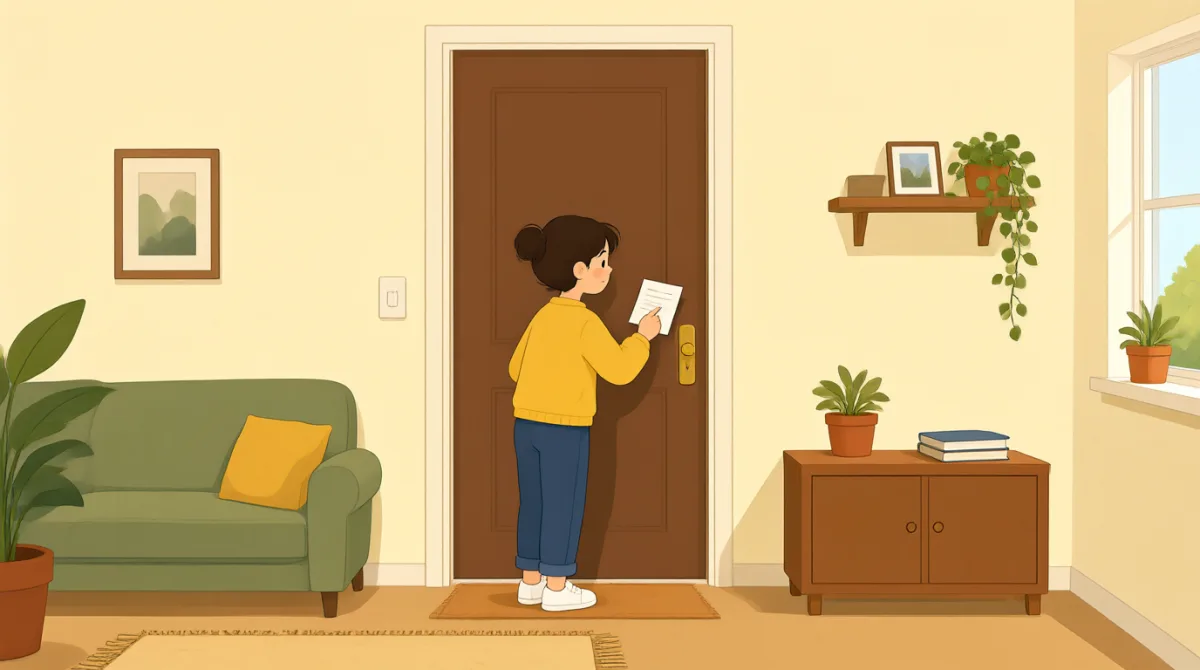
You notice persistent noise (e.g., loud music, stomping) from a neighbor and decide to politely knock on their door or leave a friendly note to ask them to keep the noise down.
আপনি প্রতিবেশীর কাছ থেকে একটানা শব্দ—যেমন জোরে গান বা ভারী পায়ে হাঁটার আওয়াজ—শুনতে পান। শব্দ কমানোর অনুরোধ জানাতে আপনি ভদ্রভাবে তাঁর দরজায় কড়া নাড়েন বা বন্ধুত্বপূর্ণ একটি চিরকুট রেখে আসেন।
সংলাপ8

Hi, I'm Emma, your neighbor from downstairs.
হ্যালো, আমি এমা, নিচতলার আপনার প্রতিবেশী।

Oh, hi Emma. Jack, nice to meet you. Is everything okay?
ওহ, হ্যালো এমা। আমি জ্যাক। পরিচিত হয়ে ভালো লাগল। সব ঠিক আছে তো?
Yes, mostly. I just wanted to gently mention that for the past few evenings, there's been some rather loud music or stomping sounds coming from upstairs. It's making it a bit hard to relax.
হ্যাঁ, মোটামুটি। শুধু আলতো করে জানাতে চেয়েছিলাম, গত কয়েক সন্ধ্যায় ওপরতলা থেকে বেশ জোরে গান বা ভারী পায়ে হাঁটার আওয়াজ আসছে। এতে একটু আরাম করতে অসুবিধা হচ্ছে।
Oh, I'm so sorry! I had no idea it was bothering you. We've been trying to keep things down, but sometimes we get carried away. Is there a specific time it's worst?
ওহ, আমি সত্যিই দুঃখিত! বুঝতেই পারিনি যে এতে আপনার অসুবিধা হচ্ছে। আমরা শব্দ কম রাখার চেষ্টা করছি, তবে কখনো কখনো খেয়াল থাকে না। কোন সময়ে সবচেয়ে বেশি হয়?
It's usually been in the late evenings, around 9 or 10 PM. I understand things happen, but if you could just be a little more mindful during those hours, it would be a great help.
সাধারণত সন্ধ্যা অনেকটা গড়িয়ে গেলে, রাত ৯টা বা ১০টার দিকে হয়। বুঝতে পারি, এমনটা হতেই পারে, তবে ওই সময়গুলোতে একটু বেশি খেয়াল রাখলে খুব উপকার হবে।
Absolutely, I completely understand. We'll definitely try to be more careful, especially in the evenings. Thanks for letting me know directly instead of letting it build up.
অবশ্যই, আমি পুরোপুরি বুঝতে পারছি। আমরা অবশ্যই আরও সতর্ক থাকার চেষ্টা করব, বিশেষ করে সন্ধ্যায়। জমতে দেওয়ার বদলে সরাসরি আমাকে জানানোর জন্য ধন্যবাদ।
No problem! I appreciate your understanding. I just wanted to address it friendly.
কোনো সমস্যা নেই! বুঝতে পারার জন্য ধন্যবাদ। আমি শুধু বিষয়টা বন্ধুত্বপূর্ণভাবে বলতে চেয়েছিলাম।
Of course. Again, really sorry for the disturbance. We'll be more mindful from now on.
অবশ্যই। আবারও, বিরক্ত করার জন্য সত্যিই দুঃখিত। এখন থেকে আমরা আরও খেয়াল রাখব।
শব্দভান্ডার10
- neighborপ্রতিবেশী
A person who lives next to you or in the same building. In English-speaking cultures, neighbors often communicate politely about shared issues like noise to keep good relations.
আপনার পাশের বাড়িতে বা একই ভবনে থাকেন এমন একজন ব্যক্তি। ইংরেজিভাষী সংস্কৃতিতে, ভালো সম্পর্ক বজায় রাখতে প্রতিবেশীরা শব্দের মতো সবার ওপর প্রভাব ফেলে এমন বিষয় নিয়ে প্রায়ই ভদ্রভাবে কথা বলেন।
- downstairsনিচতলায়
On a lower floor in a building. Use this to describe your location relative to someone else's apartment, like 'the apartment downstairs' when noise comes from above.
কোনো ভবনের নিচের তলায়। অন্য কারও অ্যাপার্টমেন্টের তুলনায় আপনার অবস্থান বোঝাতে এটি ব্যবহার করুন। ওপর থেকে শব্দ এলে “the apartment downstairs” (নিচতলার অ্যাপার্টমেন্ট) বলা যায়।
- gentlyআলতোভাবে
In a soft, careful, or mild way, without being direct or rude. It's useful for starting a complaint politely to avoid conflict.
নরম, সতর্ক বা মৃদুভাবে—সরাসরি বা অভদ্র না হয়ে। বিরোধ এড়াতে কোনো অভিযোগ ভদ্রভাবে শুরু করার সময় এটি কাজে লাগে।
- mentionউল্লেখ করা
To refer to something briefly or casually. In conversations, say 'I just wanted to mention' to bring up a problem without sounding accusatory.
কোনো বিষয় সংক্ষেপে বা সহজভাবে বলা। কাউকে দোষারোপ না করে কোনো সমস্যা তুলতে কথোপকথনে “I just wanted to mention” (আমি শুধু বিষয়টা উল্লেখ করতে চেয়েছিলাম) বলতে পারেন।
- stompingভারী পায়ে হাঁটা
Walking heavily with loud steps that make noise. Common in apartment complaints; describe sounds like 'stomping sounds' to explain the issue clearly.
জোরে শব্দ হয় এমনভাবে ভারী পা ফেলে হাঁটা। অ্যাপার্টমেন্টের শব্দ নিয়ে অভিযোগে এটি প্রায়ই ব্যবহৃত হয়; সমস্যাটি স্পষ্ট করে বোঝাতে “stomping sounds” (ভারী পায়ে হাঁটার আওয়াজ) বলতে পারেন।
- relaxআরাম করা
To rest and feel calm, especially after work. When complaining about noise, you can say it's hard to relax to show how it affects your daily life.
বিশ্রাম নিয়ে শান্ত বোধ করা, বিশেষ করে কাজের পর। শব্দ নিয়ে অভিযোগের সময়, তা আপনার দৈনন্দিন জীবনে কী প্রভাব ফেলছে তা জানাতে বলতে পারেন যে আরাম করা কঠিন হচ্ছে।
- botheringবিরক্ত করা
Causing annoyance or disturbance to someone. Use in apologies like 'I'm sorry it's bothering you' to show empathy in neighbor disputes.
কাউকে বিরক্ত বা অস্বস্তিতে ফেলা। প্রতিবেশীদের মধ্যে কোনো বিরোধে সহমর্মিতা দেখাতে “I'm sorry it's bothering you” (এতে আপনার বিরক্তি হচ্ছে, দুঃখিত) বলে ক্ষমা চাইতে পারেন।
- carried awayমাতোয়ারা হয়ে যাওয়া
To become so excited or involved that you forget about others or time. It's a common idiom for explaining why noise happens, like during parties.
এতটাই উত্তেজিত বা মগ্ন হয়ে পড়া যে অন্যদের কথা বা সময়ের কথা খেয়াল থাকে না। পার্টির সময় শব্দ কেন হয়, তা বোঝাতে এই প্রচলিত বাগ্ধারাটি ব্যবহার করা যায়।
- mindfulসচেতন
Being careful and aware of your actions and their effects on others. Request someone to 'be more mindful' as a polite way to ask for quieter behavior.
নিজের আচরণ ও তা অন্যদের ওপর কী প্রভাব ফেলে সে বিষয়ে সতর্ক ও সচেতন থাকা। কাউকে “be more mindful” (আরও খেয়াল রাখতে) বলা কম শব্দ করার জন্য ভদ্রভাবে অনুরোধ করার একটি উপায়।
- disturbanceবিঘ্ন
An interruption or annoyance, like noise that bothers people. Formal but useful in complaints; say 'sorry for the disturbance' to apologize sincerely.
শব্দের মতো কোনো বাধা বা বিরক্তির কারণ। অভিযোগের ক্ষেত্রে এটি একটু আনুষ্ঠানিক, তবে কাজে লাগে; আন্তরিকভাবে ক্ষমা চাইতে “sorry for the disturbance” (বিঘ্ন ঘটানোর জন্য দুঃখিত) বলতে পারেন।
গুরুত্বপূর্ণ বাক্য10
- 1
Hi, I'm Emma, your neighbor from downstairs.
হ্যালো, আমি এমা, নিচতলার আপনার প্রতিবেশী।
This is a polite introduction when approaching a neighbor. It uses 'your neighbor from downstairs' to specify location and build rapport. Useful for starting any neighborly conversation; practice simple self-introduction with location for clarity.
প্রতিবেশীর সঙ্গে কথা বলতে এগিয়ে যাওয়ার সময় এটি ভদ্রভাবে পরিচয় দেওয়ার একটি উপায়। “your neighbor from downstairs” দিয়ে আপনার অবস্থান বোঝানো হয় এবং আন্তরিকতা তৈরি হয়। প্রতিবেশীর সঙ্গে যেকোনো কথাবার্তা শুরু করতে এটি কাজে লাগে; নিজের পরিচয় ও অবস্থান সংক্ষেপে জানালে কথা স্পষ্ট হয়।
- 2
I just wanted to gently mention that...
আমি শুধু আলতো করে জানাতে চেয়েছিলাম যে...
A soft way to raise an issue without blame. 'Gently mention' softens the complaint, and the structure 'I just wanted to [verb]' expresses hesitation politely. Ideal for intermediate learners to handle sensitive topics like noise; note the adverb 'gently' for mild tone.
দোষারোপ না করে কোনো সমস্যা তোলার এটি একটি কোমল উপায়। “Gently mention” অভিযোগের সুর নরম করে, আর “I just wanted to [verb]” গঠনটি দ্বিধা প্রকাশের পাশাপাশি ভদ্রতা বজায় রাখে। শব্দের মতো স্পর্শকাতর বিষয় সামলাতে এটি মধ্যম-স্তরের শিক্ষার্থীদের জন্য আদর্শ; “gently” ক্রিয়াবিশেষণটি কথার মৃদু সুর তৈরি করে।
- 3
There's been some rather loud music or stomping sounds coming from upstairs.
ওপরতলা থেকে বেশ জোরে গান বা ভারী পায়ে হাঁটার আওয়াজ আসছে।
Describes the problem factually. 'Rather loud' means quite loud, and 'coming from upstairs' specifies the source. This sentence pattern is useful for reporting issues objectively; it uses present perfect 'has been' for ongoing actions over time.
এটি সমস্যাটি নিরপেক্ষভাবে বর্ণনা করে। “Rather loud” মানে বেশ জোরে, আর “coming from upstairs” শব্দের উৎস বোঝায়। কোনো সমস্যা নিরপেক্ষভাবে জানাতে এই বাক্যগঠন কাজে লাগে; “has been” বর্তমান পারফেক্টে অতীত থেকে চলতে থাকা বিষয় বোঝায়।
- 4
It's making it a bit hard to relax.
এতে একটু আরাম করতে অসুবিধা হচ্ছে।
Explains the impact on you. 'Making it hard to [verb]' shows cause and effect simply. 'A bit' softens the complaint. Great for expressing how noise affects daily life; teaches gerund 'relaxing' after 'hard to'.
এটি আপনার ওপর সমস্যাটির প্রভাব বোঝায়। “Making it hard to [verb]” সহজভাবে কারণ ও ফল প্রকাশ করে। “A bit” অভিযোগের সুর নরম করে। শব্দ দৈনন্দিন জীবনে কী প্রভাব ফেলে তা জানাতে এটি দারুণ কাজে লাগে; “hard to”-এর পরে “relaxing” gerund ব্যবহারের বিষয়টিও শেখায়।
- 5
Oh, I'm so sorry! I had no idea it was bothering you.
ওহ, আমি সত্যিই দুঃখিত! বুঝতেই পারিনি যে এতে আপনার অসুবিধা হচ্ছে।
A standard apology response. 'I'm so sorry' expresses regret strongly, and 'I had no idea' shows surprise. Use this when someone points out your mistake; past perfect 'had no idea' indicates prior unawareness.
ক্ষমা চাওয়ার একটি প্রচলিত জবাব। “I'm so sorry” গভীর দুঃখ প্রকাশ করে, আর “I had no idea” বিস্ময় বোঝায়। কেউ আপনার ভুলের কথা জানালে এটি ব্যবহার করুন; “had no idea” past perfect-এ আগে থেকে কিছু না জানার বিষয়টি প্রকাশ করে।
- 6
We've been trying to keep things down, but sometimes we get carried away.
আমরা শব্দ কম রাখার চেষ্টা করছি, তবে কখনো কখনো আমাদের খেয়াল থাকে না।
Explains efforts and excuses mildly. 'Keep things down' means lower volume; 'get carried away' is an idiom for losing control. Useful for responding to complaints; present continuous 'we've been trying' shows ongoing effort.
এতে চেষ্টা করার কথা বলা হয় এবং হালকাভাবে কারণও বোঝানো হয়। “Keep things down” মানে শব্দের মাত্রা কম রাখা; “get carried away” এমন একটি বাগ্ধারা, যার অর্থ নিয়ন্ত্রণ হারিয়ে ফেলা। অভিযোগের জবাব দিতে এটি কাজে লাগে; “we've been trying” বর্তমান পারফেক্ট কন্টিনিউয়াসে চলমান চেষ্টা বোঝায়।
- 7
If you could just be a little more mindful during those hours, it would be a great help.
ওই সময়গুলোতে একটু বেশি খেয়াল রাখলে খুব উপকার হবে।
A conditional request for change. 'If you could [verb]' is polite for suggestions; 'a little more' means slightly increased. Perfect for neighbor solutions; teaches conditional 'would be' for hypothetical politeness.
পরিবর্তনের জন্য এটি শর্তসাপেক্ষ অনুরোধ। “If you could [verb]” পরামর্শ দেওয়ার ভদ্র উপায়; “a little more” মানে সামান্য বেশি। প্রতিবেশীদের মধ্যে সমাধান খুঁজতে এটি একদম উপযুক্ত; ভদ্রভাবে কাল্পনিক পরিস্থিতি বোঝাতে “would be” শর্তসূচক গঠনটি শেখায়।
- 8
Thanks for letting me know directly instead of letting it build up.
বিষয়টা জমতে দেওয়ার বদলে সরাসরি আমাকে জানানোর জন্য ধন্যবাদ।
Shows appreciation for communication. 'Letting me know directly' means telling face-to-face; 'build up' means worsen over time. Use to encourage open dialogue; gerund 'letting' after preposition 'for'.
এতে খোলাখুলি কথা বলার জন্য কৃতজ্ঞতা প্রকাশ করা হয়। “Letting me know directly” মানে মুখোমুখি জানানো; “build up” মানে সময়ের সঙ্গে সমস্যা বেড়ে যাওয়া। খোলামেলা কথাবার্তায় উৎসাহ দিতে এটি ব্যবহার করুন; “for” preposition-এর পরে “letting” gerund হিসেবে এসেছে।
- 9
No problem! I appreciate your understanding.
কোনো সমস্যা নেই! আপনার বোঝাপড়ার জন্য ধন্যবাদ।
A friendly close to the talk. 'No problem' means it's okay; 'I appreciate' expresses thanks. Common in positive resolutions; teaches verb 'appreciate' with gerund 'your understanding' for gratitude.
কথোপকথন শেষ করার একটি বন্ধুত্বপূর্ণ উপায়। “No problem” মানে ঠিক আছে; “I appreciate” কৃতজ্ঞতা প্রকাশ করে। ইতিবাচক সমাধানের ক্ষেত্রে এটি প্রচলিত; কৃতজ্ঞতা বোঝাতে “appreciate” ক্রিয়ার পরে “your understanding” gerund-সহ ব্যবহৃত হয়।
- 10
Again, really sorry for the disturbance. We'll be more mindful from now on.
আবারও, বিরক্ত করার জন্য সত্যিই দুঃখিত। এখন থেকে আমরা আরও খেয়াল রাখব।
Reiterates apology and promise. 'Again' emphasizes repetition; 'from now on' means starting immediately. Useful ending for complaints; future 'will be' for commitments, and 'mindful' reinforces awareness.
এতে আবার ক্ষমা চাওয়া এবং প্রতিশ্রুতি দেওয়া হয়। “Again” পুনরাবৃত্তির ওপর জোর দেয়; “from now on” মানে এখন থেকে। অভিযোগের কথাবার্তা শেষ করতে এটি কাজে লাগে; ভবিষ্যৎ প্রতিশ্রুতি জানাতে “will be” ব্যবহৃত হয়েছে, আর “mindful” শব্দটি সচেতন থাকার বিষয়টি তুলে ধরে।