Agreeing on a Better Way Forward
商量今后如何避免重蹈覆辙
Emma and Jack agree to confirm important plans and let each other know as early as possible if something changes. They talk about how to bring up frustrations before they build into another argument.
Emma和Jack约定确认重要安排,并在计划有变时尽早告知对方。他们还商量如何及时说出不满,避免情绪积累后再次争吵。
对话10
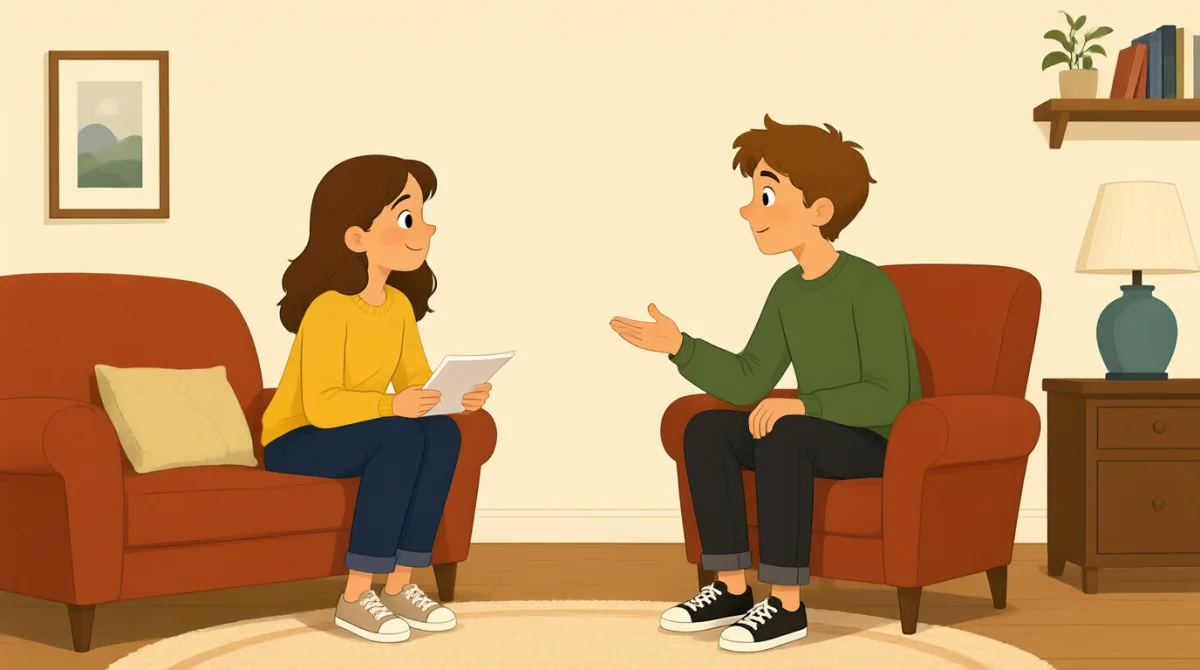

I’m glad we’re talking about what to do differently. I don’t want us to keep revisiting the argument every time one of us feels let down.
我很高兴我们在讨论以后怎么做得更好。我不希望我们每次有人失望时,都把那场争吵重新翻出来。

Me neither. Could we agree to confirm plans that really matter, maybe the day before? That way, we can catch a misunderstanding before it turns into a missed evening.
我也不想。重要的安排,我们能不能约好提前一天确认一下?这样如果有误会,我们还能及时发现,不至于错过整个晚上。
That sounds reasonable. And if something changes, I’d rather hear about it as soon as you know, even if you’re still figuring out the details.
听起来挺合理的。如果情况有变,我希望你一知道就告诉我,哪怕你还没弄清楚具体安排也没关系。
I can do that. I sometimes put off sending a message because I think I need a complete solution first, but I can see how that leaves you in the dark.
我可以做到。我有时会拖着不发消息,因为觉得得先想出完整的解决办法。但我明白,这样会让你什么都不知道。
And I’ll try to bring things up earlier, before I’ve been sitting with them for hours. I don’t want frustration to build until it comes out sharper than I mean it to.
我也会尽量早点把问题说出来,不再自己憋上好几个小时。我不想让不满越积越多,最后说出口的话比本意更伤人。
That would help. Maybe we can say, “Something’s bothering me—can we talk about it?” That feels less like an accusation and more like an invitation to sort it out.
这样会有帮助。要不我们可以说:“有件事让我有点不舒服,我们能聊聊吗?”这样听起来不像在指责对方,更像是邀请彼此一起解决问题。
I like that. And if one of us isn’t ready to talk right away, we can say so and suggest a time to come back to it, instead of just going quiet.
我喜欢这个办法。如果有一方暂时还没准备好谈,可以直接说出来,再约个时间继续聊,而不是一声不吭。
Agreed. I don’t expect us to get everything right, but I want us to be more upfront and give each other the benefit of the doubt when we can.
说好了。我不指望我们事事都做对,但我希望我们能更坦诚一些,也尽可能多给彼此一点信任。
I want that too. Let’s try these things and check in after a few weeks to see whether they’re working for both of us.
我也希望这样。我们先试试这些做法,过几周再聊聊,看看对我们俩是不是都有用。
Deal. And if I forget to confirm, you can remind me without having to soften it into a hint. I’ll do my best to listen instead of getting defensive.
一言为定。如果我忘了确认,你可以直接提醒我,不用拐弯抹角地暗示。我会尽量认真听,不再立刻摆出防御姿态。
词汇5
- keep revisiting the argument反复提起那场争吵
To keep bringing up the same disagreement again and again. It suggests the speakers want to resolve the issue rather than repeatedly return to it.
指一再提起同一场争执。这个说法暗示,说话的人希望解决问题,而不是反复翻旧账。
- confirm plans确认安排
To check and make sure an arrangement is still happening. You can use this phrase when agreeing on plans that are important to you.
指确认某项安排是否仍会照常进行。讨论对你很重要的计划时,可以用这个说法。
- bring things up提起某件事
To start talking about a subject, especially a concern or problem. You can bring something up early to discuss it before it becomes more serious.
指开始谈论某个话题,尤其是顾虑或问题。你可以尽早提起某件事,在它变得更严重之前讨论清楚。
- build until it comes out sharper than I mean it to越积越多,最后说出口的话比本意更伤人
To grow stronger over time and eventually come out in a harsher way than intended. This phrase describes how unspoken frustration can affect the way someone speaks.
指某种情绪随着时间越来越强烈,最后以比原本打算更尖锐的方式表达出来。这个说法描述了没有说出口的不满如何影响一个人的说话方式。
- give each other the benefit of the doubt尽量往好处想
To assume that someone had good intentions rather than immediately thinking the worst. This can help people respond more generously when something goes wrong.
指先假设对方是出于好意,而不是立刻往最坏处想。出了问题时,这样能让人更宽容地回应对方。
重点句子8
- 1
Could we agree to confirm plans that really matter, maybe the day before?
我们能不能约好确认那些特别重要的安排,比如提前一天确认?
This is a polite way to suggest a practical agreement. Reuse “Could we agree to…” when you want to propose a shared routine or expectation.
这是礼貌地提出一个切实可行的约定。想提议共同遵守某种习惯或约定时,可以套用 “Could we agree to…”(我们能不能约好……)。
- 2
And if something changes, I’d rather hear about it as soon as you know, even if you’re still figuring out the details.
如果情况有变,我希望你一知道就告诉我,哪怕你还在弄清楚具体细节也没关系。
This clearly explains what kind of update would help and allows for uncertainty. Reuse “I’d rather hear about it…” to express a communication preference.
这句话清楚地说明了你希望对方怎样告知你,同时也考虑到了情况可能还不确定。想表达自己偏好的沟通方式时,可以套用 “I’d rather hear about it…”(我更希望能听你说……)。
- 3
I sometimes put off sending a message because I think I need a complete solution first, but I can see how that leaves you in the dark.
我有时会拖着不发消息,因为觉得得先想出完整的解决办法,但我明白,这样会让你什么都不知道。
This sentence explains a habit, acknowledges its effect on another person, and shows understanding. It is useful for taking responsibility without making excuses.
这句话解释了一种习惯,承认它对另一个人的影响,也表明自己理解对方的感受。它适合用来承担责任,而不是为自己找借口。
- 4
And I’ll try to bring things up earlier, before I’ve been sitting with them for hours.
我也会尽量早点把问题说出来,不再自己憋上好几个小时。
This is a constructive way to commit to changing a behavior. Reuse “I’ll try to… earlier” when you want to discuss how you will handle a problem differently.
这是一种积极的表达方式,表示自己愿意改变做法。想谈自己以后会如何更早处理问题时,可以套用 “I’ll try to… earlier”(我会尽量早点……)。
- 5
Maybe we can say, “Something’s bothering me—can we talk about it?”
要不我们可以说:“有件事让我有点不舒服,我们能聊聊吗?”
This offers a direct but non-accusatory way to start a difficult conversation. You can use the question to raise a concern while inviting the other person to talk.
这句话提供了一种直接但不带指责的方式,来开启一场不太容易的对话。你可以用这个问句提出顾虑,同时邀请对方一起聊聊。
- 6
And if one of us isn’t ready to talk right away, we can say so and suggest a time to come back to it, instead of just going quiet.
如果我们其中一方暂时还没准备好谈,也可以直接说出来,再约个时间继续聊,而不是一声不吭。
This sentence sets a considerate boundary while keeping the conversation open. Reuse “suggest a time to come back to it” when you need a pause but still want to resolve an issue.
这句话既设定了体贴对方的界限,也让对话能够继续。需要暂停一下,但仍想解决问题时,可以套用 “suggest a time to come back to it”(约个时间再接着谈)。
- 7
I don’t expect us to get everything right, but I want us to be more upfront and give each other the benefit of the doubt when we can.
我不指望我们事事都做对,但我希望我们能更坦诚一些,也尽可能多给彼此一点信任。
This balances realistic expectations with a clear goal for the relationship. It is useful when agreeing to improve communication without expecting perfection.
这句话既表达了现实的期待,也清楚说明了改善关系的目标。它适合用来商量如何改善沟通,同时不要求彼此做到完美。
- 8
Let’s try these things and check in after a few weeks to see whether they’re working for both of us.
我们先试试这些做法,过几周再聊聊,看看对我们俩是不是都有用。
This proposes a practical follow-up and makes the agreement something both people can review. Reuse “check in after…” when you want to revisit a plan after some time.
这句话提出了切实可行的后续安排,也让双方都能回头看看这个约定是否有效。想表达过一段时间后再回顾某个计划时,可以套用 “check in after…”(过……之后再聊聊)。