Late-Night Calls When You Need Sleep
โทรดึกตอนที่คุณต้องนอน
Leo calls Emma late at night to talk through another problem. Emma tells him she cares about him, but asks him to check first and avoid calling after a set time unless it’s an emergency.
เลโอโทรหาเอ็มมาตอนดึกเพื่อปรึกษาปัญหาอีกเรื่องหนึ่ง เอ็มมาบอกเขาว่าเธอเป็นห่วงเขา แต่ขอให้เขาถามเธอก่อน และหลีกเลี่ยงการโทรหลังเวลาที่กำหนด เว้นแต่จะเป็นเหตุฉุกเฉิน
บทสนทนา10
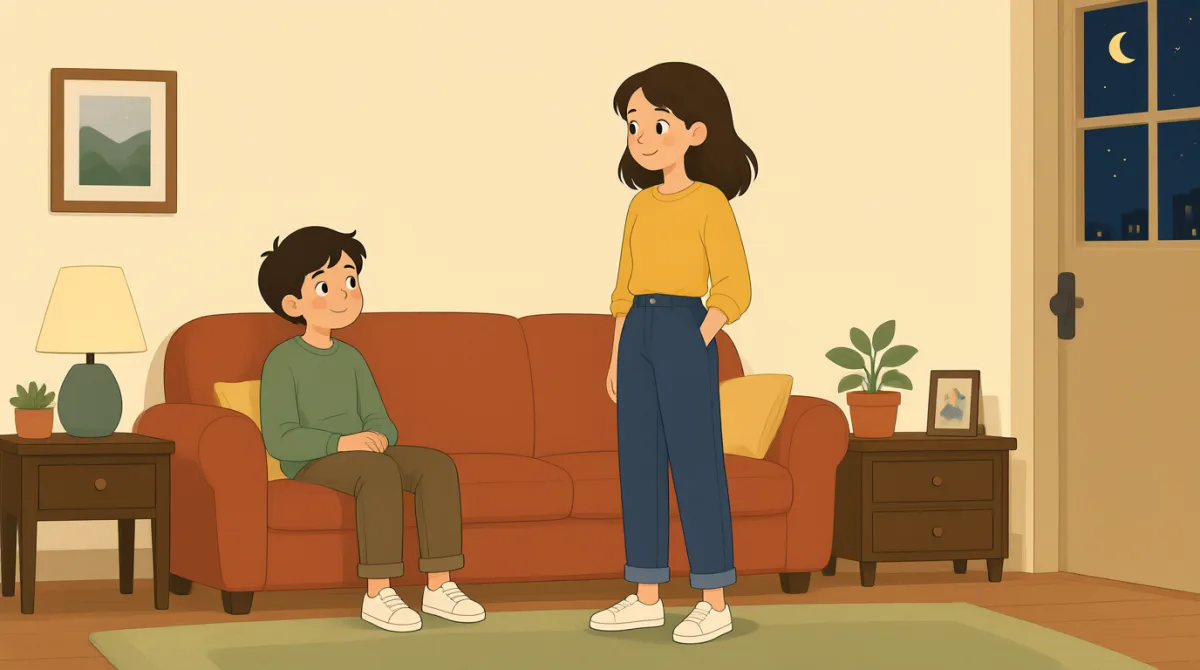

Emma, sorry to call so late. I know it’s almost midnight, but I’ve had another rough day and really need to talk this through with someone.
เอ็มมา ขอโทษที่โทรมาดึกขนาดนี้นะ ฉันรู้ว่าเกือบเที่ยงคืนแล้ว แต่วันนี้ฉันเจอเรื่องหนัก ๆ มาอีกวัน และอยากคุยเรื่องนี้กับใครสักคนจริง ๆ

I’m sorry things have been rough, Leo. I care about you, and I want to be there for you, but I have to be up early and can’t talk tonight.
ฉันเสียใจด้วยนะที่ช่วงนี้เธอต้องเจอแต่เรื่องหนัก ๆ เลโอ ฉันเป็นห่วงเธอและอยากอยู่ข้าง ๆ เธอนะ แต่พรุ่งนี้ฉันต้องตื่นเช้า คืนนี้เลยคุยไม่ได้
Oh, right. I should’ve checked first. I just figured you’d be awake, since you sometimes stay up late anyway.
อ๋อ จริงด้วย ฉันน่าจะถามเธอก่อน ฉันแค่คิดว่าเธอน่าจะยังตื่นอยู่ เพราะปกติเธอก็ชอบนอนดึกอยู่แล้วบางครั้ง
I get why you thought that, but being awake doesn’t always mean I’m available. When I get late calls, it’s hard for me to wind down and get enough sleep.
ฉันเข้าใจนะว่าทำไมเธอถึงคิดแบบนั้น แต่การที่ฉันยังตื่นอยู่ไม่ได้แปลว่าฉันว่างเสมอไป พอมีสายโทรเข้าดึก ๆ ฉันจะผ่อนคลายก่อนนอนได้ยาก แล้วก็นอนไม่พอด้วย
That makes sense. I didn’t realize it was affecting your sleep. I wasn’t trying to take advantage of you or anything.
ก็มีเหตุผลนะ ฉันไม่รู้เลยว่ามันส่งผลต่อการนอนของเธอ ฉันไม่ได้ตั้งใจจะเอาเปรียบเธอหรืออะไรแบบนั้นนะ
I know you weren’t, and I’m not upset with you. Could you check with me before calling, and avoid calling after ten unless it’s an emergency?
ฉันรู้ว่าเธอไม่ได้ตั้งใจ และฉันก็ไม่ได้โกรธเธอหรอก คราวหน้าช่วยถามฉันก่อนโทรได้ไหม แล้วก็เลี่ยงการโทรหลังสี่ทุ่ม เว้นแต่จะเป็นเหตุฉุกเฉิน
Yeah, absolutely. I can text first and see if you’re free. And if it’s not urgent, I’ll save it for the next day.
ได้เลย แน่นอน ฉันส่งข้อความไปถามก่อนก็ได้ว่าเธอว่างไหม แล้วถ้าไม่ใช่เรื่องด่วน ฉันจะเก็บไว้คุยวันพรุ่งนี้
Thanks, I’d appreciate that. If I’m available, I’ll let you know; if not, we can find a time that works for both of us.
ขอบใจนะ ฉันจะซาบซึ้งมาก ถ้าฉันว่าง ฉันจะบอกเธอเอง ถ้าไม่ว่าง เราก็ค่อยหาเวลาที่สะดวกสำหรับเราทั้งคู่
Fair enough. I’ll text you tomorrow, then. For tonight, I’ll try to sort out what’s bothering me and get some sleep myself.
ก็ยุติธรรมดี งั้นพรุ่งนี้ฉันจะส่งข้อความหาเธอ คืนนี้ฉันจะลองจัดการกับเรื่องที่กวนใจฉันเอง แล้วก็ไปนอนด้วย
That sounds good. I hope tomorrow feels a little easier. I’m glad you called to talk, and I’m glad we figured out a better way to handle it.
ฟังดูดีนะ หวังว่าพรุ่งนี้อะไร ๆ จะง่ายขึ้นอีกนิด ฉันดีใจที่เธอโทรมาคุย และก็ดีใจที่เราหาทางรับมือกับเรื่องนี้ให้ดีขึ้นได้
คำศัพท์7
- talk this throughtalk this through
To talk about a problem carefully in order to understand it or decide what to do. Here, Leo wants to discuss what happened with someone he trusts.
หมายถึงการคุยถึงปัญหาอย่างละเอียดเพื่อทำความเข้าใจหรือหาทางว่าจะทำอย่างไรต่อ ในที่นี้ เลโอต้องการปรึกษาสิ่งที่เกิดขึ้นกับคนที่เขาไว้ใจ
- wind downwind down
To relax gradually before going to sleep. In this context, late calls make it harder for Emma to settle down for the night.
หมายถึงการค่อย ๆ ผ่อนคลายก่อนเข้านอน ในบริบทนี้ การโทรมาดึกทำให้เอ็มมาผ่อนคลายและเตรียมตัวเข้านอนได้ยากขึ้น
- take advantage of youtake advantage of you
To treat someone unfairly or use their kindness for your own benefit. Leo uses this phrase to reassure Emma that he did not mean to impose on her.
หมายถึงการปฏิบัติต่อใครอย่างไม่เป็นธรรมหรือใช้ความใจดีของเขาเพื่อประโยชน์ของตัวเอง เลโอใช้วลีนี้เพื่อยืนยันกับเอ็มมาว่าเขาไม่ได้ตั้งใจรบกวนหรือเอาเปรียบเธอ
- unless it’s an emergencyunless it’s an emergency
This means something is allowed only if there is an emergency. It is a useful way to set a clear limit while making an exception for urgent situations.
หมายถึงบางสิ่งจะทำได้ก็ต่อเมื่อมีเหตุฉุกเฉิน เป็นวิธีที่มีประโยชน์ในการกำหนดขอบเขตให้ชัดเจน พร้อมเปิดข้อยกเว้นสำหรับสถานการณ์เร่งด่วน
- save it for the next daysave it for the next day
To wait until the following day to discuss or deal with something. You can use this when a conversation can wait until a more suitable time.
หมายถึงรอไว้คุยหรือจัดการในวันถัดไป ใช้ได้เมื่อเรื่องสนทนานั้นรอจนถึงเวลาที่เหมาะสมกว่านี้ได้
- works for both of usworks for both of us
Suitable or convenient for two people. This phrase is helpful when arranging a time that respects everyone’s schedule.
หมายถึงเหมาะสมหรือสะดวกสำหรับคนสองคน วลีนี้มีประโยชน์เวลานัดเวลาที่เคารพตารางเวลาของทุกฝ่าย
- sort outsort out
To understand, organize, or deal with a problem. Here, Leo plans to try to work through what is bothering him on his own.
หมายถึงทำความเข้าใจ จัดการ หรือแก้ไขปัญหา ในที่นี้ เลโอตั้งใจจะพยายามจัดการเรื่องที่กวนใจเขาด้วยตัวเอง
ประโยคสำคัญ8
- 1
I care about you, and I want to be there for you, but I have to be up early and can’t talk tonight.
ฉันเป็นห่วงเธอและอยากอยู่ข้าง ๆ เธอ แต่พรุ่งนี้ฉันต้องตื่นเช้า คืนนี้เลยคุยไม่ได้
This combines reassurance with a clear limit. Reuse the pattern “I want to [help], but I have to [reason]” to decline kindly.
ประโยคนี้ผสมการยืนยันความรู้สึกเข้ากับการกำหนดขอบเขตที่ชัดเจน ลองนำรูปแบบ “I want to [help], but I have to [reason]” กลับไปใช้เพื่อปฏิเสธอย่างสุภาพ
- 2
I get why you thought that, but being awake doesn’t always mean I’m available.
ฉันเข้าใจนะว่าทำไมเธอถึงคิดแบบนั้น แต่การที่ฉันยังตื่นอยู่ไม่ได้แปลว่าฉันว่างเสมอไป
This acknowledges the other person’s point while explaining a boundary. Use “I get why you thought that, but…” to respond tactfully when someone has made an understandable assumption.
ประโยคนี้ยอมรับมุมมองของอีกฝ่าย พร้อมอธิบายขอบเขตของตัวเอง ใช้ “I get why you thought that, but…” เพื่อตอบอย่างมีชั้นเชิงเมื่ออีกฝ่ายสันนิษฐานบางอย่างที่ฟังดูเข้าใจได้
- 3
When I get late calls, it’s hard for me to wind down and get enough sleep.
พอมีสายโทรเข้าดึก ๆ ฉันจะผ่อนคลายก่อนนอนได้ยาก แล้วก็นอนไม่พอด้วย
This explains the effect of someone’s behavior without blaming them. You can adapt “When [situation], it’s hard for me to [result]” to describe how a boundary protects your needs.
ประโยคนี้อธิบายผลกระทบจากพฤติกรรมของอีกฝ่ายโดยไม่กล่าวโทษเขา คุณสามารถปรับรูปแบบ “When [situation], it’s hard for me to [result]” เพื่ออธิบายว่าขอบเขตนั้นช่วยปกป้องความต้องการของคุณอย่างไร
- 4
Could you check with me before calling, and avoid calling after ten unless it’s an emergency?
คราวหน้าช่วยถามฉันก่อนโทรได้ไหม แล้วก็เลี่ยงการโทรหลังสี่ทุ่ม เว้นแต่จะเป็นเหตุฉุกเฉิน
This is a polite but specific request that states both what to do and when an exception applies. Reuse “Could you…?” to make a considerate request.
นี่เป็นคำขอที่สุภาพแต่เฉพาะเจาะจง โดยบอกทั้งสิ่งที่ควรทำและเวลาที่มีข้อยกเว้น ใช้ “Could you…?” เพื่อขอร้องอย่างคำนึงถึงความรู้สึกของอีกฝ่าย
- 5
I can text first and see if you’re free.
ฉันส่งข้อความไปถามก่อนก็ได้ว่าเธอว่างไหม
This offers a practical way to respect someone’s availability. Use “I can [action] first and see if…” when suggesting how to check before making plans.
ประโยคนี้เสนอวิธีปฏิบัติที่ช่วยเคารพเวลาว่างของอีกฝ่าย ใช้ “I can [action] first and see if…” เมื่อต้องการเสนอวิธีตรวจสอบก่อนวางแผน
- 6
If I’m available, I’ll let you know; if not, we can find a time that works for both of us.
ถ้าฉันว่าง ฉันจะบอกเธอเอง ถ้าไม่ว่าง เราก็ค่อยหาเวลาที่สะดวกสำหรับเราทั้งคู่
This uses a conditional to explain what will happen in either case and keeps the tone cooperative. Reuse “If…, I’ll…; if not, we can…” when making flexible arrangements.
ประโยคนี้ใช้ประโยคเงื่อนไขเพื่ออธิบายว่าจะเกิดอะไรขึ้นในแต่ละกรณี และยังคงน้ำเสียงที่ร่วมมือกัน ลองใช้ “If…, I’ll…; if not, we can…” เมื่อต้องการนัดหมายอย่างยืดหยุ่น
- 7
For tonight, I’ll try to sort out what’s bothering me and get some sleep myself.
คืนนี้ฉันจะลองจัดการกับเรื่องที่กวนใจฉันเอง แล้วก็ไปนอนด้วย
This shows that the speaker accepts the boundary and has a plan for handling the situation. Use “I’ll try to [action]” to describe a constructive next step.
ประโยคนี้แสดงว่าผู้พูดยอมรับขอบเขตและมีแผนรับมือกับสถานการณ์ ใช้ “I’ll try to [action]” เพื่อบอกขั้นตอนต่อไปที่สร้างสรรค์
- 8
I’m glad you called to talk, and I’m glad we figured out a better way to handle it.
ฉันดีใจที่เธอโทรมาคุย และก็ดีใจที่เราหาทางรับมือกับเรื่องนี้ให้ดีขึ้นได้
This ends a difficult conversation warmly and reinforces that the relationship is still positive. You can use “I’m glad we figured out…” after reaching a solution together.
ประโยคนี้จบการสนทนาที่ยากลำบากอย่างอบอุ่น และย้ำว่าความสัมพันธ์ยังคงเป็นไปในทางที่ดี คุณสามารถใช้ “I’m glad we figured out…” หลังจากร่วมกันหาทางแก้ปัญหาได้แล้ว