Clarifying Medication Dosage and Usage
สอบถามวิธีใช้และขนาดยาที่ถูกต้อง
After a medication has been recommended, the customer asks the pharmacist to clarify the correct dosage, frequency, and any specific instructions for taking the medicine.
หลังจากเภสัชกรแนะนำยาแล้ว ลูกค้าสอบถามเพิ่มเติมเกี่ยวกับขนาดยา ความถี่ในการใช้ และคำแนะนำเฉพาะในการรับประทานยา
บทสนทนา10
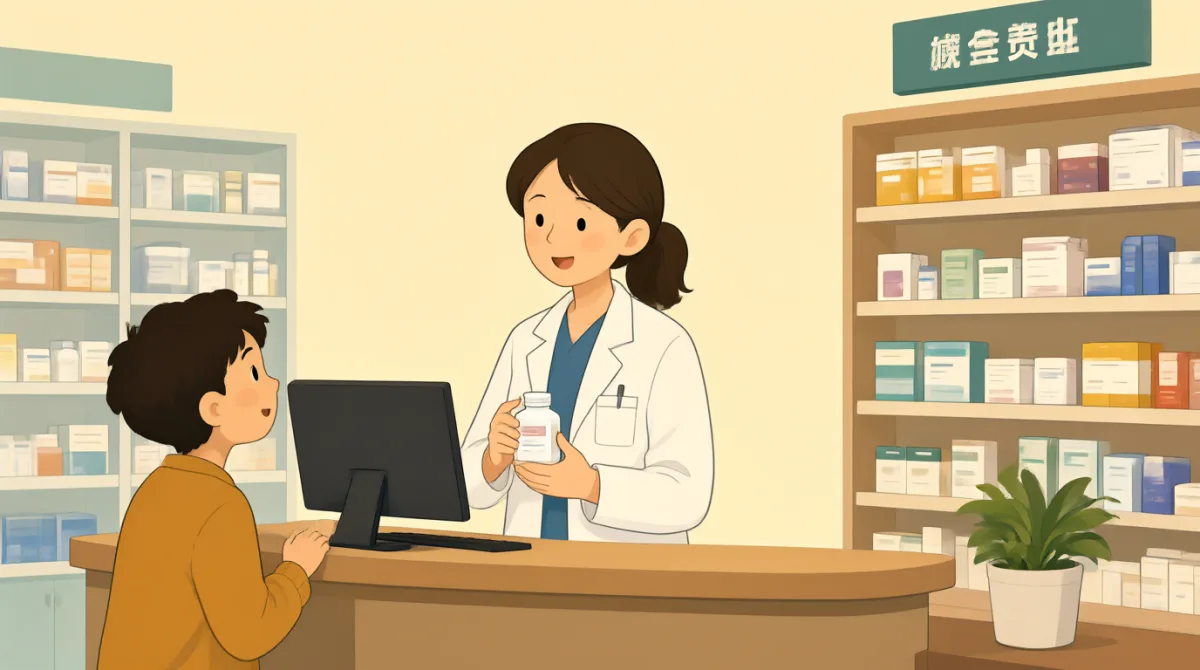

Excuse me, I just picked up this cough syrup you recommended. Can you clarify the dosage for me?
ขอโทษนะคะ ฉันเพิ่งซื้อยาแก้ไอน้ำเชื่อมที่คุณแนะนำมา ช่วยอธิบายขนาดยาที่ถูกต้องให้หน่อยได้ไหมคะ

Certainly, Emma. For adults, the recommended dosage is 10 milliliters, or two teaspoons, every 4 to 6 hours as needed. Don't exceed six doses in a 24-hour period.
ได้เลยครับ เอ็มมา สำหรับผู้ใหญ่ แนะนำให้รับประทานครั้งละ 10 มิลลิลิตร หรือสองช้อนชา ทุก 4 ถึง 6 ชั่วโมงเมื่อจำเป็น ห้ามรับประทานเกิน 6 ครั้งภายใน 24 ชั่วโมงนะครับ
Okay, 10 ml every 4 to 6 hours. And should I take it with food, or does it matter?
เข้าใจแล้วค่ะ 10 มิลลิลิตรทุก 4 ถึง 6 ชั่วโมง แล้วต้องรับประทานพร้อมอาหารไหมคะ หรือไม่สำคัญ
It doesn't specifically need to be taken with food, but some people find it helps if they have a sensitive stomach. You can take it with or without food.
ไม่จำเป็นต้องรับประทานพร้อมอาหารเป็นพิเศษครับ แต่บางคนรู้สึกว่าช่วยได้ถ้าท้องไส้ระคายเคืองง่าย คุณจะรับประทานพร้อมอาหารหรือไม่ก็ได้ครับ
Good to know. Also, are there any specific warnings or side effects I should be aware of?
ดีเลยค่ะที่รู้ไว้ แล้วมีคำเตือนหรือผลข้างเคียงอะไรที่ควรระวังเป็นพิเศษไหมคะ
Yes, some common side effects include drowsiness, dizziness, or stomach upset. Avoid driving or operating heavy machinery until you know how it affects you. And avoid alcohol while taking this medicine.
มีครับ ผลข้างเคียงที่พบบ่อย ได้แก่ ง่วงซึม เวียนศีรษะ หรือปั่นป่วนท้อง อย่าขับรถหรือใช้เครื่องจักรหนักจนกว่าจะรู้ว่ายามีผลต่อคุณอย่างไร และควรหลีกเลี่ยงแอลกอฮอล์ระหว่างใช้ยานี้ครับ
Drowsiness, got it. How long should I expect to take it for before seeing improvement?
ง่วงซึม เข้าใจแล้วค่ะ ควรใช้ยานานแค่ไหนถึงจะเริ่มรู้สึกดีขึ้นคะ
You should start feeling relief within 30 minutes to an hour. If your symptoms don't improve after 7 days, or if they worsen, please stop using it and consult a doctor.
คุณน่าจะเริ่มรู้สึกบรรเทาอาการภายใน 30 นาทีถึง 1 ชั่วโมงครับ หากอาการไม่ดีขึ้นหลังผ่านไป 7 วัน หรือแย่ลง โปรดหยุดใช้ยาและปรึกษาแพทย์นะครับ
Alright, that's very clear. Thank you for all the information, David.
เข้าใจชัดเจนแล้วค่ะ ขอบคุณสำหรับข้อมูลทั้งหมดนะคะ เดวิด
You're welcome, Emma. Feel better soon!
ยินดีครับ เอ็มมา ขอให้หายไว ๆ นะครับ
คำศัพท์10
- dosageขนาดยา
The amount of medicine you should take at one time. It's important to follow the correct dosage to stay safe and effective.
ปริมาณยาที่ควรรับประทานในแต่ละครั้ง ควรใช้ยาในขนาดที่ถูกต้องเพื่อความปลอดภัยและให้ยาได้ผลดี
- millilitersมิลลิลิตร
A unit of measurement for liquids, often abbreviated as 'ml'. For example, 10 ml is a small amount, like two teaspoons.
หน่วยวัดปริมาตรของของเหลว มักย่อว่า “ml” ตัวอย่างเช่น 10 ml เป็นปริมาณเล็กน้อย เทียบได้กับสองช้อนชา
- exceedเกิน
To go beyond a limit. In medicine, don't exceed the recommended amount to avoid harm.
มีปริมาณมากกว่าขีดจำกัด ในการใช้ยา อย่ารับประทานเกินปริมาณที่แนะนำเพื่อป้องกันอันตราย
- sensitive stomachกระเพาะอาหารที่ระคายเคืองง่าย
A stomach that gets upset easily. Some people take medicine with food to protect a sensitive stomach.
กระเพาะอาหารที่ปั่นป่วนหรือระคายเคืองได้ง่าย บางคนรับประทานยาพร้อมอาหารเพื่อช่วยปกป้องกระเพาะอาหารที่ระคายเคืองง่าย
- side effectsผลข้างเคียง
Unwanted reactions caused by medicine, like feeling sleepy. Always check for side effects before using.
อาการไม่พึงประสงค์ที่เกิดจากยา เช่น ง่วงนอน ควรตรวจสอบผลข้างเคียงก่อนใช้ยาเสมอ
- drowsinessอาการง่วงซึม
Feeling very sleepy or tired. This is a common side effect of some cough medicines.
อาการง่วงหรืออ่อนเพลียมาก เป็นผลข้างเคียงที่พบได้บ่อยจากยาแก้ไอบางชนิด
- dizzinessอาการเวียนศีรษะ
A feeling of being lightheaded or unsteady, like the room is spinning. It can happen from certain medications.
ความรู้สึกมึนงงหรือทรงตัวไม่มั่นคง คล้ายกับห้องหมุน อาจเกิดจากยาบางชนิดได้
- reliefการบรรเทาอาการ
The feeling of getting better or less pain. Medicine often provides quick relief from symptoms.
ความรู้สึกที่อาการดีขึ้นหรือเจ็บปวดน้อยลง ยามักช่วยบรรเทาอาการได้อย่างรวดเร็ว
- worsenแย่ลง
To become more serious or bad. If symptoms worsen, stop the medicine and see a doctor.
มีอาการรุนแรงขึ้นหรือไม่ดีเท่าเดิม หากอาการแย่ลง ให้หยุดใช้ยาและไปพบแพทย์
- consultปรึกษา
To ask for professional advice. Consult a doctor if your condition doesn't improve.
ขอคำแนะนำจากผู้เชี่ยวชาญ ควรปรึกษาแพทย์หากอาการไม่ดีขึ้น
ประโยคสำคัญ9
- 1
Can you clarify the dosage for me?
ช่วยอธิบายขนาดยาที่ถูกต้องให้หน่อยได้ไหมคะ
This is a polite way to ask for more details about how much medicine to take. Use it when you need confirmation on instructions. The word 'clarify' means to make something clear.
ประโยคนี้ใช้ถามอย่างสุภาพเพื่อขอรายละเอียดเพิ่มเติมว่าควรรับประทานยาเท่าไร ใช้เมื่อต้องการยืนยันคำแนะนำ คำว่า 'clarify' หมายถึงทำให้ชัดเจน
- 2
The recommended dosage is 10 milliliters every 4 to 6 hours as needed.
ขนาดยาที่แนะนำคือ 10 มิลลิลิตรทุก 4 ถึง 6 ชั่วโมงเมื่อจำเป็น
This sentence explains the standard amount and timing for taking medicine. 'As needed' means only when symptoms occur. It's useful for giving or receiving medical advice.
ประโยคนี้อธิบายปริมาณและช่วงเวลามาตรฐานในการใช้ยา 'As needed' หมายถึงใช้เฉพาะเมื่อมีอาการ ประโยคนี้มีประโยชน์เมื่อต้องให้หรือรับคำแนะนำเกี่ยวกับยา
- 3
Don't exceed six doses in a 24-hour period.
ห้ามรับประทานยาเกิน 6 ครั้งภายใน 24 ชั่วโมง
This warns against taking too much medicine in one day. 'Exceed' means to go over the limit. Use this pattern to set safety rules for medication.
ประโยคนี้เตือนว่าไม่ควรรับประทานยามากเกินไปในหนึ่งวัน 'Exceed' หมายถึงเกินขีดจำกัด ใช้รูปแบบประโยคนี้เพื่อกำหนดข้อควรปฏิบัติด้านความปลอดภัยในการใช้ยา
- 4
Should I take it with food, or does it matter?
ควรรับประทานยาพร้อมอาหารไหมคะ หรือไม่สำคัญ
This is a question about how to take medicine. It shows uncertainty and seeks advice. 'With food' means during a meal. Ask this when unsure about instructions.
ประโยคนี้เป็นคำถามเกี่ยวกับวิธีรับประทานยา แสดงว่าผู้พูดยังไม่แน่ใจและต้องการคำแนะนำ 'With food' หมายถึงระหว่างรับประทานอาหาร ใช้ถามเมื่อไม่แน่ใจเกี่ยวกับคำแนะนำ
- 5
It doesn't specifically need to be taken with food, but some people find it helps.
ไม่จำเป็นต้องรับประทานยาพร้อมอาหารเป็นพิเศษ แต่บางคนรู้สึกว่าช่วยได้
This gives flexible advice on usage. 'Specifically' means exactly or particularly. It's useful for explaining options without strict rules.
ประโยคนี้ให้คำแนะนำในการใช้ยาอย่างยืดหยุ่น 'Specifically' หมายถึงอย่างเจาะจงหรือเป็นพิเศษ ประโยคนี้มีประโยชน์เมื่อต้องการอธิบายทางเลือกโดยไม่กำหนดเป็นกฎตายตัว
- 6
Are there any specific warnings or side effects I should be aware of?
มีคำเตือนหรือผลข้างเคียงอะไรที่ฉันควรระวังเป็นพิเศษไหมคะ
This asks about potential risks. 'Be aware of' means to know and watch for something. Use it to get important safety information from a pharmacist.
ประโยคนี้ใช้ถามถึงความเสี่ยงที่อาจเกิดขึ้น 'Be aware of' หมายถึงรู้และคอยสังเกตสิ่งใดสิ่งหนึ่ง ใช้ขอข้อมูลสำคัญด้านความปลอดภัยจากเภสัชกร
- 7
Avoid driving or operating heavy machinery until you know how it affects you.
อย่าขับรถหรือใช้เครื่องจักรหนักจนกว่าจะรู้ว่ายามีผลต่อคุณอย่างไร
This is a safety warning. 'Avoid' means to stay away from. The structure uses 'until' for a condition. Say this to advise caution with side effects like drowsiness.
ประโยคนี้เป็นคำเตือนเพื่อความปลอดภัย 'Avoid' หมายถึงหลีกเลี่ยง โครงสร้างนี้ใช้ 'until' เพื่อบอกเงื่อนไข ใช้เตือนให้ระมัดระวังผลข้างเคียง เช่น อาการง่วงซึม
- 8
If your symptoms don't improve after 7 days, or if they worsen, please stop using it and consult a doctor.
หากอาการไม่ดีขึ้นหลังผ่านไป 7 วัน หรือแย่ลง โปรดหยุดใช้ยาและปรึกษาแพทย์
This gives conditions for when to seek more help. It uses 'if' clauses for possibilities and 'or' to connect options. It's practical for medical follow-up advice.
ประโยคนี้บอกเงื่อนไขที่ควรขอความช่วยเหลือเพิ่มเติม ใช้อนุประโยค 'if' เพื่อกล่าวถึงสิ่งที่อาจเกิดขึ้น และใช้ 'or' เพื่อเชื่อมทางเลือกต่าง ๆ เป็นประโยคที่ใช้ได้จริงเมื่อต้องให้คำแนะนำเรื่องการติดตามอาการ
- 9
Thank you for all the information.
ขอบคุณสำหรับข้อมูลทั้งหมดนะคะ
A polite way to end a conversation after getting help. It's useful in service situations like pharmacies to show appreciation.
วิธีพูดอย่างสุภาพเพื่อจบบทสนทนาหลังได้รับความช่วยเหลือ ใช้ได้ในสถานการณ์รับบริการ เช่น ที่ร้านขายยา เพื่อแสดงความขอบคุณ