Đơn vị 39
Từ 761–780 · below, movie, doctor, discussion, sorry, challenge

below
#761adverb, preposition, adjective
bên dưới
in, at, or to a lower place or level
ở, tại hoặc hướng đến một vị trí hay mức thấp hơn

Please read the information below.
Vui lòng đọc thông tin bên dưới.
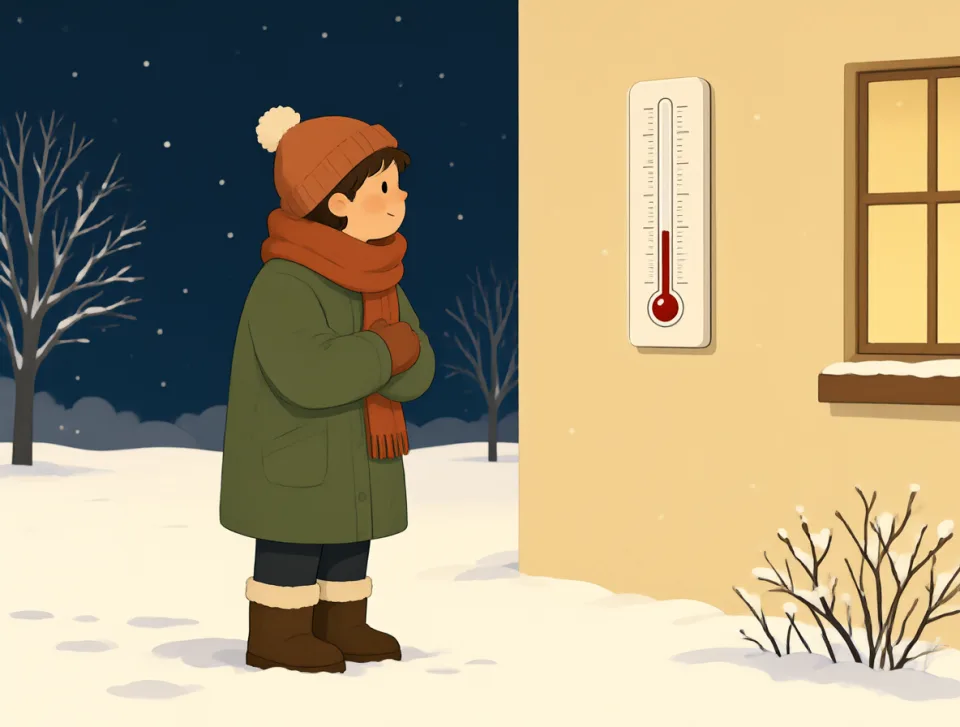
The temperature fell below zero last night.
Đêm qua nhiệt độ đã xuống dưới 0 độ.
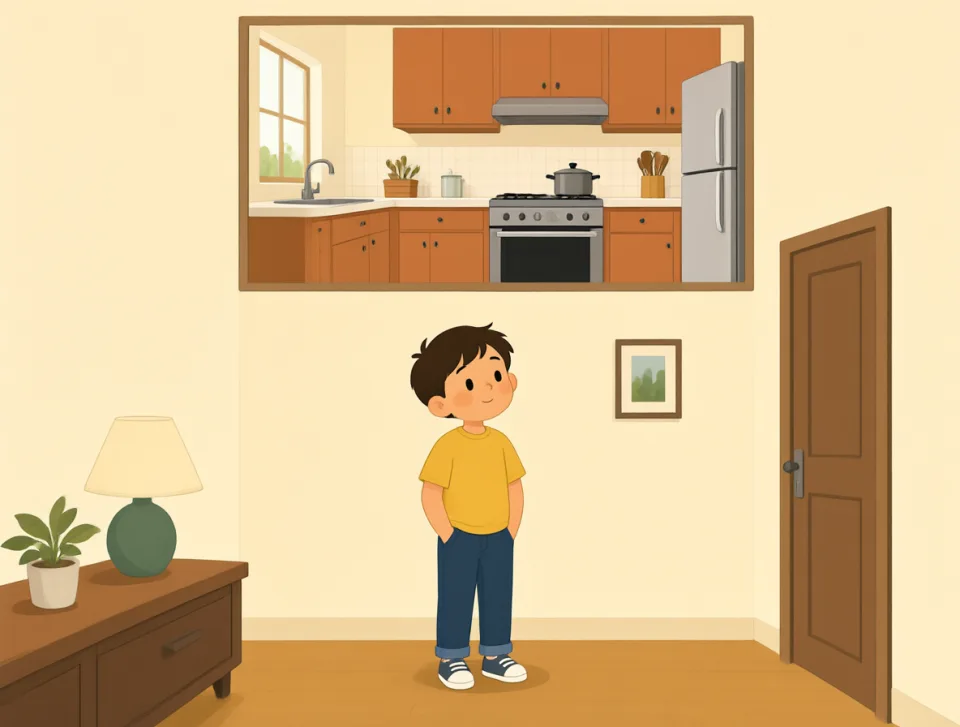
Our room is below the kitchen.
Phòng chúng tôi ở bên dưới bếp.
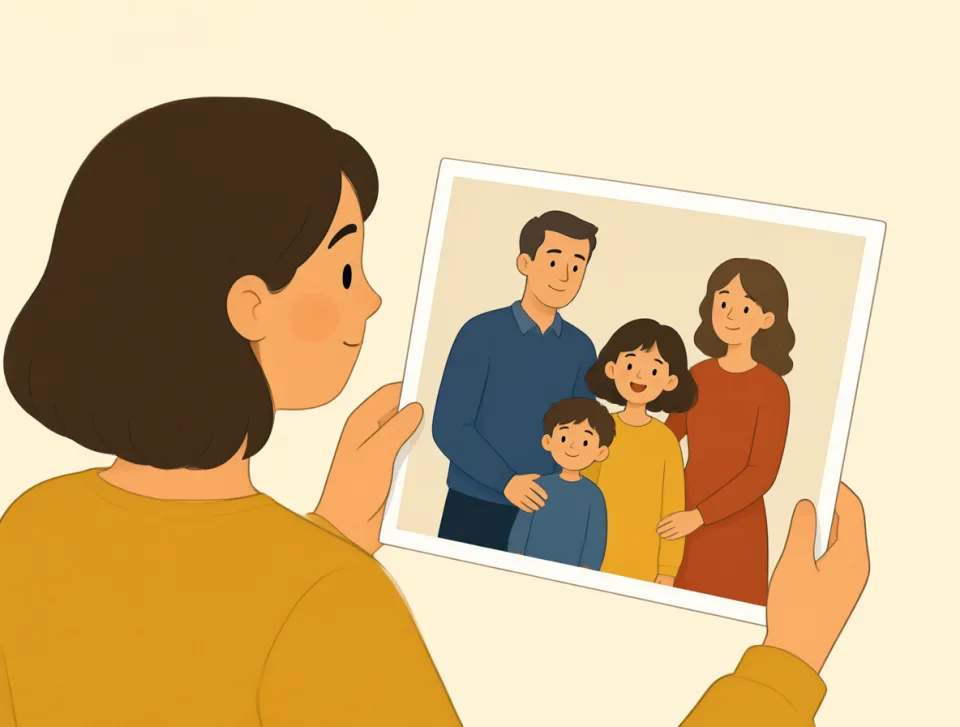
The photo below shows my family.
Bức ảnh bên dưới chụp gia đình tôi.

The plane flew below the clouds.
Máy bay bay bên dưới những đám mây.

movie
#762noun
phim
A film that tells a story or shows events for people to watch.
Một tác phẩm điện ảnh kể chuyện hoặc ghi lại sự kiện để mọi người xem.

We watched a funny movie at home.
Chúng tôi xem một bộ phim hài ở nhà.

That movie made me laugh a lot.
Bộ phim đó khiến tôi cười rất nhiều.

The new movie starts at seven.
Bộ phim mới bắt đầu lúc bảy giờ.

Our class watched a movie about animals.
Lớp chúng tôi xem một bộ phim về động vật.

She bought movie tickets for Saturday.
Cô ấy mua vé xem phim cho thứ Bảy.

doctor
#763noun
bác sĩ
A person trained to treat people who are ill or injured.
Người được đào tạo để điều trị cho người bị bệnh hoặc bị thương.

I need to see a doctor today.
Hôm nay tôi cần đi khám bác sĩ.

The doctor checked my heart and lungs.
Bác sĩ đã kiểm tra tim và phổi của tôi.

My doctor gave me some good advice.
Bác sĩ của tôi đã cho tôi vài lời khuyên hữu ích.
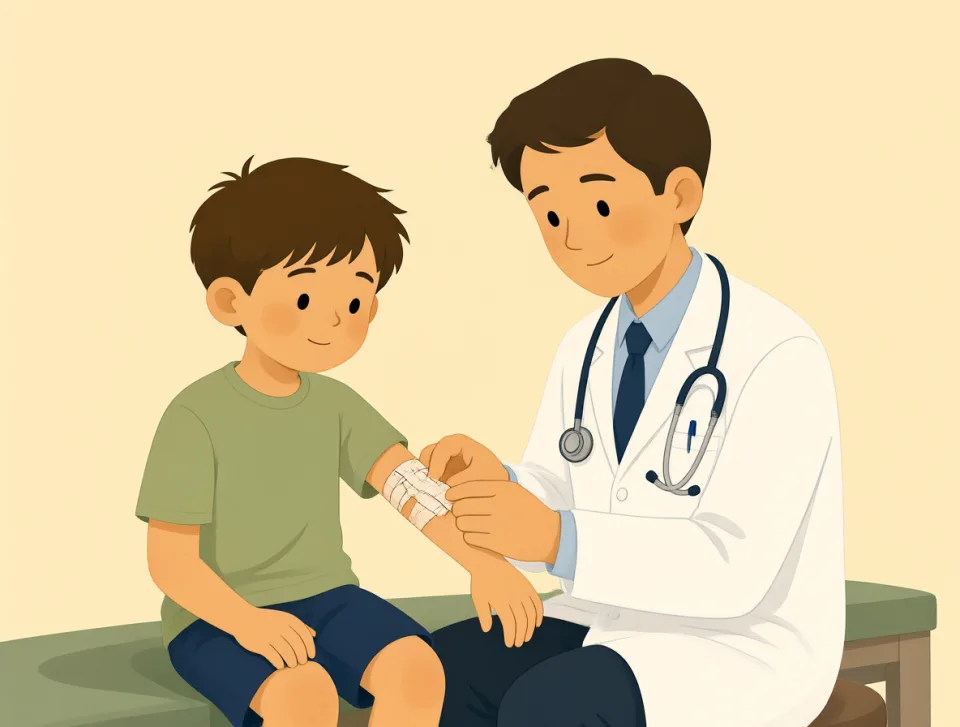
The doctor treated his broken arm.
Bác sĩ đã điều trị cánh tay bị gãy của anh ấy.
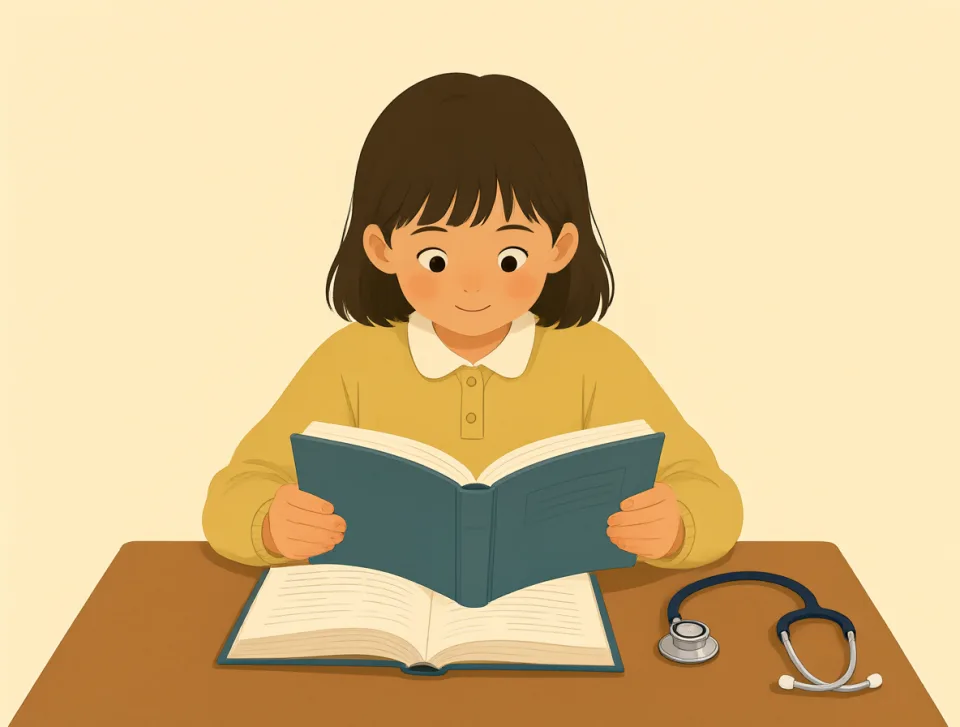
She wants to become a doctor someday.
Một ngày nào đó, cô ấy muốn trở thành bác sĩ.

discussion
#764noun
cuộc thảo luận
A talk where people share ideas, opinions, or information about something.
Cuộc trò chuyện trong đó mọi người chia sẻ ý tưởng, ý kiến hoặc thông tin về một chủ đề.

We had a discussion about our holiday plans.
Chúng tôi đã thảo luận về kế hoạch nghỉ lễ.

The class discussion started after the short story.
Cuộc thảo luận của lớp bắt đầu sau khi đọc truyện ngắn.

They had a serious discussion about money.
Họ đã có một cuộc thảo luận nghiêm túc về tiền bạc.

The team discussed the problem at work.
Nhóm đã thảo luận về vấn đề ở chỗ làm.

After dinner, we enjoyed a friendly discussion.
Sau bữa tối, chúng tôi đã có một cuộc trò chuyện thân mật.
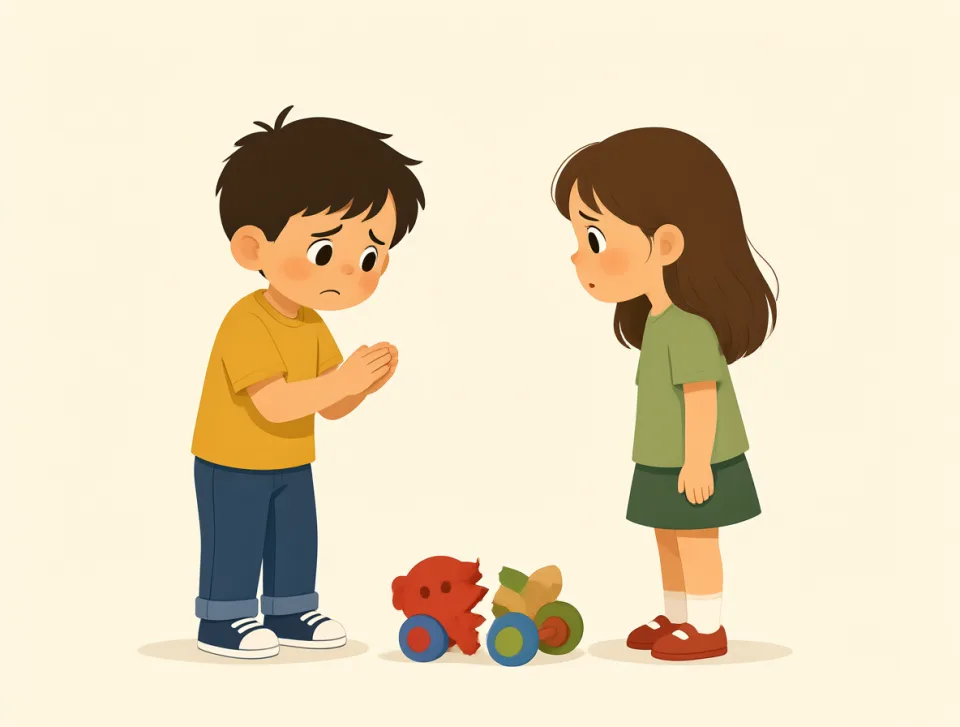
sorry
#765adjective, interjection, noun
xin lỗi
Used to say you feel bad about something or to apologize.
Dùng để nói rằng bạn cảm thấy có lỗi về điều gì đó hoặc để xin lỗi.
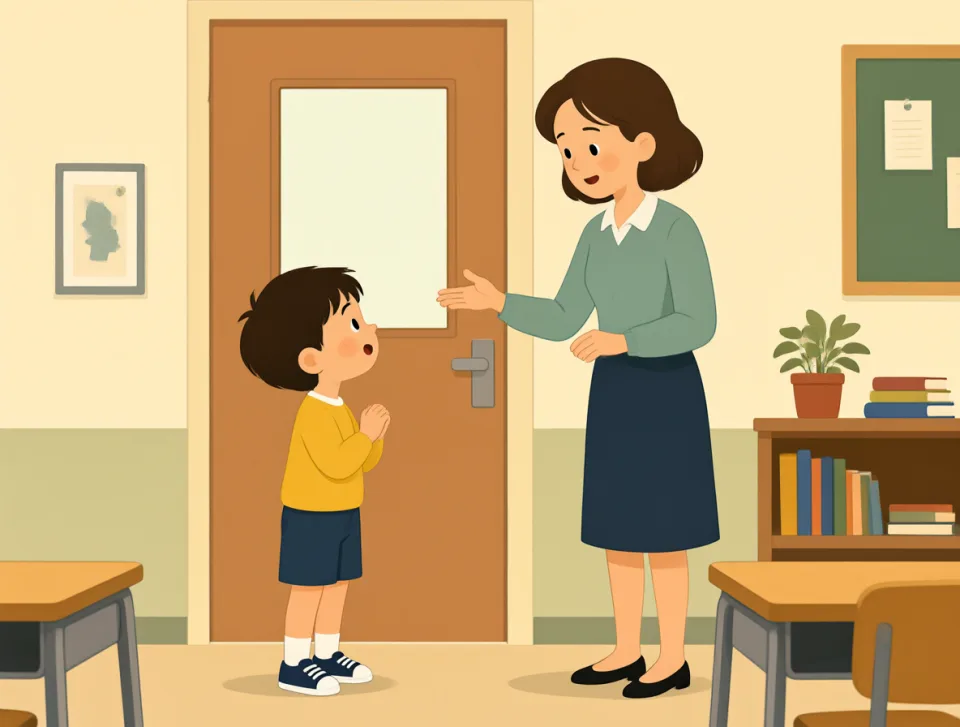
I'm sorry I'm late for school.
Mình xin lỗi vì đến trường muộn.

Sorry, could you say that again?
Xin lỗi, bạn có thể nói lại được không?
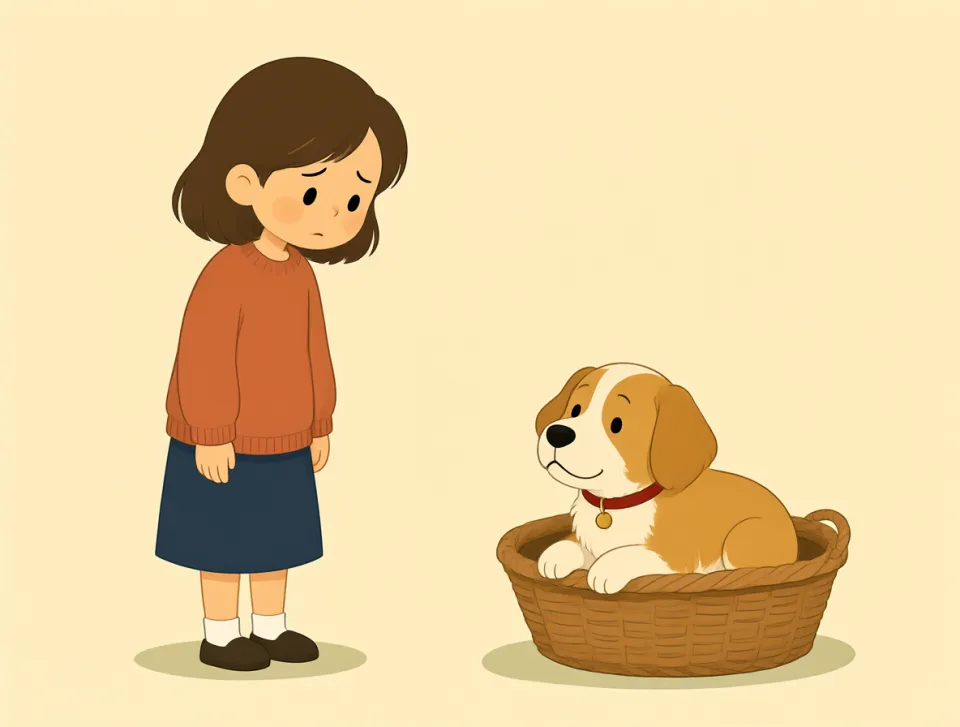
She felt sorry for the sick dog.
Cô ấy cảm thấy thương con chó bị bệnh.

He said sorry after breaking the cup.
Anh ấy đã xin lỗi sau khi làm vỡ chiếc cốc.
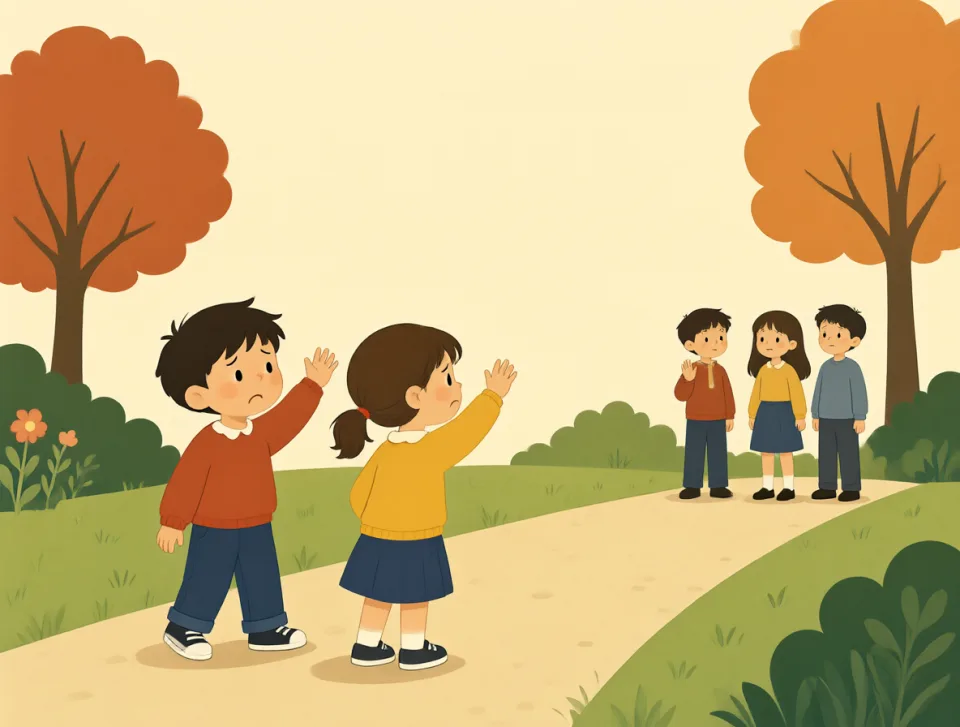
We were sorry to leave our friends.
Chúng tôi buồn vì phải rời xa bạn bè.

challenge
#766noun, verb
thử thách
A difficult task or situation that tests your ability; to question or invite someone to compete.
Một nhiệm vụ hoặc tình huống khó khăn thử thách khả năng của bạn; hoặc hành động chất vấn ai đó hay mời họ thi đấu.

Learning English is a fun challenge.
Học tiếng Anh là một thử thách thú vị.
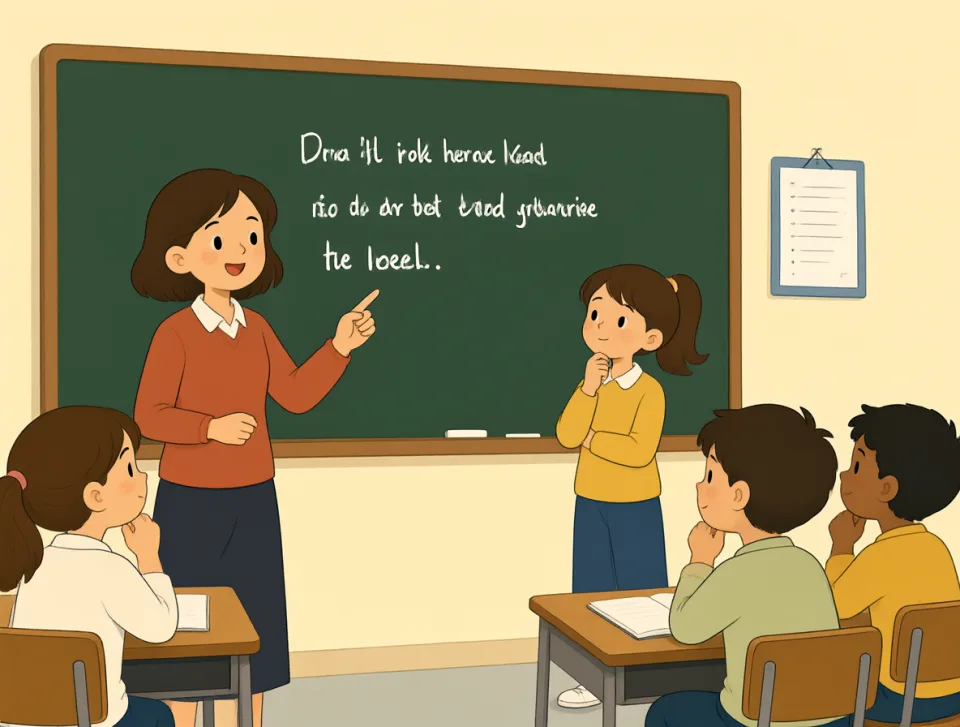
The teacher challenged us with a hard question.
Giáo viên đặt cho chúng tôi một câu hỏi khó để thử thách chúng tôi.

This job is a big challenge for me.
Công việc này là một thử thách lớn đối với tôi.

The boy challenged his friend to a race.
Cậu bé thách bạn mình thi chạy.

She is challenging herself to eat healthier food.
Cô ấy đang thử thách bản thân bằng cách ăn uống lành mạnh hơn.
nation
#767noun
quốc gia
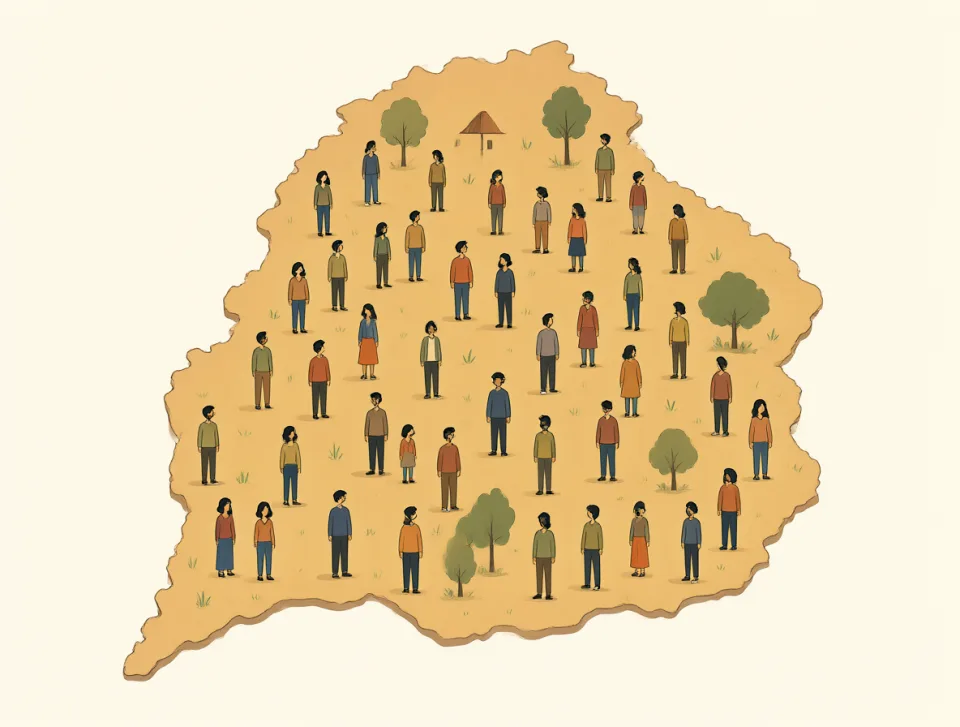
A country and its people, especially when considered as one group.
Một đất nước và người dân của đất nước đó, nhất là khi được xem như một tập thể.

Our nation celebrates its birthday every summer.
Đất nước chúng ta tổ chức lễ kỷ niệm ngày thành lập vào mỗi mùa hè.
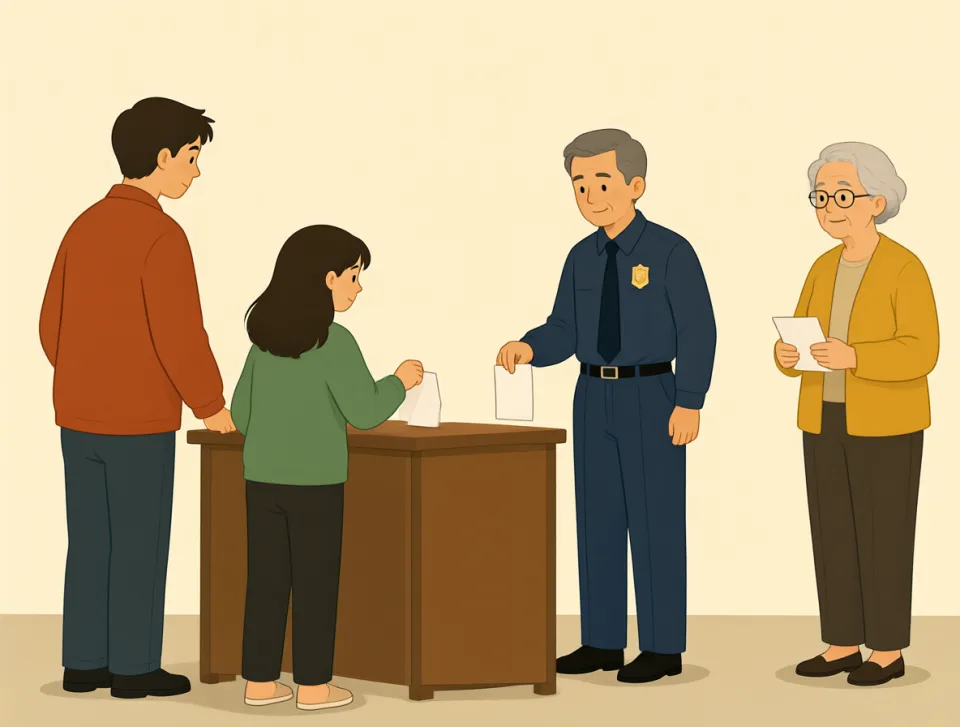
The nation elected a new leader.
Quốc gia đã bầu ra một nhà lãnh đạo mới.

Many nations work together on climate change.
Nhiều quốc gia cùng hợp tác để ứng phó với biến đổi khí hậu.

She traveled to another nation for work.
Cô ấy đi công tác ở một quốc gia khác.

The whole nation cheered for the team.
Cả nước reo hò cổ vũ đội tuyển.
nearly
#768adverb
gần như
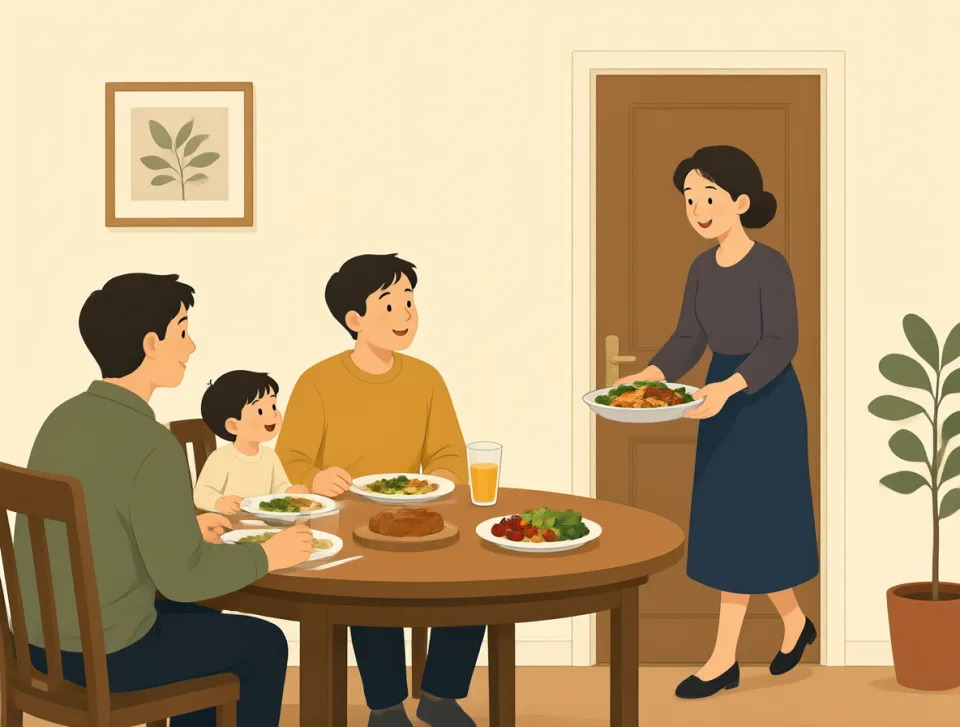
almost, but not completely or quite
Gần đạt đến mức nào đó nhưng chưa hoàn toàn hoặc chưa hẳn.
It is nearly time for dinner.
Sắp đến giờ ăn tối rồi.

The glass is nearly full.
Cái ly gần đầy rồi.
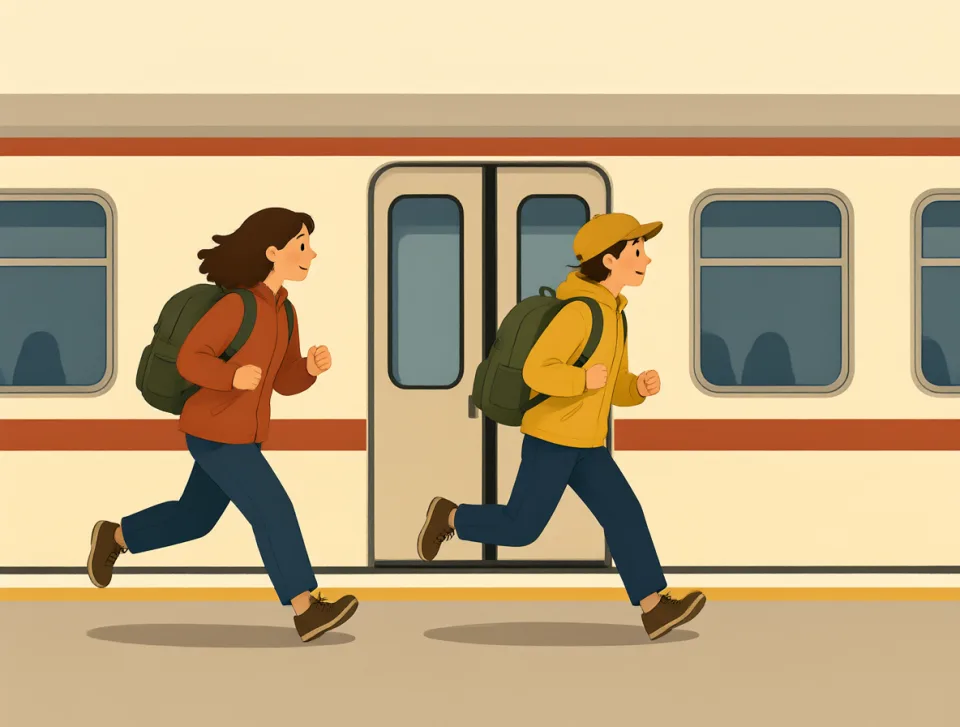
We nearly missed the train.
Chúng tôi suýt lỡ chuyến tàu.

She nearly fell on the wet floor.
Cô ấy suýt ngã trên sàn ướt.

The baby is nearly two years old.
Em bé sắp được hai tuổi.

statement
#769noun
lời tuyên bố
Words that say or explain something, often given in speech or writing.
Những lời nói diễn đạt hoặc giải thích điều gì đó, thường được nói ra hoặc viết thành văn bản.

She made a statement about the accident.
Cô ấy đưa ra lời tuyên bố về vụ tai nạn.
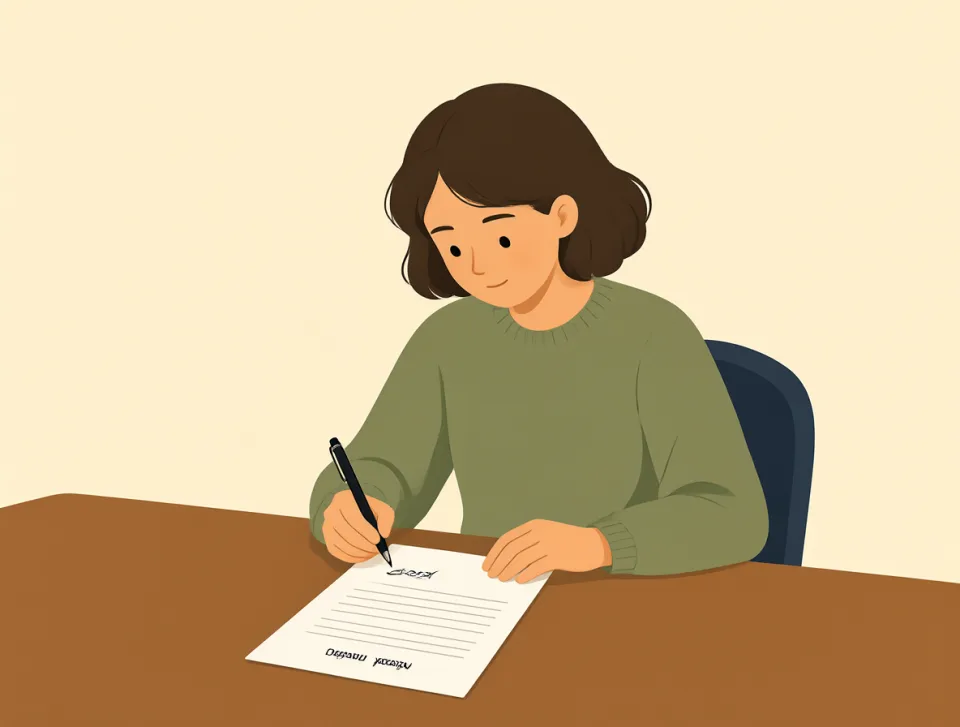
Please read the statement before you sign it.
Vui lòng đọc lời tuyên bố trước khi ký.

The company released a statement yesterday.
Công ty đã công bố một tuyên bố vào hôm qua.

His bank statement arrived this morning.
Sao kê ngân hàng của anh ấy đến vào sáng nay.

The teacher asked for a written statement.
Giáo viên yêu cầu một bản tường trình bằng văn bản.
link
#770noun, verb
mối liên hệ
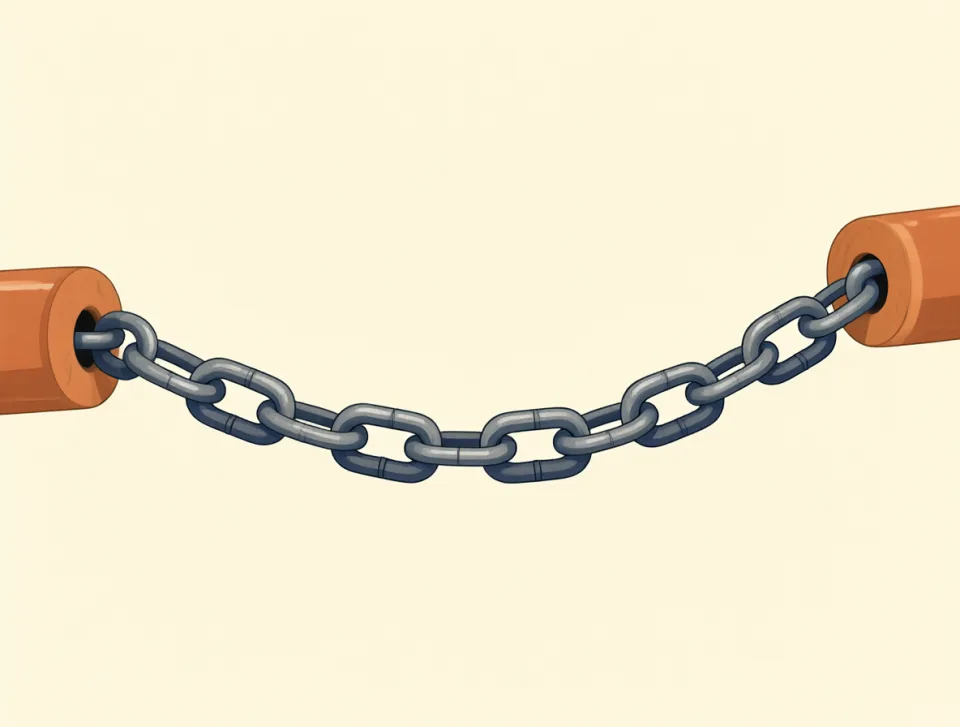
A connection between people, places, things, or ideas.
Sự kết nối giữa người, địa điểm, sự vật hoặc ý tưởng.

Send me the link to that website.
Gửi cho tôi đường liên kết đến trang web đó nhé.

This road links the town to the airport.
Con đường này nối thị trấn với sân bay.

The doctor linked his cough to allergies.
Bác sĩ cho rằng cơn ho của anh ấy có liên quan đến dị ứng.
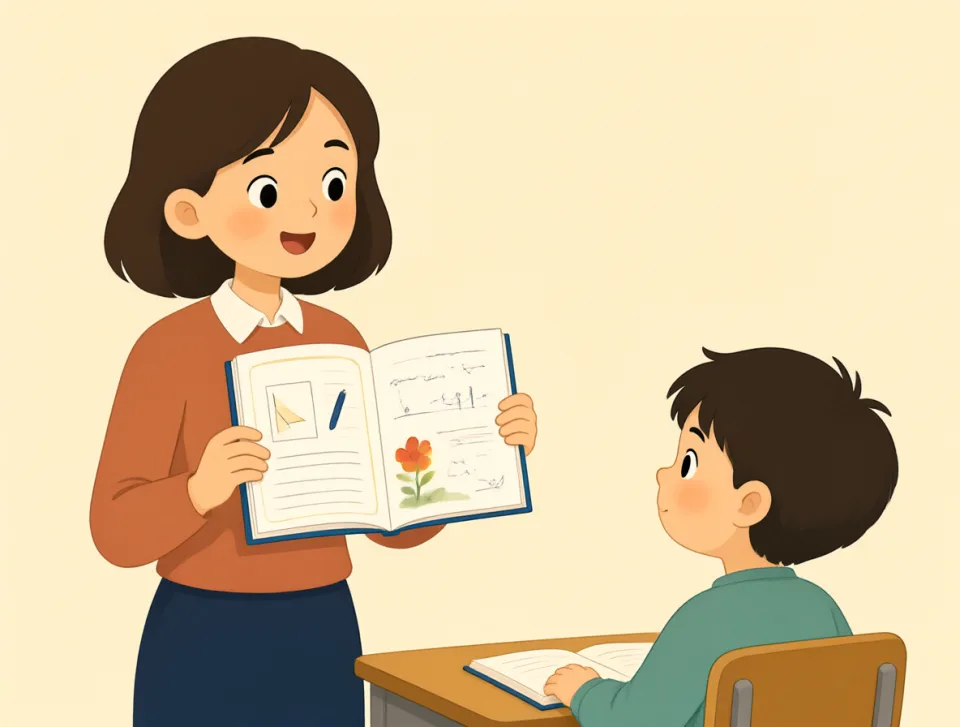
The two lessons are closely linked.
Hai bài học có liên hệ chặt chẽ với nhau.
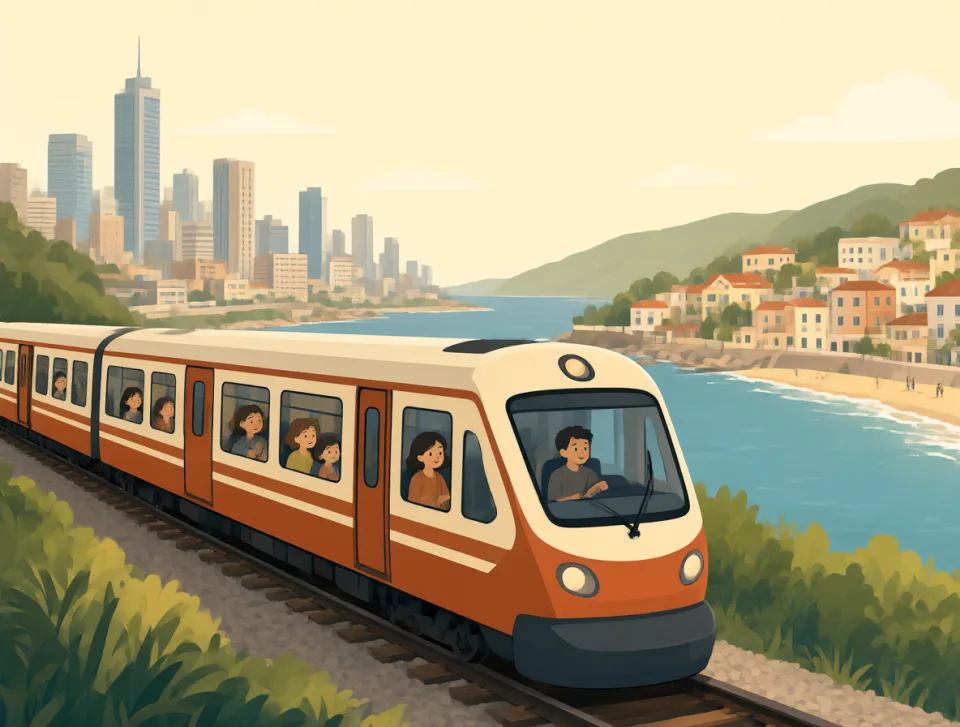
The train links the city with the coast.
Tàu hỏa nối thành phố với vùng duyên hải.

despite
#771preposition
mặc dù
used to say that something happened or is true even though something else might stop it
Dùng để nói rằng điều gì đó đã xảy ra hoặc đúng, dù có một điều khác có thể ngăn cản.
Despite the rain, we went for a walk.
Mặc dù trời mưa, chúng tôi vẫn đi dạo.

She smiled despite feeling tired.
Cô ấy vẫn mỉm cười dù cảm thấy mệt.
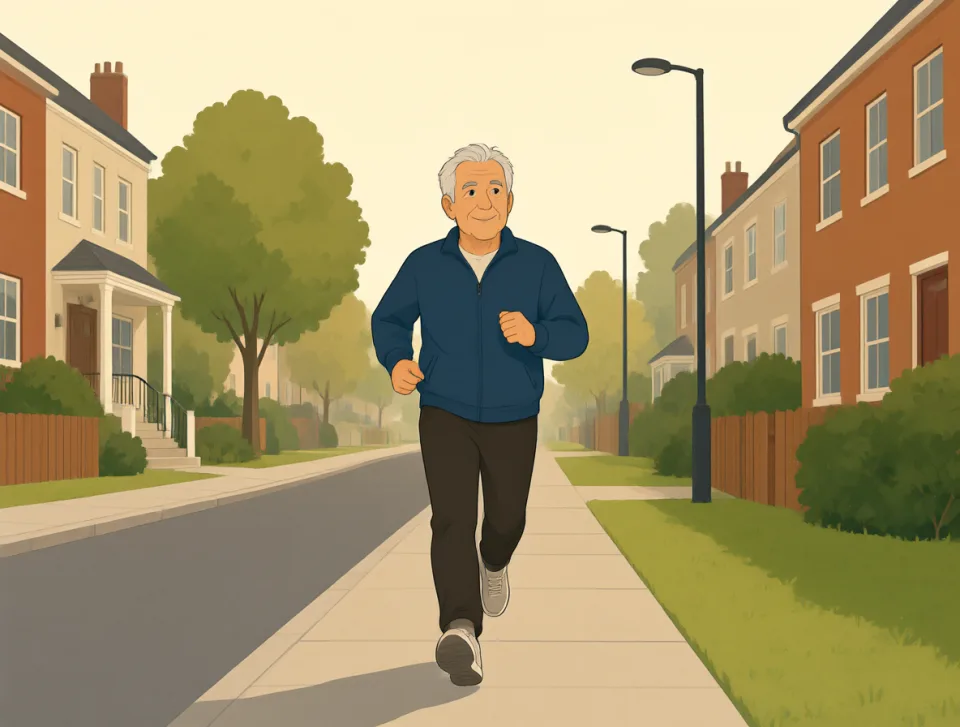
Despite his age, he runs every morning.
Dù đã lớn tuổi, ông ấy vẫn chạy bộ mỗi sáng.

We finished the work despite the problems.
Chúng tôi đã hoàn thành công việc dù gặp phải nhiều vấn đề.

Despite the cold, the children played outside.
Bất chấp trời lạnh, bọn trẻ vẫn chơi bên ngoài.
introduce
#772verb
giới thiệu
to tell someone your name or help people meet for the first time
Nói cho ai đó biết tên bạn hoặc giúp mọi người làm quen với nhau.

Let me introduce you to my friend.
Để mình giới thiệu bạn với bạn mình nhé.

The teacher introduced a new student.
Giáo viên đã giới thiệu một học sinh mới.

She introduced herself at the meeting.
Cô ấy tự giới thiệu tại cuộc họp.
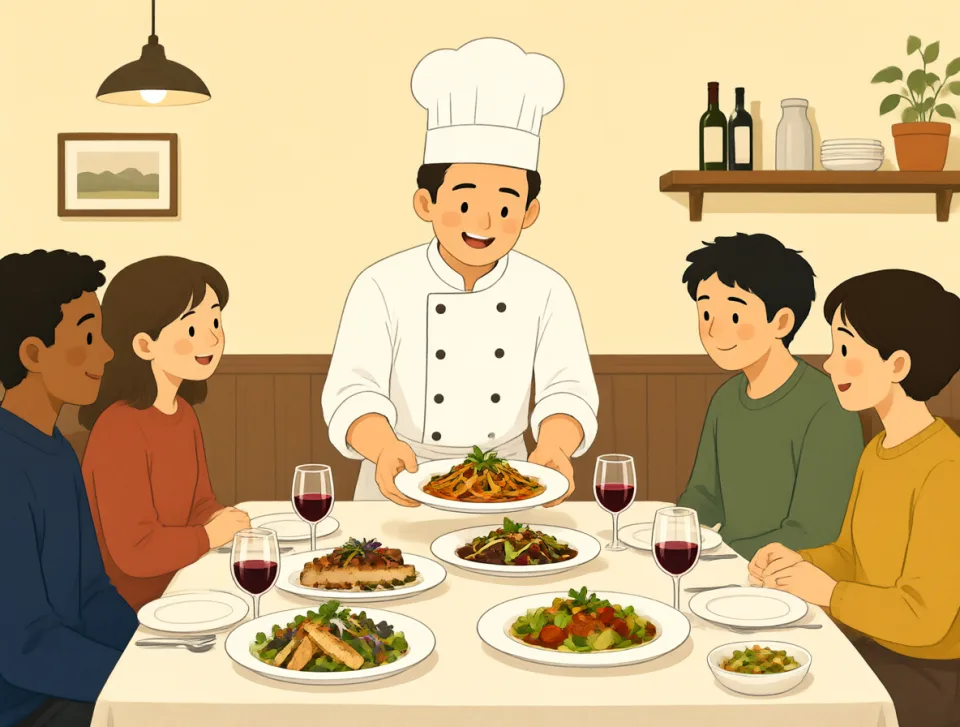
The restaurant introduced a new lunch menu.
Nhà hàng đã đưa vào thực đơn bữa trưa mới.

The doctor introduced a simple health plan.
Bác sĩ đã đề xuất một kế hoạch chăm sóc sức khỏe đơn giản.

advantage
#773noun
lợi thế
Something that helps you or gives you a better chance of success.
Điều giúp ích cho bạn hoặc tăng cơ hội thành công của bạn.

Speaking English is a big advantage at work.
Biết nói tiếng Anh là một lợi thế lớn trong công việc.

Our team has an advantage because we practice daily.
Đội chúng tôi có lợi thế vì luyện tập hằng ngày.

The hotel has the advantage of being near the beach.
Khách sạn có lợi thế là nằm gần bãi biển.

She used her height to her advantage in basketball.
Cô ấy tận dụng chiều cao của mình để chiếm lợi thế khi chơi bóng rổ.

The store offers special advantages to its members.
Cửa hàng dành những ưu đãi đặc biệt cho các thành viên.
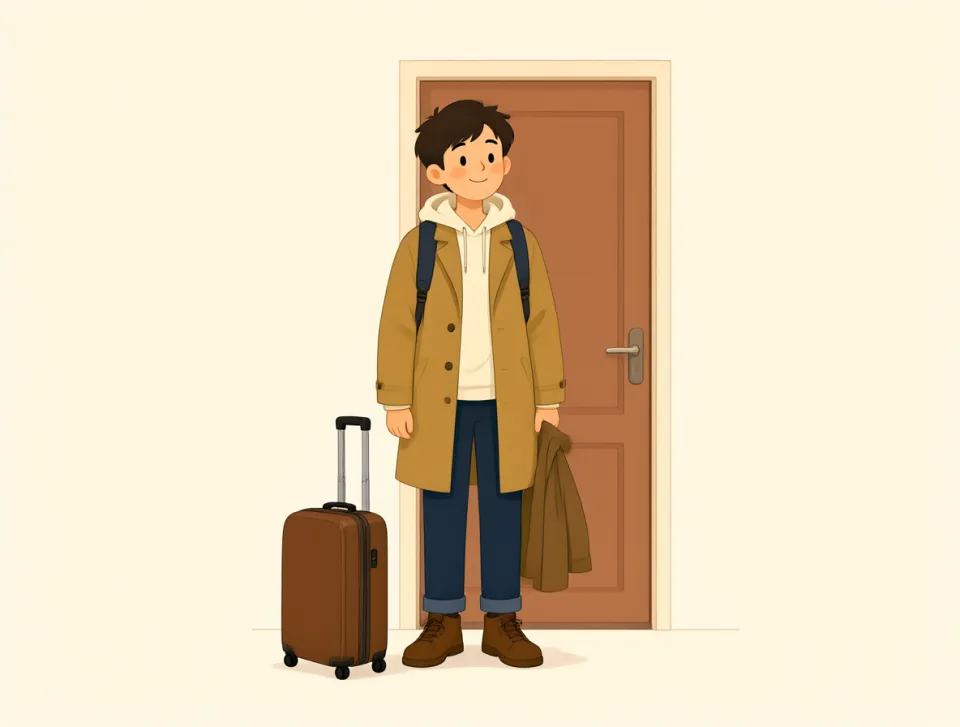
ready
#774adjective, adverb
sẵn sàng
Prepared and able to do something or use something.
Đã chuẩn bị và có thể làm việc gì đó hoặc sử dụng thứ gì đó.

Are you ready to leave now?
Giờ bạn sẵn sàng đi chưa?
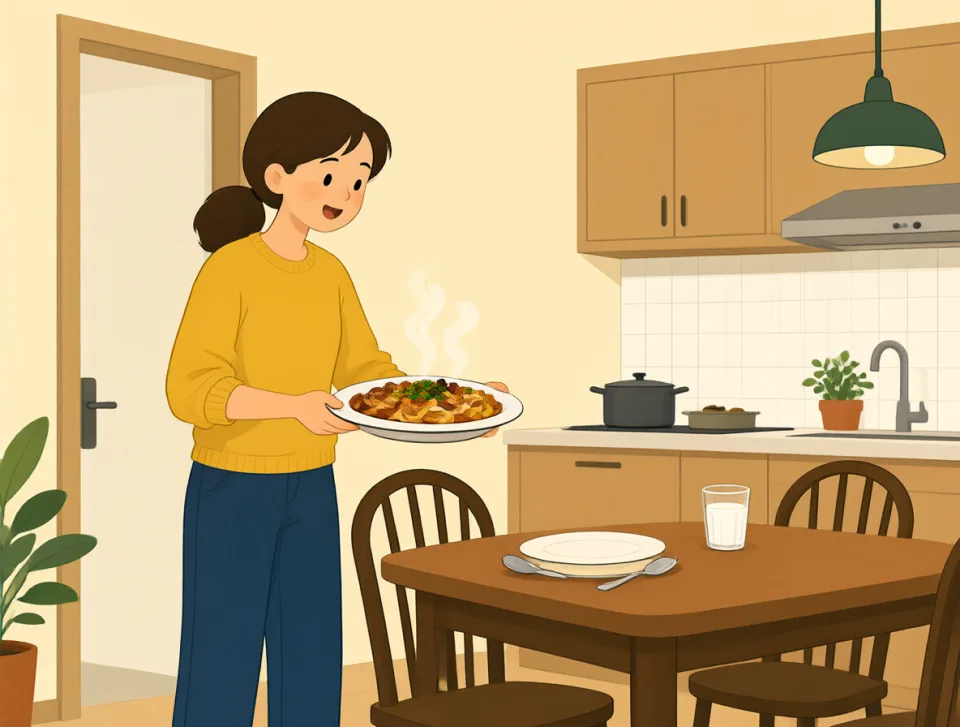
Dinner is ready, so please come inside.
Bữa tối đã sẵn sàng rồi, mọi người vào trong nhé.
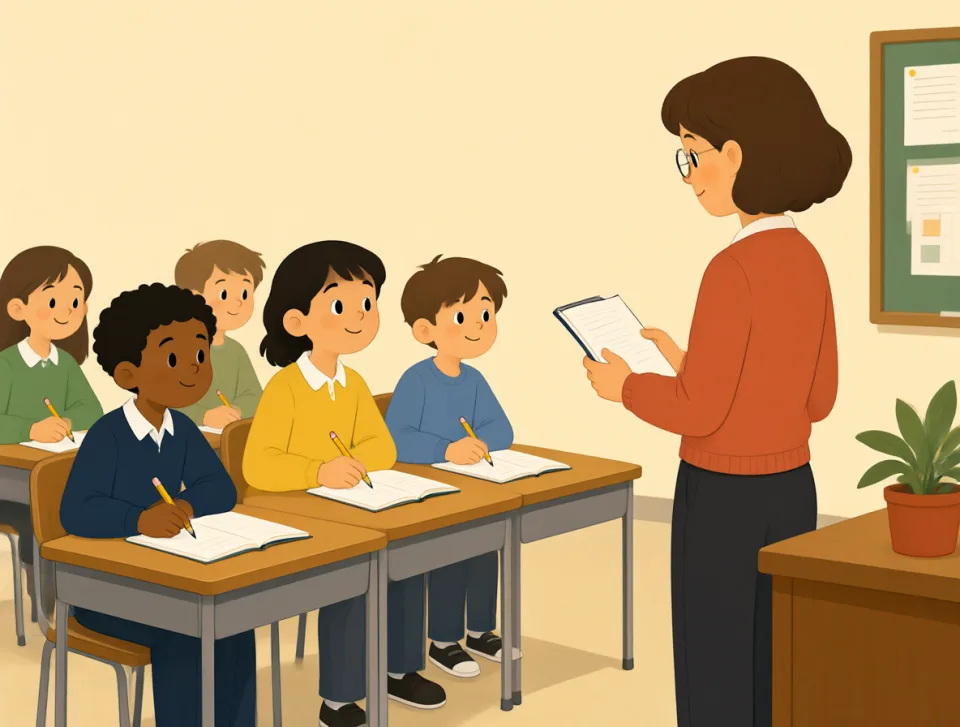
The students are ready for the test.
Các học sinh đã sẵn sàng làm bài kiểm tra.
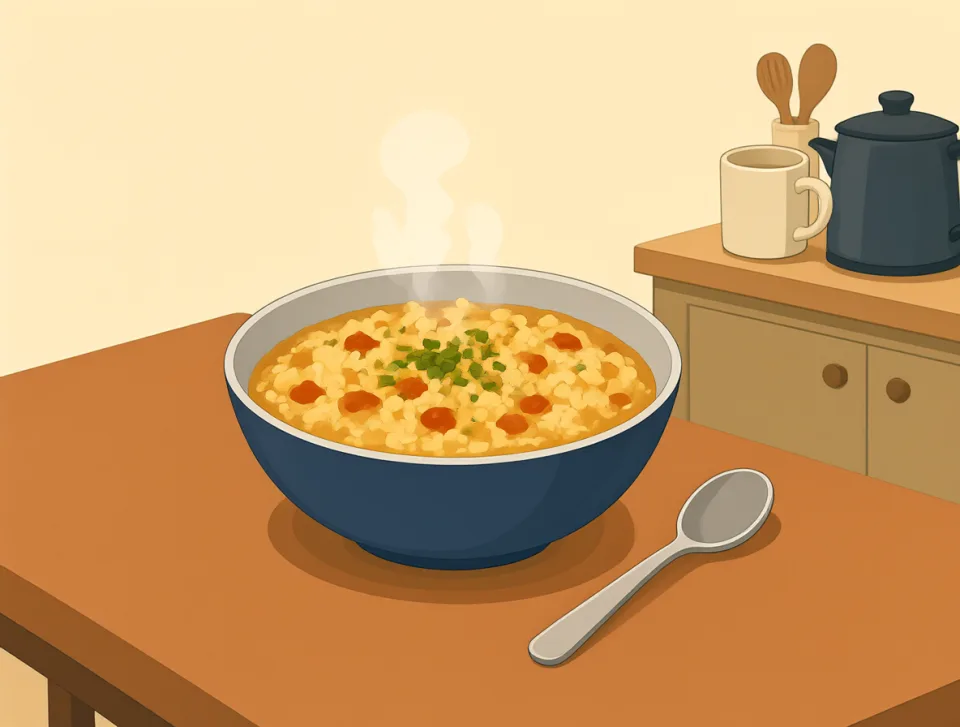
This meal is ready to eat.
Món ăn này đã sẵn sàng để dùng.
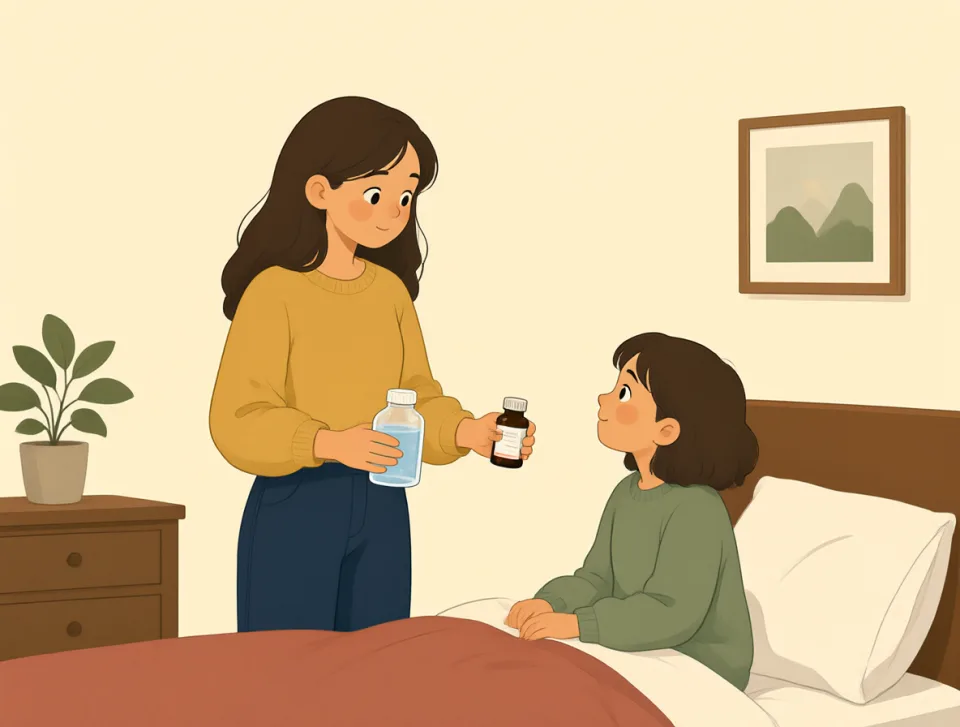
She was ready to help her sick friend.
Cô ấy sẵn lòng giúp người bạn đang bị ốm.

marry
#775verb
kết hôn
to become someone’s husband or wife
Trở thành vợ hoặc chồng của ai đó.

They plan to marry next summer.
Họ dự định kết hôn vào mùa hè năm sau.

She married her best friend last year.
Năm ngoái, cô ấy kết hôn với người bạn thân nhất của mình.

Many people marry after college.
Nhiều người kết hôn sau khi tốt nghiệp đại học.

He wants to marry someone kind.
Anh ấy muốn kết hôn với một người tử tế.

My sister is marrying her boyfriend.
Chị tôi sắp cưới bạn trai.

strike
#776verb, noun
đánh; đình công
To hit something or suddenly happen; a work stoppage by workers.
Đánh vào thứ gì đó hoặc bất ngờ xảy ra; việc người lao động ngừng làm việc để đình công.

He struck the ball over the fence.
Anh ấy đánh quả bóng bay qua hàng rào.
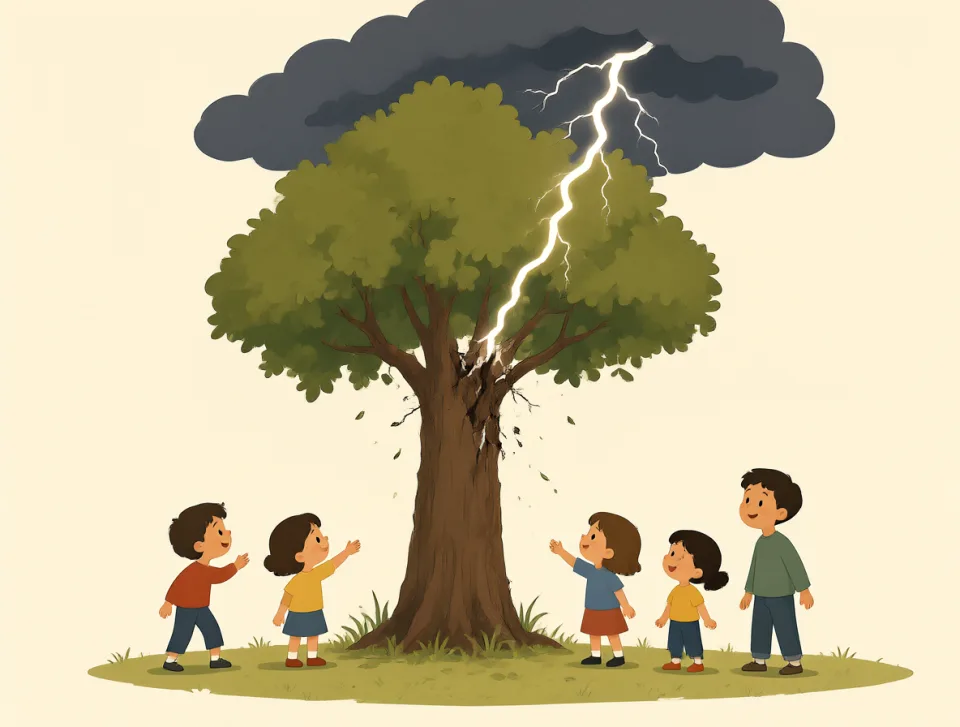
Lightning struck the tall tree yesterday.
Hôm qua, sét đánh trúng cái cây cao.
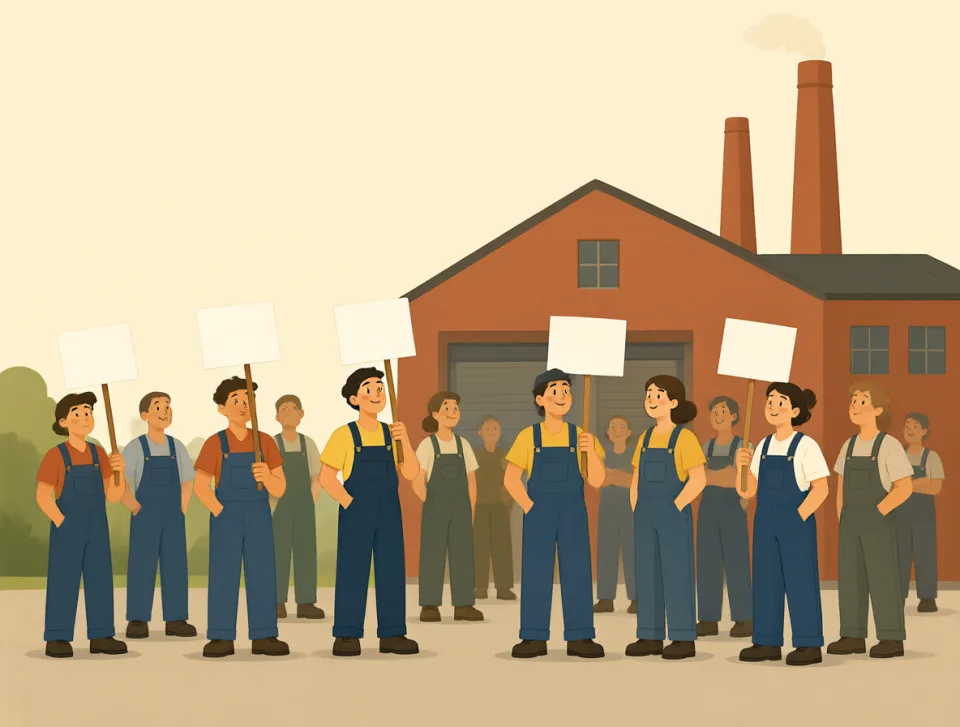
The workers went on strike last week.
Tuần trước, công nhân đã đình công.

She struck a match to light the candle.
Cô ấy quẹt một que diêm để thắp nến.

A strange idea struck me on the bus.
Một ý tưởng kỳ lạ chợt nảy ra trong đầu tôi trên xe buýt.

mile
#777noun
dặm
A unit of distance equal to 1,609 meters or 5,280 feet.
Đơn vị đo khoảng cách bằng 1.609 mét hoặc 5.280 feet.

The hotel is two miles from here.
Khách sạn cách đây hai dặm.

We walked three miles along the beach.
Chúng tôi đi bộ ba dặm dọc theo bãi biển.

She drives five miles to work.
Cô ấy lái xe năm dặm để đi làm.
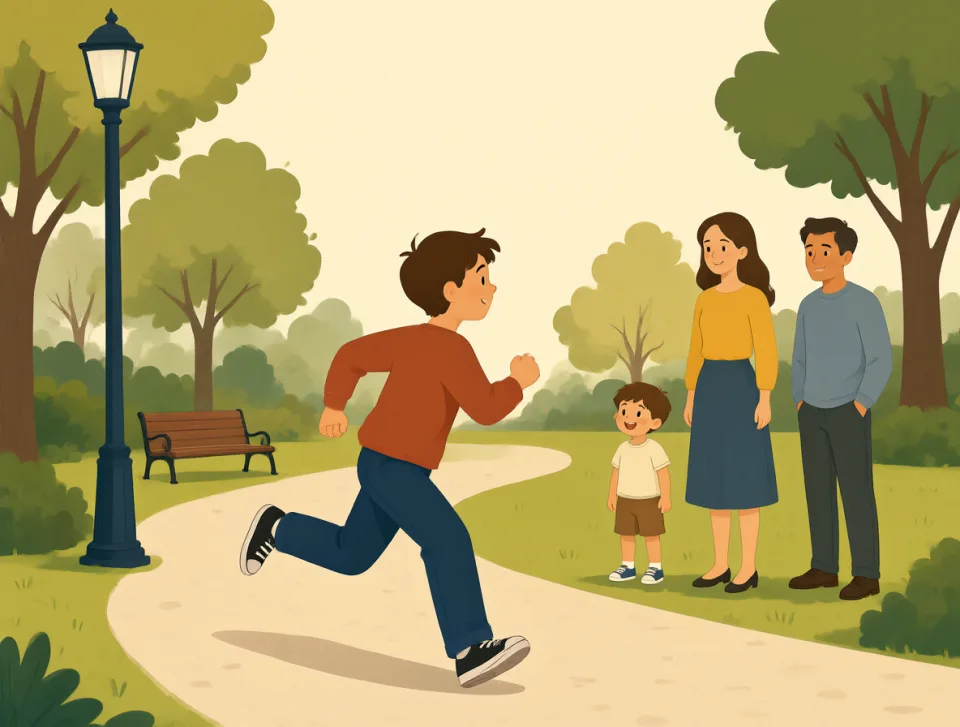
My brother ran a mile yesterday.
Hôm qua, anh trai tôi đã chạy một dặm.

The shop is half a mile away.
Cửa hàng cách đây nửa dặm.

seek
#778verb
tìm kiếm
to try to find or get something
cố gắng tìm hoặc đạt được điều gì đó

We seek help when we have problems.
Khi gặp vấn đề, chúng ta tìm kiếm sự giúp đỡ.

She sought advice from her doctor.
Cô ấy đã xin lời khuyên từ bác sĩ.

They are seeking a new place to live.
Họ đang tìm nơi ở mới.

The school seeks more volunteers this year.
Năm nay, trường đang tìm thêm tình nguyện viên.

He sought a quiet café near the station.
Anh ấy tìm một quán cà phê yên tĩnh gần nhà ga.

ability
#779noun
khả năng
The skill or power to do something.
Kỹ năng hoặc năng lực để làm một việc gì đó.
She has the ability to speak three languages.
Cô ấy có khả năng nói ba thứ tiếng.

His ability to swim saved his life.
Khả năng bơi của anh ấy đã cứu mạng anh ấy.

The test checks your ability to read.
Bài kiểm tra đánh giá khả năng đọc của bạn.

This job needs the ability to work quickly.
Công việc này đòi hỏi khả năng làm việc nhanh.

Exercise can improve your ability to sleep.
Tập thể dục có thể cải thiện khả năng ngủ của bạn.
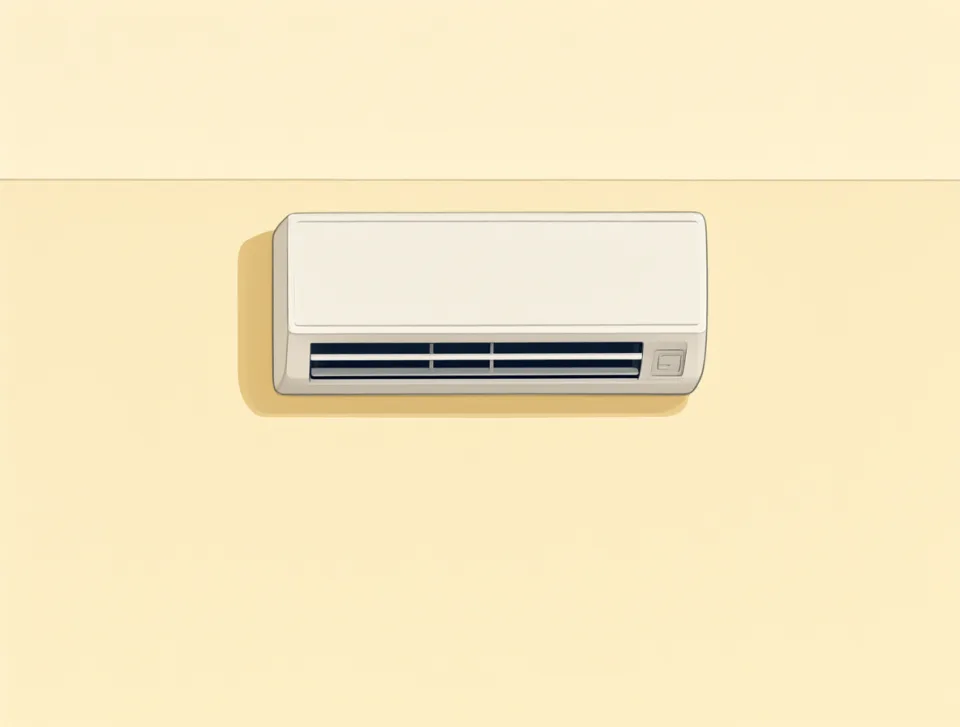
unit
#780noun
đơn vị
one single thing that is part of a larger group or system
một phần riêng lẻ thuộc về một nhóm hoặc hệ thống lớn hơn
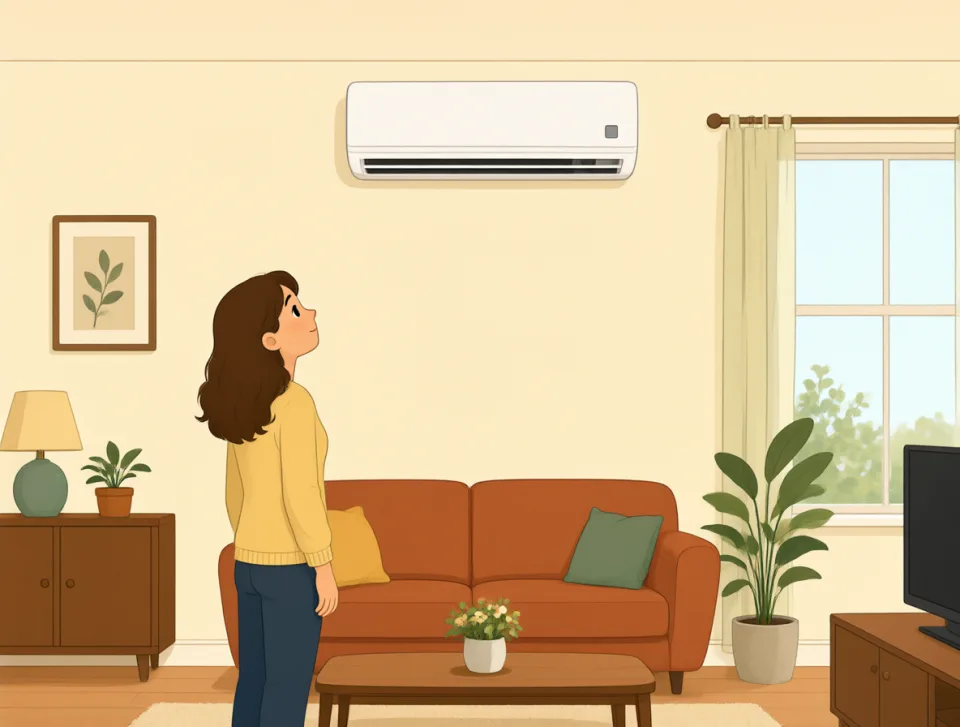
The air conditioning unit is broken.
Bộ phận điều hòa không khí bị hỏng.
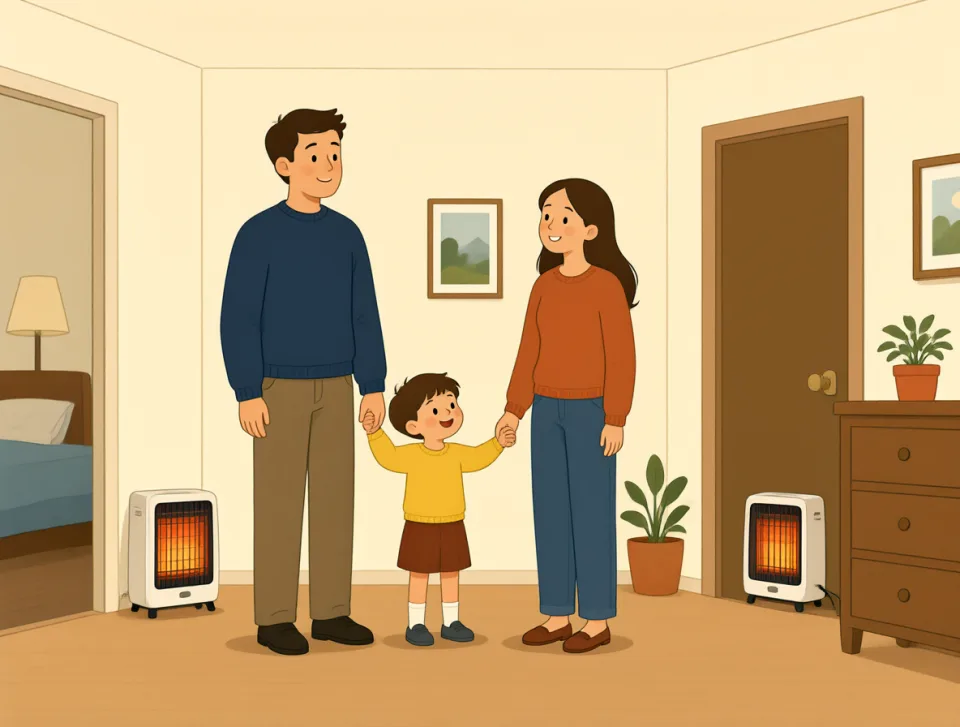
Our apartment has three heating units.
Căn hộ của chúng tôi có ba bộ sưởi.
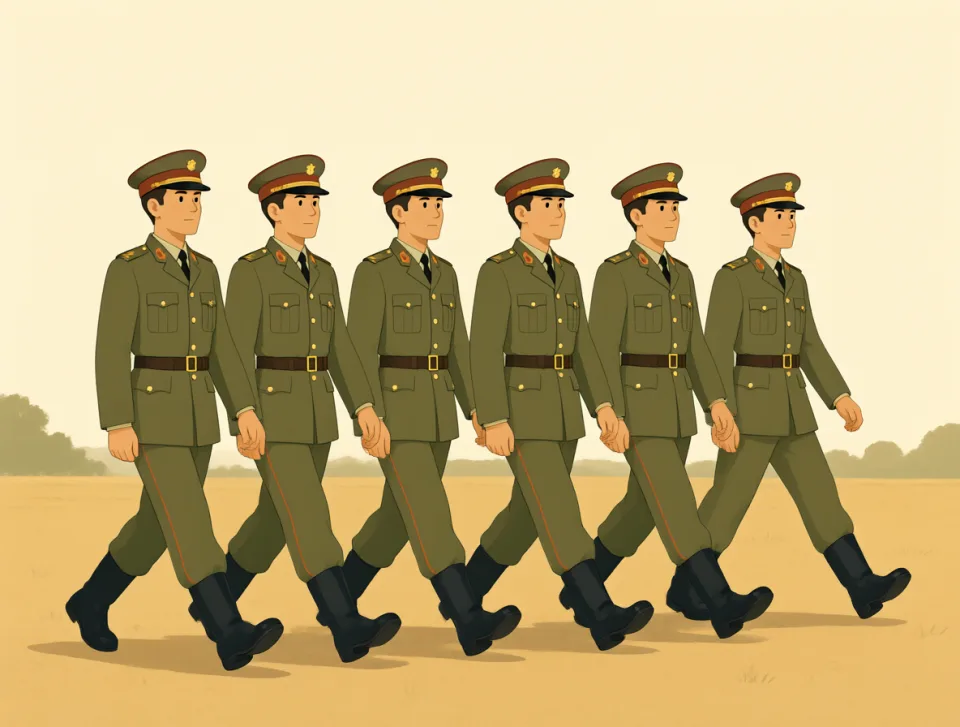
The soldiers moved as one unit.
Những người lính di chuyển thành một đội hình thống nhất.
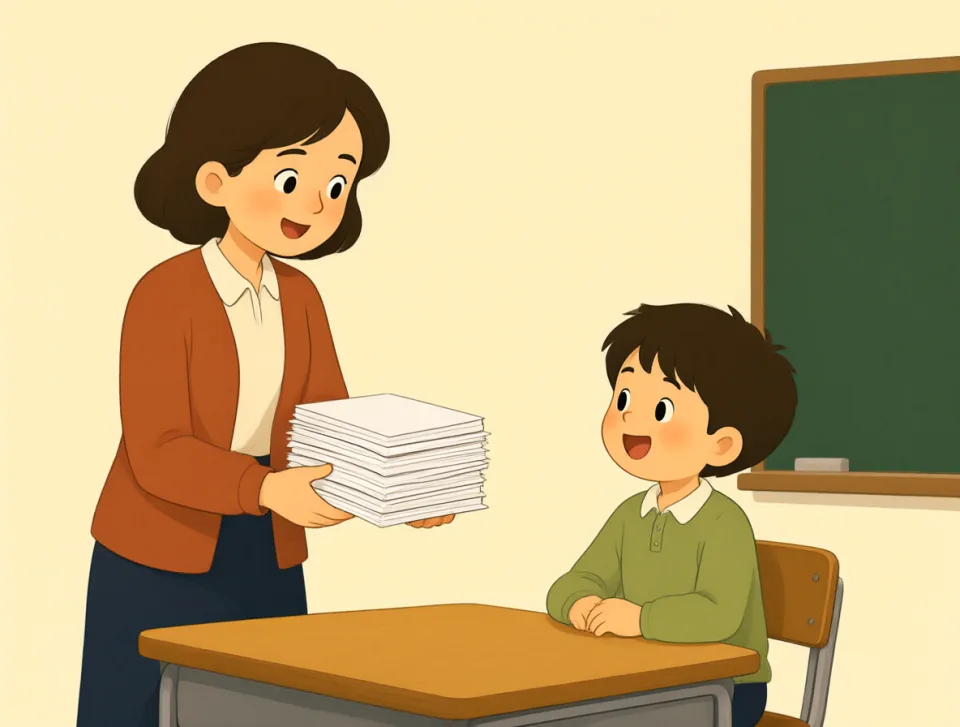
This course has six study units.
Khóa học này có sáu học phần.
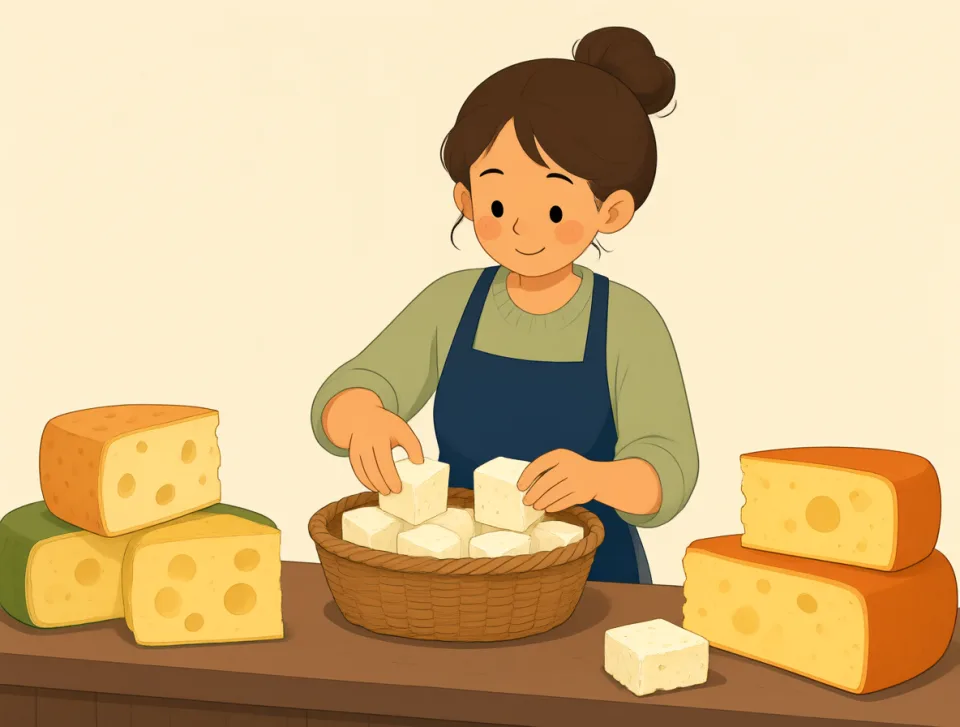
The shop sells units of fresh cheese.
Cửa hàng bán những miếng phô mai tươi.