Preparing for a Tough Interview
까다로운 인터뷰 준비하기
Communications advisor Grace coaches company spokesperson Mia before a high-stakes interview. They practice staying composed, answering directly, and bridging back to the company’s key message.
커뮤니케이션 자문가 그레이스가 중요한 인터뷰를 앞둔 회사 대변인 미아를 코칭합니다. 두 사람은 침착함을 유지하고, 질문에 직접 답한 뒤, 회사의 핵심 메시지로 다시 연결하는 연습을 합니다.
대화12
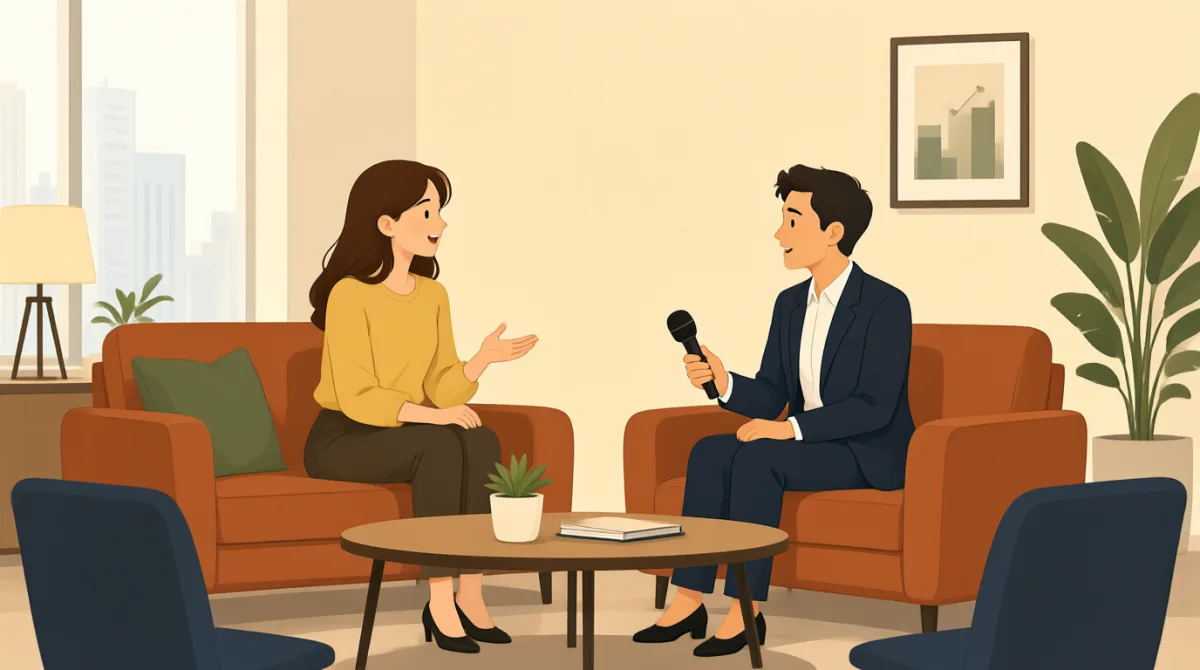

Let’s start with the question you’re most likely to get: “Why should the public believe the company now, after its assurances failed to prevent this recall?”
가장 많이 받을 법한 질문부터 시작해 보죠. “회사의 약속이 리콜을 막지 못했는데, 이제 대중이 회사를 믿어야 하는 이유가 뭡니까?”

I’d say we take the concern seriously, and we understand that trust has to be earned through what we do, not simply what we say.
저라면 우려를 심각하게 받아들이고 있으며, 신뢰는 말뿐 아니라 행동으로 얻어야 한다는 점을 이해하고 있다고 답하겠습니다.
That’s measured, but it doesn’t answer the question yet. Give a direct response first, then explain what the company is doing differently.
신중한 답변이긴 하지만, 아직 질문에 답하진 않았어요. 먼저 직접적으로 답한 다음, 회사가 무엇을 다르게 하고 있는지 설명하세요.
You’re right. I could say, “The public shouldn’t take our assurances on faith. We need to demonstrate, transparently and consistently, that our corrective actions are working.”
맞아요. 이렇게 말할 수 있겠네요. “대중이 우리 약속을 무조건 믿어서는 안 됩니다. 시정 조치가 효과를 내고 있다는 점을 투명하고 꾸준하게 보여 드려야 합니다.”
Good. Now suppose the reporter cuts you off and asks, “So you admit the company put customers at risk?” Don’t accept a premise you can’t verify.
좋아요. 이번에는 기자가 말을 끊고 이렇게 묻는다고 해 보죠. “그러니까 회사가 고객을 위험에 빠뜨렸다는 걸 인정하시는 겁니까?” 확인할 수 없는 전제를 받아들이지 마세요.
I would acknowledge the concern without repeating that characterization: “Any potential safety issue is serious. We’re reviewing what happened and acting on the findings.”
그런 식의 표현을 되풀이하지 않으면서 우려를 인정하겠습니다. “안전과 관련해 잠재적인 문제가 있다면 모두 심각하게 받아들여야 합니다. 무슨 일이 있었는지 확인하고, 조사 결과에 따라 조치하고 있습니다.”
Exactly. Avoid sounding defensive, and don’t speculate about intent or assign blame before the review is complete. What’s the one point viewers must remember?
바로 그거예요. 방어적으로 들리지 않게 하고, 조사가 끝나기 전에 의도를 추측하거나 누구에게 책임을 돌리지 마세요. 시청자들이 꼭 기억해야 할 한 가지는 뭐죠?
That customer safety comes first, and we’re taking concrete steps to address the issue, share verified information, and prevent a recurrence.
고객 안전이 최우선이며, 문제를 해결하고 확인된 정보를 공유하며 재발을 막기 위해 구체적인 조치를 취하고 있다는 점입니다.
That’s your anchor. If a question gets tangled in blame or speculation, answer the concern briefly, then bridge back with, “What I can tell you is…”
그게 핵심 메시지예요. 질문이 책임 공방이나 추측으로 흐르면 우려에 짧게 답한 뒤, “제가 말씀드릴 수 있는 건…”이라고 말하며 핵심으로 다시 연결하세요.
And if I don’t know a detail, I should say so rather than fill the silence. I can offer to confirm it and follow up with accurate information.
그리고 세부 내용을 모르면 침묵을 채우려고 지어내기보다 모른다고 해야겠네요. 확인해서 정확한 정보를 나중에 알려드리겠다고 할 수 있고요.
Right. Pause before answering, keep your tone even, and make the distinction between confirmed facts and anything still under review. A short answer can be a strong one.
맞아요. 답하기 전에 잠시 멈추고, 차분한 어조를 유지하세요. 확인된 사실과 아직 조사 중인 내용을 분명히 구분하고요. 짧은 답변도 충분히 강력할 수 있어요.
Understood. I’ll be direct about what we know, careful about what we don’t, and consistent about the actions we’re taking to protect customers.
알겠습니다. 알고 있는 내용은 명확하게 말하고, 모르는 내용은 신중하게 다루며, 고객을 보호하기 위해 취하고 있는 조치는 한결같이 설명하겠습니다.
어휘7
- measured차분하고 신중한
Calm and controlled, especially when discussing a sensitive subject. Here, Grace says Mia’s response sounds thoughtful but still needs to answer the question directly.
특히 민감한 주제를 이야기할 때 침착하고 절제된 태도를 뜻해요. 여기서 그레이스는 미아의 답변이 신중하게 들리지만, 질문에 직접 답할 필요가 있다고 말해요.
- on faith무조건 믿고
Without asking for proof or evidence. The phrase emphasizes that the public should not have to trust the company’s promises alone.
증거나 근거를 요구하지 않고 믿는다는 뜻이에요. 이 표현은 대중이 회사의 약속만으로 회사를 믿을 필요는 없다는 점을 강조해요.
- accept a premise전제를 받아들이다
To treat an assumption in a question as true. A spokesperson can respond to the concern without agreeing to an unverified claim.
질문에 담긴 가정을 사실로 취급한다는 뜻이에요. 대변인은 확인되지 않은 주장을 인정하지 않으면서도 우려에는 답할 수 있어요.
- assign blame책임을 돌리다
To say who is responsible for a problem. In this context, it is better not to blame anyone before the review is complete.
문제의 책임이 누구에게 있는지 말한다는 뜻이에요. 여기서는 조사가 끝나기 전에 누구를 탓하지 않는 편이 좋아요.
- anchor핵심 메시지
A central point to return to when a conversation becomes difficult or unfocused. Mia’s anchor is the company’s commitment to customer safety and concrete action.
대화가 어려워지거나 주제에서 벗어날 때 다시 돌아갈 중심 내용을 뜻해요. 미아의 핵심 메시지는 고객 안전을 지키고 구체적으로 행동하겠다는 회사의 약속이에요.
- bridge back핵심 메시지로 다시 연결하다
To move from a difficult or off-topic question back to the main message. A spokesperson can briefly address the concern and then use a phrase such as “What I can tell you is…”
어렵거나 주제에서 벗어난 질문에 답한 뒤, 대화를 주요 메시지로 되돌리는 것을 뜻해요. 대변인은 우려에 간단히 답한 다음 “What I can tell you is…” 같은 표현을 사용할 수 있어요.
- under review조사 중인
Still being examined or investigated. Use this phrase to distinguish confirmed facts from information that has not yet been verified.
아직 검토나 조사가 진행 중이라는 뜻이에요. 확인된 사실과 아직 검증되지 않은 정보를 구분할 때 이 표현을 사용하세요.
핵심 문장7
- 1
The public shouldn’t take our assurances on faith.
대중이 우리 약속을 무조건 믿어서는 안 됩니다.
This directly acknowledges that promises alone may not restore trust. You can adapt it to say that people should not accept claims without evidence.
이 문장은 약속만으로는 신뢰를 되찾기 어려울 수 있다는 점을 직접 인정해요. 증거 없이 주장을 받아들여서는 안 된다는 뜻으로 바꿔 말할 수도 있어요.
- 2
We need to demonstrate, transparently and consistently, that our corrective actions are working.
시정 조치가 효과를 내고 있다는 점을 투명하고 꾸준하게 보여 드려야 합니다.
This explains how an organization can rebuild confidence through visible action. Use the structure “We need to demonstrate that…” to describe what must be proven.
이 문장은 조직이 눈에 보이는 행동으로 어떻게 신뢰를 회복할 수 있는지 설명해요. 무엇을 입증해야 하는지 말할 때 “We need to demonstrate that…”이라는 구조를 사용해 보세요.
- 3
Any potential safety issue is serious.
안전과 관련해 잠재적인 문제가 있다면 모두 심각하게 받아들여야 합니다.
This is a concise way to acknowledge a concern without accepting an unverified characterization. It can be adapted for other sensitive risks, such as privacy or product quality.
확인되지 않은 규정을 인정하지 않으면서 우려를 나타낼 때 쓸 수 있는 간결한 표현이에요. 개인정보 보호나 제품 품질처럼 민감한 위험에 맞게 바꿔 쓸 수도 있어요.
- 4
We’re reviewing what happened and acting on the findings.
무슨 일이 있었는지 확인하고, 조사 결과에 따라 조치하고 있습니다.
This sentence describes both an investigation and a response while avoiding speculation. Use it when the facts are not yet fully established.
이 문장은 추측은 피하면서 조사와 대응을 모두 설명해요. 사실관계가 아직 완전히 밝혀지지 않았을 때 사용하세요.
- 5
What I can tell you is…
제가 말씀드릴 수 있는 건…
This phrase helps redirect an answer toward information you can confirm. Use it to bridge from a difficult question back to your key message.
확인할 수 있는 정보로 답변의 방향을 돌릴 때 도움이 되는 표현이에요. 어려운 질문에서 핵심 메시지로 다시 연결할 때 사용하세요.
- 6
I can offer to confirm it and follow up with accurate information.
확인해서 정확한 정보를 나중에 알려드리겠다고 말씀드릴 수 있습니다.
This gives a professional response when you do not know a detail. It shows that you will verify the information rather than guess.
세부 내용을 모를 때 전문적으로 답하는 표현이에요. 추측하는 대신 정보를 확인하겠다는 뜻을 전달해요.
- 7
I’ll be direct about what we know, careful about what we don’t, and consistent about the actions we’re taking to protect customers.
알고 있는 내용은 명확하게 말하고, 모르는 내용은 신중하게 다루며, 고객을 보호하기 위해 취하고 있는 조치는 한결같이 설명하겠습니다.
This sentence summarizes a balanced approach to a high-stakes interview: be clear, avoid overstating uncertain facts, and keep the focus on action. You can reuse its parallel structure to describe your own communication principles.
이 문장은 중요한 인터뷰에 필요한 균형 잡힌 태도를 요약해요. 명확하게 말하고, 불확실한 사실을 과장하지 않으며, 행동에 초점을 맞추는 거예요. 이처럼 나란히 이어지는 문장 구조를 활용해 자신의 소통 원칙을 설명할 수도 있어요.