A Hostile Question About the Recall
리콜에 대한 적대적인 질문
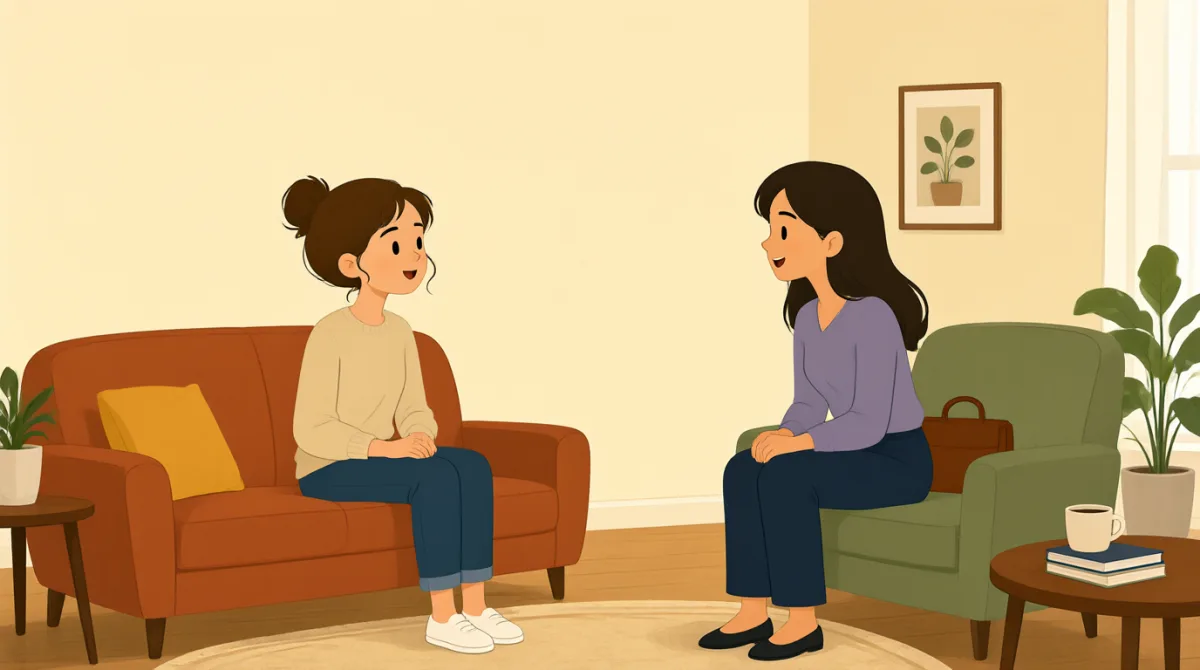
Emma challenges Mia over a recent product recall, suggesting the company acted only after customers were put at risk. Mia acknowledges the seriousness of the concern without accepting the reporter’s loaded framing.
에마는 최근 제품 리콜과 관련해 미아에게 회사가 고객을 위험에 빠뜨린 뒤에야 조치를 취한 것 아니냐고 따져 묻습니다. 미아는 우려가 심각하다는 점은 인정하지만, 기자가 제시한 편향된 해석은 받아들이지 않습니다.
대화10

The company says it acted to protect customers. But you issued the recall only after people had already used the product. Isn’t it fair to say you waited until customers were put at risk?
회사는 고객을 보호하기 위해 조치를 취했다고 말합니다. 하지만 이미 사람들이 제품을 사용한 뒤에야 리콜을 발표했죠. 고객이 위험에 처한 뒤까지 기다렸다고 해도 틀린 말은 아니지 않나요?

I understand why the timing raises concern. Any possibility of a safety issue is serious, and we don’t take that lightly. But I wouldn’t characterize our response as waiting until customers were at risk.
시점 때문에 우려가 제기되는 이유는 이해합니다. 안전 문제가 조금이라도 있을 가능성은 심각하게 받아들여야 하고, 저희도 가볍게 여기지 않습니다. 하지만 저희가 고객을 위험에 빠뜨릴 때까지 기다렸다고 말하는 건 적절하지 않습니다.
You’re rejecting the wording, but not the basic sequence. Customers had the product; then the company recalled it. Why shouldn’t viewers conclude the response came too late?
표현은 부인하시지만, 기본적인 순서는 부인하지 않으시는군요. 고객들이 제품을 갖고 있었고, 그다음 회사가 리콜했죠. 시청자들이 대응이 너무 늦었다고 판단하면 안 되는 이유가 뭔가요?
The sequence matters, but so does what we knew at each point. Once our investigation confirmed a potential safety concern, we initiated the recall and notified customers. We should be judged on the evidence and the actions taken.
그 순서도 중요하지만, 각 시점에 저희가 무엇을 알고 있었는지도 중요합니다. 조사 결과 잠재적인 안전 문제가 확인되자 리콜을 시작하고 고객들에게 알렸습니다. 저희는 증거와 실제로 취한 조치를 기준으로 평가받아야 합니다.
That sounds carefully phrased. Were customers exposed to a danger before you made the announcement—yes or no?
참 신중하게 표현하시네요. 발표하기 전에 고객들이 위험에 노출됐나요, 아닌가요? 예, 아니요로 답해 주세요.
I can’t responsibly give a blanket yes or no without defining the risk. We have not confirmed that the issue caused injuries, but the potential hazard warranted immediate action once identified.
위험이 무엇인지 규정하지 않은 채 무조건 예나 아니요로 답하는 건 책임 있는 답변이 아닙니다. 해당 문제로 부상이 발생했다는 사실은 확인되지 않았지만, 잠재적 위험이 확인된 뒤에는 즉각적인 조치가 필요했습니다.
So no confirmed injuries—but you’re asking people to trust that the company moved quickly. What concrete evidence can you offer, beyond your assurance?
그러니까 확인된 부상은 없지만, 회사가 신속하게 움직였다는 말은 믿어 달라는 거군요. 확언 말고 구체적인 증거를 제시해 주실 수 있나요?
We published the recall notice, contacted customers through our established channels, and set up a dedicated support line. We’re also cooperating with regulators and sharing verified updates as the review proceeds.
리콜 공지를 게시했고, 기존 연락망을 통해 고객들에게 연락했으며, 전담 고객 지원 전화도 개설했습니다. 규제 당국에도 협조하고 있고, 검토가 진행되는 동안 확인된 정보를 계속 공유하고 있습니다.
You keep referring to the investigation. Isn’t that a convenient way to avoid saying whether the company made a mistake?
계속 조사 이야기를 하시네요. 회사가 실수했는지 말하지 않으려는 데 편리한 방법 아닌가요?
If the review shows we fell short, we’ll say so and explain what must change. Right now, our priority is making sure customers can identify the product, stop using it, and obtain a remedy.
검토 결과 저희가 기대에 미치지 못한 점이 드러난다면, 그 사실을 인정하고 무엇을 바꿔야 하는지 설명하겠습니다. 지금은 고객들이 해당 제품을 확인하고, 사용을 중단하고, 필요한 구제 조치를 받을 수 있도록 하는 게 최우선입니다.
어휘8
- raises concern우려를 불러일으키다
Means causes people to worry or question whether something is safe or appropriate. Here, it refers to the timing of the recall.
사람들이 걱정하거나 어떤 것이 안전하거나 적절한지 의문을 품게 한다는 뜻이에요. 여기서는 리콜 시점 때문에 우려가 생긴다는 말이에요.
- characterize our response as저희의 대응을 ~라고 규정하다
Means describe or present the company’s response in a particular way. It is useful for disagreeing with someone’s framing without dismissing the underlying concern.
회사의 대응을 특정한 방식으로 묘사하거나 제시한다는 뜻이에요. 상대방이 상황을 규정한 방식에는 동의하지 않으면서도, 그 밑에 깔린 우려 자체는 인정하고 싶을 때 유용해요.
- confirmed a potential safety concern잠재적인 안전 문제가 확인되다
Means established that there was a possible safety issue, even if its effects were not yet certain. The phrase distinguishes identifying a risk from proving that harm occurred.
영향이 아직 확실하지 않더라도 안전 문제가 있을 가능성이 확인됐다는 뜻이에요. 실제 피해가 발생했다는 사실을 입증하는 것과 위험을 파악하는 것을 구분하는 표현이에요.
- blanket yes or no무조건 예나 아니요로 답하기
A simple yes-or-no answer that ignores important qualifications. Use this phrase when a question cannot be answered responsibly without clarifying the circumstances.
중요한 조건이나 세부 사항을 무시한 채 단순히 예나 아니요로 답하는 것을 말해요. 상황을 명확히 해야 책임 있게 답할 수 있는 질문에 이 표현을 써요.
- warranted immediate action즉각적인 조치가 필요했다
Means made prompt action necessary or justified. It is a concise way to explain why an organization acted.
신속한 조치가 필요했거나 정당했다는 뜻이에요. 조직이 왜 조치를 취했는지 간결하게 설명할 때 쓸 수 있어요.
- concrete evidence구체적인 증거
Specific, verifiable information rather than a general promise or personal assurance. It is often used to ask someone to support a claim with facts.
막연한 약속이나 개인의 확언이 아니라, 구체적이고 검증할 수 있는 정보를 말해요. 주장을 뒷받침할 사실을 요구할 때 자주 쓰여요.
- fell short기대에 미치지 못하다
Means failed to meet an expected standard. It is a measured way to acknowledge possible mistakes without making a premature judgment.
기대되는 기준을 충족하지 못했다는 뜻이에요. 성급하게 결론을 내리지 않으면서도 실수가 있었을 가능성을 인정하는 신중한 표현이에요.
- obtain a remedy구제 조치를 받다
Means receive a solution or form of compensation for a problem. In this context, it refers to the help available to affected customers.
문제에 대한 해결책이나 보상을 받는다는 뜻이에요. 여기서는 피해를 입은 고객들이 받을 수 있는 도움을 가리켜요.
핵심 문장8
- 1
I understand why the timing raises concern.
시점 때문에 우려가 제기되는 이유는 이해합니다.
This acknowledges the other person’s concern without conceding that their interpretation is correct. Reuse it to recognize a reasonable worry before giving your response.
상대방의 해석이 옳다고 인정하지 않으면서도 우려 자체는 이해한다고 말하는 표현이에요. 타당한 걱정을 인정한 뒤 자신의 입장을 설명할 때 활용해 보세요.
- 2
But I wouldn’t characterize our response as waiting until customers were at risk.
하지만 저희의 대응을 고객들이 위험에 처할 때까지 기다린 것이라고 말하는 건 적절하지 않습니다.
This politely rejects a loaded description while addressing the allegation directly. Reuse “I wouldn’t characterize [something] as…” to challenge someone’s framing.
상대방의 편향된 표현을 정중히 거부하면서도 그 주장의 핵심에는 직접 답하는 표현이에요. 누군가의 해석에 이의를 제기할 때 “I wouldn’t characterize [something] as…”를 활용해 보세요.
- 3
Once our investigation confirmed a potential safety concern, we initiated the recall and notified customers.
조사 결과 잠재적인 안전 문제가 확인되자 리콜을 시작하고 고객들에게 알렸습니다.
This gives a clear sequence of events and connects the decision to the evidence available. Reuse “Once [event], we [action]” to explain when and why a response began.
사건이 어떤 순서로 진행됐는지 분명히 설명하고, 당시 확보된 증거와 결정 사이의 관계를 보여주는 문장이에요. 대응을 언제, 왜 시작했는지 설명할 때 “Once [event], we [action]”을 활용해 보세요.
- 4
I can’t responsibly give a blanket yes or no without defining the risk.
위험이 무엇인지 규정하지 않고 무조건 예나 아니요로 답하는 건 책임 있는 태도가 아닙니다.
This explains why a forced yes-or-no answer would be misleading. Reuse it when a question needs clarification before it can be answered accurately.
예나 아니요로만 답하면 왜 오해를 불러일으킬 수 있는지 설명하는 문장이에요. 정확하게 답하려면 먼저 질문을 명확히 해야 할 때 활용해 보세요.
- 5
We have not confirmed that the issue caused injuries, but the potential hazard warranted immediate action once identified.
해당 문제로 부상이 발생했다는 사실은 확인되지 않았지만, 잠재적 위험이 확인된 뒤에는 즉각적인 조치가 필요했습니다.
This carefully separates what is known from what still requires confirmation, while explaining why action was taken. Reuse “We have not confirmed [claim], but…” to balance uncertainty with a clear position.
확인된 사실과 추가 확인이 필요한 점을 신중히 구분하면서, 조치를 취한 이유도 설명하는 문장이에요. 불확실한 점과 분명한 입장을 함께 전달할 때 “We have not confirmed [claim], but…”를 활용해 보세요.
- 6
What concrete evidence can you offer, beyond your assurance?
확언 말고 구체적인 증거를 제시해 주실 수 있나요?
This asks for verifiable support rather than a general promise. Reuse “What concrete evidence can you offer?” when you need someone to substantiate a claim.
막연한 약속이 아니라 검증할 수 있는 근거를 요구하는 표현이에요. 주장을 뒷받침할 자료가 필요할 때 “What concrete evidence can you offer?”를 활용해 보세요.
- 7
If the review shows we fell short, we’ll say so and explain what must change.
검토 결과 저희가 기대에 미치지 못한 점이 드러난다면, 그 사실을 인정하고 무엇을 바꿔야 하는지 설명하겠습니다.
This promises accountability while avoiding a conclusion before the review is complete. Reuse “If [process] shows we fell short…” to address possible failures responsibly.
검토가 끝나기도 전에 결론을 내리지 않으면서 책임을 지겠다고 약속하는 문장이에요. 문제가 있었을 가능성을 신중하게 다룰 때 “If [process] shows we fell short…”를 활용해 보세요.
- 8
Right now, our priority is making sure customers can identify the product, stop using it, and obtain a remedy.
지금은 고객들이 제품을 확인하고, 사용을 중단하고, 필요한 구제 조치를 받을 수 있도록 하는 게 최우선입니다.
This redirects the discussion toward immediate, practical steps for affected people. Reuse “Our priority is making sure…” to state a clear goal and the actions needed to achieve it.
논의를 피해를 입은 사람들이 당장 취할 수 있는 실질적인 조치로 돌리는 문장이에요. 분명한 목표와 그 목표를 이루기 위해 필요한 일을 말할 때 “Our priority is making sure…”를 활용해 보세요.