Preparing for a Tough Interview
Zorlu Bir Röportaja Hazırlık
Communications advisor Grace coaches company spokesperson Mia before a high-stakes interview. They practice staying composed, answering directly, and bridging back to the company’s key message.
İletişim danışmanı Grace, önemli bir röportaj öncesinde şirket sözcüsü Mia’yı çalıştırıyor. Sakin kalma, doğrudan yanıt verme ve konuşmayı şirketin temel mesajına döndürme pratiği yapıyorlar.
Diyalog12
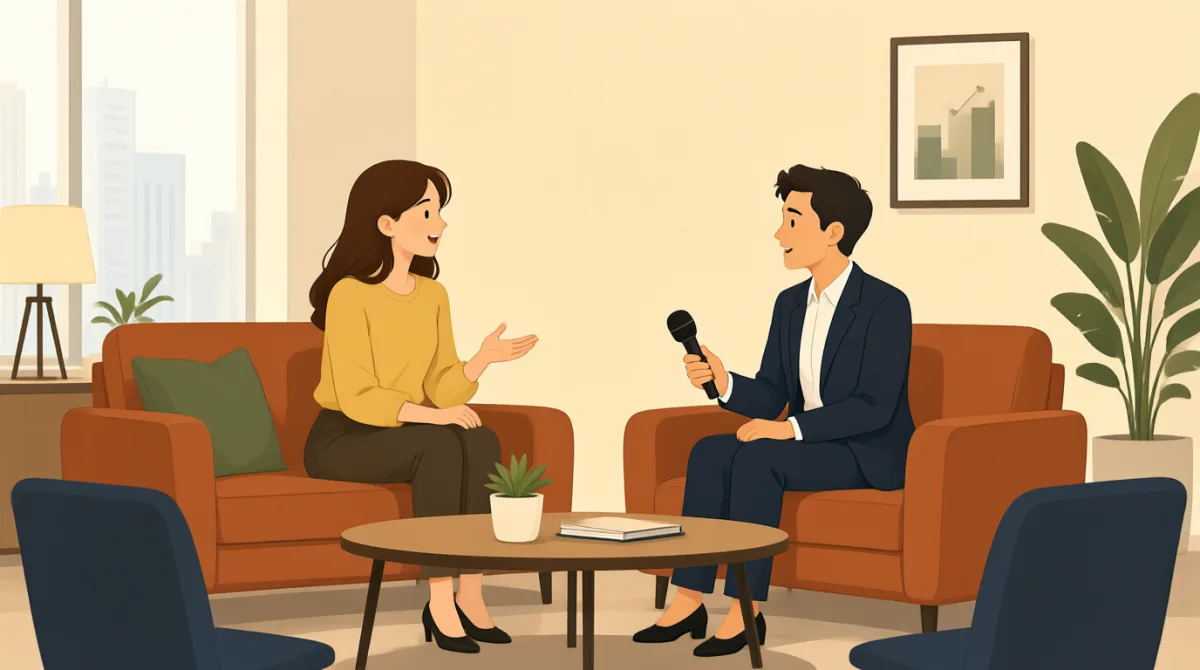

Let’s start with the question you’re most likely to get: “Why should the public believe the company now, after its assurances failed to prevent this recall?”
En olası soruyla başlayalım: “Şirketin verdiği güvenceler bu geri çağırmayı önleyememişken halk neden şimdi şirkete inansın?”

I’d say we take the concern seriously, and we understand that trust has to be earned through what we do, not simply what we say.
Endişeyi ciddiye aldığımızı ve güvenin yalnızca söylediklerimizle değil, yaptıklarımızla kazanılması gerektiğini anladığımızı söylerdim.
That’s measured, but it doesn’t answer the question yet. Give a direct response first, then explain what the company is doing differently.
Ölçülü bir yanıt, ama henüz soruyu yanıtlamıyor. Önce doğrudan cevap ver, sonra şirketin neyi farklı yaptığını açıkla.
You’re right. I could say, “The public shouldn’t take our assurances on faith. We need to demonstrate, transparently and consistently, that our corrective actions are working.”
Haklısın. Şöyle diyebilirim: “Halk, güvencelerimize sorgusuz sualsiz inanmamalı. Düzeltici adımlarımızın işe yaradığını şeffaf ve tutarlı biçimde göstermemiz gerekiyor.”
Good. Now suppose the reporter cuts you off and asks, “So you admit the company put customers at risk?” Don’t accept a premise you can’t verify.
Güzel. Şimdi muhabirin sözünü kesip “Yani şirketin müşterileri riske attığını kabul ediyorsunuz?” diye sorduğunu varsayalım. Doğruluğunu teyit edemeyeceğin bir varsayımı kabul etme.
I would acknowledge the concern without repeating that characterization: “Any potential safety issue is serious. We’re reviewing what happened and acting on the findings.”
Bu nitelendirmeyi tekrarlamadan endişeyi kabul ederdim: “Olası her güvenlik sorunu ciddidir. Ne olduğunu inceliyor ve bulgular doğrultusunda harekete geçiyoruz.”
Exactly. Avoid sounding defensive, and don’t speculate about intent or assign blame before the review is complete. What’s the one point viewers must remember?
Aynen. Savunmaya geçiyormuş gibi görünme, inceleme tamamlanmadan niyet hakkında tahminde bulunma ya da suçu birine yükleme. İzleyicilerin aklında kalması gereken tek nokta ne?
That customer safety comes first, and we’re taking concrete steps to address the issue, share verified information, and prevent a recurrence.
Müşteri güvenliği her şeyden önce gelir; sorunu çözmek, doğrulanmış bilgileri paylaşmak ve tekrar yaşanmasını önlemek için somut adımlar atıyoruz.
That’s your anchor. If a question gets tangled in blame or speculation, answer the concern briefly, then bridge back with, “What I can tell you is…”
Temel mesajın bu. Soru suçlama ya da tahminlerle içinden çıkılmaz bir hâl alırsa endişeyi kısaca yanıtla, sonra “Size söyleyebileceğim şu ki…” diyerek konuyu ana mesaja bağla.
And if I don’t know a detail, I should say so rather than fill the silence. I can offer to confirm it and follow up with accurate information.
Peki bilmediğim bir ayrıntı varsa sessizliği doldurmaya çalışmak yerine bunu söylemeliyim. Teyit edip doğru bilgilerle geri dönüş yapmayı önerebilirim.
Right. Pause before answering, keep your tone even, and make the distinction between confirmed facts and anything still under review. A short answer can be a strong one.
Doğru. Yanıtlamadan önce duraksayıp düşün, ses tonunu dengeli tut ve doğrulanmış gerçeklerle hâlâ incelenmekte olan bilgileri birbirinden ayır. Kısa bir yanıt da güçlü olabilir.
Understood. I’ll be direct about what we know, careful about what we don’t, and consistent about the actions we’re taking to protect customers.
Anladım. Bildiklerimiz konusunda doğrudan, bilmediklerimiz konusunda temkinli olacağım ve müşterileri korumak için attığımız adımları tutarlı biçimde aktaracağım.
Kelime Bilgisi7
- measuredölçülü
Calm and controlled, especially when discussing a sensitive subject. Here, Grace says Mia’s response sounds thoughtful but still needs to answer the question directly.
Özellikle hassas bir konuyu ele alırken sakin ve kontrollü olmak demektir. Burada Grace, Mia’nın yanıtının düşünülmüş olduğunu ama yine de soruya doğrudan cevap vermesi gerektiğini söylüyor.
- on faithsorgusuz sualsiz
Without asking for proof or evidence. The phrase emphasizes that the public should not have to trust the company’s promises alone.
Kanıt ya da delil istemeden demektir. Bu ifade, halkın yalnızca şirketin vaatlerine güvenmek zorunda olmadığını vurgular.
- accept a premisebir varsayımı kabul etmek
To treat an assumption in a question as true. A spokesperson can respond to the concern without agreeing to an unverified claim.
Bir sorudaki varsayımı doğruymuş gibi ele almak demektir. Bir sözcü, doğrulanmamış bir iddiayı kabul etmeden de endişeye yanıt verebilir.
- assign blamesuçu birine yüklemek
To say who is responsible for a problem. In this context, it is better not to blame anyone before the review is complete.
Bir sorundan kimin sorumlu olduğunu söylemek demektir. Bu bağlamda, inceleme tamamlanmadan kimseyi suçlamamak daha doğru olur.
- anchortemel mesaj
A central point to return to when a conversation becomes difficult or unfocused. Mia’s anchor is the company’s commitment to customer safety and concrete action.
Bir konuşma zorlaştığında ya da odağından saptığında geri dönülecek ana noktadır. Mia’nın temel mesajı, şirketin müşteri güvenliğine bağlılığı ve somut adımlar atmasıdır.
- bridge backkonuyu ana mesaja bağlamak
To move from a difficult or off-topic question back to the main message. A spokesperson can briefly address the concern and then use a phrase such as “What I can tell you is…”
Zor ya da konuyla ilgisiz bir sorudan ana mesaja dönmek demektir. Bir sözcü endişeyi kısaca ele alıp ardından “What I can tell you is…” gibi bir ifade kullanabilir.
- under reviewinceleme altında
Still being examined or investigated. Use this phrase to distinguish confirmed facts from information that has not yet been verified.
Hâlâ incelenmekte ya da araştırılmakta olmak demektir. Doğrulanmış gerçekleri henüz teyit edilmemiş bilgilerden ayırmak için bu ifadeyi kullan.
Önemli Cümleler7
- 1
The public shouldn’t take our assurances on faith.
Halk, güvencelerimize sorgusuz sualsiz inanmamalı.
This directly acknowledges that promises alone may not restore trust. You can adapt it to say that people should not accept claims without evidence.
Bu cümle, tek başına verilen sözlerin güveni yeniden sağlamaya yetmeyebileceğini doğrudan kabul eder. İnsanların iddiaları kanıt olmadan kabul etmemesi gerektiğini söylemek için uyarlayabilirsin.
- 2
We need to demonstrate, transparently and consistently, that our corrective actions are working.
Düzeltici adımlarımızın işe yaradığını şeffaf ve tutarlı biçimde göstermemiz gerekiyor.
This explains how an organization can rebuild confidence through visible action. Use the structure “We need to demonstrate that…” to describe what must be proven.
Bu cümle, bir kuruluşun görünür eylemlerle güveni nasıl yeniden kazanabileceğini açıklar. Kanıtlanması gerekenleri anlatırken “We need to demonstrate that…” yapısını kullan.
- 3
Any potential safety issue is serious.
Olası her güvenlik sorunu ciddidir.
This is a concise way to acknowledge a concern without accepting an unverified characterization. It can be adapted for other sensitive risks, such as privacy or product quality.
Bu, doğrulanmamış bir nitelendirmeyi kabul etmeden endişeyi dile getirmenin kısa bir yoludur. Gizlilik ya da ürün kalitesi gibi başka hassas riskler için de uyarlayabilirsin.
- 4
We’re reviewing what happened and acting on the findings.
Ne olduğunu inceliyor ve bulgular doğrultusunda harekete geçiyoruz.
This sentence describes both an investigation and a response while avoiding speculation. Use it when the facts are not yet fully established.
Bu cümle, tahminde bulunmadan hem bir incelemeyi hem de verilecek karşılığı anlatır. Gerçekler henüz tam olarak ortaya çıkmadığında kullan.
- 5
What I can tell you is…
Size söyleyebileceğim şu ki…
This phrase helps redirect an answer toward information you can confirm. Use it to bridge from a difficult question back to your key message.
Bu ifade, yanıtı doğrulayabileceğin bilgilere yönlendirmene yardımcı olur. Zor bir sorudan temel mesajına dönmek için kullan.
- 6
I can offer to confirm it and follow up with accurate information.
Bunu teyit edip doğru bilgilerle geri dönüş yapmayı önerebilirim.
This gives a professional response when you do not know a detail. It shows that you will verify the information rather than guess.
Bir ayrıntıyı bilmediğinde profesyonel bir yanıt vermeni sağlar. Tahmin yürütmek yerine bilgiyi doğrulayacağını gösterir.
- 7
I’ll be direct about what we know, careful about what we don’t, and consistent about the actions we’re taking to protect customers.
Bildiğimiz konularda doğrudan, bilmediklerimiz konusunda temkinli ve müşterileri korumak için attığımız adımlar konusunda tutarlı olacağım.
This sentence summarizes a balanced approach to a high-stakes interview: be clear, avoid overstating uncertain facts, and keep the focus on action. You can reuse its parallel structure to describe your own communication principles.
Bu cümle, önemli bir röportaj için dengeli bir yaklaşımı özetler: açık konuş, belirsiz gerçekleri abartma ve odağı eylemlerde tut. Kendi iletişim ilkelerini anlatırken bu paralel yapıyı kullanabilirsin.