Preparing for a Tough Interview
الاستعداد لمقابلة صعبة
Communications advisor Grace coaches company spokesperson Mia before a high-stakes interview. They practice staying composed, answering directly, and bridging back to the company’s key message.
تدرّب مستشارة الاتصالات غريس المتحدثة باسم الشركة ميا قبل مقابلة بالغة الأهمية. وتتدربان على الحفاظ على رباطة الجأش، والإجابة بوضوح، والعودة إلى الرسالة الرئيسية للشركة.
حوار12
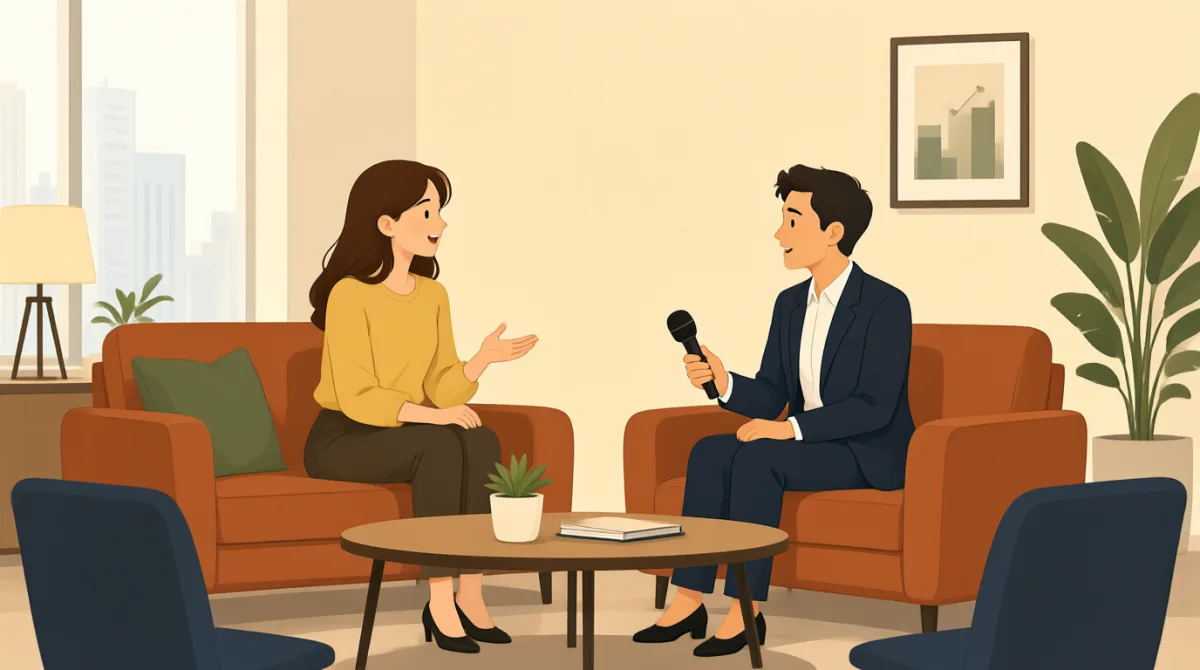

Let’s start with the question you’re most likely to get: “Why should the public believe the company now, after its assurances failed to prevent this recall?”
لنبدأ بالسؤال الأرجح أن يطرحه الصحفي: «لماذا ينبغي للجمهور أن يصدق الشركة الآن، بعدما لم تمنع تطميناتها هذا الاستدعاء؟»

I’d say we take the concern seriously, and we understand that trust has to be earned through what we do, not simply what we say.
سأقول إننا نأخذ هذا القلق على محمل الجد، وندرك أن علينا كسب الثقة من خلال أفعالنا، لا أقوالنا فحسب.
That’s measured, but it doesn’t answer the question yet. Give a direct response first, then explain what the company is doing differently.
هذه إجابة متزنة، لكنها لا تجيب عن السؤال بعد. أجيبي مباشرة أولًا، ثم اشرحي ما الذي تفعله الشركة بشكل مختلف.
You’re right. I could say, “The public shouldn’t take our assurances on faith. We need to demonstrate, transparently and consistently, that our corrective actions are working.”
معك حق. يمكنني أن أقول: «ينبغي ألا يصدق الجمهور تطميناتنا لمجرد أننا قلناها. علينا أن نثبت، بشفافية واتساق، أن إجراءاتنا التصحيحية تؤتي ثمارها».
Good. Now suppose the reporter cuts you off and asks, “So you admit the company put customers at risk?” Don’t accept a premise you can’t verify.
جيد. والآن، افترضي أن الصحفي قاطعك وسأل: «إذًا، هل تقرّين بأن الشركة عرّضت العملاء للخطر؟» لا تقبلي افتراضًا لا يمكنك التحقق منه.
I would acknowledge the concern without repeating that characterization: “Any potential safety issue is serious. We’re reviewing what happened and acting on the findings.”
سأقرّ بالقلق من دون تكرار هذا الوصف: «أي مشكلة محتملة تتعلق بالسلامة أمر خطير. نحن نراجع ما حدث ونتخذ الإجراءات اللازمة بناءً على النتائج».
Exactly. Avoid sounding defensive, and don’t speculate about intent or assign blame before the review is complete. What’s the one point viewers must remember?
بالضبط. تجنبي الظهور بمظهر دفاعي، ولا تتكهني بشأن النوايا أو تلقي اللوم على أحد قبل اكتمال المراجعة. ما النقطة الوحيدة التي يجب أن يتذكرها المشاهدون؟
That customer safety comes first, and we’re taking concrete steps to address the issue, share verified information, and prevent a recurrence.
أن سلامة العملاء تأتي أولًا، وأننا نتخذ خطوات ملموسة لمعالجة المشكلة، ومشاركة المعلومات التي تم التحقق منها، ومنع تكرارها.
That’s your anchor. If a question gets tangled in blame or speculation, answer the concern briefly, then bridge back with, “What I can tell you is…”
هذه هي رسالتك المحورية. إذا تشعب السؤال إلى اللوم أو التكهنات، فأجيبي عن مصدر القلق بإيجاز، ثم عودي إلى رسالتك بقولك: «ما يمكنني إخباركم به هو…»
And if I don’t know a detail, I should say so rather than fill the silence. I can offer to confirm it and follow up with accurate information.
وإذا لم أعرف تفصيلًا ما، فعليّ أن أقول ذلك بدلًا من ملء الصمت بالكلام. ويمكنني أن أعرض التحقق منه ومتابعة الأمر بمعلومات دقيقة.
Right. Pause before answering, keep your tone even, and make the distinction between confirmed facts and anything still under review. A short answer can be a strong one.
صحيح. توقفي لحظة قبل الإجابة، وحافظي على نبرة هادئة، وميّزي بين الحقائق المؤكدة وما لا يزال قيد المراجعة. قد تكون الإجابة القصيرة قوية.
Understood. I’ll be direct about what we know, careful about what we don’t, and consistent about the actions we’re taking to protect customers.
فهمت. سأكون واضحة بشأن ما نعرفه، وحذرة بشأن ما لا نعرفه، وثابتة في حديثي عن الإجراءات التي نتخذها لحماية العملاء.
المفردات7
- measuredمتزن
Calm and controlled, especially when discussing a sensitive subject. Here, Grace says Mia’s response sounds thoughtful but still needs to answer the question directly.
هادئ ومتحكم في النفس، خصوصًا عند مناقشة موضوع حساس. هنا، تقول غريس إن إجابة ميا تبدو مدروسة، لكنها لا تزال بحاجة إلى إجابة مباشرة عن السؤال.
- on faithعلى سبيل التسليم
Without asking for proof or evidence. The phrase emphasizes that the public should not have to trust the company’s promises alone.
من دون طلب دليل أو إثبات. تؤكد العبارة أن الجمهور لا ينبغي أن يضطر إلى الثقة بوعود الشركة وحدها.
- accept a premiseيقبل افتراضًا
To treat an assumption in a question as true. A spokesperson can respond to the concern without agreeing to an unverified claim.
يتعامل مع افتراض وارد في السؤال على أنه حقيقة. ويمكن للمتحدث باسم الشركة أن يرد على مصدر القلق من دون الموافقة على ادعاء لم يتم التحقق منه.
- assign blameيلقي اللوم
To say who is responsible for a problem. In this context, it is better not to blame anyone before the review is complete.
يحدد الشخص المسؤول عن مشكلة ما. في هذا السياق، من الأفضل عدم إلقاء اللوم على أحد قبل اكتمال المراجعة.
- anchorنقطة ارتكاز
A central point to return to when a conversation becomes difficult or unfocused. Mia’s anchor is the company’s commitment to customer safety and concrete action.
فكرة أساسية يمكن العودة إليها عندما يصبح الحوار صعبًا أو يخرج عن مساره. تتمثل نقطة ارتكاز ميا في التزام الشركة بسلامة العملاء واتخاذ إجراءات ملموسة.
- bridge backيعيد توجيه الحديث إلى الرسالة الأساسية
To move from a difficult or off-topic question back to the main message. A spokesperson can briefly address the concern and then use a phrase such as “What I can tell you is…”
ينقل الحديث من سؤال صعب أو خارج الموضوع إلى الرسالة الرئيسية. ويمكن للمتحدث باسم الشركة أن يرد بإيجاز على مصدر القلق، ثم يستخدم عبارة مثل “What I can tell you is…”
- under reviewقيد المراجعة
Still being examined or investigated. Use this phrase to distinguish confirmed facts from information that has not yet been verified.
لا يزال موضع فحص أو تحقيق. استخدم هذه العبارة للتمييز بين الحقائق المؤكدة والمعلومات التي لم يتم التحقق منها بعد.
الجمل الأساسية7
- 1
The public shouldn’t take our assurances on faith.
ينبغي ألا يصدق الجمهور تطميناتنا لمجرد أننا قلناها.
This directly acknowledges that promises alone may not restore trust. You can adapt it to say that people should not accept claims without evidence.
تقر هذه العبارة مباشرة بأن الوعود وحدها قد لا تعيد الثقة. يمكنك تعديلها لتقول إن الناس لا ينبغي أن يقبلوا الادعاءات من دون دليل.
- 2
We need to demonstrate, transparently and consistently, that our corrective actions are working.
علينا أن نثبت، بشفافية واتساق، أن إجراءاتنا التصحيحية تؤتي ثمارها.
This explains how an organization can rebuild confidence through visible action. Use the structure “We need to demonstrate that…” to describe what must be proven.
تشرح هذه العبارة كيف يمكن للمؤسسة استعادة الثقة من خلال إجراءات ملموسة. استخدم التركيب “We need to demonstrate that…” لوصف ما يجب إثباته.
- 3
Any potential safety issue is serious.
أي مشكلة محتملة تتعلق بالسلامة أمر خطير.
This is a concise way to acknowledge a concern without accepting an unverified characterization. It can be adapted for other sensitive risks, such as privacy or product quality.
هذه طريقة موجزة للإقرار بمصدر قلق من دون قبول وصف لم يتم التحقق منه. ويمكن تكييفها لمخاطر حساسة أخرى، مثل الخصوصية أو جودة المنتجات.
- 4
We’re reviewing what happened and acting on the findings.
نحن نراجع ما حدث ونتخذ الإجراءات اللازمة بناءً على النتائج.
This sentence describes both an investigation and a response while avoiding speculation. Use it when the facts are not yet fully established.
تصف هذه الجملة التحقيق والاستجابة معًا، من دون تكهنات. استخدمها عندما لا تكون الحقائق قد اتضحت بالكامل بعد.
- 5
What I can tell you is…
ما يمكنني إخباركم به هو…
This phrase helps redirect an answer toward information you can confirm. Use it to bridge from a difficult question back to your key message.
تساعد هذه العبارة على توجيه الإجابة نحو معلومات يمكنك تأكيدها. استخدمها للانتقال من سؤال صعب إلى رسالتك الرئيسية.
- 6
I can offer to confirm it and follow up with accurate information.
يمكنني أن أعرض التحقق من الأمر ومتابعته بمعلومات دقيقة.
This gives a professional response when you do not know a detail. It shows that you will verify the information rather than guess.
تقدم هذه العبارة ردًا مهنيًا عندما لا تعرف تفصيلًا ما. وهي تظهر أنك ستتحقق من المعلومات بدلًا من التخمين.
- 7
I’ll be direct about what we know, careful about what we don’t, and consistent about the actions we’re taking to protect customers.
سأكون واضحة بشأن ما نعرفه، وحذرة بشأن ما لا نعرفه، وثابتة في حديثي عن الإجراءات التي نتخذها لحماية العملاء.
This sentence summarizes a balanced approach to a high-stakes interview: be clear, avoid overstating uncertain facts, and keep the focus on action. You can reuse its parallel structure to describe your own communication principles.
تلخص هذه الجملة نهجًا متوازنًا في مقابلة بالغة الأهمية: كن واضحًا، وتجنب المبالغة في عرض الحقائق غير المؤكدة، وركز على الإجراءات. يمكنك إعادة استخدام هذا التركيب المتوازي لوصف مبادئك في التواصل.