Asking for Directions to a Local Landmark
स्थानीय दर्शनीय स्थल का रास्ता पूछना
A traveler is lost or unsure of the way and asks a local person for clear directions to a well-known landmark, clarifying landmarks and street names.
एक यात्री रास्ता भटक गया है या उसे रास्ते का ठीक से पता नहीं है। वह किसी स्थानीय व्यक्ति से मशहूर दर्शनीय स्थल तक पहुँचने का साफ़ रास्ता पूछता है और रास्ते के निशानों व सड़कों के नाम की पुष्टि करता है।
संवाद10
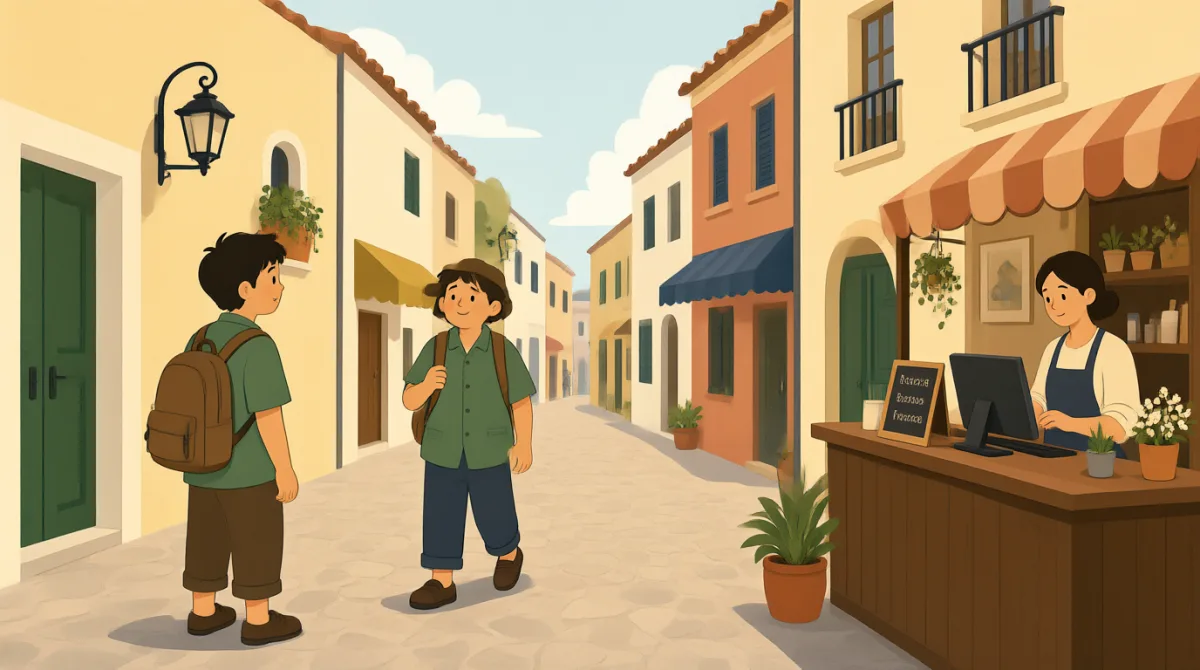

Excuse me, I'm a bit lost. Could you tell me how to get to the Old Town Square?
माफ़ कीजिए, मैं थोड़ा रास्ता भटक गया हूँ। क्या आप मुझे बता सकते हैं कि ओल्ड टाउन स्क्वायर कैसे पहुँचूँ?

Of course! Old Town Square is pretty easy to find from here. Are you walking?
ज़रूर! यहाँ से ओल्ड टाउन स्क्वायर ढूँढ़ना काफ़ी आसान है। क्या आप पैदल जा रहे हैं?
Yes, I am. I think I might have taken a wrong turn somewhere.
हाँ, पैदल ही। मुझे लगता है कि कहीं मैं गलत मोड़ ले बैठा हूँ।
No worries! So, from here, just walk straight down this street, Main Street. You'll pass a large bookstore on your right.
कोई बात नहीं! यहाँ से इस सड़क पर सीधे चलते जाइए। इसका नाम मेन स्ट्रीट है। दाईं ओर आपको एक बड़ी किताबों की दुकान दिखेगी।
Okay, Main Street. And a bookstore.
ठीक है, मेन स्ट्रीट। और किताबों की दुकान।
Exactly. Keep going straight until you reach a big intersection with traffic lights. That's Liberty Avenue. Turn left there.
बिल्कुल। सीधे चलते रहिए, जब तक ट्रैफ़िक लाइट वाले बड़े चौराहे तक न पहुँच जाएँ। वह लिबर्टी एवेन्यू है। वहाँ बाएँ मुड़ जाइए।
Turn left at Liberty Avenue. Got it. How far is it after that?
लिबर्टी एवेन्यू पर बाएँ मुड़ना है। समझ गया। उसके बाद कितनी दूर है?
It's not far at all. You'll see the Old Town Square just a couple of blocks down Liberty Avenue on your right. You can't miss it, there's a big clock tower.
ज़्यादा दूर बिल्कुल नहीं है। लिबर्टी एवेन्यू पर कुछ ही ब्लॉक आगे दाईं ओर ओल्ड टाउन स्क्वायर दिख जाएगा। उसे ढूँढ़ना मुश्किल नहीं है—वहाँ एक बड़ा घंटाघर है।
A clock tower, perfect! Thank you so much for your help, Mia. You've been a lifesaver!
घंटाघर, बढ़िया! आपकी मदद के लिए बहुत-बहुत धन्यवाद, मिया। आपने तो मेरी जान बचा ली!
You're very welcome, Leo! Enjoy the Old Town Square!
आपका स्वागत है, लियो! ओल्ड टाउन स्क्वायर का आनंद लीजिए!
शब्दावली8
- lostरास्ता भटका हुआ
When you don't know where you are or which way to go, you can say you are 'lost'. It's common in travel situations to ask for help.
जब आपको पता न हो कि आप कहाँ हैं या किस दिशा में जाना है, तो आप कह सकते हैं कि आप 'lost' हैं। यात्रा के दौरान मदद माँगते समय यह आम तौर पर कहा जाता है।
- walkingपैदल जाना
This means traveling on foot, not by car or bus. Use it when confirming how you plan to get somewhere, like 'Are you walking?'
इसका मतलब है पैदल सफ़र करना, कार या बस से नहीं। कहीं जाने का आपका तरीका जानने के लिए इसका इस्तेमाल करें, जैसे 'Are you walking?' (क्या आप पैदल जा रहे हैं?)
- wrong turnगलत मोड़
A mistake in direction, like turning left instead of right. Say 'I took a wrong turn' when explaining why you're lost.
दिशा जानने में हुई गलती, जैसे दाएँ की जगह बाएँ मुड़ जाना। रास्ता भटकने की वजह बताते समय कहें 'I took a wrong turn' (मैं गलत मोड़ ले बैठा)।
- no worriesकोई बात नहीं
A friendly way to say 'don't worry' or 'it's okay'. It's casual and reassuring, often used to comfort someone.
'don't worry' या 'it's okay' कहने का दोस्ताना तरीका। यह अनौपचारिक और दिलासा देने वाला वाक्यांश है, जिसका इस्तेमाल अक्सर किसी को चिंता न करने के लिए किया जाता है।
- straightसीधे
Going directly ahead without turning. In directions, say 'go straight' to mean continue in the same direction.
बिना मुड़े आगे बढ़ना। रास्ता बताते समय 'go straight' का मतलब है उसी दिशा में आगे बढ़ते रहना।
- intersectionचौराहा
A place where two or more roads cross. It's useful for giving directions, like 'turn at the intersection'.
वह जगह जहाँ दो या उससे ज़्यादा सड़कें एक-दूसरे को काटती हैं। रास्ता बताते समय यह काम आता है, जैसे 'turn at the intersection' (चौराहे पर मुड़ें)।
- blocksब्लॉक
Short distances between streets in a city, like city blocks. Use it to describe short walks, e.g., 'a couple of blocks'.
शहर में दो सड़कों के बीच की छोटी दूरी, जिसे एक ब्लॉक कहते हैं। थोड़ी दूर पैदल चलने का रास्ता बताने के लिए इसका इस्तेमाल करें, जैसे 'a couple of blocks' (कुछ ब्लॉक)।
- lifesaverबहुत बड़ी मदद करने वाला व्यक्ति
Someone who helps you a lot in a difficult situation. It's an idiom to thank someone sincerely, like after getting directions.
ऐसा व्यक्ति जो मुश्किल स्थिति में आपकी बहुत मदद करे। किसी को दिल से धन्यवाद देने के लिए यह मुहावरा इस्तेमाल होता है, जैसे रास्ता बताने के बाद।
मुख्य वाक्य8
- 1
Excuse me, I'm a bit lost. Could you tell me how to get to the Old Town Square?
माफ़ कीजिए, मैं थोड़ा रास्ता भटक गया हूँ। क्या आप मुझे बता सकते हैं कि ओल्ड टाउन स्क्वायर कैसे पहुँचूँ?
This is a polite way to ask for directions when you're unsure of your location. 'Excuse me' gets attention, 'I'm a bit lost' explains the problem, and 'how to get to' asks for the route. Use it at the start of travel conversations.
जब आपको ठीक से पता न हो कि आप कहाँ हैं, तो रास्ता पूछने का यह एक विनम्र तरीका है। 'Excuse me' (माफ़ कीजिए) किसी का ध्यान खींचता है, 'I'm a bit lost' (मैं थोड़ा रास्ता भटक गया हूँ) समस्या बताता है, और 'how to get to' (कैसे पहुँचें) रास्ता पूछता है। यात्रा के दौरान बातचीत शुरू करने के लिए इसका इस्तेमाल करें।
- 2
Of course! Old Town Square is pretty easy to find from here. Are you walking?
ज़रूर! यहाँ से ओल्ड टाउन स्क्वायर ढूँढ़ना काफ़ी आसान है। क्या आप पैदल जा रहे हैं?
A helpful response offering assistance. 'Of course' means 'yes, happily', and the question 'Are you walking?' clarifies the travel method to give better directions. It's useful for locals helping tourists.
यह मदद की पेशकश करने वाला एक उपयोगी जवाब है। 'Of course' का मतलब है 'हाँ, खुशी से', और 'Are you walking?' वाला सवाल यह जानने के लिए है कि आप कैसे जा रहे हैं, ताकि बेहतर रास्ता बताया जा सके। पर्यटकों की मदद करने वाले स्थानीय लोगों के लिए यह वाक्य उपयोगी है।
- 3
Yes, I am. I think I might have taken a wrong turn somewhere.
हाँ, पैदल ही। मुझे लगता है कि कहीं मैं गलत मोड़ ले बैठा हूँ।
This confirms the method of travel and explains the mistake. 'Yes, I am' is a full answer to a yes/no question. Use it to provide more details when asking for help.
इससे जाने का तरीका पक्का होता है और हुई गलती के बारे में बताया जाता है। 'Yes, I am' हाँ या ना वाले सवाल का पूरा जवाब है। मदद माँगते समय ज़्यादा जानकारी देने के लिए इसका इस्तेमाल करें।
- 4
No worries! So, from here, just walk straight down this street, Main Street. You'll pass a large bookstore on your right.
कोई बात नहीं! यहाँ से इस सड़क पर सीधे चलते जाइए। इसका नाम मेन स्ट्रीट है। दाईं ओर आपको एक बड़ी किताबों की दुकान दिखेगी।
Reassures the person and starts giving directions. 'Walk straight down' means go ahead without turning, and 'you'll pass' predicts what they'll see. This pattern is key for clear step-by-step instructions.
यह सामने वाले को तसल्ली देता है और रास्ता बताना शुरू करता है। 'Walk straight down' का मतलब है बिना मुड़े आगे बढ़ना, और 'you'll pass' बताता है कि आगे आपको क्या दिखेगा। साफ़-साफ़ कदम-दर-कदम रास्ता बताने के लिए यह तरीका ज़रूरी है।
- 5
Keep going straight until you reach a big intersection with traffic lights. That's Liberty Avenue. Turn left there.
सीधे चलते रहिए, जब तक ट्रैफ़िक लाइट वाले बड़े चौराहे तक न पहुँच जाएँ। वह लिबर्टी एवेन्यू है। वहाँ बाएँ मुड़ जाइए।
Continues directions with a condition: 'until you reach' means go ahead until a point. 'Turn left' is a basic direction command. Use this structure for sequential steps in navigation.
इसमें एक शर्त के साथ आगे का रास्ता बताया गया है: 'until you reach' का मतलब है किसी जगह तक पहुँचने तक आगे बढ़ते रहना। 'Turn left' बाएँ मुड़ने का सीधा निर्देश है। रास्ता बताते समय एक के बाद एक कदम बताने के लिए इस ढाँचे का इस्तेमाल करें।
- 6
It's not far at all. You'll see the Old Town Square just a couple of blocks down Liberty Avenue on your right. You can't miss it, there's a big clock tower.
ज़्यादा दूर बिल्कुल नहीं है। लिबर्टी एवेन्यू पर कुछ ही ब्लॉक आगे दाईं ओर ओल्ड टाउन स्क्वायर दिख जाएगा। उसे ढूँढ़ना मुश्किल नहीं है—वहाँ एक बड़ा घंटाघर है।
Describes distance and landmarks to help. 'Not far at all' reassures it's close, 'a couple of blocks' means short distance, and 'you can't miss it' means it's obvious. Great for ending directions positively.
दूरी और रास्ते के निशान बताकर मदद की गई है। 'Not far at all' भरोसा दिलाता है कि जगह पास ही है, 'a couple of blocks' का मतलब है थोड़ी दूरी, और 'you can't miss it' का मतलब है कि वह आसानी से दिख जाएगी। रास्ता अच्छे अंदाज़ में बताकर ख़त्म करने के लिए ये वाक्यांश बढ़िया हैं।
- 7
Thank you so much for your help, Mia. You've been a lifesaver!
आपकी मदद के लिए बहुत-बहुत धन्यवाद, मिया। आपने तो मेरी जान बचा ली!
A grateful closing. 'Thank you so much' emphasizes thanks, and 'lifesaver' is idiomatic for big help. Use it to politely end a helpful conversation.
यह बातचीत का आभार जताने वाला समापन है। 'Thank you so much' धन्यवाद पर ज़ोर देता है, और 'lifesaver' बहुत बड़ी मदद करने वाले व्यक्ति के लिए इस्तेमाल होने वाला मुहावरा है। मददगार बातचीत को विनम्रता से ख़त्म करने के लिए इसका इस्तेमाल करें।
- 8
You're very welcome, Leo! Enjoy the Old Town Square!
आपका स्वागत है, लियो! ओल्ड टाउन स्क्वायर का आनंद लीजिए!
Polite response to thanks. 'You're very welcome' is standard, and 'Enjoy...' wishes well. It's a friendly way to end interactions in tourism scenarios.
धन्यवाद के जवाब में कहने का यह विनम्र तरीका है। 'You're very welcome' एक आम जवाब है, और 'Enjoy...' किसी के अच्छे समय की कामना करता है। पर्यटन से जुड़ी बातचीत का दोस्ताना अंत करने के लिए यह अच्छा तरीका है।