Asking for Directions to a Local Landmark
السؤال عن الاتجاهات إلى معلم محلي
A traveler is lost or unsure of the way and asks a local person for clear directions to a well-known landmark, clarifying landmarks and street names.
ضلّ مسافر طريقه أو لم يتأكد من الاتجاه، فيسأل أحد السكان المحليين عن كيفية الوصول إلى معلم شهير، ويتحقق من أسماء الشوارع والمعالم.
حوار10
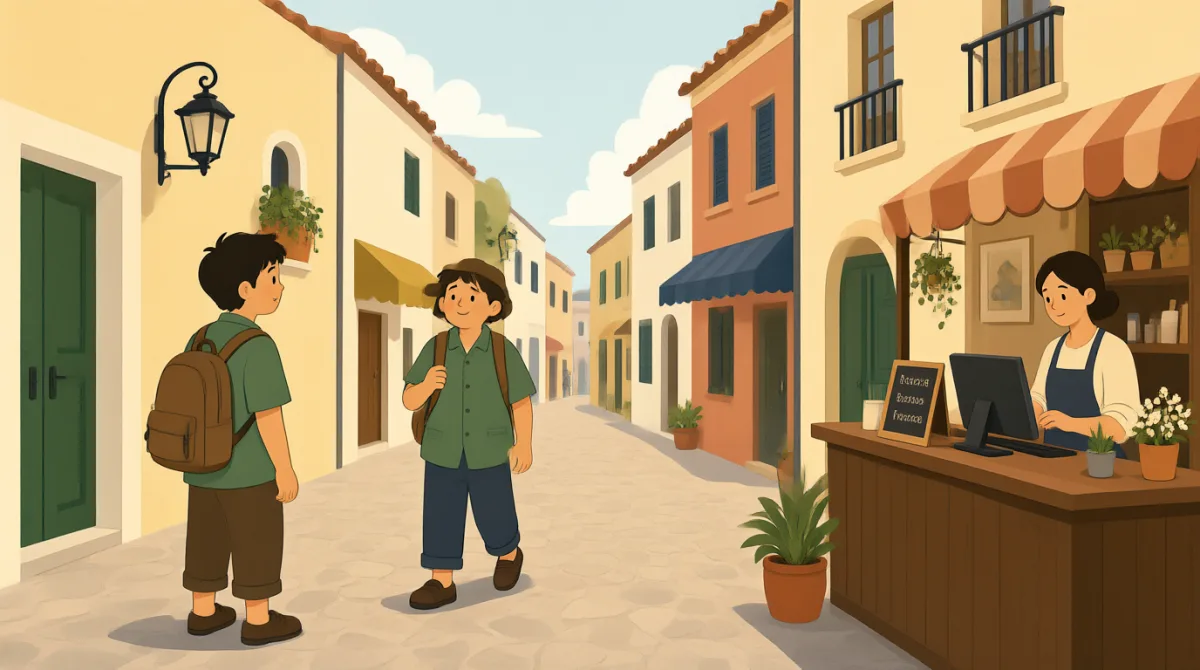

Excuse me, I'm a bit lost. Could you tell me how to get to the Old Town Square?
عذرًا، لقد تهت قليلًا. هل يمكنك أن تخبرني كيف أصل إلى ساحة البلدة القديمة؟

Of course! Old Town Square is pretty easy to find from here. Are you walking?
بالطبع! من السهل جدًا العثور على ساحة البلدة القديمة من هنا. هل ستذهب سيرًا على الأقدام؟
Yes, I am. I think I might have taken a wrong turn somewhere.
نعم. أظن أنني ربما انعطفت في الاتجاه الخطأ في مكان ما.
No worries! So, from here, just walk straight down this street, Main Street. You'll pass a large bookstore on your right.
لا تقلق! من هنا، تابع السير مباشرةً في هذا الشارع، شارع مين. ستمر بمكتبة كبيرة على يمينك.
Okay, Main Street. And a bookstore.
حسنًا، شارع مين. ومكتبة.
Exactly. Keep going straight until you reach a big intersection with traffic lights. That's Liberty Avenue. Turn left there.
بالضبط. واصل السير مباشرةً حتى تصل إلى تقاطع كبير فيه إشارات مرور. هذا هو شارع ليبرتي. انعطف يسارًا هناك.
Turn left at Liberty Avenue. Got it. How far is it after that?
انعطف يسارًا عند شارع ليبرتي. فهمت. كم تبعد بعد ذلك؟
It's not far at all. You'll see the Old Town Square just a couple of blocks down Liberty Avenue on your right. You can't miss it, there's a big clock tower.
إنها قريبة جدًا. سترى ساحة البلدة القديمة على يمينك بعد بضعة مربعات سكنية فقط في شارع ليبرتي. لن تخطئها، فهناك برج ساعة كبير.
A clock tower, perfect! Thank you so much for your help, Mia. You've been a lifesaver!
برج ساعة، ممتاز! شكرًا جزيلًا على مساعدتك يا ليو. لقد أنقذتني!
You're very welcome, Leo! Enjoy the Old Town Square!
على الرحب والسعة يا ليو! استمتع بزيارة ساحة البلدة القديمة!
المفردات8
- lostتائه
When you don't know where you are or which way to go, you can say you are 'lost'. It's common in travel situations to ask for help.
عندما لا تعرف أين أنت أو أي اتجاه تسلك، يمكنك أن تقول إنك «تائه». من الشائع طلب المساعدة بهذه الطريقة أثناء السفر.
- walkingالسير على الأقدام
This means traveling on foot, not by car or bus. Use it when confirming how you plan to get somewhere, like 'Are you walking?'
يعني هذا الانتقال مشيًا، لا بالسيارة أو الحافلة. استخدمه لتوضيح كيف تنوي الوصول إلى مكان ما، مثل السؤال: 'Are you walking?' (هل ستذهب سيرًا على الأقدام؟).
- wrong turnانعطاف خاطئ
A mistake in direction, like turning left instead of right. Say 'I took a wrong turn' when explaining why you're lost.
هو خطأ في الاتجاه، مثل الانعطاف يسارًا بدلًا من اليمين. قل 'I took a wrong turn' (انعطفت في الاتجاه الخطأ) لتوضيح سبب تيهك.
- no worriesلا تقلق
A friendly way to say 'don't worry' or 'it's okay'. It's casual and reassuring, often used to comfort someone.
طريقة ودودة لقول 'don't worry' (لا تقلق) أو 'it's okay' (لا بأس). تُقال بأسلوب غير رسمي لطمأنة شخص ومواساته.
- straightمباشرةً
Going directly ahead without turning. In directions, say 'go straight' to mean continue in the same direction.
التقدم إلى الأمام من دون انعطاف. في إعطاء الاتجاهات، تعني 'go straight' (تابع السير مباشرةً) أن تواصل في الاتجاه نفسه.
- intersectionتقاطع
A place where two or more roads cross. It's useful for giving directions, like 'turn at the intersection'.
مكان يلتقي فيه طريقان أو أكثر. يفيد في إعطاء الاتجاهات، مثل 'turn at the intersection' (انعطف عند التقاطع).
- blocksمربعات سكنية
Short distances between streets in a city, like city blocks. Use it to describe short walks, e.g., 'a couple of blocks'.
مسافات قصيرة بين الشوارع في المدينة، وتُقاس بمربعات المدينة. تُستخدم لوصف مسافة مشي قصيرة، مثل 'a couple of blocks' (بضعة مربعات سكنية).
- lifesaverمنقذ
Someone who helps you a lot in a difficult situation. It's an idiom to thank someone sincerely, like after getting directions.
شخص يساعدك كثيرًا في موقف صعب. تُستخدم هذه العبارة المجازية لشكر شخص بصدق، مثلما يحدث بعد أن يرشدك إلى الطريق.
الجمل الأساسية8
- 1
Excuse me, I'm a bit lost. Could you tell me how to get to the Old Town Square?
عذرًا، لقد تهت قليلًا. هل يمكنك أن تخبرني كيف أصل إلى ساحة البلدة القديمة؟
This is a polite way to ask for directions when you're unsure of your location. 'Excuse me' gets attention, 'I'm a bit lost' explains the problem, and 'how to get to' asks for the route. Use it at the start of travel conversations.
هذه طريقة مهذبة لطلب الاتجاهات عندما لا تكون متأكدًا من مكانك. تجذب عبارة 'Excuse me' (عذرًا) انتباه الشخص، وتوضح 'I'm a bit lost' (لقد تهت قليلًا) المشكلة، أما 'how to get to' (كيف أصل إلى) فتسأل عن الطريق. استخدمها في بداية الحديث أثناء السفر.
- 2
Of course! Old Town Square is pretty easy to find from here. Are you walking?
بالطبع! من السهل جدًا العثور على ساحة البلدة القديمة من هنا. هل ستذهب سيرًا على الأقدام؟
A helpful response offering assistance. 'Of course' means 'yes, happily', and the question 'Are you walking?' clarifies the travel method to give better directions. It's useful for locals helping tourists.
ردّ مفيد يعرض المساعدة. تعني 'Of course' (بالطبع) «نعم، بكل سرور»، ويوضح السؤال 'Are you walking?' (هل ستذهب سيرًا على الأقدام؟) وسيلة التنقل حتى يتمكن المتحدث من إعطاء اتجاهات أنسب. يفيد هذا التعبير السكان المحليين عند مساعدة السياح.
- 3
Yes, I am. I think I might have taken a wrong turn somewhere.
نعم. أظن أنني ربما انعطفت في الاتجاه الخطأ في مكان ما.
This confirms the method of travel and explains the mistake. 'Yes, I am' is a full answer to a yes/no question. Use it to provide more details when asking for help.
تؤكد هذه العبارة وسيلة التنقل وتشرح الخطأ. 'Yes, I am' إجابة كاملة عن سؤال بنعم أو لا. استخدمها لتقديم تفاصيل إضافية عندما تطلب المساعدة.
- 4
No worries! So, from here, just walk straight down this street, Main Street. You'll pass a large bookstore on your right.
لا تقلق! من هنا، تابع السير مباشرةً في هذا الشارع، شارع مين. ستمر بمكتبة كبيرة على يمينك.
Reassures the person and starts giving directions. 'Walk straight down' means go ahead without turning, and 'you'll pass' predicts what they'll see. This pattern is key for clear step-by-step instructions.
تطمئن الشخص ثم تبدأ بإعطائه الاتجاهات. تعني 'Walk straight down' (تابع السير مباشرةً) التقدم من دون انعطاف، وتشير 'you'll pass' (ستمر بـ) إلى ما سيراه الشخص في الطريق. هذا التركيب أساسي لإعطاء تعليمات واضحة خطوةً خطوة.
- 5
Keep going straight until you reach a big intersection with traffic lights. That's Liberty Avenue. Turn left there.
واصل السير مباشرةً حتى تصل إلى تقاطع كبير فيه إشارات مرور. هذا هو شارع ليبرتي. انعطف يسارًا هناك.
Continues directions with a condition: 'until you reach' means go ahead until a point. 'Turn left' is a basic direction command. Use this structure for sequential steps in navigation.
تتابع هذه العبارة إعطاء الاتجاهات مع تحديد نقطة الوصول: تعني 'until you reach' (حتى تصل إلى) أن تواصل السير إلى أن تبلغ مكانًا معينًا. أما 'Turn left' (انعطف يسارًا) فهي تعليمات أساسية للاتجاه. استخدم هذا الأسلوب لشرح خطوات الطريق بالترتيب.
- 6
It's not far at all. You'll see the Old Town Square just a couple of blocks down Liberty Avenue on your right. You can't miss it, there's a big clock tower.
إنها قريبة جدًا. سترى ساحة البلدة القديمة على يمينك بعد بضعة مربعات سكنية فقط في شارع ليبرتي. لن تخطئها، فهناك برج ساعة كبير.
Describes distance and landmarks to help. 'Not far at all' reassures it's close, 'a couple of blocks' means short distance, and 'you can't miss it' means it's obvious. Great for ending directions positively.
تصف هذه العبارة المسافة والمعالم لتسهيل الوصول. تطمئن 'Not far at all' (قريبة جدًا) إلى أن المكان قريب، وتعني 'a couple of blocks' (بضعة مربعات سكنية) مسافة قصيرة، أما 'you can't miss it' (لن تخطئها) فتعني أن المكان واضح. إنها طريقة جيدة لإنهاء إعطاء الاتجاهات بنبرة مشجعة.
- 7
Thank you so much for your help, Mia. You've been a lifesaver!
شكرًا جزيلًا على مساعدتك يا ميا. لقد أنقذتني!
A grateful closing. 'Thank you so much' emphasizes thanks, and 'lifesaver' is idiomatic for big help. Use it to politely end a helpful conversation.
هذه عبارة ختامية تعبّر عن الامتنان. تؤكد 'Thank you so much' (شكرًا جزيلًا) على الشكر، وتُستخدم 'lifesaver' مجازيًا للتعبير عن تقديم مساعدة كبيرة. قلها لإنهاء حديث مفيد بأدب.
- 8
You're very welcome, Leo! Enjoy the Old Town Square!
على الرحب والسعة يا ليو! استمتع بزيارة ساحة البلدة القديمة!
Polite response to thanks. 'You're very welcome' is standard, and 'Enjoy...' wishes well. It's a friendly way to end interactions in tourism scenarios.
هذا رد مهذب على الشكر. عبارة 'You're very welcome' (على الرحب والسعة) شائعة، أما 'Enjoy...' (استمتع بـ...) فتتمنى للشخص وقتًا طيبًا. وهي طريقة ودودة لإنهاء الحديث في مواقف السياحة.