Practicing Basic Car Controls
कार के बुनियादी नियंत्रणों का अभ्यास
On the practice ground or a quiet street, the instructor guides the student through fundamental car controls like starting, stopping, steering, and shifting gears (if applicable).
अभ्यास मैदान या किसी शांत सड़क पर प्रशिक्षक छात्र को कार चलाने के बुनियादी नियंत्रणों का अभ्यास कराता है, जैसे कार स्टार्ट करना, रोकना, स्टीयरिंग संभालना और (जहाँ लागू हो) गियर बदलना।
संवाद8
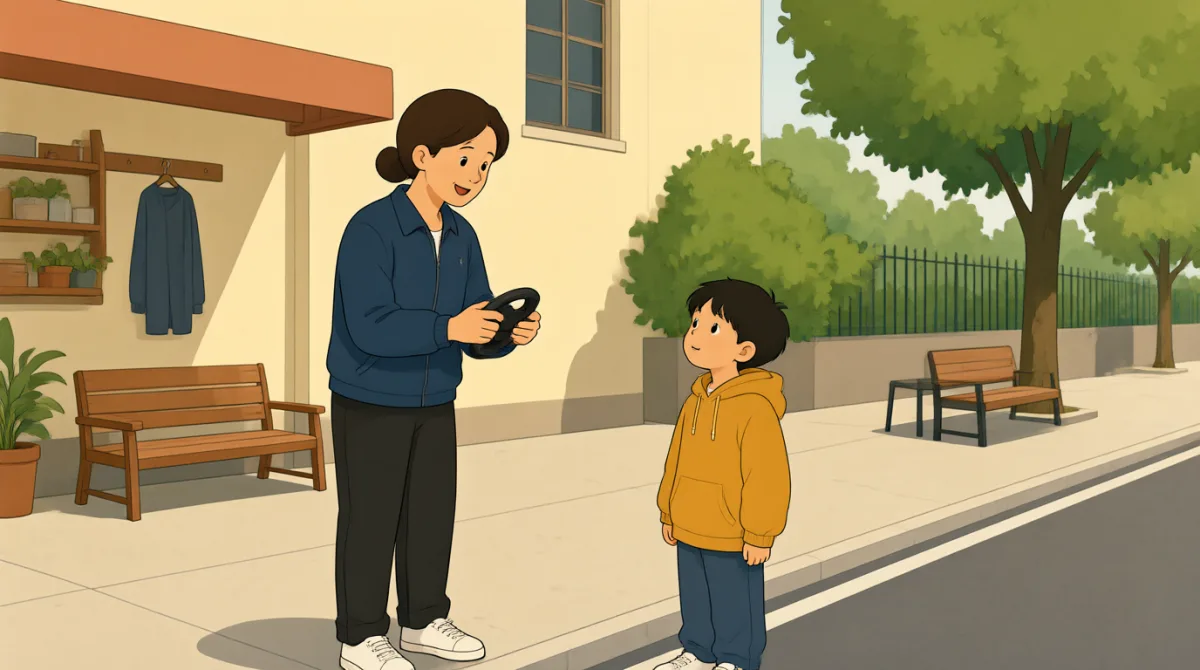

Alright, Emma, let's start with the basics today. We'll focus on getting comfortable with starting and stopping the car smoothly.
ठीक है, एमा, आज बुनियादी बातों से शुरू करते हैं। हम कार को आसानी से स्टार्ट करने और रोकने में सहज होने पर ध्यान देंगे।

Sounds good, Jack. I'm a bit nervous about the clutch, to be honest.
अच्छा रहेगा, जैक। सच कहूँ तो क्लच को लेकर मुझे थोड़ी घबराहट हो रही है।
That's perfectly normal. We'll take it slow. First, just try to feel the 'biting point' of the clutch without touching the accelerator. Just the clutch and the brake.
यह बिल्कुल सामान्य है। हम धीरे-धीरे करेंगे। पहले, एक्सेलरेटर छुए बिना क्लच का 'biting point' महसूस करने की कोशिश करो। बस क्लच और ब्रेक।
Okay, so slowly release the clutch until I feel the car start to move, then press it back down to stop?
ठीक है, तो क्लच को धीरे-धीरे छोड़ूँ, जब तक मुझे लगे कि कार चलने लगी है, फिर उसे वापस दबाकर रोक दूँ?
Exactly. Once you feel that slight vibration or the car wanting to creep forward, hold it there for a second. That's your biting point. Then gently press the clutch down and brake to stop. Good, you're getting the hang of it!
बिल्कुल। जैसे ही तुम्हें हल्का कंपन महसूस हो या लगे कि कार धीरे-धीरे आगे बढ़ना चाहती है, उसे एक पल वहीं रोके रखो। वही तुम्हारा biting point है। फिर क्लच को धीरे से दबाओ और रुकने के लिए ब्रेक लगाओ। बढ़िया, अब तुम्हें इसकी समझ आने लगी है!
It feels a bit jerky, but I think I understand the concept. What about steering at low speeds?
थोड़ा झटकेदार लग रहा है, लेकिन मुझे लगता है कि बात समझ आ गई। धीमी रफ्तार में स्टीयरिंग कैसे संभालूँ?
Good question. For now, let's keep it simple. Just use the 'pull-push' method, meaning you'll pull the wheel down with one hand while pushing up with the other, then switch hands. Don't cross your arms over the wheel.
अच्छा सवाल है। अभी इसे आसान रखते हैं। बस 'pull-push' तरीका अपनाओ। यानी एक हाथ से स्टीयरिंग व्हील को नीचे खींचो और दूसरे हाथ से ऊपर धकेलो, फिर हाथ बदल लो। हाथों को स्टीयरिंग व्हील पर एक-दूसरे के ऊपर से मत ले जाना।
Got it. Pull-push. I'll practice that while we're doing the start-stop exercise. Thanks for explaining it so clearly.
समझ गई। Pull-push। स्टार्ट-स्टॉप अभ्यास करते समय मैं इसका अभ्यास करूँगी। इतनी साफ़ तरह से समझाने के लिए धन्यवाद।
शब्दावली11
- basicsबुनियादी बातें
The fundamental or most important parts of something, like starting with simple skills in driving lessons.
किसी चीज़ के सबसे ज़रूरी या मूल हिस्से। जैसे ड्राइविंग सीखते समय आसान कौशलों से शुरुआत करना।
- smoothlyआसानी से
In a way that is even and without sudden movements or jerks, important for safe driving like starting and stopping a car.
इस तरह कि काम बराबरी से हो और अचानक हरकत या झटका न लगे। कार को सुरक्षित ढंग से स्टार्ट करने और रोकने के लिए यह ज़रूरी है।
- nervousघबराया हुआ
Feeling worried or afraid about something new, like being nervous about using the clutch in a manual car.
किसी नई चीज़ को लेकर चिंतित या डरा हुआ महसूस करना, जैसे मैनुअल कार में क्लच चलाने को लेकर घबराना।
- clutchक्लच
A pedal in a manual transmission car that you press to change gears or start moving; it's key for controlling the engine power.
मैनुअल गियर वाली कार का एक पैडल, जिसे गियर बदलने या कार चलाना शुरू करने के लिए दबाते हैं। यह इंजन की ताकत को नियंत्रित करने में अहम होता है।
- biting pointक्लच का पकड़-बिंदु
The exact spot where the clutch engages enough for the car to start moving without stalling; also called the 'friction point'.
वह सटीक बिंदु जहाँ क्लच इतना जुड़ता है कि इंजन बंद हुए बिना कार चलने लगे। इसे 'घर्षण बिंदु' भी कहते हैं।
- acceleratorएक्सेलरेटर
The gas pedal you press to make the car go faster; avoid it when learning the clutch basics.
वह पैडल जिसे दबाने से कार की रफ्तार बढ़ती है। क्लच की बुनियादी बातें सीखते समय इसे दबाने से बचें।
- brakeब्रेक
The pedal you press to slow down or stop the car; use it with the clutch for safe stopping.
वह पैडल जिसे दबाकर कार की रफ्तार कम करते हैं या उसे रोकते हैं। सुरक्षित ढंग से रुकने के लिए इसे क्लच के साथ इस्तेमाल करें।
- vibrationकंपन
A slight shaking feeling, like when the car engine vibrates at the biting point before moving.
हल्का-सा हिलने का एहसास, जैसे कार चलने से ठीक पहले क्लच के पकड़-बिंदु पर इंजन में कंपन महसूस होता है।
- jerkyझटकेदार
Moving in sudden, uneven starts and stops, often when beginners practice clutch control.
अचानक और असमान ढंग से चलना या रुकना। क्लच पर नियंत्रण का अभ्यास करते समय शुरुआती लोगों की कार अक्सर झटकेदार चलती है।
- steeringस्टीयरिंग संभालना
The action of turning the wheel to control the direction of the car, especially important at low speeds.
कार की दिशा नियंत्रित करने के लिए स्टीयरिंग व्हील घुमाने की क्रिया, जो खासकर धीमी रफ्तार में ज़रूरी होती है।
- pull-pushखींचो-धकेलो तरीका
A safe steering technique where you pull the wheel down with one hand and push up with the other to turn without crossing arms.
स्टीयरिंग संभालने का एक सुरक्षित तरीका, जिसमें एक हाथ से व्हील नीचे खींचते हैं और दूसरे से ऊपर धकेलते हैं, ताकि हाथ एक-दूसरे के ऊपर से न जाएँ।
मुख्य वाक्य10
- 1
Alright, Emma, let's start with the basics today.
ठीक है, एमा, आज बुनियादी बातों से शुरू करते हैं।
This is a casual way to begin a lesson or activity, using 'alright' for agreement and 'let's' to suggest starting together. Useful for instructors or when planning practice sessions.
'Alright' सहमति जताता है और 'let's' साथ मिलकर कुछ शुरू करने का सुझाव देता है। किसी पाठ या अभ्यास की शुरुआत करने का यह सहज तरीका है। प्रशिक्षक इसे कह सकते हैं या अभ्यास की योजना बनाते समय इसका इस्तेमाल किया जा सकता है।
- 2
Sounds good, Jack. I'm a bit nervous about the clutch, to be honest.
अच्छा रहेगा, जैक। सच कहूँ तो क्लच को लेकर मुझे थोड़ी घबराहट हो रही है।
Expresses agreement with 'sounds good' and admits a feeling honestly with 'to be honest'. 'A bit' softens the emotion. Great for sharing concerns in learning situations.
'Sounds good' से सहमति जताई जाती है और 'to be honest' से ईमानदारी से अपनी भावना बताई जाती है। 'A bit' भावना को थोड़ा हल्का करके पेश करता है। सीखते समय अपनी चिंताएँ साझा करने के लिए यह उपयोगी है।
- 3
That's perfectly normal. We'll take it slow.
यह बिल्कुल सामान्य है। हम धीरे-धीरे करेंगे।
Reassures someone by saying their feeling is common with 'perfectly normal', and promises patience with 'take it slow'. Use this to comfort learners or beginners.
'Perfectly normal' कहकर सामने वाले को भरोसा दिलाया जाता है कि उसकी भावना आम है, और 'take it slow' कहकर धैर्य से आगे बढ़ने का आश्वासन दिया जाता है। सीखने वालों या शुरुआती लोगों को दिलासा देने के लिए इसका इस्तेमाल करें।
- 4
First, just try to feel the 'biting point' of the clutch without touching the accelerator.
पहले, एक्सेलरेटर छुए बिना क्लच का 'biting point' महसूस करने की कोशिश करो।
Gives step-by-step instructions using 'first' for sequence and 'just' to simplify. Quotes 'biting point' as a key term. Helpful for explaining procedures in driving or any skill.
'First' से कदमों का क्रम बताया जाता है और 'just' निर्देश को आसान बनाता है। 'biting point' एक अहम शब्द है। गाड़ी चलाने या किसी भी कौशल की प्रक्रिया समझाते समय यह वाक्य उपयोगी है।
- 5
Okay, so slowly release the clutch until I feel the car start to move, then press it back down to stop?
ठीक है, तो क्लच को धीरे-धीरे छोड़ूँ, जब तक मुझे लगे कि कार चलने लगी है, फिर उसे वापस दबाकर रोक दूँ?
This is a question confirming understanding, using 'so' to summarize steps and 'until...then' for sequence. Rising intonation at the end seeks confirmation; useful when clarifying instructions.
यह समझ की पुष्टि करने वाला सवाल है। 'So' से निर्देशों का सार बताया जाता है और 'until...then' से कदमों का क्रम। आखिर में आवाज़ का ऊँचा होना पुष्टि माँगता है। निर्देश स्पष्ट करने के लिए यह उपयोगी है।
- 6
Exactly. Once you feel that slight vibration or the car wanting to creep forward, hold it there for a second.
बिल्कुल। जैसे ही तुम्हें हल्का कंपन महसूस हो या लगे कि कार धीरे-धीरे आगे बढ़ना चाहती है, उसे एक पल वहीं रोके रखो।
Confirms with 'exactly' and describes conditions with 'once' clause, using sensory words like 'vibration' and 'creep forward'. 'Hold it there' means maintain position. Ideal for guiding actions precisely.
'Exactly' से पुष्टि की जाती है और 'once' वाले उपवाक्य से बताया जाता है कि आगे क्या करना है। 'Vibration' और 'creep forward' जैसे शब्द महसूस होने वाली चीज़ों का वर्णन करते हैं। 'Hold it there' का मतलब है उसे उसी स्थिति में बनाए रखना। किसी काम को सही-सही करवाने के लिए यह वाक्य उपयोगी है।
- 7
It feels a bit jerky, but I think I understand the concept.
थोड़ा झटकेदार लग रहा है, लेकिन मुझे लगता है कि बात समझ आ गई।
Reports an observation with 'it feels' and contrasts with 'but', using 'get the concept' to mean understand the idea. Common for giving feedback during practice.
'It feels' से अपना अनुभव बताया जाता है और 'but' से विरोधाभास दिखता है। 'Get the concept' का मतलब है विचार समझ जाना। अभ्यास के दौरान अपनी प्रतिक्रिया देने के लिए यह आम तौर पर इस्तेमाल किया जाता है।
- 8
Good question. For now, let's keep it simple. Just use the 'pull-push' method.
अच्छा सवाल है। अभी इसे आसान रखते हैं। बस 'pull-push' तरीका अपनाओ।
Praises with 'good question', limits scope with 'for now' and 'keep it simple', then instructs with 'just use'. Quotes technique name. Useful for answering and simplifying explanations.
'Good question' कहकर सवाल की सराहना की जाती है, 'for now' और 'keep it simple' से बात को फिलहाल आसान रखा जाता है, फिर 'just use' से निर्देश दिया जाता है। तरीके का नाम उद्धरण चिह्नों में है। जवाब देते हुए बात सरल बनाने के लिए यह उपयोगी है।
- 9
Got it. Pull-push. I'll practice that while we're doing the start-stop exercise.
समझ गई। Pull-push। स्टार्ट-स्टॉप अभ्यास करते समय मैं इसका अभ्यास करूँगी।
Shows understanding with 'got it', repeats key term, and plans with 'I'll practice...while'. Demonstrates multitasking in learning; practical for confirming and combining skills.
'Got it' से समझ आने का संकेत मिलता है, फिर अहम शब्द दोहराया जाता है। 'I'll practice...while' से बताया जाता है कि एक काम के साथ-साथ दूसरे का अभ्यास करेंगे। समझ की पुष्टि करने और कौशलों को साथ जोड़ने के लिए यह उपयोगी है।
- 10
Thanks for explaining it so clearly.
इतनी साफ़ तरह से समझाने के लिए धन्यवाद।
Expresses gratitude with 'thanks for' plus gerund 'explaining', and 'so clearly' emphasizes quality. Use this to politely thank teachers or helpers after clear instructions.
'Thanks for' के बाद क्रिया का '-ing' रूप आता है, जैसे 'explaining', और 'so clearly' तारीफ़ पर ज़ोर देता है। साफ़ निर्देश मिलने के बाद शिक्षक या मदद करने वाले को धन्यवाद देने के लिए यह कहें।