Practicing Basic Car Controls
ฝึกควบคุมรถยนต์ขั้นพื้นฐาน
On the practice ground or a quiet street, the instructor guides the student through fundamental car controls like starting, stopping, steering, and shifting gears (if applicable).
ในสนามฝึกหรือถนนที่เงียบสงบ ผู้สอนจะแนะนำผู้เรียนให้ฝึกควบคุมรถยนต์ขั้นพื้นฐาน เช่น การสตาร์ตรถ การหยุดรถ การบังคับพวงมาลัย และการเปลี่ยนเกียร์ (ถ้ามี)
บทสนทนา8
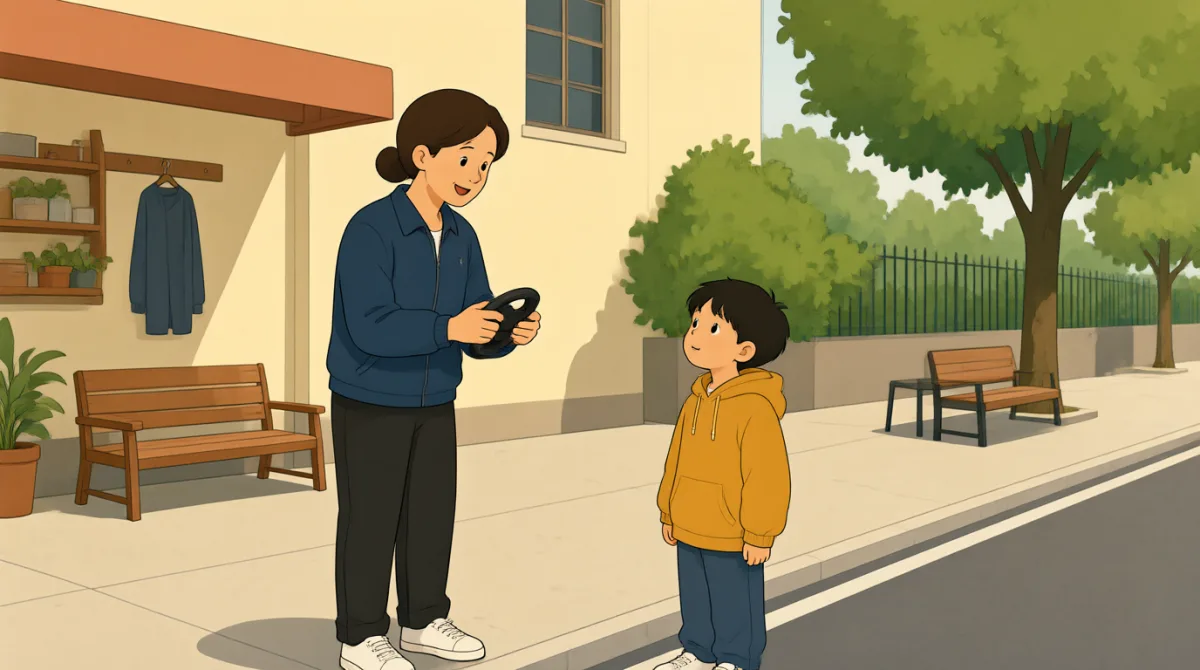

Alright, Emma, let's start with the basics today. We'll focus on getting comfortable with starting and stopping the car smoothly.
เอาล่ะ เอ็มมา วันนี้เรามาเริ่มจากพื้นฐานกันนะ เราจะเน้นฝึกให้คุณคุ้นเคยกับการออกรถและหยุดรถอย่างนุ่มนวล

Sounds good, Jack. I'm a bit nervous about the clutch, to be honest.
ฟังดูดีค่ะ แจ็ก พูดตามตรง ฉันกังวลเรื่องคลัตช์นิดหน่อยค่ะ
That's perfectly normal. We'll take it slow. First, just try to feel the 'biting point' of the clutch without touching the accelerator. Just the clutch and the brake.
เป็นเรื่องปกติมากครับ เราค่อย ๆ ฝึกกันนะ ก่อนอื่นลองหาจังหวะจับของคลัตช์ โดยไม่ต้องแตะคันเร่งนะครับ ใช้แค่คลัตช์กับเบรก
Okay, so slowly release the clutch until I feel the car start to move, then press it back down to stop?
เข้าใจแล้วค่ะ งั้นค่อย ๆ ปล่อยคลัตช์จนรู้สึกว่ารถเริ่มขยับ แล้วเหยียบคลัตช์ลงอีกครั้งเพื่อหยุดใช่ไหมคะ
Exactly. Once you feel that slight vibration or the car wanting to creep forward, hold it there for a second. That's your biting point. Then gently press the clutch down and brake to stop. Good, you're getting the hang of it!
ใช่เลยครับ พอรู้สึกถึงแรงสั่นเบา ๆ หรือรู้สึกว่ารถกำลังจะค่อย ๆ เคลื่อนไปข้างหน้า ให้ค้างเท้าไว้ตรงนั้นสักครู่ นั่นคือจังหวะจับของคลัตช์ จากนั้นค่อย ๆ เหยียบคลัตช์ลงพร้อมกับเหยียบเบรกเพื่อหยุดรถ ดีมากครับ คุณเริ่มทำได้แล้ว!
It feels a bit jerky, but I think I understand the concept. What about steering at low speeds?
รถกระตุกนิดหน่อยค่ะ แต่คิดว่าฉันเข้าใจหลักการแล้ว แล้วถ้าจะบังคับพวงมาลัยตอนขับช้า ๆ ล่ะคะ
Good question. For now, let's keep it simple. Just use the 'pull-push' method, meaning you'll pull the wheel down with one hand while pushing up with the other, then switch hands. Don't cross your arms over the wheel.
เป็นคำถามที่ดีครับ ตอนนี้เอาแบบง่าย ๆ ก่อนนะครับ ใช้วิธี 'ดึง-ดัน' โดยใช้มือข้างหนึ่งดึงพวงมาลัยลง ขณะที่มืออีกข้างดันขึ้น แล้วสลับมือกัน อย่าไขว้แขนพาดพวงมาลัยนะครับ
Got it. Pull-push. I'll practice that while we're doing the start-stop exercise. Thanks for explaining it so clearly.
เข้าใจแล้วค่ะ ดึง-ดัน ฉันจะฝึกไปด้วยตอนที่เราฝึกออกรถกับหยุดรถ ขอบคุณที่อธิบายให้เข้าใจง่ายนะคะ
คำศัพท์11
- basicsพื้นฐาน
The fundamental or most important parts of something, like starting with simple skills in driving lessons.
ส่วนสำคัญหรือพื้นฐานที่สุดของสิ่งใดสิ่งหนึ่ง เช่น การเริ่มเรียนขับรถจากทักษะง่าย ๆ
- smoothlyอย่างนุ่มนวล
In a way that is even and without sudden movements or jerks, important for safe driving like starting and stopping a car.
ทำอย่างราบรื่น ไม่เคลื่อนไหวฉับพลันหรือกระตุก ซึ่งสำคัญต่อการขับรถอย่างปลอดภัย เช่น ตอนออกรถและหยุดรถ
- nervousกังวล
Feeling worried or afraid about something new, like being nervous about using the clutch in a manual car.
รู้สึกเป็นห่วงหรือกลัวเมื่อต้องเจอกับสิ่งใหม่ ๆ เช่น กังวลเรื่องการใช้คลัตช์ในรถเกียร์ธรรมดา
- clutchคลัตช์
A pedal in a manual transmission car that you press to change gears or start moving; it's key for controlling the engine power.
แป้นเหยียบในรถเกียร์ธรรมดาที่ใช้เหยียบเพื่อเปลี่ยนเกียร์หรือออกรถ มีบทบาทสำคัญในการควบคุมกำลังของเครื่องยนต์
- biting pointจังหวะจับของคลัตช์
The exact spot where the clutch engages enough for the car to start moving without stalling; also called the 'friction point'.
จังหวะที่คลัตช์เริ่มจับกำลังมากพอให้รถเคลื่อนที่ได้โดยไม่ดับ เรียกอีกอย่างว่า 'friction point'
- acceleratorคันเร่ง
The gas pedal you press to make the car go faster; avoid it when learning the clutch basics.
แป้นที่เหยียบเพื่อให้รถวิ่งเร็วขึ้น ตอนฝึกใช้คลัตช์ขั้นพื้นฐานควรหลีกเลี่ยงการเหยียบคันเร่ง
- brakeเบรก
The pedal you press to slow down or stop the car; use it with the clutch for safe stopping.
แป้นที่เหยียบเพื่อชะลอหรือหยุดรถ ควรใช้ร่วมกับคลัตช์เพื่อหยุดรถอย่างปลอดภัย
- vibrationแรงสั่น
A slight shaking feeling, like when the car engine vibrates at the biting point before moving.
ความรู้สึกสั่นเล็กน้อย เช่น ตอนเครื่องยนต์สั่นที่จังหวะจับของคลัตช์ก่อนรถจะเริ่มเคลื่อนที่
- jerkyกระตุก
Moving in sudden, uneven starts and stops, often when beginners practice clutch control.
เคลื่อนที่โดยออกตัวหรือหยุดอย่างฉับพลันและไม่ราบรื่น ซึ่งมักเกิดขึ้นตอนมือใหม่ฝึกควบคุมคลัตช์
- steeringการบังคับพวงมาลัย
The action of turning the wheel to control the direction of the car, especially important at low speeds.
การหมุนพวงมาลัยเพื่อควบคุมทิศทางของรถ โดยเฉพาะตอนขับด้วยความเร็วต่ำ
- pull-pushดึง-ดัน
A safe steering technique where you pull the wheel down with one hand and push up with the other to turn without crossing arms.
เทคนิคบังคับพวงมาลัยอย่างปลอดภัย โดยใช้มือข้างหนึ่งดึงพวงมาลัยลงและอีกข้างดันขึ้น เพื่อเลี้ยวโดยไม่ไขว้แขน
ประโยคสำคัญ10
- 1
Alright, Emma, let's start with the basics today.
เอาล่ะ เอ็มมา วันนี้เรามาเริ่มจากพื้นฐานกันนะ
This is a casual way to begin a lesson or activity, using 'alright' for agreement and 'let's' to suggest starting together. Useful for instructors or when planning practice sessions.
นี่เป็นวิธีพูดแบบเป็นกันเองเพื่อเริ่มบทเรียนหรือกิจกรรม ใช้ 'alright' เพื่อแสดงว่าตกลง และใช้ 'let's' เพื่อชวนให้เริ่มต้นด้วยกัน เหมาะสำหรับผู้สอนหรือเวลาวางแผนการฝึก
- 2
Sounds good, Jack. I'm a bit nervous about the clutch, to be honest.
ฟังดูดีค่ะ แจ็ก พูดตามตรง ฉันกังวลเรื่องคลัตช์นิดหน่อยค่ะ
Expresses agreement with 'sounds good' and admits a feeling honestly with 'to be honest'. 'A bit' softens the emotion. Great for sharing concerns in learning situations.
ประโยคนี้แสดงความเห็นด้วยด้วยคำว่า 'sounds good' และพูดถึงความรู้สึกอย่างตรงไปตรงมาด้วย 'to be honest' ส่วน 'a bit' ช่วยลดความหนักแน่นของความรู้สึก เหมาะสำหรับบอกข้อกังวลระหว่างเรียนรู้
- 3
That's perfectly normal. We'll take it slow.
เป็นเรื่องปกติมากครับ เราค่อย ๆ ฝึกกันนะ
Reassures someone by saying their feeling is common with 'perfectly normal', and promises patience with 'take it slow'. Use this to comfort learners or beginners.
ใช้ 'perfectly normal' เพื่อให้ผู้ฟังสบายใจว่าความรู้สึกนั้นเป็นเรื่องปกติ และใช้ 'take it slow' เพื่อบอกว่าจะค่อย ๆ ทำอย่างใจเย็น เหมาะสำหรับให้กำลังใจผู้เรียนหรือมือใหม่
- 4
First, just try to feel the 'biting point' of the clutch without touching the accelerator.
ก่อนอื่นลองหาจังหวะจับของคลัตช์ โดยไม่ต้องแตะคันเร่งนะครับ
Gives step-by-step instructions using 'first' for sequence and 'just' to simplify. Quotes 'biting point' as a key term. Helpful for explaining procedures in driving or any skill.
ประโยคนี้บอกขั้นตอนโดยใช้ 'first' เพื่อเรียงลำดับ และใช้ 'just' ทำให้คำแนะนำดูง่ายขึ้น ส่วน 'biting point' ในเครื่องหมายคำพูดคือคำศัพท์สำคัญ เหมาะสำหรับอธิบายขั้นตอนการขับรถหรือทักษะอื่น ๆ
- 5
Okay, so slowly release the clutch until I feel the car start to move, then press it back down to stop?
เข้าใจแล้วค่ะ งั้นค่อย ๆ ปล่อยคลัตช์จนรู้สึกว่ารถเริ่มขยับ แล้วเหยียบคลัตช์ลงอีกครั้งเพื่อหยุดใช่ไหมคะ
This is a question confirming understanding, using 'so' to summarize steps and 'until...then' for sequence. Rising intonation at the end seeks confirmation; useful when clarifying instructions.
นี่เป็นคำถามเพื่อยืนยันว่าเข้าใจถูกต้อง โดยใช้ 'so' เพื่อสรุปขั้นตอน และใช้ 'until...then' เพื่อเรียงลำดับการกระทำ น้ำเสียงสูงขึ้นท้ายประโยคเพื่อขอคำยืนยัน เหมาะเมื่ออยากตรวจสอบหรือขอความชัดเจนเกี่ยวกับคำแนะนำ
- 6
Exactly. Once you feel that slight vibration or the car wanting to creep forward, hold it there for a second.
ใช่เลยครับ พอรู้สึกถึงแรงสั่นเบา ๆ หรือรู้สึกว่ารถกำลังจะค่อย ๆ เคลื่อนไปข้างหน้า ให้ค้างเท้าไว้ตรงนั้นสักครู่
Confirms with 'exactly' and describes conditions with 'once' clause, using sensory words like 'vibration' and 'creep forward'. 'Hold it there' means maintain position. Ideal for guiding actions precisely.
ใช้ 'exactly' เพื่อยืนยันว่าถูกต้อง และใช้อนุประโยคที่ขึ้นต้นด้วย 'once' เพื่อบอกเงื่อนไข โดยมีคำบอกความรู้สึกอย่าง 'vibration' และ 'creep forward' ส่วน 'hold it there' หมายถึงค้างไว้ในตำแหน่งนั้น เหมาะสำหรับให้คำแนะนำการปฏิบัติอย่างแม่นยำ
- 7
It feels a bit jerky, but I think I understand the concept.
รถกระตุกนิดหน่อยค่ะ แต่คิดว่าฉันเข้าใจหลักการแล้ว
Reports an observation with 'it feels' and contrasts with 'but', using 'get the concept' to mean understand the idea. Common for giving feedback during practice.
ประโยคนี้บอกสิ่งที่สังเกตได้ด้วย 'it feels' และใช้ 'but' เพื่อแสดงความขัดแย้ง ส่วน 'get the concept' หมายถึงเข้าใจแนวคิด เป็นสำนวนที่ใช้บ่อยเวลาบอกความรู้สึกระหว่างฝึก
- 8
Good question. For now, let's keep it simple. Just use the 'pull-push' method.
เป็นคำถามที่ดีครับ ตอนนี้เอาแบบง่าย ๆ ก่อนนะครับ ใช้วิธี 'ดึง-ดัน'
Praises with 'good question', limits scope with 'for now' and 'keep it simple', then instructs with 'just use'. Quotes technique name. Useful for answering and simplifying explanations.
ใช้ 'good question' เพื่อชมว่าเป็นคำถามที่ดี ใช้ 'for now' และ 'keep it simple' เพื่อจำกัดเนื้อหาให้เรียบง่ายในตอนนี้ แล้วใช้ 'just use' เพื่อบอกวิธีที่ควรทำ มีชื่อเทคนิคอยู่ในเครื่องหมายคำพูด เหมาะสำหรับตอบคำถามพร้อมอธิบายให้ง่ายขึ้น
- 9
Got it. Pull-push. I'll practice that while we're doing the start-stop exercise.
เข้าใจแล้วค่ะ ดึง-ดัน ฉันจะฝึกไปด้วยตอนที่เราฝึกออกรถกับหยุดรถ
Shows understanding with 'got it', repeats key term, and plans with 'I'll practice...while'. Demonstrates multitasking in learning; practical for confirming and combining skills.
ใช้ 'got it' เพื่อแสดงว่าเข้าใจแล้ว ทวนคำสำคัญ และบอกแผนด้วย 'I'll practice...while' ซึ่งแสดงว่าทำสองอย่างไปพร้อมกันระหว่างเรียน เหมาะสำหรับยืนยันความเข้าใจและฝึกหลายทักษะร่วมกัน
- 10
Thanks for explaining it so clearly.
ขอบคุณที่อธิบายให้เข้าใจง่ายนะคะ
Expresses gratitude with 'thanks for' plus gerund 'explaining', and 'so clearly' emphasizes quality. Use this to politely thank teachers or helpers after clear instructions.
ใช้ 'thanks for' ตามด้วยคำกริยาเติม -ing เพื่อกล่าวขอบคุณ และใช้ 'so clearly' เพื่อเน้นว่าคำอธิบายนั้นชัดเจนแค่ไหน เหมาะสำหรับขอบคุณครูหรือคนที่ช่วยอธิบายสิ่งต่าง ๆ ได้เข้าใจง่าย