At a Friend's House
दोस्त के घर पर
You're visiting a friend and want to connect to their Wi-Fi to use your phone or laptop. You politely ask them for the password.
आप अपने दोस्त के घर आए हैं और फोन या लैपटॉप इस्तेमाल करने के लिए उसके Wi-Fi से जुड़ना चाहते हैं। आप विनम्रता से उससे पासवर्ड पूछते हैं।
संवाद6
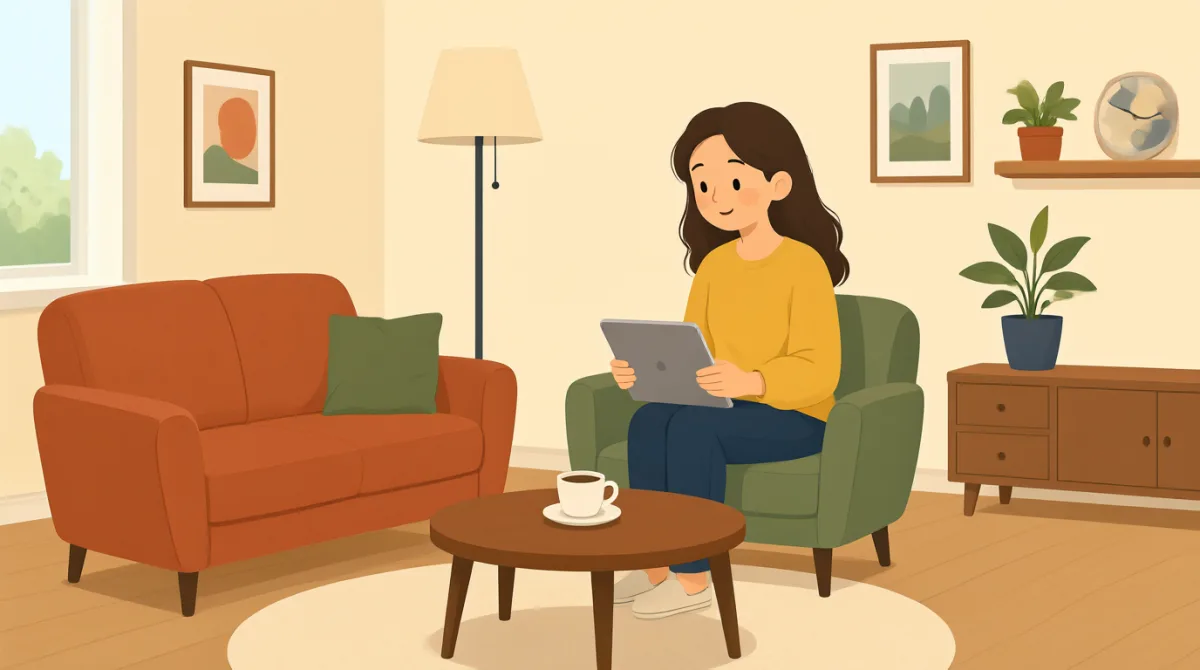

Hey Jack, thanks for having me over! Your place is great.
अरे जैक, मुझे अपने घर बुलाने के लिए शुक्रिया! तुम्हारा घर बहुत अच्छा है।

No problem at all, Emma! Glad you could make it. Make yourself at home.
कोई बात नहीं, एमा! अच्छा लगा कि तुम आ पाईं। आराम से रहो, अपना ही घर समझो।
Thanks! By the way, would you mind sharing your Wi-Fi password? I just need to quickly check something on my laptop.
शुक्रिया! अच्छा, क्या तुम मुझे अपने Wi-Fi का पासवर्ड बता सकते हो? मुझे बस अपने लैपटॉप पर जल्दी से कुछ देखना है।
Oh, sure, no problem! It's 'GuestConnect123'. All one word, capital G and C.
अरे, हाँ, कोई बात नहीं! पासवर्ड है 'GuestConnect123'। पूरा एक ही शब्द है, G और C बड़े अक्षर हैं।
Got it. 'GuestConnect123'. Thanks a lot!
समझ गई। 'GuestConnect123'। बहुत-बहुत शुक्रिया!
You're welcome. Let me know if you have any trouble connecting.
कोई बात नहीं। कनेक्ट होने में कोई दिक्कत आए तो मुझे बताना।
शब्दावली6
- Wi-Fi passwordWi-Fi पासवर्ड
The secret code you need to enter to connect to a wireless internet network. It's essential for using the internet on your devices in places like homes or cafes.
वह गुप्त कोड जिसे वायरलेस इंटरनेट नेटवर्क से जुड़ने के लिए डालना पड़ता है। घर या कैफ़े जैसी जगहों पर अपने डिवाइस से इंटरनेट इस्तेमाल करने के लिए यह ज़रूरी होता है।
- make yourself at homeआराम से रहना, अपना ही घर समझना
An idiom meaning to relax and feel comfortable, as if you are in your own house. Use it to welcome guests politely.
यह मुहावरा आराम करने और सहज महसूस करने के लिए कहा जाता है, जैसे आप अपने ही घर में हों। मेहमानों का स्वागत करते समय इसका इस्तेमाल करें।
- by the wayअच्छा, वैसे
A phrase used to introduce a new topic casually in conversation. It's like saying 'incidentally' or 'speaking of which' in Chinese.
बातचीत में अनौपचारिक ढंग से कोई नया विषय शुरू करने के लिए इस्तेमाल होने वाला वाक्यांश। इसका मतलब 'वैसे' या 'एक बात और' जैसा है।
- would you mindक्या आप/तुम बुरा मानेंगे
A polite way to ask for permission or a favor. It softens requests, making them more courteous, similar to 'do you mind if I...' in everyday English.
किसी से अनुमति या मदद माँगने का एक विनम्र तरीका। इससे अनुरोध नरम और शिष्ट लगता है। रोज़मर्रा की अंग्रेज़ी में यह 'क्या आपको/तुम्हें एतराज़ होगा अगर मैं...' जैसा है।
- capitalबड़ा अक्षर
Refers to uppercase letters in writing, like 'A' instead of 'a'. In passwords, it's important to specify which letters are big for correct entry.
लिखते समय बड़े अक्षरों को कहते हैं, जैसे 'a' की जगह 'A'। पासवर्ड डालते समय यह बताना ज़रूरी है कि कौन-से अक्षर बड़े हैं, ताकि पासवर्ड सही दर्ज हो।
- Got itसमझ गया/गई
A casual expression meaning 'I understand' or 'Okay, I have it'. It's commonly used to confirm information quickly in conversations.
एक अनौपचारिक अभिव्यक्ति जिसका मतलब 'मैं समझ गया/गई' या 'ठीक है, मुझे मिल गया' होता है। बातचीत में किसी बात की जल्दी से पुष्टि करने के लिए इसका इस्तेमाल आम है।
मुख्य वाक्य6
- 1
Thanks for having me over!
मुझे अपने घर बुलाने के लिए शुक्रिया!
This is a polite way to thank someone for inviting you to their home. It's useful for starting conversations at a friend's house. Note the preposition 'over' means visiting.
किसी को अपने घर बुलाने के लिए धन्यवाद देने का यह एक विनम्र तरीका है। दोस्त के घर पहुँचकर बातचीत शुरू करने के लिए यह काम का वाक्य है। ध्यान दें कि 'over' का मतलब यहाँ किसी के घर मिलने जाना है।
- 2
Make yourself at home.
आराम से रहो, अपना ही घर समझो।
A welcoming phrase to tell guests to relax. It's an imperative sentence using the reflexive pronoun 'yourself' to make it personal and friendly. Use it when hosting.
मेहमानों को सहज होकर आराम करने के लिए कहने का यह स्वागत भरा वाक्यांश है। यह 'yourself' जैसे आत्मवाचक सर्वनाम वाला आज्ञार्थक वाक्य है, जिससे बात अपनापन लिए लगती है। मेज़बानी करते समय इसका इस्तेमाल करें।
- 3
By the way, would you mind sharing your Wi-Fi password?
अच्छा, क्या तुम मुझे अपने Wi-Fi का पासवर्ड बता सकते हो?
This politely asks for the Wi-Fi code using 'by the way' to transition and 'would you mind' for courtesy. It's a key pattern for making requests without being direct. Great for cafes or hotels too.
यह Wi-Fi का पासवर्ड विनम्रता से पूछता है। बात को नए विषय की ओर मोड़ने के लिए 'by the way' और शिष्ट अनुरोध के लिए 'would you mind' का इस्तेमाल किया गया है। बिना सीधे माँगे अनुरोध करने का यह एक अहम ढाँचा है। कैफ़े या होटल में भी यह काम आएगा।
- 4
Oh, sure, no problem! It's 'GuestConnect123'.
अरे, हाँ, कोई बात नहीं! पासवर्ड है 'GuestConnect123'।
A positive response to a request, with 'no problem' meaning it's easy to help. The sentence shares information clearly. Useful when giving details like passwords; repeat it slowly for clarity.
यह अनुरोध का सकारात्मक जवाब है। 'no problem' का मतलब है कि मदद करना आसान है। वाक्य में जानकारी साफ़ तौर पर दी गई है। पासवर्ड जैसी जानकारी बताते समय यह काम आता है; स्पष्टता के लिए इसे धीरे-धीरे दोहराएँ।
- 5
Got it. Thanks a lot!
समझ गई। बहुत-बहुत शुक्रिया!
Confirms understanding and expresses strong thanks. 'Got it' is informal for 'I understand,' and 'thanks a lot' emphasizes gratitude. Use this to end requests politely.
यह समझने की पुष्टि करता है और दिल से धन्यवाद देता है। 'Got it' का अनौपचारिक मतलब 'मैं समझ गया/गई' है और 'thanks a lot' धन्यवाद को ज़ोर देकर कहता है। अनुरोध के बाद विनम्रता से बात खत्म करने के लिए इसका इस्तेमाल करें।
- 6
You're welcome. Let me know if you have any trouble connecting.
कोई बात नहीं। कनेक्ट होने में कोई दिक्कत आए तो मुझे बताना।
Standard reply to thanks, followed by an offer of help. 'Let me know' is a conditional offer using 'if' for possible problems. It's helpful for showing care in conversations.
यह धन्यवाद का आम जवाब है, जिसके बाद मदद की पेशकश की जाती है। 'Let me know' में 'if' के ज़रिए किसी संभावित समस्या की बात करते हुए मदद की पेशकश है। बातचीत में अपनापन और परवाह दिखाने के लिए यह उपयोगी है।