Interpreting Anomalous Data
تفسیر دادههای ناهنجار
Scientists analyze data that deviates from expected outcomes or previous theories, discussing potential reasons for the anomalies and their implications for the research hypothesis.
دانشمندان دادههایی را که با نتایج مورد انتظار یا نظریههای پیشین تفاوت دارند بررسی میکنند و دربارهٔ دلایل احتمالی این ناهنجاریها و پیامدهایشان برای فرضیهٔ پژوهش گفتوگو میکنند.
گفتوگو10
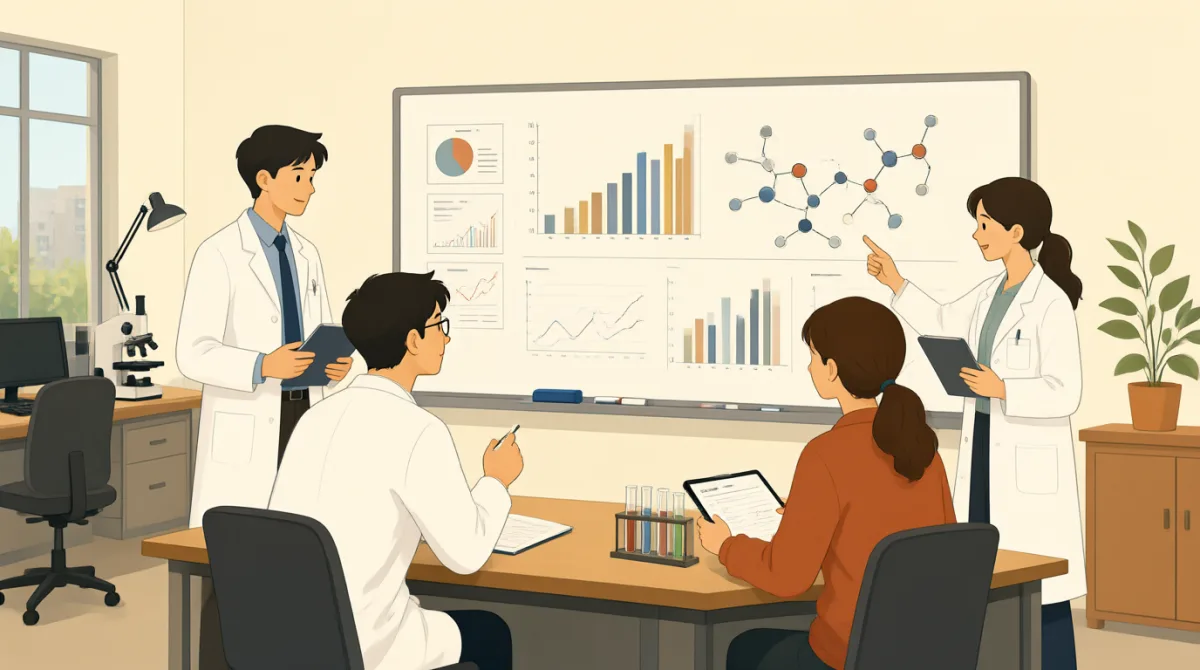

Alright team, let's discuss these latest spectroscopy results. I'm seeing some significant deviations in the 500-600 nm range, especially in samples C and D. It's quite unexpected given our previous runs.
خب، تیم، بیایید نتایج جدید طیفسنجی را بررسی کنیم. در محدودهٔ 500-600 نانومتر، بهویژه در نمونههای C و D، انحرافهای چشمگیری میبینم. با توجه به آزمایشهای قبلیمان، این نتیجه واقعاً غیرمنتظره است.

Yes, Dr. Miller, I noticed that too. I've re-run the analysis twice on those specific samples, and the pattern persists. Could it be an artifact of the sample preparation, perhaps some contamination?
بله، دکتر میلر، من هم متوجه شدم. تحلیل آن نمونههای مشخص را دو بار دیگر انجام دادهام و این الگو همچنان دیده میشود. ممکن است این مسئله ناشی از آمادهسازی نمونه باشد؟ مثلاً شاید آلودگیای رخ داده باشد؟

Good point, Emma. We meticulously cleaned the cuvettes and used fresh reagents. However, the magnitude of the anomaly suggests it might be more than just a minor contamination; it's almost indicating a different compound entirely.
نکتهٔ خوبی است، اما. ما کووتها را با دقت تمیز کردیم و از معرفهای تازه استفاده کردیم. بااینحال، شدت ناهنجاری نشان میدهد که شاید مسئله چیزی بیش از آلودگی جزئی باشد؛ انگار تقریباً به وجود یک ترکیب کاملاً متفاوت اشاره میکند.
My thoughts exactly, Jack. Could our original hypothesis about the reaction pathway be incomplete then? This data challenges our current understanding of the intermediate products.
دقیقاً همین فکر را میکردم، جک. پس ممکن است فرضیهٔ اولیهمان دربارهٔ مسیر واکنش کامل نبوده باشد؟ این دادهها درک فعلیمان از محصولات حدواسط را به چالش میکشند.
What if it's a transient species that only forms under specific conditions that we hadn't accounted for in the initial model? Perhaps a minor shift in temperature or pressure during the reaction phase?
اگر گونهای گذرا باشد که فقط در شرایط خاصی تشکیل میشود و ما در مدل اولیهمان آن شرایط را در نظر نگرفتهایم چه؟ شاید هنگام واکنش، دما یا فشار کمی تغییر کرده باشد؟
That's a plausible explanation, Emma. We did observe a slight fluctuation in reactor temperature during the runs for samples C and D, though it was within what we considered the acceptable range.
توضیح معقولی است، اما. در جریان آزمایش نمونههای C و D، نوسان جزئیای در دمای راکتور مشاهده کردیم؛ البته این نوسان در محدودهای بود که قابلقبول میدانستیم.
So, the next step should be to design an experiment that specifically isolates the impact of temperature fluctuations within that 'acceptable' range. We need to see if we can intentionally reproduce these anomalous peaks.
پس گام بعدی باید طراحی آزمایشی باشد که تأثیر نوسان دما در همین محدودهٔ «قابلقبول» را بهطور مشخص جداگانه بررسی کند. باید ببینیم آیا میتوانیم این قلههای ناهنجار را عمداً بازتولید کنیم یا نه.
Agreed. We could set up parallel runs, one with tight temperature control and another with controlled slight variations. That would provide strong evidence either way.
موافقم. میتوانیم آزمایشها را بهصورت موازی انجام دهیم؛ یکی با کنترل دقیق دما و دیگری با تغییرات جزئی و کنترلشده. این کار در هر صورت شواهد محکمی به دست میدهد.
I can start drafting the new experimental protocol this afternoon. It's exciting, really; this anomaly might actually lead us to a more complete understanding of the reaction.
میتوانم امروز بعدازظهر نوشتن پیشنویس پروتکل آزمایشی جدید را شروع کنم. واقعاً هیجانانگیز است؛ این ناهنجاری شاید ما را به درک کاملتری از واکنش برساند.
That's the spirit, Emma! Anomalies aren't failures; they're opportunities for discovery. Let's aim to get those new runs started by the end of the week.
آفرین، اما! ناهنجاریها شکست نیستند؛ فرصتی برای کشفاند. بیایید تلاش کنیم تا پایان هفته آزمایشهای جدید را شروع کنیم.
واژگان10
- deviationsانحرافها
Differences or changes from what is expected or normal. In science, it often means data that doesn't match predictions. Use it when discussing unexpected results, like 'There are deviations in the measurements.'
تفاوتها یا تغییرهایی نسبت به چیزی که انتظار میرود یا معمول است. در علم، اغلب به دادههایی گفته میشود که با پیشبینیها مطابقت ندارند. وقتی دربارهٔ نتایج غیرمنتظره صحبت میکنید، میتوانید بگویید: 'There are deviations in the measurements.' (در اندازهگیریها انحرافهایی وجود دارد.)
- artifactعامل مصنوعی
Something that appears in data or results but is caused by error or method, not the real phenomenon. Common in research; say 'It might be an artifact from the equipment' to suggest it's not genuine.
چیزی که در دادهها یا نتایج دیده میشود، اما ناشی از خطا یا روش کار است، نه پدیدهٔ واقعی. این واژه در پژوهش رایج است. برای اشاره به اینکه چیزی واقعی نیست، میتوانید بگویید: 'It might be an artifact from the equipment' (ممکن است این اثر، ناشی از دستگاه باشد).
- contaminationآلودگی
The presence of unwanted substances that can affect results. In experiments, it means pollution; useful in lab talk, e.g., 'Check for contamination in the samples.'
وجود مواد ناخواستهای که میتوانند بر نتایج تأثیر بگذارند. در آزمایشها به ورود مواد آلاینده اشاره دارد. در گفتوگوهای آزمایشگاهی، مثلاً میتوانید بگویید: 'Check for contamination in the samples.' (نمونهها را از نظر آلودگی بررسی کنید.)
- anomalyناهنجاری
An unusual or unexpected event or result. In science, it highlights something odd; use it like 'This anomaly needs further investigation' to point out surprises.
رویداد یا نتیجهای غیرعادی یا غیرمنتظره. در علم، این واژه به چیزی عجیب یا نامعمول اشاره میکند. برای تأکید بر اینکه موضوعی نیاز به بررسی دارد، میتوانید بگویید: 'This anomaly needs further investigation' (این ناهنجاری به بررسی بیشتری نیاز دارد).
- hypothesisفرضیه
An educated guess or proposed explanation for a phenomenon. Key in research; say 'Our hypothesis was that...' when stating a theory to test.
حدس آگاهانه یا توضیح پیشنهادی برای یک پدیده. فرضیه در پژوهش نقش مهمی دارد و میتوان آن را آزمود. هنگام بیان نظریهای که قصد دارید بررسی کنید، بگویید: 'Our hypothesis was that...' (فرضیهٔ ما این بود که...).
- transientگذرا
Something temporary or short-lived that doesn't last. In chemistry, it refers to short-term compounds; use 'a transient effect' for things that appear briefly.
چیزی موقتی یا کوتاهمدت که دوام نمیآورد. در شیمی، این واژه برای ترکیبهایی به کار میرود که فقط مدت کوتاهی وجود دارند. برای چیزی که مدت کوتاهی ظاهر میشود، میتوانید بگویید: 'a transient effect' (اثری گذرا).
- plausibleمعقول
Seeming reasonable or believable. Use in discussions to agree, like 'That's a plausible idea' when something makes sense but isn't proven.
چیزی که منطقی یا باورپذیر به نظر میرسد. در گفتوگوها، برای موافقت با ایدهای که منطقی است اما هنوز اثبات نشده، میتوانید بگویید: 'That's a plausible idea' (ایدهٔ معقولی است).
- fluctuationنوسان
A small, irregular change or variation. Common for measurements; say 'There was a fluctuation in temperature' to describe ups and downs.
تغییر یا تفاوتی جزئی و نامنظم. این واژه برای اندازهگیریها کاربرد زیادی دارد. برای توصیف بالا و پایین شدن دما، میتوانید بگویید: 'There was a fluctuation in temperature' (دما نوسان داشت).
- isolateجدا کردن
To separate or examine one factor alone. In experiments, it means controlling variables; use 'We need to isolate the effect' in planning tests.
جدا کردن یا بررسی یک عامل بهتنهایی. در آزمایشها، یعنی متغیرها را طوری کنترل کنید که اثر یک عامل مشخص بررسی شود. هنگام برنامهریزی آزمایش میتوانید بگویید: 'We need to isolate the effect' (باید اثر را جداگانه بررسی کنیم).
- reproduceبازتولید کردن
To make something happen again, especially results. Essential in science for verification; say 'Can we reproduce this result?' to check reliability.
باعث شدنِ وقوع دوبارهٔ چیزی، بهویژه یک نتیجه. در علم، این کار برای تأیید نتیجه ضروری است. برای بررسی قابلاعتماد بودن نتیجه میتوانید بگویید: 'Can we reproduce this result?' (آیا میتوانیم این نتیجه را بازتولید کنیم؟).
جملات کلیدی9
- 1
I'm seeing some significant deviations in the 500-600 nm range.
در محدودهٔ 500-600 نانومتر، انحرافهای چشمگیری میبینم.
This sentence uses present continuous ('I'm seeing') to describe current observations in data. It's useful for reporting findings in meetings; the structure helps focus on what's happening now. Practice it when sharing results to sound professional.
در این جمله از زمان حال استمراری در عبارت 'I'm seeing' استفاده شده تا مشاهدات فعلی دربارهٔ دادهها بیان شود. این ساختار برای گزارش یافتهها در جلسهها کاربرد دارد و بر چیزی که همین حالا در حال رخ دادن است تأکید میکند. برای حرفهای بهنظر رسیدن، هنگام ارائهٔ نتایج این جمله را تمرین کنید.
- 2
Could it be an artifact of the sample preparation?
ممکن است این مسئله ناشی از آمادهسازی نمونه باشد؟
A polite question suggesting a possible cause using 'Could it be...?' for speculation. Great for scientific discussions to propose ideas without certainty. The modal 'could' softens the suggestion, making it collaborative.
این پرسشی مؤدبانه است که با استفاده از 'Could it be...?' (ممکن است ... باشد؟) علت احتمالیای را مطرح میکند. در گفتوگوهای علمی برای پیشنهاد دادن بدون اطمینان کامل مفید است. فعل وجهی 'could' پیشنهاد را ملایمتر میکند و گفتوگو را مشارکتیتر میسازد.
- 3
Good point.
نکتهٔ خوبی است.
A short phrase to acknowledge someone's idea positively. Useful in team talks to show agreement and encourage discussion. It's simple and common in professional English to build rapport.
عبارتی کوتاه برای تأیید مثبت ایدهٔ کسی است. در گفتوگوهای گروهی با آن موافقتتان را نشان میدهید و طرف مقابل را به ادامهٔ بحث تشویق میکنید. این عبارت در انگلیسی حرفهای رایج است و به ایجاد رابطهٔ خوب کمک میکند.
- 4
My thoughts exactly.
دقیقاً همین فکر را میکردم.
An idiomatic expression for strong agreement, meaning 'That's what I was thinking.' Use it in conversations to show alignment without repeating ideas. It's natural in collaborative settings like research teams.
عبارتی اصطلاحی برای نشان دادن موافقت کامل است و معنیاش این است: «من هم همین را فکر میکردم.» در گفتوگوها از آن استفاده کنید تا همنظریتان را بدون تکرار ایده نشان دهید. در موقعیتهای مشارکتی، مثل همکاری در یک گروه پژوهشی، طبیعی است.
- 5
What if it's a transient species?
اگر گونهای گذرا باشد چه؟
A hypothetical question starting with 'What if...' to explore possibilities. Helpful for brainstorming in science; it invites discussion on alternatives. The structure uses conditional for 'suppose' scenarios.
این پرسش فرضی با 'What if...' (اگر ... چه؟) شروع میشود و برای بررسی احتمالات به کار میرود. هنگام ایدهپردازی در علوم مفید است و گفتوگو دربارهٔ گزینههای دیگر را پیش میبرد. این ساختار برای طرح موقعیتهای فرضی استفاده میشود.
- 6
That's a plausible explanation.
توضیح معقولی است.
This agrees with an idea by calling it reasonable. Use in debates or analyses to validate suggestions. The adjective 'plausible' adds a scientific tone, and it's a pattern for polite responses.
با این جمله، ایدهای را تأیید میکنید و میگویید منطقی به نظر میرسد. در بحثها یا تحلیلها از آن برای تأیید پیشنهادها استفاده کنید. صفت 'plausible' لحنی علمی به جمله میدهد و الگویی برای پاسخگویی مؤدبانه است.
- 7
So, the next step should be to design an experiment.
پس گام بعدی باید طراحی یک آزمایش باشد.
Uses 'should be' for suggestions on actions, common for planning. Useful after discussions to propose next moves. The modal 'should' indicates recommendation, helping structure team decisions.
در این جمله از 'should be' برای پیشنهاد دادن دربارهٔ اقدامهای بعدی استفاده شده است؛ این ساختار هنگام برنامهریزی رایج است. پس از بحث میتوانید برای پیشنهاد گامهای بعدی از آن استفاده کنید. فعل وجهی 'should' توصیه را میرساند و به تصمیمگیری گروهی ساختار میدهد.
- 8
Agreed.
موافقم.
A concise way to show full agreement. Simple and direct, use it in meetings to confirm plans quickly. It's formal yet efficient in professional English.
راهی کوتاه و روشن برای نشان دادن موافقت کامل است. در جلسهها از آن استفاده کنید تا سریع موافقتتان را با برنامهای اعلام کنید. در انگلیسی حرفهای، این عبارت رسمی و درعینحال موجز است.
- 9
Anomalies aren't failures; they're opportunities for discovery.
ناهنجاریها شکست نیستند؛ فرصتی برای کشفاند.
This uses a contrast with semicolon ('aren't...; they're...') to reframe negative ideas positively. Valuable for motivation in research; teach it as a mindset shift, useful when encouraging teams facing unexpected results.
در این جمله با ساختار متضاد 'aren't...; they're...' (نیستند...؛ هستند...)، ایدهای منفی به شکلی مثبت بازنگری میشود. این بیان برای ایجاد انگیزه در پژوهش مفید است. آن را بهعنوان تغییری در نگرش به کار ببرید؛ بهویژه وقتی میخواهید گروهی را که با نتایج غیرمنتظره روبهرو شده تشویق کنید.