School Pickup Conversation
স্কুল থেকে বাচ্চাকে নিয়ে যাওয়ার সময়ের কথোপকথন
Parents are picking up their children from school or daycare, having brief exchanges with teachers or other parents about the child's day.
বাবা-মায়েরা স্কুল বা ডে-কেয়ার থেকে বাচ্চাদের নিয়ে যাওয়ার সময় শিক্ষক বা অন্য অভিভাবকদের সঙ্গে বাচ্চার দিন কেমন কেটেছে, তা নিয়ে সংক্ষেপে কথা বলেন।
সংলাপ8
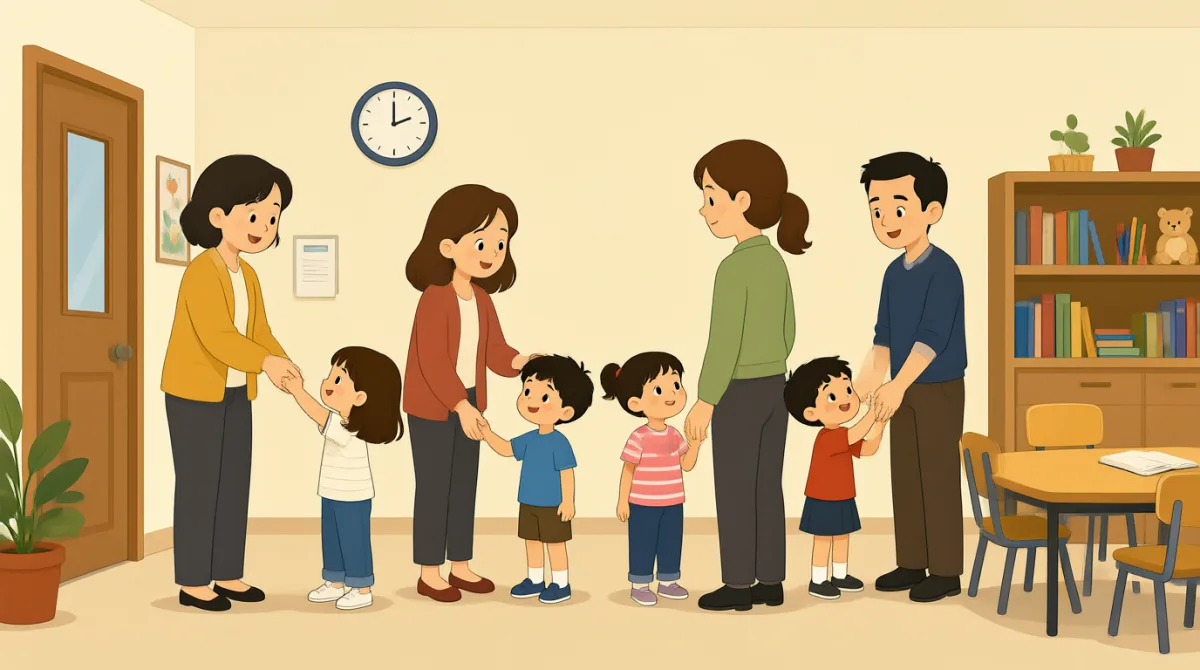

Hi Mia! How was your day? Just picking up Maya.
হাই মিয়া! তোমার দিন কেমন কাটল? মায়াকে নিতে এসেছি।

Hey Emma! My day was good, thanks. How about you? Oh, Maya was great today. She really enjoyed arts and crafts.
হেই এমা! আমার দিন ভালো কেটেছে, ধন্যবাদ। তোমার কেমন কাটল? ও, আজ মায়া খুব ভালো ছিল। ছবি আঁকা আর হাতের কাজ করতে ওর খুব ভালো লেগেছে।
That's lovely to hear! She loves drawing. Did she finish her science project?
শুনে খুব ভালো লাগল! ও ছবি আঁকতে ভালোবাসে। ও কি বিজ্ঞানের প্রজেক্টটা শেষ করেছে?
Yes, she did! She worked really well with James on it. They make a good team.
হ্যাঁ, করেছে! জেমসের সঙ্গে ও খুব ভালোভাবে কাজ করেছে। ওরা দুজন দারুণ দল।
Oh, that's wonderful! I'll have to ask her all about it on the way home.
ও, দারুণ তো! বাড়ি ফেরার পথে ওকে এ ব্যাপারে সব জিজ্ঞেস করতে হবে।
She was quite proud of it. And she ate all her vegetables at lunch today, which is always a bonus!
এটা নিয়ে ও বেশ গর্বিত ছিল। আর আজ দুপুরের খাবারে ও সবজিও খেয়ে নিয়েছে—এটা তো বাড়তি পাওনা!
Haha, that's definitely a bonus! Thanks for the update, Mia. See you tomorrow!
হাহা, এটা তো অবশ্যই বাড়তি পাওনা! খবরটা দেওয়ার জন্য ধন্যবাদ, মিয়া। কাল দেখা হবে!
You're welcome, Emma! Have a great evening with Maya. Bye!
স্বাগতম, এমা! মায়াকে নিয়ে তোমার সন্ধ্যাটা দারুণ কাটুক। বাই!
শব্দভান্ডার8
- picking upনিতে যাওয়া
This phrase means collecting or fetching someone, like a child from school. It's commonly used in childcare situations to talk about getting kids after school or activities.
এই কথাটার অর্থ কাউকে নিয়ে আসা বা আনতে যাওয়া—যেমন, স্কুল থেকে কোনো শিশুকে নিয়ে যাওয়া। শিশুদের দেখাশোনার প্রসঙ্গে স্কুল বা কোনো কার্যক্রমের পর বাচ্চাদের নিতে যাওয়ার কথা বলতে এটি প্রায়ই ব্যবহার করা হয়।
- arts and craftsছবি আঁকা ও হাতের কাজ
This refers to creative activities like drawing, painting, or making things with paper and glue. It's a fun way to describe children's playtime or school lessons.
এতে ছবি আঁকা, রং করা কিংবা কাগজ ও আঠা দিয়ে কিছু বানানোর মতো সৃজনশীল কাজ বোঝায়। শিশুদের খেলাধুলা বা স্কুলের ক্লাসের কথা বলার এটি একটি মজার উপায়।
- enjoyedভালো লেগেছিল
Past tense of 'enjoy,' meaning to like something and have fun doing it. Use it to talk about positive experiences, like 'I enjoyed the movie.'
'Enjoy' ক্রিয়ার অতীত রূপ। কোনো কিছু পছন্দ হওয়া এবং তা করতে আনন্দ পাওয়া বোঝায়। 'I enjoyed the movie.'—এর মতো ভালো অভিজ্ঞতার কথা বলতে এটি ব্যবহার করো।
- science projectবিজ্ঞানের প্রজেক্ট
A school assignment where children do experiments or build models related to science. It's practical for discussing kids' homework or classwork.
বিজ্ঞানের সঙ্গে সম্পর্কিত পরীক্ষা করা বা মডেল বানানোর স্কুলের কাজকে এভাবে বলা হয়। বাচ্চাদের বাড়ির কাজ বা ক্লাসের কাজ নিয়ে কথা বলতে শব্দটি কাজে লাগে।
- teamদল
A group of people working together towards a goal. In this context, it describes children collaborating on a task, like 'They make a good team.'
কোনো লক্ষ্য অর্জনের জন্য একসঙ্গে কাজ করা একদল মানুষ। এখানে বাচ্চারা কোনো কাজে একসঙ্গে সহযোগিতা করছে—যেমন, 'They make a good team.'—তা বোঝানো হয়েছে।
- bonusবাড়তি পাওনা
Something extra and positive that you didn't expect, like a reward. Parents often use it for good behavior, such as 'Eating vegetables is a bonus!'
অপ্রত্যাশিত কোনো বাড়তি ভালো কিছু বা পুরস্কার। ভালো আচরণের কথা বলতে অভিভাবকেরা এটি ব্যবহার করেন; যেমন, 'Eating vegetables is a bonus!'—সবজি খাওয়াটা বাড়তি পাওনা!
- updateখবর
The latest information about something. In conversations with teachers or parents, say 'Thanks for the update' to show appreciation for news about your child.
কোনো বিষয় সম্পর্কে সর্বশেষ তথ্য। শিক্ষক বা অন্য অভিভাবকের সঙ্গে কথা বলার সময় সন্তানের খবর দেওয়ার জন্য কৃতজ্ঞতা জানাতে 'Thanks for the update' বলতে পারো।
- proudগর্বিত
Feeling happy and satisfied about an achievement. Use it to describe emotions, like 'She was proud of her drawing,' in family or school talks.
কোনো সাফল্যে খুশি ও সন্তুষ্ট বোধ করা। 'She was proud of her drawing,'—এর মতো পারিবারিক বা স্কুলের কথাবার্তায় কারও অনুভূতি বোঝাতে এটি ব্যবহার করো।
গুরুত্বপূর্ণ বাক্য8
- 1
Hi Mia! How was your day? Just picking up Maya.
হাই মিয়া! তোমার দিন কেমন কাটল? মায়াকে নিতে এসেছি।
This is a friendly greeting combined with a casual explanation of your purpose. It's useful for starting conversations at school pickups. The question 'How was your day?' is a common way to show interest in someone.
এটি বন্ধুত্বপূর্ণ অভিবাদনের সঙ্গে কেন এসেছ, তার সহজ ব্যাখ্যা জুড়ে দেয়। স্কুল থেকে বাচ্চাকে নেওয়ার সময় কথাবার্তা শুরু করতে এটি কাজে লাগে। 'How was your day?'—কেউ কেমন আছে বা তার দিন কেমন কেটেছে, তা জানতে চাওয়ার একটি প্রচলিত উপায়।
- 2
My day was good, thanks. How about you?
আমার দিন ভালো কেটেছে, ধন্যবাদ। তোমার কেমন কাটল?
A polite response to a greeting question, followed by returning the question. 'How about you?' is a simple pattern to keep the conversation going. Use this in everyday chats with friends or parents.
কেউ দিন কেমন কেটেছে জিজ্ঞেস করলে এটি ভদ্রভাবে উত্তর দিয়ে পাল্টা প্রশ্ন করার উপায়। 'How about you?' কথোপকথন এগিয়ে নেওয়ার একটি সহজ বাক্যাংশ। বন্ধু বা অন্য অভিভাবকের সঙ্গে দৈনন্দিন আলাপে এটি ব্যবহার করো।
- 3
She really enjoyed arts and crafts.
ছবি আঁকা আর হাতের কাজ করতে ওর খুব ভালো লেগেছে।
This shares positive news about a child's activity using 'really' for emphasis. It's great for updating parents on school fun. The past tense 'enjoyed' describes completed actions.
'Really' ব্যবহার করে কোনো শিশুর কাজ সম্পর্কে ইতিবাচক খবরটি জোর দিয়ে জানানো হয়েছে। স্কুলে কী আনন্দের কাজ হয়েছে, তা অভিভাবকদের জানাতে এটি বেশ কাজে লাগে। অতীতকালে 'enjoyed' দিয়ে সম্পন্ন কোনো কাজের কথা বলা হয়।
- 4
That's lovely to hear! She loves drawing.
শুনে খুব ভালো লাগল! ও ছবি আঁকতে ভালোবাসে।
An appreciative response showing happiness. 'That's lovely to hear' is a warm expression for good news. 'Loves' uses present simple for habits or preferences, useful in parenting talks.
এটি খুশি প্রকাশ করে এমন আন্তরিক প্রতিক্রিয়া। ভালো খবর শুনে আনন্দ প্রকাশ করতে 'That's lovely to hear' বলা হয়। অভ্যাস বা পছন্দ বোঝাতে বর্তমান কালের 'loves' ব্যবহার করা হয়েছে—অভিভাবকদের কথাবার্তায় এটি কাজে লাগে।
- 5
Did she finish her science project?
ও কি বিজ্ঞানের প্রজেক্টটা শেষ করেছে?
A yes/no question using past tense 'did...finish' to ask about completion. It's practical for checking on homework. Questions like this help gather details in school conversations.
'Did...finish' ব্যবহার করে অতীতকালের হ্যাঁ-না প্রশ্নের মাধ্যমে কাজটি শেষ হয়েছে কি না জানতে চাওয়া হয়। বাড়ির কাজের খোঁজ নিতে এটি কাজে লাগে। স্কুল নিয়ে কথাবার্তায় এমন প্রশ্ন করলে বিস্তারিত জানা যায়।
- 6
They make a good team.
ওরা দুজন দারুণ দল।
This praises group work in present simple tense, meaning they cooperate well. Use it to highlight positive social skills in children during playdates or school reports.
বর্তমান কালে বলা এই বাক্যটি একসঙ্গে ভালোভাবে কাজ করার প্রশংসা করে। খেলতে গিয়ে বা স্কুলের খবর দিতে শিশুদের ইতিবাচকভাবে একসঙ্গে মেলামেশার কথা তুলে ধরতে এটি ব্যবহার করো।
- 7
Thanks for the update, Mia. See you tomorrow!
খবরটা দেওয়ার জন্য ধন্যবাদ, মিয়া। কাল দেখা হবে!
A thankful closing with a future goodbye. 'Thanks for the update' expresses gratitude for information. 'See you tomorrow' is a common farewell for daily routines like school pickups.
এটি কৃতজ্ঞতা জানিয়ে ভবিষ্যতে দেখা হবে বলে বিদায় জানানোর একটি উপায়। 'Thanks for the update' তথ্য দেওয়ার জন্য ধন্যবাদ জানায়। স্কুল থেকে বাচ্চাকে নিতে যাওয়ার মতো দৈনন্দিন ক্ষেত্রে 'See you tomorrow' প্রচলিত বিদায়বাক্য।
- 8
You're welcome, Emma! Have a great evening with Maya. Bye!
স্বাগতম, এমা! মায়াকে নিয়ে তোমার সন্ধ্যাটা দারুণ কাটুক। বাই!
A polite reply to thanks, plus a well-wish. 'You're welcome' is standard after 'thanks.' 'Have a great evening' is a friendly way to end chats, showing care in childcare scenarios.
ধন্যবাদের উত্তরে ভদ্রভাবে কথা বলে এরপর শুভকামনা জানানো হয়েছে। 'You're welcome' হলো 'thanks'-এর পরের প্রচলিত উত্তর। শিশুদের দেখাশোনার প্রসঙ্গে যত্নশীলতা প্রকাশ করে আলাপ শেষ করতে 'Have a great evening' বলা যায়।