Preparing With a Senior Colleague
التحضير مع زميل أقدم
Dr. Mia Patel asks senior colleague Dr. David Chen to review the findings before she speaks with a patient. They plan how to communicate the diagnosis clearly and compassionately, without offering false reassurance.
تطلب الدكتورة ميا باتيل من زميلها الأقدم، الدكتور ديفيد تشين، مراجعة النتائج قبل أن تتحدث إلى المريض. ويخططان لكيفية توضيح التشخيص بتعاطف ووضوح، من دون تقديم طمأنة زائفة.
حوار12
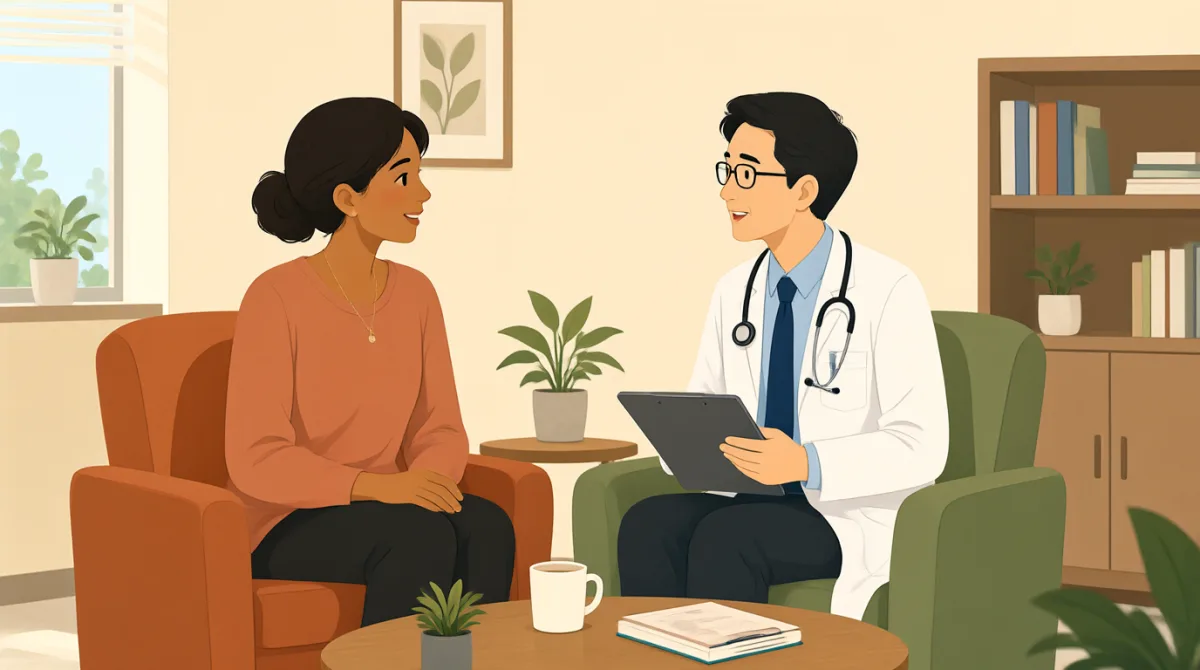

Dr. Chen, could you review these results with me before I speak with the patient? The imaging and biopsy are consistent with an advanced pancreatic cancer.
دكتور تشين، هل يمكنك مراجعة هذه النتائج معي قبل أن أتحدث إلى المريض؟ تتوافق نتائج التصوير والخزعة مع سرطان متقدم في البنكرياس.

Of course. Have you checked whether the pathology report is final, and whether there’s anything in the imaging that might change our interpretation?
بالطبع. هل تحققتِ من أن تقرير علم الأمراض نهائي، ومن عدم وجود شيء في صور الأشعة قد يغيّر تفسيرنا؟
Yes. The report is final, and the scan shows spread to the liver. There’s no reasonable doubt about the diagnosis, though we still need further tests to guide treatment.
نعم. التقرير نهائي، ويُظهر الفحص انتشار السرطان إلى الكبد. لا مجال لشك معقول في التشخيص، لكننا ما زلنا بحاجة إلى فحوص إضافية لتوجيه العلاج.
Then be direct, but don’t rush. Start by finding out what he understands about the tests, and ask whether he’d like someone with him before you share the result.
إذن كوني صريحة، لكن لا تتعجلي. ابدئي بمعرفة ما يفهمه عن الفحوص، واسأليه إن كان يرغب في وجود شخص معه قبل أن تخبريه بالنتيجة.
I’m worried that saying “advanced cancer” will overwhelm him. But if I soften it too much, he may leave without understanding what we’re facing.
أخشى أن عبارة «سرطان متقدم» ستصيبه بالصدمة. لكن إن حاولت تلطيف الأمر أكثر من اللازم، فقد يغادر من دون أن يفهم ما نواجهه.
That’s a fair concern. You can give a warning shot: “I’m afraid the results are serious.” Then state the diagnosis plainly, in manageable pieces, and pause.
هذا قلق مفهوم. يمكنك أن تمهّدي للخبر بعبارة مثل: «أخشى أن النتائج خطيرة». ثم اذكري التشخيص بوضوح، على مراحل يمكن استيعابها، وتوقفي قليلًا.
I’ll avoid starting with treatment details. First I’ll explain what we know, then check what he’s heard and leave room for questions or silence.
سأتجنب البدء بتفاصيل العلاج. سأشرح أولًا ما نعرفه، ثم أتحقق مما فهمه وأترك مجالًا للأسئلة أو للصمت.
Exactly. And be careful not to imply that more tests might make the cancer disappear. They may help us choose treatment, but they won’t undo what the biopsy has shown.
بالضبط. واحرصي على ألا توحي بأن الفحوص الإضافية قد تجعل السرطان يختفي. قد تساعدنا على اختيار العلاج، لكنها لن تغيّر ما أظهرته الخزعة.
If he asks how long he has, I don’t want to give him a number we can’t defend. I can explain what we can and can’t estimate yet.
إذا سألني كم بقي له من الوقت، فلا أريد أن أعطيه رقمًا لا أستطيع تبريره. يمكنني أن أوضح له ما نستطيع تقديره الآن وما لا نستطيع.
That’s honest. Tell him you don’t have a reliable estimate today, and that you’ll discuss prognosis once the team has reviewed the full picture. Don’t leave him alone with the news.
هذا صريح. أخبريه بأنه ليس لديك اليوم تقدير موثوق، وأنكما ستناقشان مآل المرض بعد أن يراجع الفريق الصورة كاملة. لا تتركيه وحده مع هذا الخبر.
I’ll make sure we have enough time and privacy, and I’ll ask what matters most to him before we discuss next steps. Thank you for helping me prepare.
سأتأكد من أن لدينا وقتًا كافيًا ومكانًا يحفظ الخصوصية، وسأسأله عمّا يهمه أكثر قبل أن نناقش الخطوات التالية. شكرًا لمساعدتي على الاستعداد.
You’re welcome. You can’t make this news painless, but you can make sure he hears it clearly, knows you’ll stay with him, and understands what happens next.
على الرحب والسعة. لا يمكنك أن تجعلي هذا الخبر بلا ألم، لكن يمكنك التأكد من أنه سيسمعه بوضوح، ويعرف أنك ستبقين إلى جانبه، ويفهم ما سيحدث بعد ذلك.
المفردات7
- consistent withيتوافق مع
In this context, the test results support a particular diagnosis. Use it to describe evidence that agrees with a conclusion.
في هذا السياق، تدعم نتائج الفحوص تشخيصًا معينًا. استخدم هذا التعبير لوصف أدلة تتفق مع استنتاج ما.
- no reasonable doubtلا مجال لشك معقول
This means the evidence is strong enough that serious uncertainty is unlikely. It is a careful way to express confidence in a conclusion.
يعني هذا أن الأدلة قوية بما يكفي لاستبعاد وجود شك جدي على الأرجح. وهو تعبير حذر عن الثقة في استنتاج ما.
- warning shotتمهيد للخبر السيئ
A warning shot is a brief phrase that prepares someone for upsetting news. You can use one before sharing difficult information directly.
التمهيد للخبر السيئ عبارة قصيرة تهيئ الشخص لسماع خبر مزعج. يمكنك استخدامها قبل الإفصاح عن معلومات صعبة بوضوح.
- in manageable piecesعلى مراحل يمكن استيعابها
This means sharing information in small amounts that are easier to understand. It is useful when someone may feel overwhelmed by complex or upsetting news.
يعني هذا تقديم المعلومات بكميات صغيرة يسهل فهمها. وهو مفيد عندما يُحتمل أن يشعر الشخص بالارتباك بسبب خبر معقد أو مزعج.
- a reliable estimateتقدير موثوق
A reliable estimate is a prediction or calculation you have enough evidence to trust. You can use it when explaining why you cannot yet give a definite answer.
التقدير الموثوق هو توقع أو حساب تدعمه أدلة كافية للوثوق به. يمكنك استخدام هذا التعبير لتوضيح سبب عدم قدرتك على إعطاء إجابة قاطعة بعد.
- leave room forيترك مجالًا لـ
To leave room for something is to allow it to happen or be expressed. Here, it means giving the patient time to ask questions or remain silent.
أن تترك مجالًا لشيء يعني أن تتيح حدوثه أو التعبير عنه. والمقصود هنا منح المريض وقتًا لطرح الأسئلة أو التزام الصمت.
- the full pictureالصورة كاملة
The full picture means all the relevant information considered together. Use it when explaining that a decision or estimate depends on several factors.
تعني الصورة كاملة النظر في جميع المعلومات ذات الصلة معًا. استخدم هذا التعبير لتوضيح أن قرارًا أو تقديرًا يعتمد على عوامل متعددة.
الجمل الأساسية7
- 1
Have you checked whether the pathology report is final, and whether there’s anything in the imaging that might change our interpretation?
هل تحققتَ من أن تقرير علم الأمراض نهائي، ومن عدم وجود شيء في صور الأشعة قد يغيّر تفسيرنا؟
This is a useful way to verify key evidence before reaching a conclusion. You can adapt it to check whether a report is complete or whether new information could alter an assessment.
هذه طريقة مفيدة للتحقق من الأدلة الأساسية قبل التوصل إلى استنتاج. يمكنك تكييفها للتأكد من اكتمال تقرير ما أو لمعرفة إن كانت معلومات جديدة قد تغيّر التقييم.
- 2
Then be direct, but don’t rush.
إذن كن صريحًا، لكن لا تتعجل.
This concise advice balances clarity with sensitivity. Use the pattern “Be [quality], but don’t [action]” to express two priorities at once.
توازن هذه النصيحة الموجزة بين الوضوح ومراعاة مشاعر الآخرين. استخدم النمط “Be [quality], but don’t [action]” (كن [صفة]، لكن لا [فعل]) للتعبير عن أولويتين في آن واحد.
- 3
Start by finding out what he understands about the tests, and ask whether he’d like someone with him before you share the result.
ابدأ بمعرفة ما يفهمه عن الفحوص، واسأله إن كان يرغب في وجود شخص معه قبل أن تخبره بالنتيجة.
This sentence shows how to assess someone’s understanding and offer support before a difficult conversation. You can adapt it by asking what a person already knows and whom they would like present.
توضح هذه الجملة كيفية التحقق من فهم شخص ما وتقديم الدعم له قبل محادثة صعبة. يمكنك تكييفها بسؤال الشخص عمّا يعرفه مسبقًا ومَن يرغب في وجوده معه.
- 4
You can give a warning shot: “I’m afraid the results are serious.”
يمكنك أن تمهّد للخبر السيئ بقولك: “I’m afraid the results are serious.”
This provides an example of preparing someone for upsetting information before stating it plainly. The phrase “I’m afraid…” can introduce serious news in a gentle but direct way.
يقدّم هذا مثالًا على تهيئة شخص لسماع معلومات مزعجة قبل ذكرها بوضوح. يمكن لعبارة “I’m afraid…” أن تقدّم خبرًا خطيرًا بطريقة لطيفة وصريحة.
- 5
They may help us choose treatment, but they won’t undo what the biopsy has shown.
قد تساعدنا هذه الفحوص على اختيار العلاج، لكنها لن تغيّر ما أظهرته الخزعة.
This sentence distinguishes what further tests can do from what they cannot do, avoiding false reassurance. Reuse the structure “X may help with…, but it won’t…” to explain limits clearly.
تميّز هذه الجملة بين ما تستطيع الفحوص الإضافية فعله وما لا تستطيع فعله، فتتجنب الطمأنة الزائفة. أعد استخدام التركيب “X may help with…, but it won’t…” لتوضيح الحدود بجلاء.
- 6
Don’t leave him alone with the news.
لا تتركه وحده مع الخبر.
This emphasizes the importance of staying present after sharing painful information. It can also be adapted to remind someone to offer support after a difficult conversation.
تؤكد هذه الجملة أهمية البقاء إلى جانب الشخص بعد إخباره بمعلومات مؤلمة. ويمكنك أيضًا تكييفها لتذكير شخص ما بتقديم الدعم بعد محادثة صعبة.
- 7
You can’t make this news painless, but you can make sure he hears it clearly, knows you’ll stay with him, and understands what happens next.
لا يمكنك أن تجعل هذا الخبر بلا ألم، لكن يمكنك التأكد من أنه سيسمعه بوضوح، ويعرف أنك ستبقى إلى جانبه، ويفهم ما سيحدث بعد ذلك.
This sentence acknowledges that distress cannot always be avoided while identifying concrete ways to help. Use the structure “You can’t…, but you can…” to recognize a limitation and offer practical support.
تقر هذه الجملة بأنه لا يمكن دائمًا تجنب الألم، وتحدد في الوقت نفسه طرقًا عملية للمساعدة. استخدم التركيب “You can’t…, but you can…” للإقرار بحدود ما يمكنك فعله وتقديم دعم عملي.