What To Bring
ما الذي ينبغي إحضاره
Emma asks what she and her friend should bring for the day trip. Jack suggests comfortable shoes, water, and a light jacket.
تسأل إيما عمّا ينبغي أن تحضره هي وصديقتها في الرحلة اليومية. ويقترح جاك أحذية مريحة وماءً وسترة خفيفة.
حوار8
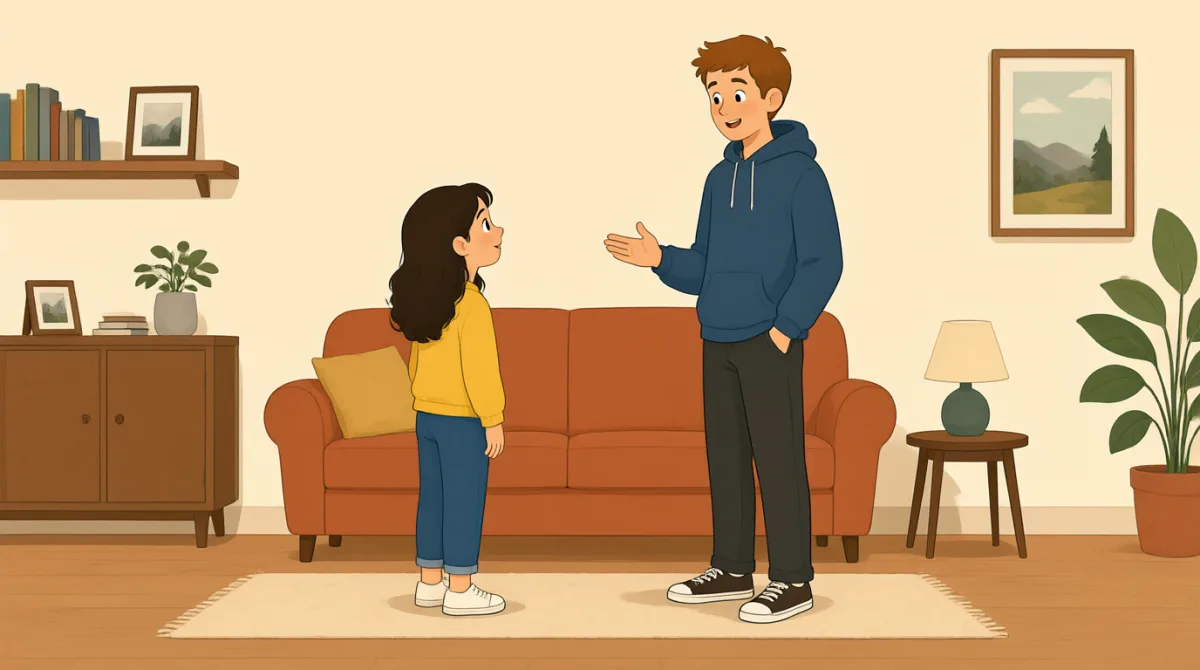

What should my friend and I bring for the day trip?
ما الذي ينبغي أن أحضره أنا وصديقتي في الرحلة اليومية؟

Wear comfortable shoes. You'll be walking around a lot.
ارتديا أحذية مريحة. ستتمشيان كثيرًا.
Good idea. Should we bring water, too?
اقتراح جيد. هل ينبغي أن نحضر الماء أيضًا؟
Yes, bring a bottle of water for each of you.
نعم، أحضرا زجاجة ماء لكل واحدة منكما.
Will it be cold outside? Should I bring a jacket?
هل سيكون الجو باردًا في الخارج؟ هل ينبغي أن أحضر سترة؟
Bring a light jacket. The weather can change during the day.
أحضري سترة خفيفة. فقد يتغير الطقس خلال النهار.
Should we bring anything else, like snacks or sunscreen?
هل ينبغي أن نحضر شيئًا آخر، مثل وجبات خفيفة أو واقي الشمس؟
Sunscreen is a good idea. You can buy snacks along the way.
واقي الشمس فكرة جيدة. يمكنكما شراء وجبات خفيفة في الطريق.
المفردات7
- day tripرحلة يومية
A day trip is a short visit to a place that starts and ends on the same day. Use it when talking about a trip without an overnight stay.
الرحلة اليومية هي زيارة قصيرة إلى مكان تبدأ وتنتهي في اليوم نفسه. استخدمي هذا التعبير عند الحديث عن رحلة لا تتضمن المبيت.
- bringيُحضر
Here, “bring” means to take something with you on the trip. You can use it to ask what to pack or carry.
هنا، تعني كلمة “bring” أن تأخذي شيئًا معك في الرحلة. يمكنك استخدامها للسؤال عمّا ينبغي توضِيبه أو حمله.
- comfortable shoesأحذية مريحة
These are shoes that feel good to wear, especially for a long time. They are useful when you expect to walk a lot.
هي أحذية تشعرين بالراحة عند ارتدائها، خاصةً لفترة طويلة. وهي مفيدة عندما تتوقعين المشي كثيرًا.
- walking aroundالتجول مشيًا
“Walking around” means moving on foot through an area, often to see different places. Use it to describe exploring a town or attraction.
تعني عبارة “Walking around” التنقل سيرًا على الأقدام في منطقة ما، غالبًا لرؤية أماكن مختلفة. استخدميها لوصف استكشاف بلدة أو معلم سياحي.
- a bottle of waterزجاجة ماء
This is a container filled with water to drink. You can use this phrase when asking what drinks to take with you.
هي وعاء مملوء بالماء للشرب. يمكنك استخدام هذه العبارة عند السؤال عن المشروبات التي ينبغي أخذها معك.
- light jacketسترة خفيفة
A light jacket is a jacket that is not very warm or heavy. It is useful when the weather may change.
السترة الخفيفة ليست دافئة جدًا ولا ثقيلة. وهي مفيدة عندما يكون الطقس قابلًا للتغير.
- along the wayفي الطريق
“Along the way” means during a journey or while going somewhere. Use it when talking about things you can do or get during a trip.
تعني عبارة “Along the way” أثناء الرحلة أو خلال التوجه إلى مكان ما. استخدميها عند الحديث عن أشياء يمكنك فعلها أو الحصول عليها خلال الرحلة.
الجمل الأساسية8
- 1
What should my friend and I bring for the day trip?
ما الذي ينبغي أن أحضره أنا وصديقتي في الرحلة اليومية؟
This is a useful way to ask what to take on an outing. You can replace “the day trip” with another event or destination.
هذه طريقة مفيدة للسؤال عمّا ينبغي أخذه في نزهة. يمكنك استبدال “the day trip” بفعالية أو وجهة أخرى.
- 2
Wear comfortable shoes.
ارتديا أحذية مريحة.
This is a simple suggestion about what someone should wear. Use “Wear” followed by a clothing item or accessory to give advice.
هذا اقتراح بسيط بشأن ما ينبغي لشخص ما ارتداؤه. استخدمي “Wear” متبوعةً بقطعة ملابس أو إكسسوار لتقديم نصيحة.
- 3
You'll be walking around a lot.
ستتمشيان كثيرًا.
This explains why comfortable shoes are a good idea. Use “You'll be” plus an -ing verb to talk about an expected activity.
يوضح هذا سبب كون الأحذية المريحة فكرة جيدة. استخدمي “You'll be” متبوعةً بفعل ينتهي بـ -ing للحديث عن نشاط متوقع.
- 4
Should we bring water, too?
هل ينبغي أن نحضر الماء أيضًا؟
This is a polite way to check whether something else is needed. Replace “water” with another item, such as snacks or a jacket.
هذه طريقة مهذبة للتأكد مما إذا كانت هناك حاجة إلى شيء آخر. استبدلي “water” بشيء آخر، مثل الوجبات الخفيفة أو السترة.
- 5
Bring a bottle of water for each of you.
أحضرا زجاجة ماء لكل واحدة منكما.
This gives a clear instruction and says how much to bring. Use “for each of you” when talking about one item per person.
تعطي هذه العبارة توجيهًا واضحًا وتحدد الكمية التي ينبغي إحضارها. استخدمي “for each of you” عند الحديث عن غرض واحد لكل شخص.
- 6
Will it be cold outside?
هل سيكون الجو باردًا في الخارج؟
This is a useful question about the weather. You can use “Will it be” to ask about a future condition.
هذا سؤال مفيد عن الطقس. يمكنك استخدام “Will it be” للسؤال عن حالة متوقعة في المستقبل.
- 7
Bring a light jacket.
أحضري سترة خفيفة.
This is a short, direct suggestion about what to pack. Replace “a light jacket” with another useful item.
هذا اقتراح قصير ومباشر بشأن ما ينبغي توضِيبه. استبدلي “a light jacket” بغرض آخر مفيد.
- 8
You can buy snacks along the way.
يمكنكما شراء وجبات خفيفة في الطريق.
This tells someone that snacks are available during the trip. Use “You can buy” to explain what people may get while traveling.
تُخبر هذه العبارة شخصًا ما بتوفر وجبات خفيفة خلال الرحلة. استخدمي “You can buy” لشرح ما يمكن للناس الحصول عليه أثناء السفر.