Making Payment and Starting the Wash Cycle
支付並啟動洗車程式
The user approaches the payment machine, tries to figure out how to pay (e.g., coins, card, digital payment), and then activates the first stage of the wash, like pre-soak or soap.
使用者走到支付機前,嘗試弄清楚如何支付(例如,硬幣、銀行卡、數字支付),然後啟動洗車的第一階段,如預洗或噴泡沫。
對話8
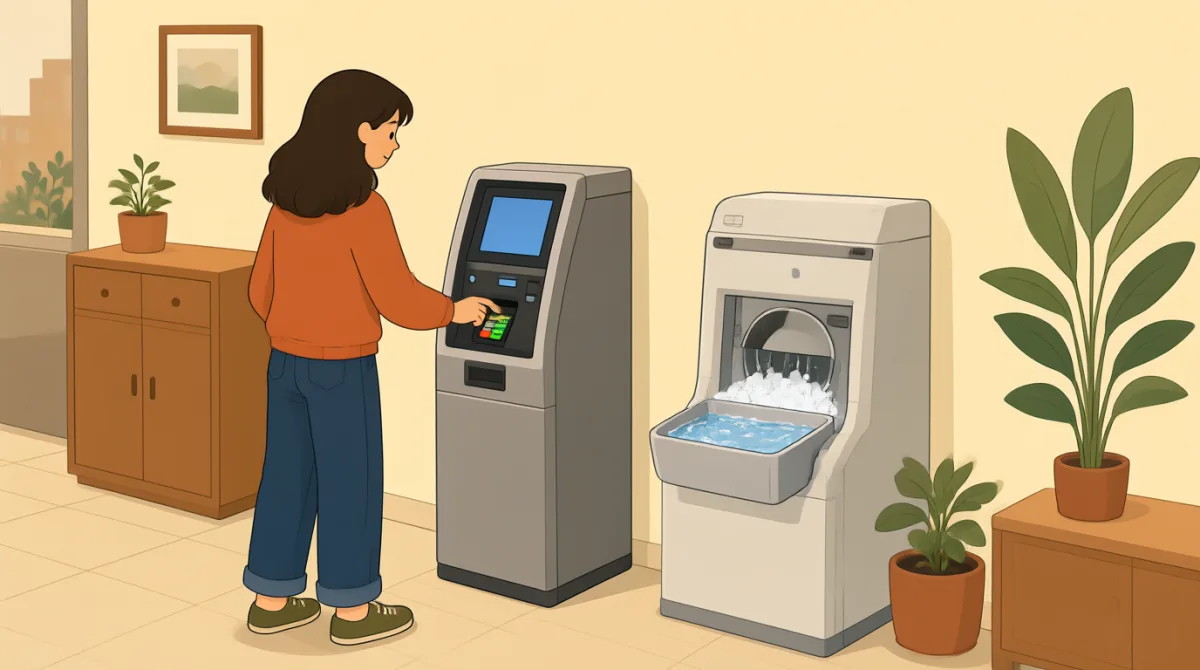

Alright, car's dirty. Let's see how this self-service wash works. Looks like the payment machine is over here.
好吧,車髒了。看看這個自助洗車怎麼弄。付款機好像在這邊。

Hmm, there are a few options. I see slots for coins, a card reader, and what looks like a QR code for mobile payment.
嗯,有幾個選項。我看到有投幣口、刷卡器,還有一個看起來像手機支付的二維碼。
I'll try my card first. Less hassle than digging for change. Just swipe it here, right?
我先試試刷卡。比找零錢省事。就在這兒刷,對吧?
It says 'Insert or Tap'. Oh, wait, it's asking for a PIN. Maybe a chip reader? Or you might need to tap it if your card supports contactless.
它上面寫著“插入或拍”。哦,等等,它要求輸入密碼。可能是晶片讀取器?或者如果你的卡支援非接觸式支付,可能需要拍一下。
Okay, tapping it seemed to work! It says 'Payment Confirmed'. Now, how do I start the wash? I want the pre-soak cycle.
好的,拍上去好像有用了!它顯示“付款確認”。現在,我怎麼啟動洗車程式?我想選擇預洗。
Look at the buttons on the panel. There's 'Pre-soak', 'Soap', 'Rinse'... Just press the 'Pre-soak' button. That should do it.
看看面板上的按鈕。有“預洗”、“肥皂”、“沖洗”……你只要按“預洗”按鈕就行了。
Got it. Pressing 'Pre-soak' now... Hey, the timer just started counting down! And the water's coming out of the pre-soak nozzle. Success!
明白了。現在按“預洗”……嘿,計時器開始倒計時了!預洗噴嘴也出水了。成功!
Perfect! Now we can start getting this car clean. Don't forget those tricky spots on the wheels!
太棒了!現在我們可以開始把車洗乾淨了。別忘了輪子上的那些難洗的地方!
詞彙9
- payment machine支付機
A device where you pay for services like a car wash using coins, cards, or digital methods. It's common in self-service places.
用於支付洗車等服務費用的裝置,可以使用硬幣、銀行卡或數字支付。在自助服務場所很常見。
- coins硬幣
Metal money pieces used to pay for things. In self-service washes, you insert them into slots.
用來支付物品或服務費用的金屬貨幣。在自助洗車場,你需要把硬幣投入投幣口。
- card reader讀卡器
A slot or device on a machine that reads credit or debit cards for payment. You insert or tap your card here.
機器上讀取信用卡或簽帳金融卡、用於完成支付的插槽或裝置。你可以把卡插入這裡,或在這裡感應支付。
- QR code二維碼
A square barcode scanned by your phone for mobile payments. Useful for quick digital payments without cash.
一種方形條碼,可以用手機掃描來進行移動支付。不用現金就能快速完成數字支付,非常方便。
- swipe刷卡
To slide a card through a reader to make a payment. It's a common action for older card machines.
把銀行卡從讀卡器中劃過,以完成支付。這是較老式刷卡機上常見的操作。
- PINPIN碼
Personal Identification Number; a secret code you enter after using a card to confirm the payment and keep it secure.
個人識別碼,也就是使用銀行卡後輸入的秘密密碼,用來確認支付並保障安全。
- pre-soak預洗
The first step in a car wash where water and soap loosen dirt before main cleaning. Press the button to start it.
洗車的第一步,用水和肥皂水先軟化汙垢,為主要清洗做準備。按下按鈕即可啟動預洗。
- nozzle噴嘴
The end of a hose or pipe where water or soap sprays out. In car washes, it's used to apply cleaning solutions.
軟管或管道末端噴出水或肥皂水的部件。在洗車場,噴嘴用來噴灑清潔液。
- timer計時器
A clock that counts down time for each wash cycle, showing how long you have left to use the machine.
為每個洗車程式倒計時的裝置,顯示你還可以使用機器多長時間。
關鍵句7
- 1
I'll try my card first. Less hassle than digging for change.
我先試試刷卡。比找零錢省事。
This sentence expresses preference for an easier option. 'Less hassle than' compares two methods, useful for everyday choices. 'Digging for change' is an idiom meaning searching for coins.
這句話表達了對更方便選項的偏好。“Less hassle than”用來比較兩種方法,適合描述日常選擇。“Digging for change”是一個習語,意思是尋找硬幣。
- 2
Just swipe it here, right?
就在這兒刷,對吧?
A question seeking confirmation on how to use something. 'Just' makes it sound simple, and 'right?' tags for agreement. Useful when asking for instructions in public places.
這是在確認某件東西的使用方法。“Just”讓語氣聽起來更簡單,“right?”是尋求對方確認的附加問句。在公共場所詢問操作方法時很實用。
- 3
It says 'Insert or Tap'.
它上面寫著“Insert or Tap”。
Reports what a machine or sign indicates. 'It says' introduces quoted text. Helpful for describing instructions from devices during payments.
這句話用來說明機器或標牌顯示的內容。“It says”後面通常接引用的文字,適合描述支付過程中裝置上的操作提示。
- 4
Okay, tapping it seemed to work!
好的,拍上去好像有用了!
Expresses relief that an action succeeded. 'Seemed to' softens certainty, common in casual talk. Use this after trying something new and it works.
這句話表示鬆了一口氣,因為剛才的操作成功了。“Seemed to”可以減弱肯定的語氣,在日常對話中很常見。嘗試新操作並且似乎成功時,可以這樣說。
- 5
Now, how do I start the wash?
現在,我怎麼啟動洗車程式?
Asks for step-by-step guidance after payment. 'How do I' is a common question pattern for procedures. Practical for operating machines or tools.
這是付款後詢問具體操作步驟的說法。“How do I”是詢問操作方法的常用句型,適合用來詢問如何操作機器或工具。
- 6
Look at the buttons on the panel. There's 'Pre-soak', 'Soap', 'Rinse'... Just press the 'Pre-soak' button.
看看面板上的按鈕。有“Pre-soak”、“Soap”、“Rinse”……你只要按“Pre-soak”按鈕就行了。
Gives directions by pointing out options and instructing action. 'There's' lists items; ellipsis (...) shows more options. Useful for explaining controls on devices.
這句話透過指出選項並說明下一步操作來提供指導。“There's”可以用來列舉物品,省略號“...”表示還有其他選項。解釋裝置上的控制按鈕時很實用。
- 7
Don't forget those tricky spots on the wheels!
別忘了輪子上那些難洗的地方!
A reminder to clean hard-to-reach areas. 'Don't forget' is imperative for advice; 'tricky spots' means difficult places. Good for giving tips during tasks like cleaning.
這句話提醒對方清洗難以觸及的區域。“Don't forget”是用於提出建議的祈使句,“tricky spots”指難處理或難清潔的地方。清潔時給別人提示就可以這樣說。