Holding Heavy Items/Stroller
ช่วยถือประตูตอนถือของหนักหรือเข็นรถเข็นเด็ก
Someone holds the door when they see you struggling with heavy bags, a stroller, or a wheelchair, and you express deeper gratitude for their thoughtfulness.
มีคนช่วยถือประตูให้เมื่อเห็นคุณกำลังลำบากกับถุงหนัก รถเข็นเด็ก หรือรถเข็นวีลแชร์ แล้วคุณก็แสดงความขอบคุณอย่างซาบซึ้งต่อความใส่ใจของเขา
บทสนทนา7
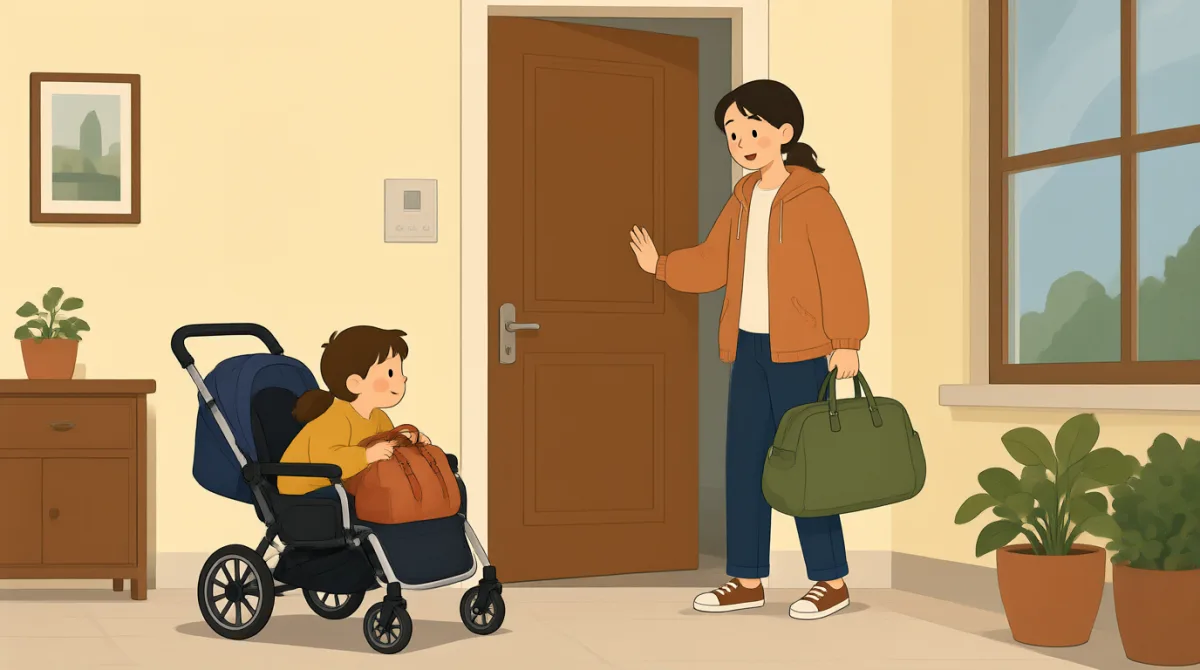

Oh, thank you so much! I really appreciate that. My hands are full.
โอ้ ขอบคุณมากจริง ๆ นะ ฉันซาบซึ้งมากเลย มือฉันไม่ว่างน่ะ

No problem at all! I saw you coming with the stroller and thought I could help.
ไม่เป็นไรเลย! เห็นคุณเข็นรถเข็นเด็กมา ก็เลยคิดว่าน่าจะช่วยได้
That's so thoughtful of you. It's always a struggle getting through doors with this thing.
คุณใส่ใจจังเลย ปกติฉันก็ลำบากทุกทีเวลาพารถเข็นคันนี้ผ่านประตู
I can imagine! Glad I was here to lend a hand.
นึกภาพออกเลย! ดีจังที่ฉันอยู่ตรงนี้พอดี จะได้ช่วย
You're a lifesaver! Seriously, thank you very much.
คุณช่วยฉันไว้มากเลย! จริง ๆ นะ ขอบคุณมาก
Anytime! Have a good day.
ยินดีเสมอ! ขอให้วันนี้เป็นวันที่ดีนะ
You too! Thanks again.
เช่นกันนะ! ขอบคุณอีกครั้ง
คำศัพท์6
- appreciateซาบซึ้ง
To feel grateful for something someone does for you. Use it to express thanks more deeply, like 'I appreciate your help.' It's common in polite conversations.
หมายถึงรู้สึกขอบคุณในสิ่งที่ใครสักคนทำให้ ใช้เพื่อแสดงความขอบคุณอย่างจริงใจ เช่น 'I appreciate your help.' (ฉันซาบซึ้งในความช่วยเหลือของคุณ) มักใช้ในการสนทนาสุภาพ
- thoughtfulใส่ใจ
Showing care and consideration for others' needs. Say 'That's thoughtful of you' when someone does something kind without being asked. It's a way to compliment politeness.
หมายถึงคำนึงถึงความรู้สึกหรือความต้องการของคนอื่น พูดว่า 'That's thoughtful of you' (คุณช่างใส่ใจจัง) เมื่อมีคนทำสิ่งดี ๆ ให้โดยที่เราไม่ได้ขอ เป็นคำชมความมีน้ำใจของเขา
- struggleลำบาก
To have difficulty or fight against something challenging. Use it for situations like 'I struggle with heavy bags' to describe everyday problems. It's practical for talking about daily challenges.
หมายถึงพบความยากลำบากหรือพยายามรับมือกับสิ่งที่ท้าทาย ใช้กับสถานการณ์อย่าง 'I struggle with heavy bags' (ฉันลำบากเวลาแบกถุงหนัก ๆ) เพื่อพูดถึงปัญหาในชีวิตประจำวัน
- lend a handช่วยเหลือ
An idiom meaning to help someone. It's casual and friendly, like 'Can you lend a hand?' Use it in informal settings to offer or accept help.
เป็นสำนวนที่หมายถึงช่วยใครสักคน ใช้ในแบบเป็นกันเอง เช่น 'Can you lend a hand?' (ช่วยหน่อยได้ไหม) ใช้เมื่อต้องการเสนอหรือขอรับความช่วยเหลือในสถานการณ์สบาย ๆ
- lifesaverผู้ช่วยชีวิต
Someone who provides crucial help in a tough situation. It's an exaggeration for emphasis, like 'You're a lifesaver!' Use it to show strong gratitude in casual talks.
หมายถึงคนที่ช่วยได้มากในสถานการณ์ลำบาก เป็นการพูดเกินจริงเพื่อเน้นความรู้สึก เช่น 'You're a lifesaver!' (คุณช่วยฉันไว้มากเลย!) ใช้แสดงความขอบคุณอย่างมากในการสนทนาแบบเป็นกันเอง
- strollerรถเข็นเด็ก
A small wheeled vehicle for pushing a baby or young child. Common in American English; say 'I have a stroller' when describing family outings. It's useful for everyday vocabulary.
หมายถึงรถมีล้อขนาดเล็กที่ใช้เข็นเด็กทารกหรือเด็กเล็ก คำนี้ใช้กันทั่วไปในภาษาอังกฤษแบบอเมริกัน เช่น 'I have a stroller' (ฉันมีรถเข็นเด็ก) เป็นคำที่มีประโยชน์ในบทสนทนาเกี่ยวกับชีวิตประจำวัน
ประโยคสำคัญ7
- 1
Oh, thank you so much! I really appreciate that.
โอ้ ขอบคุณมากจริง ๆ นะ ฉันซาบซึ้งมากเลย
This expresses strong gratitude. 'Thank you so much' is more emphatic than basic thanks, and 'I really appreciate that' adds sincerity. Use it when someone helps you significantly, like with heavy items. It's a polite pattern for intermediate learners to show deeper thanks.
ประโยคนี้ใช้แสดงความขอบคุณอย่างมาก 'Thank you so much' เน้นย้ำคำขอบคุณมากกว่าการพูดขอบคุณธรรมดา และ 'I really appreciate that' ช่วยเสริมความจริงใจ ใช้เมื่อมีคนช่วยเหลือคุณมาก เช่น ช่วยถือของหนัก เป็นรูปแบบสุภาพที่ใช้แสดงความซาบซึ้งได้ดี
- 2
No problem at all!
ไม่เป็นไรเลย!
A casual way to say 'You're welcome' or it's not a big deal. 'No problem' is informal, and 'at all' softens it further. Use this response when someone thanks you for simple help. It's very common in daily English to keep conversations light.
เป็นวิธีพูดแบบเป็นกันเองเพื่อบอกว่า 'ยินดี' หรือเรื่องนั้นไม่ใช่เรื่องใหญ่ 'No problem' เป็นภาษาที่ไม่เป็นทางการ ส่วน 'at all' ช่วยทำให้น้ำเสียงนุ่มนวลขึ้น ใช้ตอบเมื่อมีคนขอบคุณสำหรับความช่วยเหลือเล็ก ๆ น้อย ๆ เป็นสำนวนที่พบบ่อยในชีวิตประจำวัน
- 3
That's so thoughtful of you.
คุณใส่ใจจังเลย
Compliments someone's kindness and consideration. 'That's so' adds emphasis, and 'of you' personalizes it. Use it to acknowledge helpful actions, like holding a door. This sentence teaches how to express appreciation for thoughtfulness in social situations.
ใช้ชมความมีน้ำใจและความใส่ใจของใครสักคน 'That's so' ช่วยเน้นความรู้สึก ส่วน 'of you' ทำให้คำชมเจาะจงไปที่อีกฝ่าย ใช้เมื่ออยากขอบคุณการกระทำที่ช่วยเหลือ เช่น การช่วยถือประตู
- 4
It's always a struggle getting through doors with this thing.
ปกติฉันก็ลำบากทุกทีเวลาพารถเข็นคันนี้ผ่านประตู
Describes a recurring difficulty. 'It's always a struggle' uses present simple for habits, and 'this thing' refers casually to an object like a stroller. Use it to explain challenges and build empathy. Helpful for practicing descriptive sentences about daily life.
ใช้บอกถึงความลำบากที่เกิดขึ้นซ้ำ ๆ 'It's always a struggle' ใช้ present simple เพื่อพูดถึงสิ่งที่เกิดเป็นประจำ และ 'this thing' เป็นวิธีเรียกสิ่งของอย่างรถเข็นแบบไม่เป็นทางการ ใช้เล่าอุปสรรคและช่วยให้อีกฝ่ายเข้าใจความรู้สึกของเรา
- 5
Glad I was here to lend a hand.
ดีจังที่ฉันอยู่ตรงนี้พอดี จะได้ช่วย
Shows happiness about being able to help. 'Glad' means pleased, and 'lend a hand' is an idiom for assisting. Use this to respond positively after helping. It demonstrates idiomatic expressions and past continuous for context.
ประโยคนี้แสดงความดีใจที่ได้ช่วย 'Glad' หมายถึงดีใจหรือยินดี และ 'lend a hand' เป็นสำนวนที่หมายถึงช่วยเหลือ ใช้ตอบอย่างเป็นมิตรหลังจากช่วยใครสักคน
- 6
You're a lifesaver! Seriously, thank you very much.
คุณช่วยฉันไว้มากเลย! จริง ๆ นะ ขอบคุณมาก
Exaggerates thanks for big help. 'You're a lifesaver' is idiomatic, 'seriously' adds emphasis, and 'thank you very much' is formal gratitude. Use in situations needing strong appreciation, like with heavy loads. Teaches emphatic language for emotional impact.
เป็นการพูดเน้นย้ำความขอบคุณสำหรับความช่วยเหลือครั้งใหญ่ 'You're a lifesaver' เป็นสำนวนที่พูดเกินจริงเพื่อแสดงความรู้สึก 'seriously' ช่วยเน้นย้ำ และ 'thank you very much' เป็นคำขอบคุณที่สุภาพ ใช้เมื่อรู้สึกซาบซึ้งมาก เช่น มีคนช่วยถือของหนัก
- 7
Anytime! Have a good day.
ยินดีเสมอ! ขอให้วันนี้เป็นวันที่ดีนะ
Means 'You're welcome anytime' and ends politely. 'Anytime' is casual for repeated offers, followed by a farewell. Use to close helpful interactions positively. It's a useful pattern for courteous endings in American English conversations.
หมายถึงยินดีช่วยได้ทุกเมื่อ และใช้ปิดท้ายบทสนทนาอย่างสุภาพ 'Anytime' เป็นคำพูดไม่เป็นทางการที่สื่อว่ายินดีช่วยอีกในโอกาสหน้า ตามด้วยคำอวยพรและคำลา เป็นรูปแบบที่มีประโยชน์สำหรับจบบทสนทนาอย่างเป็นมิตรในภาษาอังกฤษแบบอเมริกัน