Rinsing and Spotting Issues
Płukanie i zauważanie problemów
The user is in the process of rinsing off the soap, but notices that some areas are not getting clean, or the water pressure is insufficient.
Użytkownik spłukuje mydliny, ale zauważa, że niektóre miejsca nadal są brudne albo ciśnienie wody jest zbyt niskie.
Dialog5
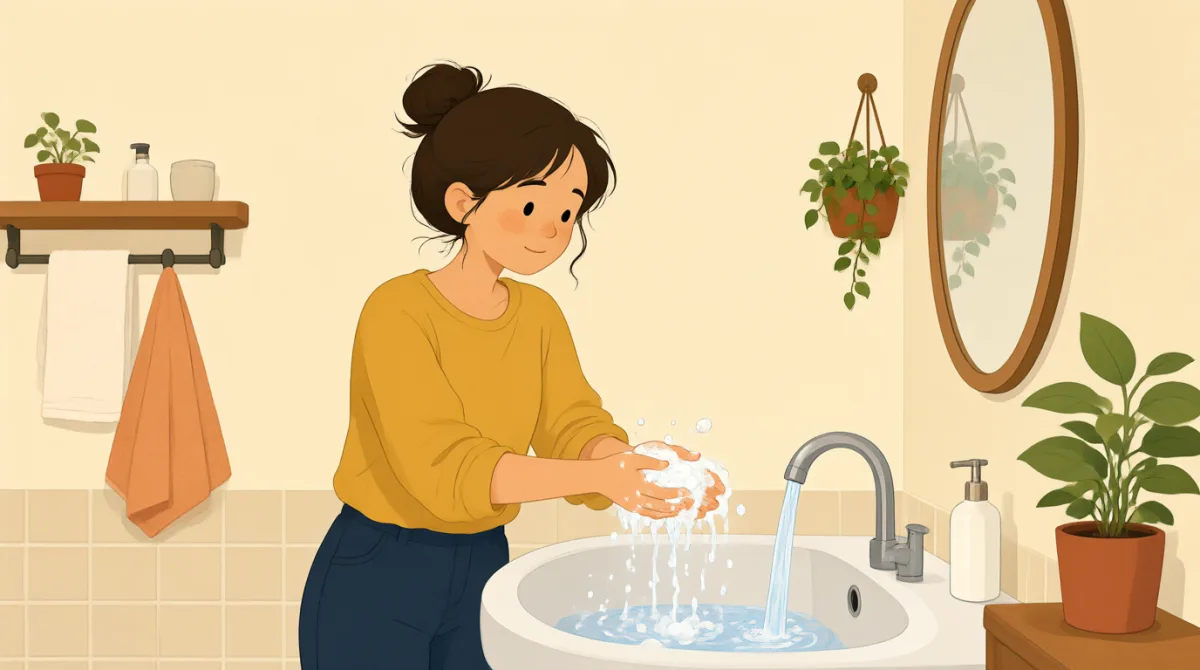

Ugh, this rinse cycle isn't really cutting it. I still see a lot of soap on the side panels.
Ech, to płukanie jakoś nie daje rady. Na bocznych panelach nadal widzę sporo mydlin.

Really? Let me see. Oh yeah, it looks like there's barely any pressure coming out of the nozzle here.
Naprawdę? Daj, zobaczę. No tak, wygląda na to, że z tej dyszy prawie w ogóle nie leci woda pod ciśnieniem.
Exactly! It's like the water's just dribbling out. How am I supposed to get all this grime off?
Właśnie! Woda ledwo ciurka. Jak mam zmyć cały ten brud?
Maybe we should try switching to a different setting, or see if there's someone around who works here. This isn't right.
Może spróbujmy zmienić ustawienie albo sprawdzić, czy kręci się tu ktoś z obsługi. Coś tu jest nie tak.
Good idea. I'll check the panel for other options. If not, I'll look for an attendant.
Dobry pomysł. Sprawdzę na panelu, czy są inne opcje. A jeśli nie, poszukam pracownika.
Słownictwo6
- rinsepłukać
To rinse means to wash something with clean water to remove soap or dirt. In this context, it's used for cleaning a car by spraying water.
„Rinse” znaczy opłukać coś czystą wodą, żeby usunąć mydło lub brud. W tym kontekście chodzi o mycie samochodu strumieniem wody.
- pressureciśnienie
Pressure here refers to the force of water coming out strongly from a hose or nozzle. Low pressure means the water is weak and not effective for cleaning.
„Pressure” oznacza tu siłę, z jaką woda wypływa z węża lub dyszy. Niskie ciśnienie oznacza słaby strumień, który nie nadaje się do skutecznego mycia.
- nozzledysza
A nozzle is the end part of a hose or spray gun where water comes out. At a car wash, you hold it to direct the water.
„Nozzle” to końcówka węża lub pistoletu natryskowego, z której wypływa woda. Na myjni trzymasz ją w ręku, żeby kierować strumień.
- dribblingciurkać
Dribbling means liquid coming out slowly in small drops, like a weak leak. It's used to describe water not spraying properly.
„Dribbling” oznacza powolny wypływ cieczy w postaci małych kropli, jak przy słabym przecieku. Tak opisuje się wodę, która nie tryska prawidłowo.
- grimezaschnięty brud
Grime is thick, stubborn dirt or filth that is hard to remove. It's common when talking about cleaning cars or surfaces.
„Grime” to gruba warstwa uporczywego brudu, którą trudno usunąć. Tego słowa często używa się w kontekście czyszczenia samochodów lub różnych powierzchni.
- attendantpracownik obsługi
An attendant is a worker who helps customers at a place like a car wash. You can ask them for assistance if something is wrong.
„Attendant” to pracownik, który pomaga klientom w miejscu takim jak myjnia samochodowa. Możesz poprosić go o pomoc, jeśli coś nie działa.
Kluczowe zdania5
- 1
This rinse cycle isn't really cutting it.
To płukanie jakoś nie daje rady.
This sentence expresses dissatisfaction with something not working well. 'Cutting it' is an idiom meaning 'being good enough.' It's useful for complaining politely about a service or tool in everyday situations.
To zdanie wyraża niezadowolenie z czegoś, co nie działa dobrze. „Cutting it” to idiom oznaczający „być wystarczająco dobrym”. Przydaje się, gdy chcesz na co dzień uprzejmie ponarzekać na usługę lub narzędzie.
- 2
It looks like there's barely any pressure coming out of the nozzle.
Wygląda na to, że z dyszy prawie w ogóle nie leci woda pod ciśnieniem.
This describes observing a problem. 'It looks like' introduces an observation, and 'barely any' means almost none. Use this to point out issues clearly when seeking help.
To zdanie opisuje zauważony problem. „It looks like” wprowadza spostrzeżenie, a „barely any” oznacza „prawie wcale”. Użyj tego zwrotu, by jasno wskazać problem, gdy prosisz o pomoc.
- 3
It's like the water's just dribbling out.
Woda ledwo ciurka.
This uses a simile with 'it's like' to compare the weak water flow to dribbling. It's a natural way to explain a problem vividly, helpful in casual conversations about malfunctions.
W zdaniu „It's like the water's just dribbling out” użyto porównania „it's like”, żeby zestawić słaby strumień wody z ciurkaniem. To naturalny sposób na obrazowe opisanie usterki w swobodnej rozmowie.
- 4
How am I supposed to get all this grime off?
Jak mam zmyć cały ten brud?
This is a rhetorical question showing frustration and asking for advice. 'Supposed to' means 'expected to.' It's practical for expressing confusion or need for help in problem-solving scenarios.
To pytanie retoryczne wyraża frustrację i jest prośbą o radę. „Supposed to” oznacza „mieć coś zrobić” lub „oczekuje się, że coś zrobisz”. Przydaje się, gdy chcesz wyrazić wątpliwość lub poprosić o pomoc w rozwiązaniu problemu.
- 5
Maybe we should try switching to a different setting.
Może spróbujmy zmienić ustawienie.
This suggests a solution politely with 'maybe we should.' It uses the modal 'should' for recommendations. Useful for proposing ideas in group problem-solving, like at a self-service facility.
To uprzejma propozycja rozwiązania z użyciem „maybe we should”. Czasownik modalny „should” służy tu do przedstawienia sugestii. Zwrot przydaje się, gdy wspólnie szukacie rozwiązania, na przykład w samoobsługowym punkcie.