A Hostile Question About the Recall
سؤال عدائي بشأن سحب المنتج
Emma challenges Mia over a recent product recall, suggesting the company acted only after customers were put at risk. Mia acknowledges the seriousness of the concern without accepting the reporter’s loaded framing.
تواجه إيما ميا بشأن سحب حديث لأحد المنتجات، ملمّحةً إلى أن الشركة لم تتحرك إلا بعد تعريض العملاء للخطر. تقرّ ميا بخطورة المخاوف من دون أن تقبل الصياغة المنحازة للمراسلة.
حوار10
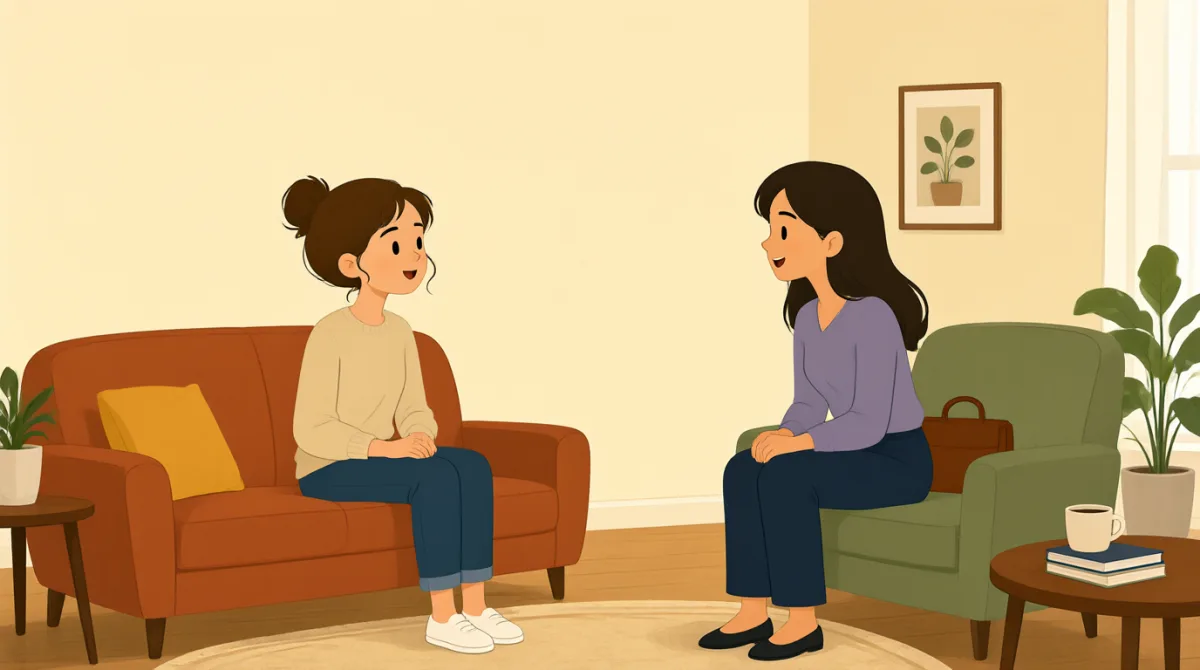

The company says it acted to protect customers. But you issued the recall only after people had already used the product. Isn’t it fair to say you waited until customers were put at risk?
تقول الشركة إنها تحركت لحماية العملاء. لكنكم لم تسحبوا المنتج إلا بعدما استخدمه الناس بالفعل. أليس من المنصف القول إنكم انتظرتم حتى تعرّض العملاء للخطر؟

I understand why the timing raises concern. Any possibility of a safety issue is serious, and we don’t take that lightly. But I wouldn’t characterize our response as waiting until customers were at risk.
أتفهم سبب إثارة توقيت ذلك للقلق. فأي احتمال لوجود مشكلة تتعلق بالسلامة أمر خطير، ونحن لا نستخف به. لكنني لا أصف استجابتنا بأنها انتظار حتى تعرّض العملاء للخطر.
You’re rejecting the wording, but not the basic sequence. Customers had the product; then the company recalled it. Why shouldn’t viewers conclude the response came too late?
أنت ترفضين هذه الصياغة، لكنك لا تنكرين تسلسل الأحداث الأساسي. كان المنتج لدى العملاء، ثم سحبته الشركة. فلماذا لا يستنتج المشاهدون أن الاستجابة جاءت متأخرة؟
The sequence matters, but so does what we knew at each point. Once our investigation confirmed a potential safety concern, we initiated the recall and notified customers. We should be judged on the evidence and the actions taken.
تسلسل الأحداث مهم، لكن المهم أيضًا ما كنا نعرفه في كل مرحلة. وما إن أكد تحقيقنا وجود مخاوف محتملة تتعلق بالسلامة، حتى بدأنا سحب المنتج وأخطرنا العملاء. وينبغي أن يُحكم علينا بناءً على الأدلة والإجراءات التي اتخذناها.
That sounds carefully phrased. Were customers exposed to a danger before you made the announcement—yes or no?
يبدو هذا كلامًا مصاغًا بعناية. هل تعرّض العملاء لخطر قبل إعلانكم—نعم أم لا؟
I can’t responsibly give a blanket yes or no without defining the risk. We have not confirmed that the issue caused injuries, but the potential hazard warranted immediate action once identified.
لا يمكنني، من باب المسؤولية، أن أجيب بنعم أو لا على نحو قاطع من دون تحديد طبيعة الخطر. لم نتأكد من أن المشكلة تسببت في إصابات، لكن الخطر المحتمل استدعى اتخاذ إجراء فوري بمجرد اكتشافه.
So no confirmed injuries—but you’re asking people to trust that the company moved quickly. What concrete evidence can you offer, beyond your assurance?
إذًا لم تُسجَّل إصابات مؤكدة، لكنكم تطلبون من الناس الوثوق بأن الشركة تحركت بسرعة. ما الأدلة الملموسة التي يمكنكم تقديمها، إلى جانب تأكيدكم؟
We published the recall notice, contacted customers through our established channels, and set up a dedicated support line. We’re also cooperating with regulators and sharing verified updates as the review proceeds.
نشرنا إشعار سحب المنتج، وتواصلنا مع العملاء عبر قنواتنا المعتمدة، وأنشأنا خطًا مخصصًا للدعم. كما نتعاون مع الجهات الرقابية وننشر المستجدات التي تم التحقق منها مع استمرار المراجعة.
You keep referring to the investigation. Isn’t that a convenient way to avoid saying whether the company made a mistake?
تواصلين الإشارة إلى التحقيق. أليس هذا أسلوبًا مريحًا لتفادي القول إن الشركة ارتكبت خطأ؟
If the review shows we fell short, we’ll say so and explain what must change. Right now, our priority is making sure customers can identify the product, stop using it, and obtain a remedy.
إذا أظهرت المراجعة أننا لم نرقَ إلى المستوى المطلوب، فسنقرّ بذلك ونوضح ما يجب تغييره. أما الآن، فأولويتنا هي التأكد من أن العملاء يستطيعون التعرّف على المنتج والتوقف عن استخدامه والحصول على حل مناسب.
المفردات8
- raises concernيثير القلق
Means causes people to worry or question whether something is safe or appropriate. Here, it refers to the timing of the recall.
تعني هذه العبارة أنها تجعل الناس يشعرون بالقلق أو يتساءلون عما إذا كان شيء ما آمنًا أو مناسبًا. وهنا تشير إلى توقيت سحب المنتج.
- characterize our response asأصف استجابتنا بأنها
Means describe or present the company’s response in a particular way. It is useful for disagreeing with someone’s framing without dismissing the underlying concern.
تعني وصف استجابة الشركة أو عرضها بطريقة معينة. تفيد هذه العبارة في الاعتراض على طريقة عرض شخص آخر للأمر من دون تجاهل المخاوف الأساسية.
- confirmed a potential safety concernتأكد من وجود مخاوف محتملة تتعلق بالسلامة
Means established that there was a possible safety issue, even if its effects were not yet certain. The phrase distinguishes identifying a risk from proving that harm occurred.
تعني التحقق من وجود مشكلة محتملة تتعلق بالسلامة، حتى إن لم تكن آثارها مؤكدة بعد. وتُميّز العبارة بين اكتشاف خطر وإثبات وقوع ضرر.
- blanket yes or noإجابة قاطعة بنعم أو لا
A simple yes-or-no answer that ignores important qualifications. Use this phrase when a question cannot be answered responsibly without clarifying the circumstances.
هي إجابة بسيطة بنعم أو لا تتجاهل التحفظات المهمة. استخدم هذه العبارة عندما لا يمكن الإجابة عن سؤال بمسؤولية من دون توضيح الظروف.
- warranted immediate actionاستدعى اتخاذ إجراء فوري
Means made prompt action necessary or justified. It is a concise way to explain why an organization acted.
تعني أن اتخاذ إجراء سريع كان ضروريًا أو مبررًا. وهي طريقة موجزة لشرح سبب تحرك مؤسسة ما.
- concrete evidenceأدلة ملموسة
Specific, verifiable information rather than a general promise or personal assurance. It is often used to ask someone to support a claim with facts.
معلومات محددة يمكن التحقق منها، وليست وعدًا عامًا أو تأكيدًا شخصيًا. تُستخدم هذه العبارة كثيرًا لمطالبة شخص بدعم ادعائه بالحقائق.
- fell shortلم نرقَ إلى المستوى المطلوب
Means failed to meet an expected standard. It is a measured way to acknowledge possible mistakes without making a premature judgment.
تعني عدم الوفاء بمعيار متوقع. وهي طريقة متزنة للإقرار بأخطاء محتملة من دون إصدار حكم متسرع.
- obtain a remedyالحصول على حل مناسب
Means receive a solution or form of compensation for a problem. In this context, it refers to the help available to affected customers.
تعني تلقي حل أو تعويض عن مشكلة. وتشير هنا إلى المساعدة المتاحة للعملاء المتضررين.
الجمل الأساسية8
- 1
I understand why the timing raises concern.
أتفهم سبب إثارة توقيت ذلك للقلق.
This acknowledges the other person’s concern without conceding that their interpretation is correct. Reuse it to recognize a reasonable worry before giving your response.
تقرّ هذه الجملة بقلق الطرف الآخر من دون الإقرار بصحة تفسيره. أعد استخدامها للاعتراف بمخاوف معقولة قبل تقديم ردك.
- 2
But I wouldn’t characterize our response as waiting until customers were at risk.
لكنني لا أصف استجابتنا بأنها انتظار حتى تعرّض العملاء للخطر.
This politely rejects a loaded description while addressing the allegation directly. Reuse “I wouldn’t characterize [something] as…” to challenge someone’s framing.
ترفض هذه الجملة بأدب وصفًا منحازًا، مع الرد مباشرة على الادعاء. أعد استخدام “I wouldn’t characterize [something] as…” للاعتراض على طريقة عرض شخص ما للأمر.
- 3
Once our investigation confirmed a potential safety concern, we initiated the recall and notified customers.
وما إن أكد تحقيقنا وجود مخاوف محتملة تتعلق بالسلامة، حتى بدأنا سحب المنتج وأخطرنا العملاء.
This gives a clear sequence of events and connects the decision to the evidence available. Reuse “Once [event], we [action]” to explain when and why a response began.
توضح هذه الجملة تسلسل الأحداث وتربط القرار بالأدلة المتاحة. أعد استخدام “Once [event], we [action]” لشرح متى بدأ الرد ولماذا.
- 4
I can’t responsibly give a blanket yes or no without defining the risk.
لا يمكنني، من باب المسؤولية، أن أجيب بنعم أو لا على نحو قاطع من دون تحديد طبيعة الخطر.
This explains why a forced yes-or-no answer would be misleading. Reuse it when a question needs clarification before it can be answered accurately.
توضح هذه الجملة لماذا قد تكون الإجابة المفروضة بنعم أو لا مضللة. أعد استخدامها عندما يحتاج السؤال إلى توضيح قبل الإجابة عنه بدقة.
- 5
We have not confirmed that the issue caused injuries, but the potential hazard warranted immediate action once identified.
لم نتأكد من أن المشكلة تسببت في إصابات، لكن الخطر المحتمل استدعى اتخاذ إجراء فوري بمجرد اكتشافه.
This carefully separates what is known from what still requires confirmation, while explaining why action was taken. Reuse “We have not confirmed [claim], but…” to balance uncertainty with a clear position.
تفصل هذه الجملة بعناية بين ما هو معلوم وما لا يزال بحاجة إلى تأكيد، وتوضح في الوقت نفسه سبب اتخاذ الإجراء. أعد استخدام “We have not confirmed [claim], but…” للموازنة بين عدم اليقين واتخاذ موقف واضح.
- 6
What concrete evidence can you offer, beyond your assurance?
ما الأدلة الملموسة التي يمكنكم تقديمها، إلى جانب تأكيدكم؟
This asks for verifiable support rather than a general promise. Reuse “What concrete evidence can you offer?” when you need someone to substantiate a claim.
تطلب هذه الجملة دعمًا يمكن التحقق منه بدلًا من وعد عام. أعد استخدام “What concrete evidence can you offer?” عندما تحتاج إلى أن يثبت شخص صحة ادعائه.
- 7
If the review shows we fell short, we’ll say so and explain what must change.
إذا أظهرت المراجعة أننا لم نرقَ إلى المستوى المطلوب، فسنقرّ بذلك ونوضح ما يجب تغييره.
This promises accountability while avoiding a conclusion before the review is complete. Reuse “If [process] shows we fell short…” to address possible failures responsibly.
تتعهد هذه الجملة بتحمل المسؤولية من دون التوصل إلى نتيجة قبل اكتمال المراجعة. أعد استخدام “If [process] shows we fell short…” للتعامل بمسؤولية مع أوجه القصور المحتملة.
- 8
Right now, our priority is making sure customers can identify the product, stop using it, and obtain a remedy.
أما الآن، فأولويتنا هي التأكد من أن العملاء يستطيعون التعرّف على المنتج والتوقف عن استخدامه والحصول على حل مناسب.
This redirects the discussion toward immediate, practical steps for affected people. Reuse “Our priority is making sure…” to state a clear goal and the actions needed to achieve it.
تعيد هذه الجملة توجيه النقاش إلى خطوات عملية فورية لمساعدة المتضررين. أعد استخدام “Our priority is making sure…” لتوضيح هدف واضح والإجراءات اللازمة لتحقيقه.