A Hostile Question About the Recall
リコールをめぐる厳しい質問
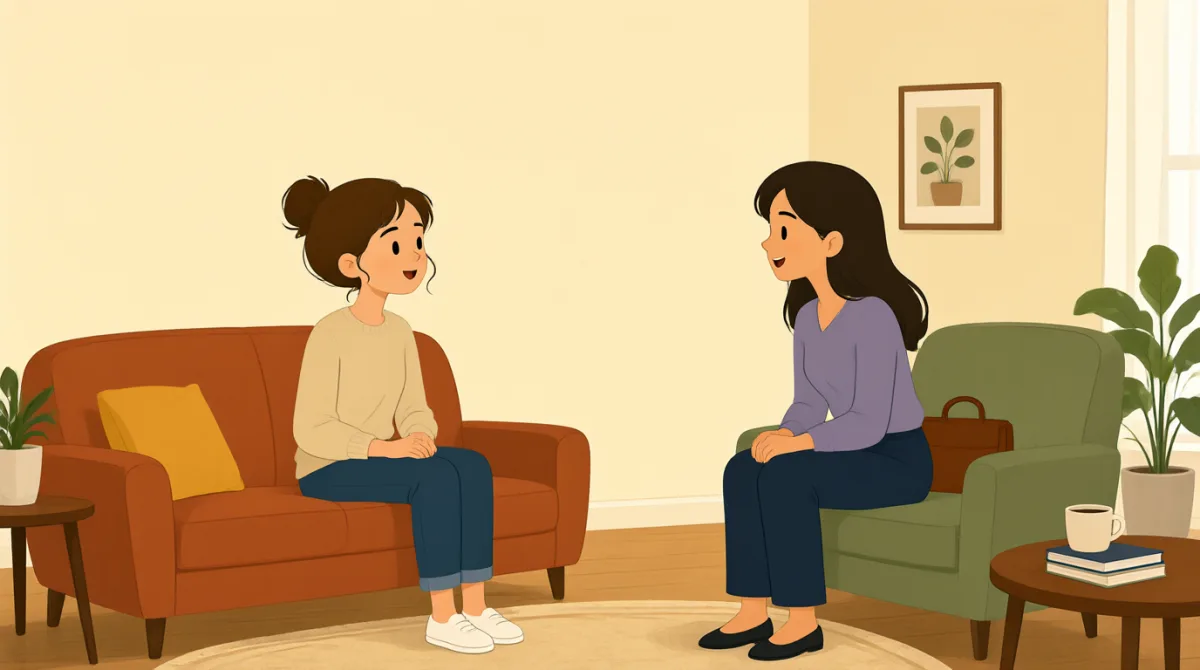
Emma challenges Mia over a recent product recall, suggesting the company acted only after customers were put at risk. Mia acknowledges the seriousness of the concern without accepting the reporter’s loaded framing.
エマは最近の製品リコールについてミアを問い詰め、顧客が危険にさらされてから会社が対応したのではないかと示唆します。ミアは懸念の重大さを認めつつ、記者の決めつけには同意しません。
会話10

The company says it acted to protect customers. But you issued the recall only after people had already used the product. Isn’t it fair to say you waited until customers were put at risk?
会社は顧客を守るために対応したと言っていますね。でも、リコールを発表したのは、すでに製品を使った人がいた後でした。顧客が危険にさらされるまで待ったと言っても、間違いではないのではありませんか?

I understand why the timing raises concern. Any possibility of a safety issue is serious, and we don’t take that lightly. But I wouldn’t characterize our response as waiting until customers were at risk.
そのタイミングに懸念が生じるのは理解しています。安全上の問題の可能性があれば、どんな場合でも重大に受け止めます。ただ、私たちの対応を、顧客が危険にさらされるまで待っていたと表現するのは適切ではないと思います。
You’re rejecting the wording, but not the basic sequence. Customers had the product; then the company recalled it. Why shouldn’t viewers conclude the response came too late?
その表現には異議を唱えていますが、基本的な時系列は否定していませんよね。顧客が製品を手にしていて、その後に会社がリコールした。対応が遅すぎたと視聴者が結論づけてはいけない理由は何ですか?
The sequence matters, but so does what we knew at each point. Once our investigation confirmed a potential safety concern, we initiated the recall and notified customers. We should be judged on the evidence and the actions taken.
時系列は重要ですが、それぞれの時点で何が分かっていたかも重要です。調査で安全上の懸念の可能性が確認されると、私たちはリコールを開始し、顧客に通知しました。判断は、証拠と実際に取った対応に基づいていただくべきです。
That sounds carefully phrased. Were customers exposed to a danger before you made the announcement—yes or no?
ずいぶん慎重な言い方ですね。発表する前に、顧客は危険にさらされていたのですか? はいか、いいえでお答えください。
I can’t responsibly give a blanket yes or no without defining the risk. We have not confirmed that the issue caused injuries, but the potential hazard warranted immediate action once identified.
リスクを明確にしないまま、責任を持って一律に「はい」か「いいえ」で答えることはできません。この問題がけがにつながったとは確認されていませんが、潜在的な危険が特定された時点で、直ちに対応する必要がありました。
So no confirmed injuries—but you’re asking people to trust that the company moved quickly. What concrete evidence can you offer, beyond your assurance?
けがが確認されたわけではない。それでも、会社が迅速に動いたと信じてほしいということですね。あなたの説明以外に、具体的な証拠は何を示せますか?
We published the recall notice, contacted customers through our established channels, and set up a dedicated support line. We’re also cooperating with regulators and sharing verified updates as the review proceeds.
リコールのお知らせを公表し、通常の連絡手段で顧客に連絡し、専用のサポート窓口を設けました。また、規制当局に協力し、調査が進む中で確認済みの情報を共有しています。
You keep referring to the investigation. Isn’t that a convenient way to avoid saying whether the company made a mistake?
あなたは調査のことばかり口にしていますね。会社に過失があったかどうかを言わずに済ませるための、都合のいい言い方ではありませんか?
If the review shows we fell short, we’ll say so and explain what must change. Right now, our priority is making sure customers can identify the product, stop using it, and obtain a remedy.
調査で対応が不十分だったと分かれば、そのことを認め、何を変えるべきか説明します。現時点での最優先事項は、顧客が製品を特定し、使用を中止して、救済措置を受けられるようにすることです。
語彙8
- raises concern懸念を招く
Means causes people to worry or question whether something is safe or appropriate. Here, it refers to the timing of the recall.
人に不安を感じさせたり、安全性や妥当性について疑問を抱かせたりするという意味です。ここでは、リコールのタイミングが懸念を招いているということです。
- characterize our response asこちらの対応を~と表現する
Means describe or present the company’s response in a particular way. It is useful for disagreeing with someone’s framing without dismissing the underlying concern.
会社の対応を、特定の見方で説明したり描写したりするという意味です。根本的な懸念を否定せずに、相手の決めつけた表現に異議を唱えるときに便利です。
- confirmed a potential safety concern安全上の懸念の可能性が確認された
Means established that there was a possible safety issue, even if its effects were not yet certain. The phrase distinguishes identifying a risk from proving that harm occurred.
影響がまだはっきりしていなくても、安全上の問題が起こりうると確認されたという意味です。危険の可能性を特定することと、実際に被害が起きたと証明することを区別する表現です。
- blanket yes or no一律に「はい」か「いいえ」で答えること
A simple yes-or-no answer that ignores important qualifications. Use this phrase when a question cannot be answered responsibly without clarifying the circumstances.
大切な条件や事情を考慮せず、単純に「はい」か「いいえ」で答えることです。状況を明確にしないと責任を持って答えられないときに使います。
- warranted immediate action直ちに対応する必要があった
Means made prompt action necessary or justified. It is a concise way to explain why an organization acted.
迅速な対応が必要だった、または妥当だったという意味です。組織がなぜ行動を起こしたのかを簡潔に説明できます。
- concrete evidence具体的な証拠
Specific, verifiable information rather than a general promise or personal assurance. It is often used to ask someone to support a claim with facts.
一般的な約束や個人的な保証ではなく、具体的で検証できる情報のことです。主張を事実で裏付けるよう求めるときによく使います。
- fell short期待された水準に達しなかった
Means failed to meet an expected standard. It is a measured way to acknowledge possible mistakes without making a premature judgment.
求められる基準を満たせなかったという意味です。早まった判断を避けながら、過ちがあった可能性を認める、慎重な表現です。
- obtain a remedy救済措置を受ける
Means receive a solution or form of compensation for a problem. In this context, it refers to the help available to affected customers.
問題に対する解決策や補償を受けるという意味です。この場面では、影響を受けた顧客が利用できる支援を指します。
重要な文8
- 1
I understand why the timing raises concern.
そのタイミングに懸念が生じるのは理解しています。
This acknowledges the other person’s concern without conceding that their interpretation is correct. Reuse it to recognize a reasonable worry before giving your response.
相手の懸念に理解を示しつつ、その解釈が正しいと認めるわけではありません。妥当な不安を受け止めてから自分の考えを伝えるときに使えます。
- 2
But I wouldn’t characterize our response as waiting until customers were at risk.
ただ、私たちの対応を、顧客が危険にさらされるまで待っていたと表現するのは適切ではないと思います。
This politely rejects a loaded description while addressing the allegation directly. Reuse “I wouldn’t characterize [something] as…” to challenge someone’s framing.
決めつけた表現を丁寧に否定しながら、指摘された内容に正面から答える言い方です。「I wouldn’t characterize [something] as…」を使うと、相手の見方に異議を唱えられます。
- 3
Once our investigation confirmed a potential safety concern, we initiated the recall and notified customers.
調査で安全上の懸念の可能性が確認されると、私たちはリコールを開始し、顧客に通知しました。
This gives a clear sequence of events and connects the decision to the evidence available. Reuse “Once [event], we [action]” to explain when and why a response began.
出来事の順序を明確にし、得られた証拠と決定を結びつけています。「Once [event], we [action]」を使うと、いつ、なぜ対応を始めたのかを説明できます。
- 4
I can’t responsibly give a blanket yes or no without defining the risk.
リスクを明確にしないまま、責任を持って一律に「はい」か「いいえ」で答えることはできません。
This explains why a forced yes-or-no answer would be misleading. Reuse it when a question needs clarification before it can be answered accurately.
無理に「はい」か「いいえ」で答えると誤解を招く理由を説明する表現です。正確に答えるには質問を明確にする必要があるときに使えます。
- 5
We have not confirmed that the issue caused injuries, but the potential hazard warranted immediate action once identified.
この問題がけがにつながったとは確認されていませんが、潜在的な危険が特定された時点で、直ちに対応する必要がありました。
This carefully separates what is known from what still requires confirmation, while explaining why action was taken. Reuse “We have not confirmed [claim], but…” to balance uncertainty with a clear position.
分かっていることと、まだ確認が必要なことを慎重に分けながら、対応した理由も説明しています。「We have not confirmed [claim], but…」を使うと、不確かな点と明確な立場をバランスよく伝えられます。
- 6
What concrete evidence can you offer, beyond your assurance?
あなたの説明以外に、具体的な証拠は何を示せますか?
This asks for verifiable support rather than a general promise. Reuse “What concrete evidence can you offer?” when you need someone to substantiate a claim.
一般的な約束ではなく、検証できる裏付けを求める表現です。主張を事実で証明してほしいときに「What concrete evidence can you offer?」を使えます。
- 7
If the review shows we fell short, we’ll say so and explain what must change.
調査で対応が不十分だったと分かれば、そのことを認め、何を変えるべきか説明します。
This promises accountability while avoiding a conclusion before the review is complete. Reuse “If [process] shows we fell short…” to address possible failures responsibly.
調査が終わる前に結論を出さず、説明責任を果たす姿勢を示しています。「If [process] shows we fell short…」を使うと、問題があった可能性に責任を持って言及できます。
- 8
Right now, our priority is making sure customers can identify the product, stop using it, and obtain a remedy.
現時点での最優先事項は、顧客が製品を特定し、使用を中止して、救済措置を受けられるようにすることです。
This redirects the discussion toward immediate, practical steps for affected people. Reuse “Our priority is making sure…” to state a clear goal and the actions needed to achieve it.
影響を受けた人たちのための、すぐに実行できる具体的な対応へと話題を移す表現です。「Our priority is making sure…」を使うと、明確な目標とそのために必要な行動を伝えられます。