A Hostile Question About the Recall
रिकॉल पर एक तीखा सवाल
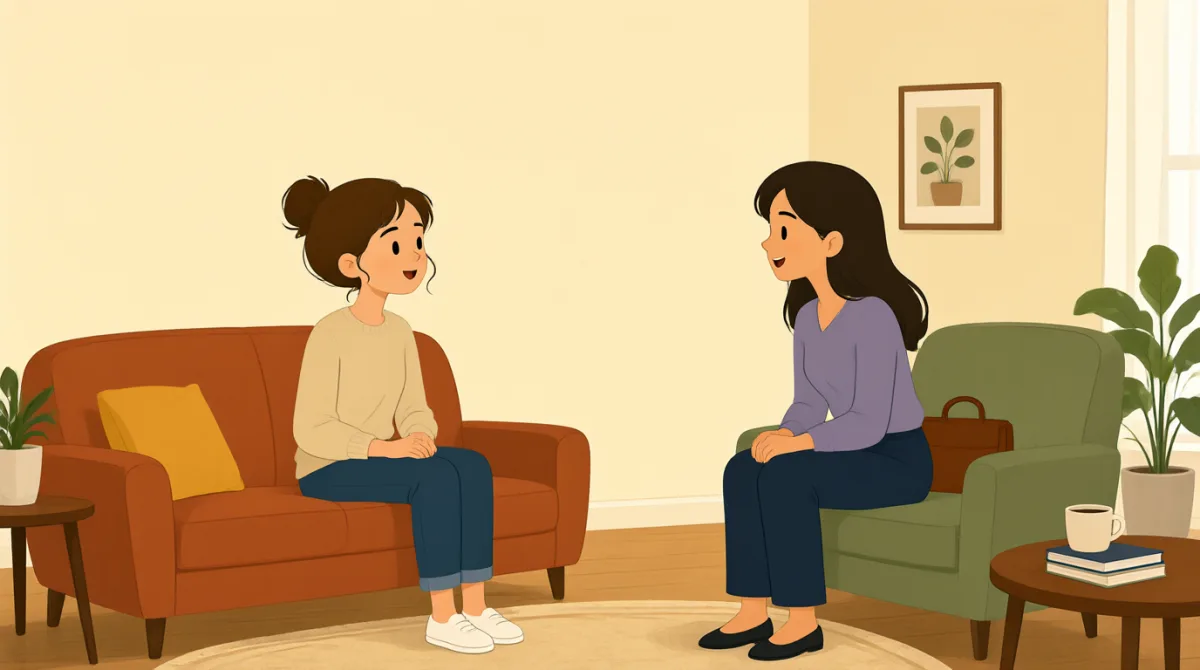
Emma challenges Mia over a recent product recall, suggesting the company acted only after customers were put at risk. Mia acknowledges the seriousness of the concern without accepting the reporter’s loaded framing.
एमा हाल ही में उत्पाद वापस मंगाए जाने के मामले में मिया से सवाल करती हैं और इशारा करती हैं कि कंपनी ने ग्राहकों को खतरे में डालने के बाद ही कार्रवाई की। मिया इस चिंता की गंभीरता स्वीकार करती हैं, लेकिन पत्रकार की पक्षपातपूर्ण व्याख्या को नहीं मानतीं।
संवाद10

The company says it acted to protect customers. But you issued the recall only after people had already used the product. Isn’t it fair to say you waited until customers were put at risk?
कंपनी का कहना है कि उसने ग्राहकों की सुरक्षा के लिए कार्रवाई की। लेकिन आपने रिकॉल तभी जारी किया, जब लोग उत्पाद इस्तेमाल कर चुके थे। क्या यह कहना उचित नहीं होगा कि आपने ग्राहकों के खतरे में पड़ने तक इंतज़ार किया?

I understand why the timing raises concern. Any possibility of a safety issue is serious, and we don’t take that lightly. But I wouldn’t characterize our response as waiting until customers were at risk.
मैं समझती हूँ कि समय को लेकर चिंता क्यों है। सुरक्षा से जुड़ी किसी भी आशंका को गंभीरता से लेना चाहिए, और हम इसे हल्के में नहीं लेते। लेकिन मैं हमारी प्रतिक्रिया को इस तरह नहीं बताऊँगी कि हमने ग्राहकों के खतरे में पड़ने तक इंतज़ार किया।
You’re rejecting the wording, but not the basic sequence. Customers had the product; then the company recalled it. Why shouldn’t viewers conclude the response came too late?
आप शब्दों पर एतराज़ कर रही हैं, लेकिन घटनाओं के मूल क्रम पर नहीं। ग्राहकों के पास उत्पाद था, फिर कंपनी ने उसे वापस मंगाया। दर्शकों को यह निष्कर्ष क्यों नहीं निकालना चाहिए कि कार्रवाई बहुत देर से हुई?
The sequence matters, but so does what we knew at each point. Once our investigation confirmed a potential safety concern, we initiated the recall and notified customers. We should be judged on the evidence and the actions taken.
घटनाओं का क्रम मायने रखता है, लेकिन यह भी कि हर पड़ाव पर हमें क्या पता था। हमारी जाँच में संभावित सुरक्षा चिंता की पुष्टि होते ही हमने रिकॉल शुरू किया और ग्राहकों को सूचित किया। हमारा आकलन सबूतों और की गई कार्रवाई के आधार पर होना चाहिए।
That sounds carefully phrased. Were customers exposed to a danger before you made the announcement—yes or no?
आप बहुत सोच-समझकर जवाब दे रही हैं। घोषणा करने से पहले क्या ग्राहक किसी खतरे के संपर्क में आए थे—हाँ या नहीं?
I can’t responsibly give a blanket yes or no without defining the risk. We have not confirmed that the issue caused injuries, but the potential hazard warranted immediate action once identified.
जोखिम को स्पष्ट किए बिना, ज़िम्मेदारी से केवल हाँ या ना में जवाब नहीं दिया जा सकता। हमने इस बात की पुष्टि नहीं की है कि इस समस्या से किसी को चोट लगी, लेकिन संभावित खतरे का पता चलते ही तुरंत कार्रवाई करना ज़रूरी था।
So no confirmed injuries—but you’re asking people to trust that the company moved quickly. What concrete evidence can you offer, beyond your assurance?
तो चोट लगने की पुष्टि नहीं हुई—लेकिन आप लोगों से भरोसा करने को कह रही हैं कि कंपनी ने जल्दी कार्रवाई की। आपके आश्वासन के अलावा, आप कौन-सा ठोस सबूत दे सकती हैं?
We published the recall notice, contacted customers through our established channels, and set up a dedicated support line. We’re also cooperating with regulators and sharing verified updates as the review proceeds.
हमने रिकॉल की सूचना प्रकाशित की, अपने स्थापित माध्यमों से ग्राहकों से संपर्क किया और सहायता के लिए एक विशेष हेल्पलाइन शुरू की। हम नियामक संस्थाओं के साथ सहयोग भी कर रहे हैं और समीक्षा जारी रहने के दौरान सत्यापित जानकारी साझा कर रहे हैं।
You keep referring to the investigation. Isn’t that a convenient way to avoid saying whether the company made a mistake?
आप बार-बार जाँच का ज़िक्र कर रही हैं। क्या यह कहने से बचने का सुविधाजनक तरीका नहीं है कि कंपनी से गलती हुई या नहीं?
If the review shows we fell short, we’ll say so and explain what must change. Right now, our priority is making sure customers can identify the product, stop using it, and obtain a remedy.
अगर समीक्षा में पता चला कि हम अपेक्षित मानकों पर खरे नहीं उतरे, तो हम यह बात स्वीकार करेंगे और बताएँगे कि क्या बदलना होगा। अभी हमारी प्राथमिकता यह सुनिश्चित करना है कि ग्राहक उत्पाद की पहचान कर सकें, उसका इस्तेमाल बंद करें और समस्या का समाधान पा सकें।
शब्दावली8
- raises concernचिंता पैदा करना
Means causes people to worry or question whether something is safe or appropriate. Here, it refers to the timing of the recall.
इसका मतलब है लोगों को चिंतित करना या उनके मन में यह सवाल उठाना कि कोई चीज़ सुरक्षित या उचित है या नहीं। यहाँ यह रिकॉल के समय को लेकर चिंता की बात करता है।
- characterize our response asहमारी प्रतिक्रिया को इस तरह बताना
Means describe or present the company’s response in a particular way. It is useful for disagreeing with someone’s framing without dismissing the underlying concern.
इसका मतलब है कंपनी की प्रतिक्रिया का किसी खास ढंग से वर्णन करना या उसे पेश करना। किसी की बात रखने के तरीके से असहमति जताते हुए भी मूल चिंता को खारिज न करने के लिए यह वाक्यांश उपयोगी है।
- confirmed a potential safety concernसंभावित सुरक्षा चिंता की पुष्टि होना
Means established that there was a possible safety issue, even if its effects were not yet certain. The phrase distinguishes identifying a risk from proving that harm occurred.
इसका मतलब है यह स्थापित होना कि सुरक्षा से जुड़ी कोई संभावित समस्या थी, भले ही उसके असर अभी निश्चित न हों। यह वाक्यांश जोखिम की पहचान करने और नुकसान होने का प्रमाण मिलने के बीच अंतर स्पष्ट करता है।
- blanket yes or noबिना किसी शर्त के हाँ या ना
A simple yes-or-no answer that ignores important qualifications. Use this phrase when a question cannot be answered responsibly without clarifying the circumstances.
ऐसा सीधा हाँ या ना वाला जवाब जो ज़रूरी बातों और शर्तों को नज़रअंदाज़ करे। जब हालात स्पष्ट किए बिना ज़िम्मेदारी से जवाब देना संभव न हो, तब यह वाक्यांश इस्तेमाल करें।
- warranted immediate actionतुरंत कार्रवाई करना ज़रूरी बनाया
Means made prompt action necessary or justified. It is a concise way to explain why an organization acted.
इसका मतलब है कि तुरंत कार्रवाई करना आवश्यक या उचित था। किसी संगठन ने कार्रवाई क्यों की, यह संक्षेप में समझाने का यह अच्छा तरीका है।
- concrete evidenceठोस सबूत
Specific, verifiable information rather than a general promise or personal assurance. It is often used to ask someone to support a claim with facts.
ऐसी विशिष्ट जानकारी जिसे सत्यापित किया जा सके—सिर्फ़ कोई सामान्य वादा या निजी आश्वासन नहीं। किसी से अपने दावे के समर्थन में तथ्य माँगते समय यह अक्सर इस्तेमाल होता है।
- fell shortअपेक्षित मानकों पर खरा न उतरना
Means failed to meet an expected standard. It is a measured way to acknowledge possible mistakes without making a premature judgment.
इसका मतलब है अपेक्षित स्तर तक न पहुँच पाना। समय से पहले कोई निष्कर्ष निकाले बिना संभावित गलतियों को स्वीकार करने का यह संतुलित तरीका है।
- obtain a remedyसमाधान पाना
Means receive a solution or form of compensation for a problem. In this context, it refers to the help available to affected customers.
इसका मतलब है किसी समस्या के लिए समाधान या मुआवज़ा मिलना। यहाँ यह प्रभावित ग्राहकों के लिए उपलब्ध मदद की बात करता है।
मुख्य वाक्य8
- 1
I understand why the timing raises concern.
मैं समझती हूँ कि समय को लेकर चिंता क्यों है।
This acknowledges the other person’s concern without conceding that their interpretation is correct. Reuse it to recognize a reasonable worry before giving your response.
यह सामने वाले की चिंता को स्वीकार करता है, लेकिन यह नहीं मानता कि उसकी व्याख्या सही है। जवाब देने से पहले किसी जायज़ चिंता को स्वीकार करने के लिए इस वाक्य का इस्तेमाल करें।
- 2
But I wouldn’t characterize our response as waiting until customers were at risk.
लेकिन मैं हमारी प्रतिक्रिया को इस तरह नहीं बताऊँगी कि हमने ग्राहकों के खतरे में पड़ने तक इंतज़ार किया।
This politely rejects a loaded description while addressing the allegation directly. Reuse “I wouldn’t characterize [something] as…” to challenge someone’s framing.
यह आरोप का सीधे जवाब देते हुए, पक्षपातपूर्ण वर्णन को विनम्रता से नकारता है। किसी की बात रखने के तरीके को चुनौती देने के लिए “I wouldn’t characterize [something] as…” का फिर से इस्तेमाल करें।
- 3
Once our investigation confirmed a potential safety concern, we initiated the recall and notified customers.
हमारी जाँच में संभावित सुरक्षा चिंता की पुष्टि होते ही हमने रिकॉल शुरू किया और ग्राहकों को सूचित किया।
This gives a clear sequence of events and connects the decision to the evidence available. Reuse “Once [event], we [action]” to explain when and why a response began.
यह घटनाओं का क्रम साफ़-साफ़ बताता है और निर्णय को उपलब्ध सबूतों से जोड़ता है। जवाब कब और क्यों शुरू हुआ, यह समझाने के लिए “Once [event], we [action]” का फिर से इस्तेमाल करें।
- 4
I can’t responsibly give a blanket yes or no without defining the risk.
जोखिम को स्पष्ट किए बिना, ज़िम्मेदारी से केवल हाँ या ना में जवाब नहीं दिया जा सकता।
This explains why a forced yes-or-no answer would be misleading. Reuse it when a question needs clarification before it can be answered accurately.
यह बताता है कि ज़बरदस्ती हाँ या ना में जवाब देना भ्रामक क्यों होगा। जब सही जवाब देने से पहले सवाल को स्पष्ट करना ज़रूरी हो, तब इसका इस्तेमाल करें।
- 5
We have not confirmed that the issue caused injuries, but the potential hazard warranted immediate action once identified.
हमने इस बात की पुष्टि नहीं की है कि इस समस्या से किसी को चोट लगी, लेकिन संभावित खतरे का पता चलते ही तुरंत कार्रवाई करना ज़रूरी था।
This carefully separates what is known from what still requires confirmation, while explaining why action was taken. Reuse “We have not confirmed [claim], but…” to balance uncertainty with a clear position.
यह जो बात मालूम है और जिसकी पुष्टि अभी बाकी है, उनके बीच साफ़ अंतर करता है और साथ ही बताता है कि कार्रवाई क्यों की गई। अनिश्चितता के साथ अपनी स्थिति स्पष्ट रखने के लिए “We have not confirmed [claim], but…” का फिर से इस्तेमाल करें।
- 6
What concrete evidence can you offer, beyond your assurance?
आपके आश्वासन के अलावा, आप कौन-सा ठोस सबूत दे सकती हैं?
This asks for verifiable support rather than a general promise. Reuse “What concrete evidence can you offer?” when you need someone to substantiate a claim.
यह सामान्य वादे के बजाय ऐसा समर्थन माँगता है जिसे सत्यापित किया जा सके। किसी से दावे की पुष्टि करने के लिए “What concrete evidence can you offer?” का फिर से इस्तेमाल करें।
- 7
If the review shows we fell short, we’ll say so and explain what must change.
अगर समीक्षा में पता चला कि हम अपेक्षित मानकों पर खरे नहीं उतरे, तो हम यह बात स्वीकार करेंगे और बताएँगे कि क्या बदलना होगा।
This promises accountability while avoiding a conclusion before the review is complete. Reuse “If [process] shows we fell short…” to address possible failures responsibly.
यह समीक्षा पूरी होने से पहले कोई निष्कर्ष निकाले बिना जवाबदेही का वादा करता है। संभावित कमियों पर ज़िम्मेदारी से बात करने के लिए “If [process] shows we fell short…” का फिर से इस्तेमाल करें।
- 8
Right now, our priority is making sure customers can identify the product, stop using it, and obtain a remedy.
अभी हमारी प्राथमिकता यह सुनिश्चित करना है कि ग्राहक उत्पाद की पहचान कर सकें, उसका इस्तेमाल बंद करें और समस्या का समाधान पा सकें।
This redirects the discussion toward immediate, practical steps for affected people. Reuse “Our priority is making sure…” to state a clear goal and the actions needed to achieve it.
यह बातचीत को प्रभावित लोगों के लिए तुरंत उठाए जा सकने वाले व्यावहारिक कदमों की ओर मोड़ता है। स्पष्ट लक्ष्य और उसे हासिल करने के लिए ज़रूरी कार्रवाइयाँ बताने के लिए “Our priority is making sure…” का फिर से इस्तेमाल करें।