After Work
काम के बाद
Jack asks Leo what he does after work. Leo talks about dinner and his evening routine.
जैक, लियो से पूछता है कि वह काम के बाद क्या करता है। लियो रात के खाने और अपनी शाम की दिनचर्या के बारे में बताता है।
संवाद8
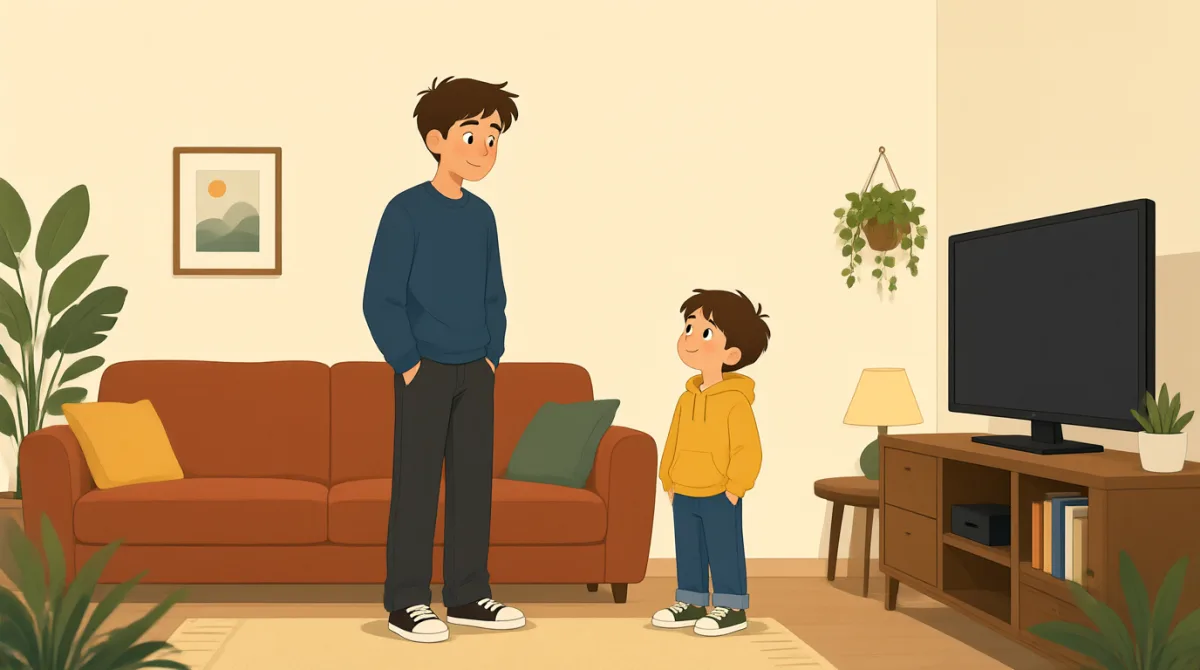

What do you do after work, Leo?
लियो, तुम काम के बाद क्या करते हो?

I go home and make dinner.
मैं घर जाता हूँ और रात का खाना बनाता हूँ।
What do you usually eat?
तुम आम तौर पर क्या खाते हो?
I eat rice and chicken. Sometimes I have soup.
मैं चावल और चिकन खाता हूँ। कभी-कभी सूप भी पीता हूँ।
What do you do after dinner?
रात के खाने के बाद तुम क्या करते हो?
I wash the dishes, then I watch TV.
मैं बर्तन धोता हूँ, फिर टीवी देखता हूँ।
What time do you go to bed?
तुम कितने बजे सोने जाते हो?
I go to bed at ten. I get up early.
मैं दस बजे सोने जाता हूँ। मैं सुबह जल्दी उठता हूँ।
शब्दावली8
- after workकाम के बाद
This means the time after you finish your job. Use it to talk about your plans in the evening.
इसका मतलब है, काम खत्म करने के बाद का समय। शाम के अपने कार्यक्रमों के बारे में बात करने के लिए इसका इस्तेमाल करें।
- go homeघर जाना
This means to travel to the place where you live. You can use it to talk about where you go after work.
इसका मतलब है उस जगह जाना जहाँ आप रहते हैं। काम के बाद आप कहाँ जाते हैं, यह बताने के लिए इसका इस्तेमाल कर सकते हैं।
- make dinnerरात का खाना बनाना
This means to prepare the evening meal. You can say, “I make dinner at home.”
इसका मतलब है शाम का भोजन तैयार करना। आप कह सकते हैं, “I make dinner at home.”
- usuallyआम तौर पर
This means something happens most of the time. Use it to ask about or describe a regular habit.
इसका मतलब है कि कोई बात ज़्यादातर समय होती है। किसी नियमित आदत के बारे में पूछने या बताने के लिए इसका इस्तेमाल करें।
- sometimesकभी-कभी
This means something happens on some occasions, but not every time. Use it to talk about habits that change.
इसका मतलब है कि कोई बात कुछ मौकों पर होती है, लेकिन हर बार नहीं। बदलती हुई आदतों के बारे में बात करने के लिए इसका इस्तेमाल करें।
- wash the dishesबर्तन धोना
This means to clean plates, cups, and other things used for eating. You can use it to describe a job you do after a meal.
इसका मतलब है खाने में इस्तेमाल की गई प्लेटें, कप और दूसरी चीज़ें साफ़ करना। भोजन के बाद किए जाने वाले काम के बारे में बताने के लिए इसका इस्तेमाल करें।
- go to bedसोने जाना
This means to get into bed to sleep. You can use it to say when you sleep.
इसका मतलब है सोने के लिए बिस्तर पर जाना। आप कब सोते हैं, यह बताने के लिए इसका इस्तेमाल कर सकते हैं।
- get up earlyसुबह जल्दी उठना
This means to wake up and leave your bed early in the day. Use it to talk about your morning routine.
इसका मतलब है दिन की शुरुआत में जागना और बिस्तर से उठना। अपनी सुबह की दिनचर्या के बारे में बताने के लिए इसका इस्तेमाल करें।
मुख्य वाक्य8
- 1
What do you do after work, Leo?
लियो, तुम काम के बाद क्या करते हो?
Use this question to ask about someone's routine after their job. You can change “after work” to another time, such as “in the evening.”
किसी की काम के बाद की दिनचर्या के बारे में पूछने के लिए इस सवाल का इस्तेमाल करें। आप “after work” की जगह कोई और समय, जैसे “in the evening,” रख सकते हैं।
- 2
I go home and make dinner.
मैं घर जाता हूँ और रात का खाना बनाता हूँ।
This sentence describes two things you do in order. You can replace “make dinner” with another activity, such as “watch TV.”
यह वाक्य उन दो कामों के बारे में बताता है जो आप एक के बाद एक करते हैं। आप “make dinner” की जगह कोई दूसरी गतिविधि, जैसे “watch TV,” रख सकते हैं।
- 3
What do you usually eat?
तुम आम तौर पर क्या खाते हो?
Use this question to ask what someone eats most of the time. You can replace “eat” with another activity to ask about a habit.
किसी से यह पूछने के लिए इस सवाल का इस्तेमाल करें कि वह ज़्यादातर समय क्या खाता है। किसी आदत के बारे में पूछने के लिए “eat” की जगह कोई दूसरी गतिविधि रख सकते हैं।
- 4
Sometimes I have soup.
कभी-कभी मैं सूप पीता हूँ।
Use this sentence to describe something you do or eat on some occasions. You can replace “soup” with another food or activity.
कभी-कभार आप जो करते या खाते हैं, उसके बारे में बताने के लिए इस वाक्य का इस्तेमाल करें। “soup” की जगह कोई दूसरा खाना या गतिविधि रख सकते हैं।
- 5
What do you do after dinner?
रात के खाने के बाद तुम क्या करते हो?
Use this question to ask about someone's routine after a meal. You can change “after dinner” to “after work” or “after class.”
भोजन के बाद किसी की दिनचर्या के बारे में पूछने के लिए इस सवाल का इस्तेमाल करें। आप “after dinner” की जगह “after work” या “after class” कह सकते हैं।
- 6
I wash the dishes, then I watch TV.
मैं बर्तन धोता हूँ, फिर टीवी देखता हूँ।
This sentence tells someone about two activities in order. Use “then” to show what happens next.
यह वाक्य किसी को बताता है कि आप दो काम किस क्रम में करते हैं। आगे होने वाली बात दिखाने के लिए “then” का इस्तेमाल करें।
- 7
What time do you go to bed?
तुम कितने बजे सोने जाते हो?
Use this question to ask when someone goes to sleep. Answer with a time, such as “I go to bed at ten.”
किसी से यह पूछने के लिए इस सवाल का इस्तेमाल करें कि वह कब सोने जाता है। समय बताकर जवाब दें, जैसे “I go to bed at ten.”
- 8
I get up early.
मैं सुबह जल्दी उठता हूँ।
Use this sentence to say that you wake up early in the day. You can replace “early” with a time, such as “at six.”
दिन में जल्दी जागने की बात बताने के लिए इस वाक्य का इस्तेमाल करें। “early” की जगह कोई समय, जैसे “at six,” रख सकते हैं।