After Work
下班之後
Jack asks Leo what he does after work. Leo talks about dinner and his evening routine.
Jack詢問Leo下班後會做什麼。Leo談到晚餐和晚上的日常安排。
對話8
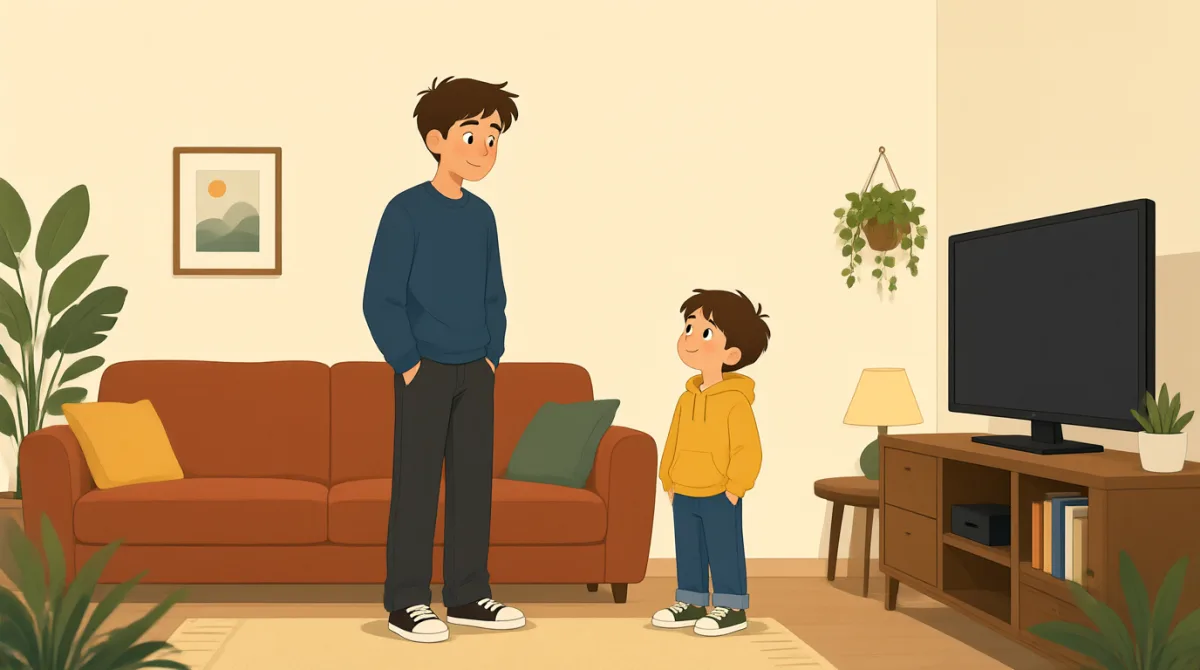

What do you do after work, Leo?
Leo,你下班後做什麼?

I go home and make dinner.
我回家做晚飯。
What do you usually eat?
你通常吃什麼?
I eat rice and chicken. Sometimes I have soup.
我吃米飯和雞肉。有時我喝湯。
What do you do after dinner?
晚飯後你做什麼?
I wash the dishes, then I watch TV.
我洗碗,然後看電視。
What time do you go to bed?
你幾點睡覺?
I go to bed at ten. I get up early.
我十點睡覺。我起得很早。
詞彙8
- after work下班後
This means the time after you finish your job. Use it to talk about your plans in the evening.
指工作結束之後的時間。可以用它來聊聊你晚上的安排。
- go home回家
This means to travel to the place where you live. You can use it to talk about where you go after work.
指前往自己居住的地方。可以用它來聊聊你下班後要去哪兒。
- make dinner做晚飯
This means to prepare the evening meal. You can say, “I make dinner at home.”
指準備晚餐。你可以說:“I make dinner at home.”(我在家做晚飯。)
- usually通常
This means something happens most of the time. Use it to ask about or describe a regular habit.
指某件事大多數時候都會發生。可以用它來詢問或描述日常習慣。
- sometimes有時
This means something happens on some occasions, but not every time. Use it to talk about habits that change.
指某件事偶爾會發生,但不是每次都會發生。可以用它來聊聊有所變化的習慣。
- wash the dishes洗碗
This means to clean plates, cups, and other things used for eating. You can use it to describe a job you do after a meal.
指清洗吃飯用的盤子、杯子和其他餐具。可以用它來描述飯後要做的事。
- go to bed上床睡覺
This means to get into bed to sleep. You can use it to say when you sleep.
指上床準備睡覺。可以用它來說自己幾點睡覺。
- get up early早起
This means to wake up and leave your bed early in the day. Use it to talk about your morning routine.
指在一天較早的時候醒來並起床。可以用它來聊聊你的早晨日常安排。
關鍵句8
- 1
What do you do after work, Leo?
Leo,你下班後做什麼?
Use this question to ask about someone's routine after their job. You can change “after work” to another time, such as “in the evening.”
用這個問題詢問別人下班後的日常安排。你可以把“after work”換成其他時間,比如“in the evening”。
- 2
I go home and make dinner.
我回家做晚飯。
This sentence describes two things you do in order. You can replace “make dinner” with another activity, such as “watch TV.”
這個句子按順序描述了兩件事。你可以把“make dinner”換成其他活動,比如“watch TV”。
- 3
What do you usually eat?
你通常吃什麼?
Use this question to ask what someone eats most of the time. You can replace “eat” with another activity to ask about a habit.
用這個問題詢問別人通常吃什麼。你可以把“eat”換成其他活動,詢問對方的習慣。
- 4
Sometimes I have soup.
我有時會喝湯。
Use this sentence to describe something you do or eat on some occasions. You can replace “soup” with another food or activity.
用這個句子描述你偶爾會做或吃的事。你可以把“soup”換成其他食物或活動。
- 5
What do you do after dinner?
你晚飯後做什麼?
Use this question to ask about someone's routine after a meal. You can change “after dinner” to “after work” or “after class.”
用這個問題詢問別人飯後的日常安排。你可以把“after dinner”換成“after work”或“after class”。
- 6
I wash the dishes, then I watch TV.
我洗碗,然後看電視。
This sentence tells someone about two activities in order. Use “then” to show what happens next.
這個句子按順序告訴別人兩項活動。用“then”表示接下來發生的事。
- 7
What time do you go to bed?
你幾點睡覺?
Use this question to ask when someone goes to sleep. Answer with a time, such as “I go to bed at ten.”
用這個問題詢問別人什麼時候睡覺。可以用具體時間回答,比如“I go to bed at ten.”
- 8
I get up early.
我起得很早。
Use this sentence to say that you wake up early in the day. You can replace “early” with a time, such as “at six.”
用這個句子表示你早早起床。你可以把“early”換成具體時間,比如“at six”。