Opening the Presentation
آغاز ارائه
The presenter formally begins by introducing the project title, team members, and the presentation's agenda to the academic audience.
ارائهدهنده با معرفی عنوان پروژه، اعضای تیم و برنامهٔ ارائه به مخاطبان دانشگاهی، ارائه را بهطور رسمی آغاز میکند.
گفتوگو8
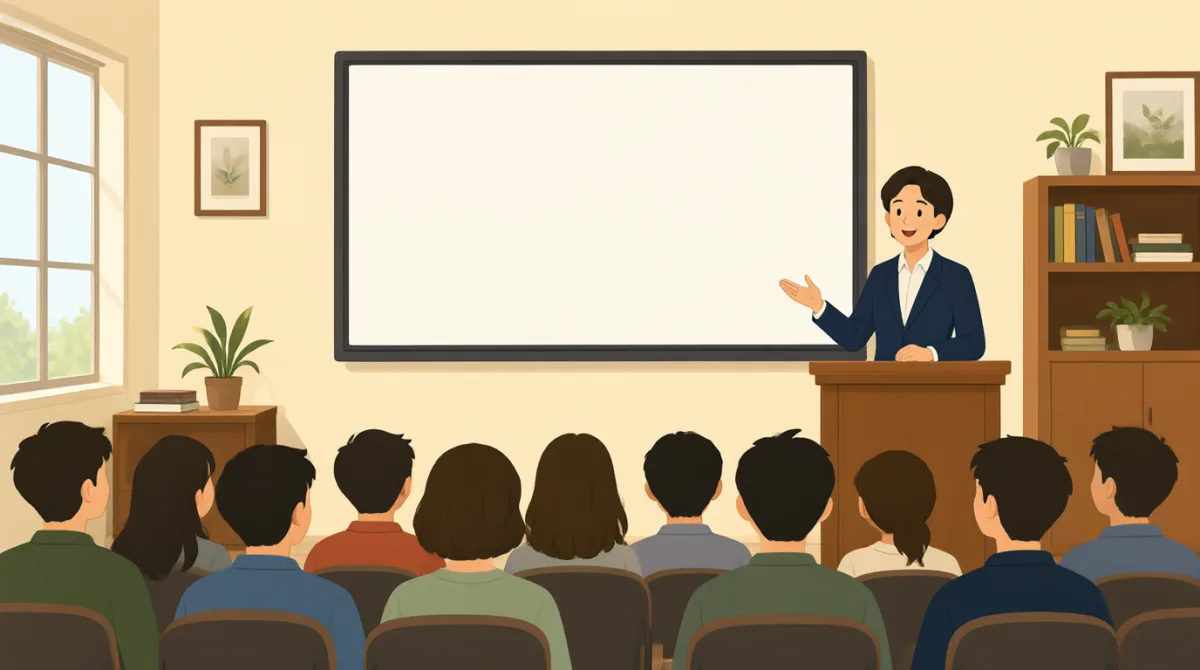

Good morning, everyone. Welcome to our research project presentation. My name is Dr. David Chen, and I'm thrilled to be here today.
صبح همگی بخیر. به ارائهٔ پروژهٔ پژوهشی ما خوش آمدید. من دکتر دیوید چن هستم و از اینکه امروز اینجا هستم بسیار خوشحالم.
Today, we'll be discussing our progress on the 'Advanced Materials for Sustainable Energy Storage' project.
امروز دربارهٔ پیشرفت کارمان در پروژهٔ «مواد پیشرفته برای ذخیرهسازی پایدار انرژی» صحبت خواهیم کرد.
This project is a collaborative effort, and I'd like to acknowledge my dedicated team members: Dr. Grace Wilson, Mr. Jack Miller, and Ms. Emma Carter, whose hard work has been instrumental.
این پروژه تلاشی مشترک است و میخواهم از اعضای پرتلاش تیمم، دکتر گریس ویلسون، آقای جک میلر و خانم اما کارتر، قدردانی کنم؛ تلاشهای آنها نقش بسیار مهمی داشته است.
Now, for today's agenda, we'll begin with a brief overview of the project's objectives and methodology.
حالا، دربارهٔ برنامهٔ امروز، با مروری کوتاه بر اهداف و روششناسی پروژه شروع میکنیم.
Following that, we'll delve into our key findings from the past quarter, highlighting the experimental results and their initial analysis.
پس از آن، به بررسی دقیق یافتههای کلیدیمان در سهماههٔ گذشته میپردازیم و نتایج آزمایشها و تحلیل اولیهٔ آنها را برجسته میکنیم.
Finally, we'll conclude with a discussion on the implications of our research and our next steps, including future work and potential applications.
در پایان، دربارهٔ پیامدهای پژوهشمان و گامهای بعدی، از جمله کارهای آینده و کاربردهای بالقوه، بحث خواهیم کرد.
We'll reserve some time at the end for questions and answers, so please feel free to take notes as we go along.
در پایان هم زمانی را برای پرسشوپاسخ در نظر میگیریم؛ پس لطفاً در طول ارائه یادداشتبرداری کنید.
Without further ado, let's begin. Dr. Wilson, if you could please start with the project overview?
بیدرنگ شروع کنیم. دکتر ویلسون، ممکن است لطفاً با معرفی کلی پروژه شروع کنید؟
واژگان9
- presentationارائه
A talk or speech given to an audience to share information, often in a formal setting like a meeting or class. Use it when introducing what you're about to discuss.
سخنرانی یا گفتاری برای ارائهٔ اطلاعات به مخاطبان، معمولاً در موقعیتهای رسمی مثل جلسه یا کلاس است. وقتی میخواهید موضوعی را که قرار است دربارهاش صحبت کنید معرفی کنید، از این واژه استفاده کنید.
- thrilledبسیار خوشحال
Very excited and happy about something. It's a positive word to express enthusiasm, often used in greetings or introductions to show energy.
یعنی از چیزی بسیار هیجانزده و خوشحال بودن. واژهای مثبت برای نشاندادن اشتیاق است و اغلب در خوشامدگویی یا معرفی به کار میرود.
- progressپیشرفت
The advancement or development made in a project or task. Useful in reports to talk about how far you've come.
میزان پیشروی یا توسعهای که در یک پروژه یا کار حاصل شده است. در گزارشها برای گفتن اینکه تا کجا پیش رفتهاید مفید است.
- collaborativeمشترک
Involving work done together by a group. Common in professional settings to describe team efforts.
به کاری گفته میشود که گروهی با همکاری یکدیگر انجام میدهند. در محیطهای حرفهای برای توصیف تلاشهای گروهی رایج است.
- acknowledgeقدردانی کردن
To recognize or thank someone for their contribution. Polite way to give credit in speeches or emails.
یعنی سهم یا تلاش کسی را به رسمیت شناختن یا از او تشکر کردن. راهی مؤدبانه برای ارجنهادن به دیگران در سخنرانی یا ایمیل است.
- agendaبرنامهٔ جلسه
A list of topics or plan for a meeting or presentation. Helps structure what will be covered.
فهرستی از موضوعات یا برنامهای برای جلسه یا ارائه است و کمک میکند مطالبی را که قرار است مطرح شوند مرتب کنید.
- delve intoبهطور دقیق بررسی کردن
To explore or examine something in detail. Informal phrase for going deeper into a topic during discussions.
یعنی چیزی را با جزئیات بررسی یا کاوش کردن. این عبارت در گفتوگوها لحنی نسبتاً غیررسمی دارد و برای ورود عمیقتر به یک موضوع به کار میرود.
- implicationsپیامدها
The possible effects or consequences of something. Useful in academic talks to discuss importance.
اثرات یا نتایج احتمالی چیزی است. در سخنرانیهای دانشگاهی برای بحث دربارهٔ اهمیت موضوع کاربرد دارد.
- without further adoبیدرنگ
A formal phrase meaning 'without more delay' or 'let's get started.' Common in speeches to transition smoothly.
عبارتی رسمی به معنی «بدون تأخیر بیشتر» یا «شروع کنیم» است. در سخنرانیها برای گذار روان به بخش بعدی کاربرد دارد.
جملات کلیدی9
- 1
Good morning, everyone. Welcome to our research project presentation.
صبح همگی بخیر. به ارائهٔ پروژهٔ پژوهشی ما خوش آمدید.
This is a polite opening greeting for formal events. Use it to start a presentation and make the audience feel included. 'Everyone' addresses the group casually yet respectfully.
این یک خوشامدگویی مؤدبانه برای رویدادهای رسمی است. از آن برای شروع ارائه و ایجاد حس مشارکت در مخاطبان استفاده کنید. «everyone» گروه را با لحنی صمیمی اما محترمانه خطاب میکند.
- 2
My name is Dr. David Chen, and I'm thrilled to be here today.
من دکتر دیوید چن هستم و از اینکه امروز اینجا هستم بسیار خوشحالم.
A standard self-introduction. It includes title for formality and 'thrilled' to show excitement. Useful for introducing yourself in professional settings; the 'and' connects two ideas smoothly.
یک معرفی استاندارد است. عنوان شغلی یا علمی، لحن را رسمی میکند و «thrilled» هیجان را نشان میدهد. برای معرفی خود در محیطهای حرفهای مفید است؛ «and» هم دو ایده را روان به هم وصل میکند.
- 3
Today, we'll be discussing our progress on the 'Advanced Materials for Sustainable Energy Storage' project.
امروز دربارهٔ پیشرفت کارمان در پروژهٔ «Advanced Materials for Sustainable Energy Storage» صحبت خواهیم کرد.
Introduces the main topic using future continuous tense 'we'll be discussing' to describe planned actions. Practical for outlining what the talk covers; quote project titles for clarity.
موضوع اصلی را با زمان آیندهٔ استمراری «we'll be discussing» معرفی میکند تا کاری را که برای آینده برنامهریزی شده بیان کند. برای توضیح محتوای سخنرانی کاربردی است؛ عنوان پروژه را برای وضوح داخل گیومه بیاورید.
- 4
This project is a collaborative effort, and I'd like to acknowledge my dedicated team members: Dr. Grace Wilson, Mr. Jack Miller, and Ms. Emma Carter, whose hard work has been instrumental.
این پروژه تلاشی مشترک است و میخواهم از اعضای پرتلاش تیمم، دکتر گریس ویلسون، آقای جک میلر و خانم اما کارتر، قدردانی کنم؛ تلاشهای آنها نقش بسیار مهمی داشته است.
Thanks team members politely. 'Collaborative effort' describes teamwork, and the relative clause 'whose hard work...' adds detail. Use this to give credit in group presentations; note formal titles like Dr., Mr., Ms.
در این جمله با لحنی مؤدبانه از اعضای تیم تشکر میشود. «Collaborative effort» به کار گروهی اشاره دارد و جملهٔ موصولی «whose hard work...» توضیح بیشتری میدهد. برای قدردانی در ارائههای گروهی از این ساختار استفاده کنید و به عنوانهای رسمی مثل Dr.، Mr. و Ms. توجه کنید.
- 5
Now, for today's agenda, we'll begin with a brief overview of the project's objectives and methodology.
حالا، دربارهٔ برنامهٔ امروز، با مروری کوتاه بر اهداف و روششناسی پروژه شروع میکنیم.
Outlines the structure using 'we'll begin with' for sequence. 'Agenda' means plan, and 'overview' is a summary. Helpful for guiding audiences through a talk; 'objectives and methodology' are key academic terms.
ساختار ارائه را با «we'll begin with» مشخص میکند. «Agenda» یعنی برنامه و «overview» یعنی مرور کلی. این عبارتها برای راهنمایی مخاطبان در طول سخنرانی مفیدند؛ «objectives and methodology» هم اصطلاحهای کلیدی دانشگاهی هستند.
- 6
Following that, we'll delve into our key findings from the past quarter, highlighting the experimental results and their initial analysis.
پس از آن، به بررسی دقیق یافتههای کلیدیمان در سهماههٔ گذشته میپردازیم و نتایج آزمایشها و تحلیل اولیهٔ آنها را برجسته میکنیم.
Describes next steps with 'following that' for transitions. 'Delve into' means explore deeply, and 'highlighting' shows emphasis. Useful in reports to connect sections; gerund form adds actions.
با عبارت «following that» بخش بعدی را معرفی میکند. «Delve into» یعنی عمیقاً بررسی کردن و «highlighting» بر برجستهکردن چیزی دلالت دارد. این عبارتها برای پیوند دادن بخشهای گزارش مفیدند؛ شکل فعلیِ ing نیز کارهای در حال انجام را بیان میکند.
- 7
Finally, we'll conclude with a discussion on the implications of our research and our next steps, including future work and potential applications.
در پایان، دربارهٔ پیامدهای پژوهشمان و گامهای بعدی، از جمله کارهای آینده و کاربردهای بالقوه، بحث خواهیم کرد.
Ends the agenda with 'finally' and 'we'll conclude with.' Explains outcomes using 'implications' for effects. Practical for wrapping up plans; 'including' lists details without full sentences.
با «finally» و «we'll conclude with» برنامه را به پایان میرساند. برای توضیح نتایج احتمالی از «implications» استفاده شده است. این ساختار برای جمعبندی برنامه مفید است؛ «including» هم جزئیات را بدون نیاز به جملههای کامل فهرست میکند.
- 8
We'll reserve some time at the end for questions and answers, so please feel free to take notes as we go along.
در پایان زمانی را برای پرسشوپاسخ در نظر میگیریم؛ پس لطفاً در طول ارائه یادداشتبرداری کنید.
Invites interaction politely. 'Reserve time' means set aside, and 'feel free to' is encouraging. Use at the start of talks to prepare audience; 'as we go along' means during the presentation.
مخاطبان را به مشارکت دعوت میکند، آن هم با لحنی مؤدبانه. «Reserve time» یعنی زمانی را اختصاص دادن و «feel free to» لحنی تشویقکننده دارد. این جمله را در آغاز سخنرانیها برای آمادهکردن مخاطبان به کار ببرید؛ «as we go along» یعنی در طول ارائه.
- 9
Without further ado, let's begin. Dr. Wilson, if you could please start with the project overview?
بیدرنگ شروع کنیم. دکتر ویلسون، ممکن است لطفاً با معرفی کلی پروژه شروع کنید؟
Signals the start with an idiomatic phrase 'without further ado.' Polite request using 'if you could please.' Ideal for transitioning to content or handing over; question form softens the ask.
عبارت اصطلاحی «without further ado» شروع کار را اعلام میکند. «if you could please» درخواست را مؤدبانه بیان میکند. این ساختار برای ورود به محتوای اصلی یا واگذارکردن صحبت به نفر بعدی مناسب است؛ حالت پرسشی، درخواست را ملایمتر میکند.