The Missing/Extra Part Mystery
لغز القطعة الناقصة أو الزائدة
Mid-assembly, the couple discovers they either have a seemingly extra part that doesn't appear in the diagrams, or they are missing a crucial component, leading to confusion, backtracking, and trying to figure out if they made a mistake or if IKEA made an error.
في أثناء تركيب الأثاث، يكتشف الزوجان أن لديهما قطعة تبدو زائدة ولا تظهر في الرسومات، أو أنهما يفتقدان جزءًا أساسيًا. فيحتارَان، ويعودان إلى الخطوات السابقة، ويحاولان معرفة ما إذا كانا قد ارتكبا خطأ أم أن IKEA أخطأت.
حوار10
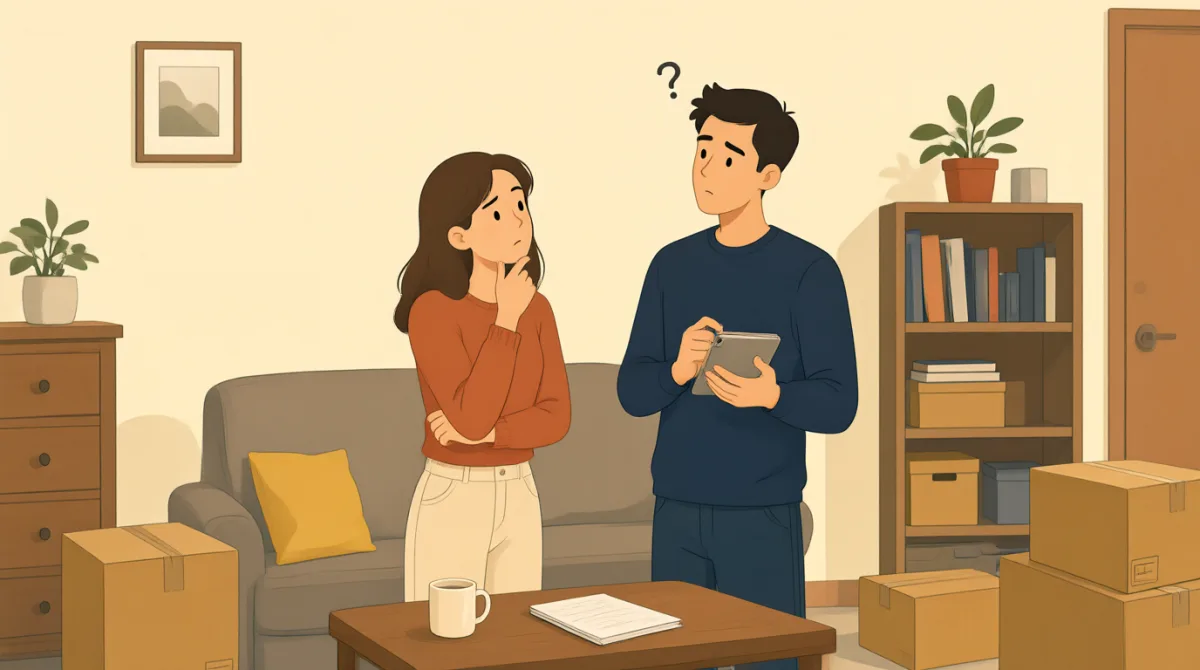

Okay, so we're assembling the drawer mechanism now... but wait a second. What is this?
حسنًا، نحن نركّب آلية الدرج الآن... لكن لحظة. ما هذه؟

What's wrong? Did we miss a step? We’re almost there!
ما الأمر؟ هل تخطّينا خطوة؟ أوشكنا على الانتهاء!
I have an extra screw. And not just any screw, it's longer and wider than anything we've used so far. It's not on the parts list.
لديّ برغي زائد. وليس برغيًا عاديًا، فهو أطول وأعرض من أي برغي استخدمناه حتى الآن. وليس موجودًا في قائمة القطع.
Are you sure? Let me see the manual. Maybe it's for something later, or a different version?
أمتأكد؟ دعني أرى الكتيّب. ربما هو مخصّص لشيء سنركّبه لاحقًا، أو لنسخة مختلفة؟
I've checked page by page, checked the parts list right at the front. There's no mention of a screw this size. It's like it doesn't belong.
تحققت من كل صفحة، ومن قائمة القطع في بداية الكتيّب. لا يوجد أي ذكر لبرغي بهذا الحجم. كأنه لا ينتمي إلى هذه القطع.
Hmm, that's puzzling. Do you think we used the wrong screw somewhere else? Like we accidentally used a smaller one where this should have gone?
همم، هذا محيّر. أتظن أننا استخدمنا برغيًا غير مناسب في مكان آخر؟ ربما استخدمنا برغيًا أصغر بالخطأ في موضع كان ينبغي أن نستخدم هذا فيه؟
Possibly. That's the only logical explanation, unless IKEA just packs random extra parts sometimes. Let's go back to the beginning diagrams and cross-reference every screw.
ممكن. هذا التفسير المنطقي الوحيد، إلا إذا كانت IKEA تضع أحيانًا قطعًا إضافية عشوائيًا. لنعد إلى الرسومات الأولى ونراجع كل برغي ونقارنه بها.
Ugh, really? From step one? This is going to take ages. But I guess it's better than having a wobbly drawer.
آخ، حقًا؟ من الخطوة الأولى؟ سيستغرق هذا وقتًا طويلًا. لكن أظن أن هذا أفضل من أن يكون الدرج مهتزًا.
Agreed. You start from the bottom up, I'll go from the top down. We'll meet in the middle. We gotta figure this out.
أتفق معك. ابدئي من الأسفل إلى الأعلى، وسأبدأ من الأعلى إلى الأسفل. سنلتقي في المنتصف. علينا أن نحل هذه المشكلة.
Alright, detective work it is. Let's hope it's a quick fix and not a full reassembly.
حسنًا، فلنقم بعمل المحققين إذن. لنأمل أن يكون إصلاحه سريعًا، لا أن نضطر إلى إعادة تركيبه بالكامل.
المفردات7
- assemblingالتركيب
Putting together parts of something, like furniture, using tools and instructions. Useful when talking about building or DIY projects.
يعني جمع أجزاء شيء ما، مثل الأثاث، باستخدام الأدوات واتباع التعليمات. تفيد هذه الكلمة عند الحديث عن تركيب الأثاث أو تنفيذ أعمال يدوية.
- mechanismآلية
A system of parts that work together to make something function, like the moving parts in a drawer. Common in descriptions of machines or furniture.
مجموعة من الأجزاء تعمل معًا لتؤدي وظيفة معينة، مثل الأجزاء المتحركة في الدرج. تُستخدم الكلمة كثيرًا لوصف الآلات أو قطع الأثاث.
- screwبرغي
A small metal fastener with a spiral thread, used to join pieces of wood or metal. Essential vocabulary for DIY and assembly tasks.
قطعة معدنية صغيرة ذات لولب حلزوني، تُستخدم لربط قطع الخشب أو المعدن. إنها كلمة أساسية عند الحديث عن الأعمال اليدوية والتركيب.
- manualكتيّب التعليمات
A booklet with instructions on how to use or assemble something. Often used in contexts like furniture or appliances to refer to the guidebook.
كتيّب يشرح كيفية استخدام شيء ما أو تركيبه. يُستخدم هذا التعبير غالبًا عند الحديث عن الأثاث أو الأجهزة.
- puzzlingمحيّر
Something confusing or hard to understand. Helpful for expressing bewilderment in problem-solving situations.
يصف شيئًا يسبب الحيرة أو يصعب فهمه. يمكنك استخدامه للتعبير عن الارتباك عند محاولة حل مشكلة.
- logicalمنطقي
Based on clear reasoning or sense. Used when discussing reasonable explanations or steps in a process.
يعني قائمًا على التفكير السليم أو على ما يبدو معقولًا. يُستخدم عند مناقشة تفسيرات أو خطوات منطقية.
- wobblyمهتزّ
Unstable or shaking, like furniture that isn't put together properly. Practical for describing everyday issues with objects.
يصف شيئًا غير ثابت أو يتمايل، مثل قطعة أثاث لم تُركّب بإحكام. يفيد لوصف مشكلات الأشياء في الحياة اليومية.
الجمل الأساسية7
- 1
What's wrong? Did we miss a step?
ما الأمر؟ هل تخطّينا خطوة؟
This question shows concern and checks for errors in a process. Useful in teamwork or instructions; 'miss a step' is an idiom for skipping part of a sequence. Use it when something seems off during a task.
يُظهر هذا السؤال القلق ويتحقق مما إذا كان هناك خطأ في سير العمل. يفيد عند العمل مع الآخرين أو اتباع التعليمات. التعبير 'miss a step' يعني تخطّي جزء من تسلسل الخطوات. استخدمه عندما يبدو أن هناك خللًا ما أثناء إنجاز مهمة.
- 2
I have an extra screw.
لديّ برغي زائد.
A simple statement describing an unexpected item. Practical for reporting issues in assembly; highlights possession with 'have' and the adjective 'extra' for surplus items. Say this when discovering mismatches.
جملة بسيطة تصف وجود قطعة غير متوقعة. تفيد عند الإبلاغ عن مشكلة أثناء التركيب؛ إذ تعبّر 'have' عن امتلاك شيء، وتصف كلمة 'extra' القطع الفائضة. قلها عندما تلاحظ أن القطع لا تتطابق.
- 3
Let me see the manual.
دعني أرى كتيّب التعليمات.
A polite request to check instructions. Useful in collaborative situations; imperative form 'let me' softens the request. Employ it when needing to verify details in guides or books.
طلب مهذب لمراجعة التعليمات. يفيد عند التعاون مع شخص آخر؛ فصيغة الأمر 'let me' تجعل الطلب ألطف. استخدمه عندما تحتاج إلى التحقق من تفاصيل في دليل أو كتاب.
- 4
That's puzzling.
هذا محيّر.
An expression of confusion. Short and natural for intermediate speakers; 'that's' contracts 'that is' for casual talk. Use it to acknowledge a mystery without over-explaining.
تعبير عن الحيرة. إنه قصير وطبيعي للمتعلمين في المستوى المتوسط؛ و'that's' اختصار لـ 'that is' يُستخدم في الحديث غير الرسمي. استخدمه للإشارة إلى أن الأمر غامض من دون إطالة.
- 5
Let's go back to the beginning.
لنعد إلى البداية.
Suggests restarting a process to fix errors. Imperative with 'let's' for suggestions in teams; useful in problem-solving to mean reviewing from the start. Apply during tasks gone wrong.
يقترح هذا التعبير إعادة النظر في العملية من بدايتها لإصلاح الأخطاء. تُستخدم صيغة الاقتراح 'let's' عند العمل ضمن فريق، وهي مفيدة لمراجعة الخطوات منذ البداية عندما تسوء الأمور.
- 6
This is going to take ages.
سيستغرق هذا وقتًا طويلًا.
Expresses that something will take a long time. Future continuous 'is going to' for predictions; 'ages' is informal for 'a very long time.' Use in frustrating situations to complain mildly.
يعبّر هذا عن أن الأمر سيستغرق وقتًا طويلًا. تُستخدم صيغة المستقبل 'is going to' للتنبؤ، أما 'ages' فهي كلمة غير رسمية تعني «وقتًا طويلًا جدًا». يمكنك قول ذلك للتذمر بلطف عندما يكون الموقف محبطًا.
- 7
We gotta figure this out.
علينا أن نحل هذه المشكلة.
Means we must solve the problem. Informal contraction 'gotta' for 'got to' shows urgency; common in casual American English for determination. Say it when committing to resolve an issue together.
تعني هذه الجملة أنه يجب علينا حل المشكلة. الاختصار غير الرسمي 'gotta' بدلًا من 'got to' يعبّر عن الإلحاح؛ وهو شائع في الإنجليزية الأمريكية غير الرسمية للتعبير عن الإصرار. قلها عندما تتعهد مع شخص آخر بحل مشكلة.