The First Visit
การมาเยี่ยมครั้งแรก
Grace visits Mia at home and gives her space to talk—or not talk. She listens with care instead of trying to find a silver lining.
เกรซมาเยี่ยมมีอาที่บ้าน และเปิดโอกาสให้เธอพูดหรือไม่พูดก็ได้ เธอตั้งใจฟังอย่างใส่ใจ แทนที่จะพยายามพูดให้มองโลกในแง่ดี
บทสนทนา11
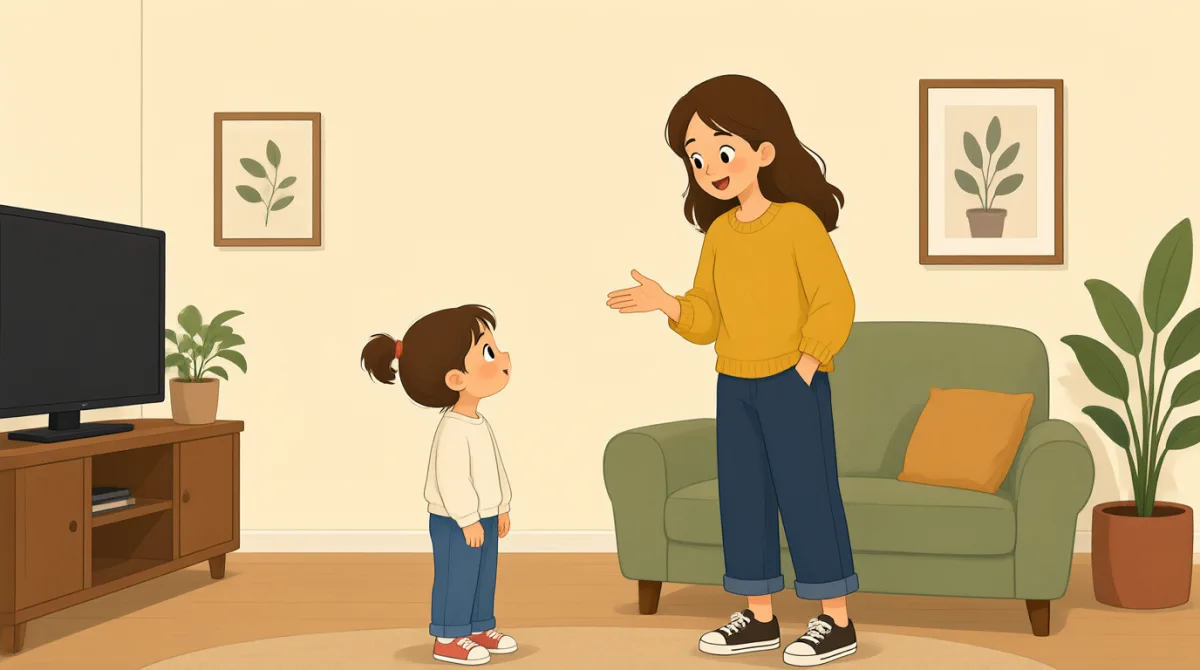

Hi, Mia. I brought some tea, but we don’t have to make it. Would you like me to come in, or would you rather have some time to yourself?
หวัดดี มีอา เราเอาชามาฝากนะ แต่ไม่ต้องชงก็ได้ เธออยากให้เราเข้าไปไหม หรืออยากอยู่คนเดียวสักพักมากกว่า?

Please come in. I’m glad you’re here. I just can’t promise I’ll be very good company; the house feels strange, and I’m not sure what to say.
เข้ามาสิ ดีใจที่เธอมานะ แต่เรารับปากไม่ได้ว่าจะเป็นเพื่อนที่คุยสนุก บ้านมันรู้สึกแปลก ๆ แล้วเราก็ไม่รู้จะพูดอะไรดี
You don’t have to say anything. I’m so sorry about your father, Mia. I can sit with you, listen, or help with something practical—whatever feels right to you.
เธอไม่ต้องพูดอะไรก็ได้ เราเสียใจด้วยจริง ๆ เรื่องคุณพ่อของเธอนะ มีอา เราจะนั่งอยู่เป็นเพื่อน ฟังเธอ หรือช่วยทำอะไรที่เป็นรูปธรรมก็ได้ แล้วแต่เธอว่าแบบไหนสบายใจ
I keep expecting to hear his key in the door. Then I remember, and it’s like the news arrives all over again. I don’t know how to make sense of that.
เรายังคอยคิดว่าจะได้ยินเสียงกุญแจของพ่อที่ประตู พอนึกขึ้นได้อีกที ก็เหมือนเพิ่งได้รับข่าวนั้นซ้ำอีกครั้ง เราไม่รู้จะทำความเข้าใจกับความรู้สึกนี้ยังไง
That sounds disorienting. You don’t need to make sense of it for me, or turn it into something you can manage neatly. I’m here with you in it.
ฟังดูชวนสับสนและทำให้รู้สึกเคว้งนะ เธอไม่ต้องอธิบายให้เราเข้าใจ หรือพยายามจัดการความรู้สึกให้เป็นระเบียบหรอก เราอยู่ตรงนี้กับเธอนะ
Thank you. Everyone keeps asking what I need, and I genuinely don’t know. I can barely decide whether I should open the curtains.
ขอบใจนะ ทุกคนเอาแต่ถามว่าเราต้องการอะไร แต่เราก็ไม่รู้จริง ๆ แค่จะตัดสินใจว่าจะเปิดม่านดีไหม เรายังแทบทำไม่ได้เลย
Then there’s no need to decide anything right now. I can open them a little, leave them as they are, or do nothing at all. You can change your mind whenever you want.
งั้นตอนนี้ก็ยังไม่ต้องตัดสินใจอะไรเลยก็ได้ เราจะเปิดม่านนิดหน่อย ปล่อยไว้แบบเดิม หรือไม่ทำอะไรเลยก็ได้ เธอเปลี่ยนใจเมื่อไหร่ก็ได้นะ
Maybe just a little. And could you stay for a while? I don’t need advice; I just don’t want the silence to feel quite so big.
เปิดแค่นิดเดียวก็พอ แล้วเธออยู่ต่ออีกสักพักได้ไหม เราไม่ต้องการคำแนะนำ แค่ไม่อยากให้ความเงียบมันรู้สึกกว้างใหญ่ขนาดนี้
Of course. We can let the silence be here without trying to fill it. If you want to talk about your father, I’ll listen; if not, we can simply sit together.
ได้สิ เราปล่อยให้ความเงียบอยู่ตรงนี้ โดยไม่ต้องพยายามหาอะไรมากลบก็ได้ ถ้าเธออยากพูดถึงพ่อ เราก็จะฟัง ถ้าไม่อยากพูด เรานั่งด้วยกันเฉย ๆ ก็ได้
I might tell you about him later. For now, could we sit in the kitchen? It’s the room where he always made coffee, and somehow that feels less lonely.
เราอาจเล่าเรื่องพ่อให้ฟังทีหลังนะ ตอนนี้เราไปนั่งในครัวกันได้ไหม เป็นห้องที่พ่อชงกาแฟอยู่เสมอ แล้วไม่รู้ทำไม ตรงนั้นถึงทำให้เรารู้สึกโดดเดี่ยวน้อยลง
The kitchen it is. I’ll follow your lead, and there’s no expectation that you’ll feel any particular way. We can stay as long as you’d like.
งั้นไปครัวกัน เราจะตามที่เธอต้องการนะ แล้วก็ไม่จำเป็นเลยว่าเธอจะต้องรู้สึกแบบไหน เราอยู่ได้นานเท่าที่เธออยากให้เราอยู่
คำศัพท์7
- good companyเป็นเพื่อนที่คุยสนุก
Pleasant or engaging to spend time with. Mia uses it gently to say she may not be able to chat or entertain Grace.
หมายถึงคนที่อยู่ด้วยแล้วเพลิดเพลินหรือชวนคุย มีอาใช้คำนี้อย่างนุ่มนวลเพื่อบอกว่าเธออาจคุยหรือทำให้เกรซเพลิดเพลินไม่ได้
- disorientingชวนสับสนและทำให้รู้สึกเคว้ง
Making someone feel confused or unsettled. Here, Grace acknowledges how repeatedly remembering her father’s death can make Mia feel.
หมายถึงทำให้ใครบางคนรู้สึกสับสนหรือไม่มั่นคง ในบทสนทนานี้ เกรซยอมรับว่าการนึกถึงการเสียชีวิตของพ่อซ้ำ ๆ อาจทำให้มีารู้สึกเช่นนั้น
- make sense ofทำความเข้าใจ
To understand or find a clear explanation for something. It is useful when talking about confusing experiences or emotions.
หมายถึงเข้าใจหรือหาคำอธิบายที่ชัดเจนให้กับบางสิ่ง วลีนี้มีประโยชน์เวลาพูดถึงประสบการณ์หรืออารมณ์ที่ทำให้สับสน
- practicalที่เป็นรูปธรรม
Related to useful, concrete tasks rather than emotional support alone. Grace offers practical help without assuming Mia wants it.
หมายถึงเกี่ยวกับงานที่ทำได้จริงและเห็นผล ไม่ใช่แค่การช่วยเหลือทางอารมณ์ เกรซเสนอความช่วยเหลือที่เป็นรูปธรรมโดยไม่คิดไปเองว่ามีอาต้องการ
- change your mindเปลี่ยนใจ
To decide differently from what you chose before. This phrase reassures someone that they can revise a decision without pressure.
หมายถึงตัดสินใจต่างไปจากที่เลือกไว้ก่อน วลีนี้ช่วยให้อีกฝ่ายมั่นใจว่าเปลี่ยนการตัดสินใจได้โดยไม่ต้องรู้สึกกดดัน
- follow your leadทำตามที่อีกฝ่ายต้องการ
To let another person guide what happens next. It is a considerate way to show that you will respect their preferences.
หมายถึงปล่อยให้อีกฝ่ายเป็นคนกำหนดว่าจะทำอะไรต่อ เป็นวิธีแสดงความใส่ใจและเคารพในความต้องการของเขา
- no expectationไม่มีข้อคาดหวัง
No requirement or pressure to act or feel a certain way. In this conversation, it gives Mia room to grieve in her own way.
หมายถึงไม่มีข้อกำหนดหรือแรงกดดันให้ทำหรือรู้สึกแบบใดแบบหนึ่ง ในบทสนทนานี้ วลีนี้เปิดโอกาสให้มีาโศกเศร้าในแบบของตัวเอง
ประโยคสำคัญ7
- 1
Would you like me to come in, or would you rather have some time to yourself?
เธออยากให้เราเข้าไปไหม หรืออยากอยู่คนเดียวสักพักมากกว่า?
This offers two clear choices while respecting the other person’s need for space. You can reuse the structure to ask what kind of support someone prefers.
ประโยคนี้เสนอทางเลือกที่ชัดเจนสองอย่าง พร้อมเคารพความต้องการพื้นที่ส่วนตัวของอีกฝ่าย คุณนำโครงสร้างนี้ไปใช้ถามได้ว่าใครสักคนอยากได้รับความช่วยเหลือแบบไหน
- 2
You don’t have to say anything.
เธอไม่ต้องพูดอะไรก็ได้
This reassures someone that they are not expected to talk or explain themselves. It can be especially comforting when someone is overwhelmed.
ประโยคนี้ช่วยให้อีกฝ่ายมั่นใจว่าไม่มีใครคาดหวังให้เขาพูดหรืออธิบายตัวเอง อาจช่วยปลอบใจได้มากเป็นพิเศษเมื่อใครสักคนกำลังรับมือกับเรื่องหนักใจ
- 3
I can sit with you, listen, or help with something practical—whatever feels right to you.
เราจะนั่งอยู่เป็นเพื่อน ฟังเธอ หรือช่วยทำอะไรที่เป็นรูปธรรมก็ได้ แล้วแต่เธอว่าแบบไหนสบายใจ
This offers different kinds of support without assuming what the person needs. Reuse the list of options and let them choose.
ประโยคนี้เสนอความช่วยเหลือหลายแบบโดยไม่คิดไปเองว่าอีกฝ่ายต้องการอะไร ลองยกตัวเลือกให้ฟัง แล้วปล่อยให้เขาเลือกได้เลย
- 4
You don’t need to make sense of it for me, or turn it into something you can manage neatly.
เธอไม่ต้องอธิบายให้เราเข้าใจ หรือพยายามจัดการความรู้สึกให้เป็นระเบียบหรอก
This removes pressure to explain or organize difficult feelings. It is useful when someone seems to be searching for the right words or a tidy explanation.
ประโยคนี้ช่วยลดแรงกดดันที่ต้องอธิบายหรือจัดระเบียบความรู้สึกที่ยากลำบาก มีประโยชน์เมื่อใครสักคนกำลังพยายามหาคำพูดที่ใช่หรือคำอธิบายที่ชัดเจน
- 5
You can change your mind whenever you want.
เธอเปลี่ยนใจเมื่อไหร่ก็ได้นะ
This makes clear that a choice is not a commitment. Use it when offering help or making plans with someone who may feel uncertain.
ประโยคนี้ทำให้ชัดเจนว่าการเลือกยังเปลี่ยนแปลงได้ ใช้ได้เมื่อเสนอความช่วยเหลือหรือวางแผนกับคนที่อาจยังไม่แน่ใจ
- 6
We can let the silence be here without trying to fill it.
เราปล่อยให้ความเงียบอยู่ตรงนี้ โดยไม่ต้องพยายามหาอะไรมากลบก็ได้
This recognizes that silence can be part of supportive company rather than a problem to solve. It is a gentle way to show you are comfortable simply staying present.
ประโยคนี้ยอมรับว่าความเงียบอาจเป็นส่วนหนึ่งของการอยู่เป็นเพื่อน ไม่ใช่ปัญหาที่ต้องแก้ เป็นวิธีอ่อนโยนในการแสดงว่าเราเต็มใจอยู่ตรงนั้นด้วยกัน โดยไม่จำเป็นต้องพูดอะไร
- 7
I’ll follow your lead, and there’s no expectation that you’ll feel any particular way.
เราจะตามที่เธอต้องการนะ แล้วก็ไม่จำเป็นเลยว่าเธอจะต้องรู้สึกแบบไหน
This communicates respect for the person’s pace and individual emotional response. You can adapt it when supporting someone through a difficult or personal experience.
ประโยคนี้สื่อว่าเราเคารพจังหวะและการตอบสนองทางอารมณ์ที่แตกต่างกันของอีกฝ่าย คุณปรับใช้ได้เมื่อต้องช่วยเหลือใครสักคนที่กำลังเผชิญเรื่องยากหรือเป็นเรื่องส่วนตัว