Grocery Shopping for Healthy Ingredients
เลือกซื้อวัตถุดิบเพื่อสุขภาพ
A conversation between a shopper and a store employee or another shopper about choosing fresh, safe, and nutritious ingredients, perhaps discussing organic options, reading food labels, or avoiding certain additives.
บทสนทนาระหว่างผู้ซื้อกับพนักงานร้านหรือผู้ซื้อคนอื่นเกี่ยวกับการเลือกวัตถุดิบที่สด สะอาดปลอดภัย และมีคุณค่าทางโภชนาการ อาจพูดคุยเรื่องสินค้าออร์แกนิก การอ่านฉลากอาหาร หรือการหลีกเลี่ยงสารปรุงแต่งบางชนิด
บทสนทนา8
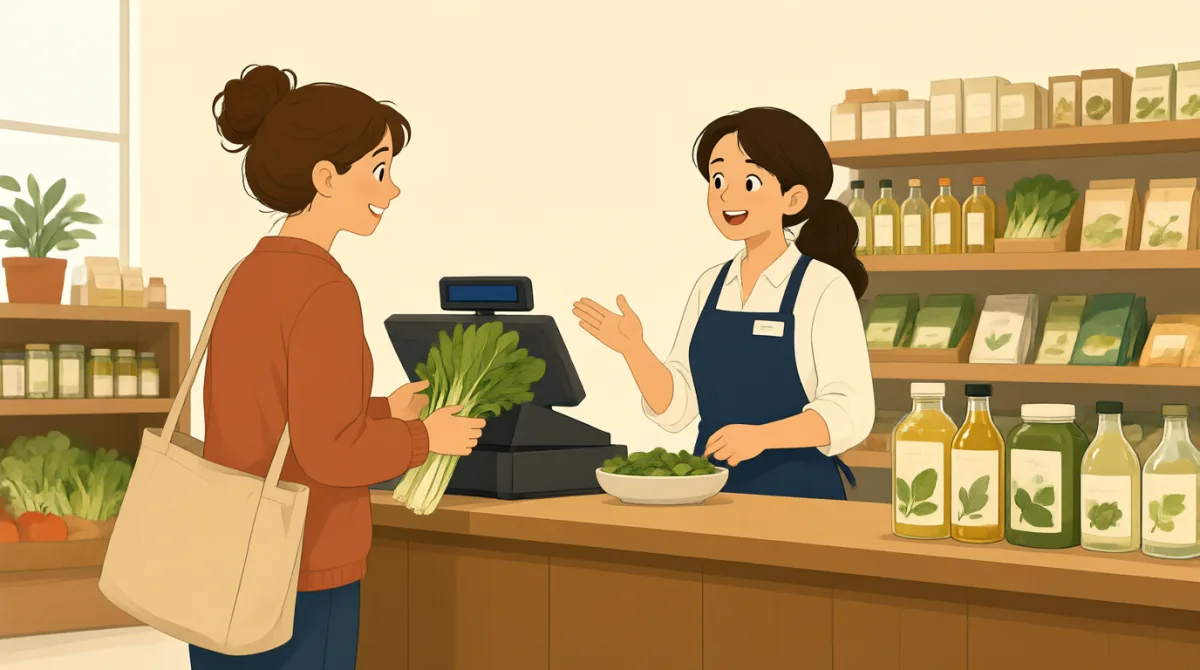

Excuse me, I'm trying to find some fresh, healthy ingredients. Do you have any recommendations for organic produce?
ขอโทษนะคะ ฉันกำลังหาวัตถุดิบสดใหม่เพื่อสุขภาพอยู่ค่ะ พอจะแนะนำผักผลไม้ออร์แกนิกได้ไหมคะ

Certainly! Our organic section is just around the corner, near the dairy. We get fresh deliveries every morning. What kind of vegetables or fruits are you looking for?
ได้เลยครับ แผนกออร์แกนิกของเราอยู่ตรงหัวมุมนั้น ใกล้กับแผนกผลิตภัณฑ์นมครับ เราได้รับของสดมาส่งทุกเช้า กำลังมองหาผักหรือผลไม้ชนิดไหนอยู่ครับ
I'm looking for some leafy greens and perhaps some berries. I'm trying to cut down on processed foods and focus on whole ingredients. How can I ensure they're truly fresh and safe?
ฉันกำลังหาผักใบเขียว แล้วก็อาจจะซื้อเบอร์รีด้วยค่ะ ฉันพยายามกินอาหารแปรรูปให้น้อยลง และเน้นวัตถุดิบที่ไม่ผ่านการแปรรูป อยากรู้ว่าดูยังไงให้แน่ใจว่าของสดและปลอดภัยจริง ๆ คะ
For leafy greens, check for vibrant color and crispness. Avoid anything wilted or discolored. For berries, make sure they're firm and free of mold. And always wash your produce thoroughly before eating, even organic.
ถ้าเป็นผักใบเขียว ให้ดูสีสดและความกรอบครับ หลีกเลี่ยงผักที่เหี่ยวหรือสีเปลี่ยนไป ส่วนเบอร์รีก็เลือกที่ลูกแน่นและไม่มีราครับ แล้วอย่าลืมล้างผักผลไม้ให้สะอาดก่อนกินทุกครั้ง ถึงจะเป็นแบบออร์แกนิกก็ตาม
That's great advice, thank you! Also, when I'm reading food labels, what should I be looking out for if I want to avoid unhealthy additives?
คำแนะนำดีมากเลยค่ะ ขอบคุณนะคะ แล้วเวลาอ่านฉลากอาหาร ถ้าอยากเลี่ยงสารปรุงแต่งที่ไม่ดีต่อสุขภาพ ควรดูอะไรบ้างคะ
Good question. Generally, look for shorter ingredient lists. Try to avoid things like high-fructose corn syrup, artificial colors, artificial sweeteners, and hydrogenated oils. The fewer ingredients you don't recognize, the better.
เป็นคำถามที่ดีครับ โดยทั่วไปให้เลือกผลิตภัณฑ์ที่มีรายการส่วนผสมสั้น ๆ พยายามเลี่ยงส่วนผสมอย่างน้ำเชื่อมข้าวโพดฟรุกโตสสูง สีสังเคราะห์ สารให้ความหวานเทียม และน้ำมันที่ผ่านกระบวนการเติมไฮโดรเจน ยิ่งมีส่วนผสมที่คุณไม่คุ้นชื่อน้อยเท่าไรก็ยิ่งดีครับ
That makes sense. It can be a bit overwhelming with all the options. I appreciate the guidance.
เข้าใจแล้วค่ะ ตัวเลือกมีเยอะจนเลือกไม่ถูกเหมือนกัน ขอบคุณที่ช่วยแนะนำนะคะ
No problem at all! Healthy eating is a journey. If you have any more questions about specific products, feel free to ask. Enjoy your shopping!
ยินดีครับ การกินเพื่อสุขภาพเป็นเรื่องที่ค่อย ๆ ปรับกันไป ถ้ามีคำถามเกี่ยวกับผลิตภัณฑ์ชิ้นไหนเพิ่มเติมก็ถามได้เลยนะครับ ขอให้ช้อปปิงสนุกครับ
คำศัพท์8
- organicออร์แกนิก
Organic refers to food grown without synthetic chemicals, pesticides, or fertilizers. It's popular for healthier and more natural options in grocery shopping.
Organic หมายถึงอาหารที่ปลูกโดยไม่ใช้สารเคมีสังเคราะห์ ยาฆ่าแมลง หรือปุ๋ยสังเคราะห์ คำนี้มักใช้กับตัวเลือกที่ดูเป็นธรรมชาติและดีต่อสุขภาพเวลาเลือกซื้อของกิน
- produceผักผลไม้สด
Produce means fresh fruits and vegetables sold in stores. Use it when asking about or buying items like apples or lettuce.
Produce หมายถึงผักและผลไม้สดที่วางขายในร้าน ใช้คำนี้เวลาถามถึงหรือซื้อของอย่างแอปเปิลหรือผักกาดหอม
- leafy greensผักใบเขียว
Leafy greens are vegetables with edible leaves, such as spinach or kale. They are nutritious and often recommended for healthy diets.
Leafy greens คือผักที่กินใบได้ เช่น ผักโขมหรือเคล มีคุณค่าทางโภชนาการและมักแนะนำให้กินเพื่อสุขภาพ
- berriesเบอร์รี
Berries are small, juicy fruits like strawberries or blueberries. They are rich in vitamins and good for snacks or smoothies.
Berries คือผลไม้ลูกเล็กฉ่ำน้ำ เช่น สตรอว์เบอร์รีหรือบลูเบอร์รี อุดมด้วยวิตามิน กินเป็นของว่างหรือใส่สมูททีได้
- processed foodsอาหารแปรรูป
Processed foods are items changed from their natural form, like canned or packaged snacks. Many people avoid them to eat healthier.
Processed foods คืออาหารที่ผ่านการเปลี่ยนแปลงจากสภาพธรรมชาติ เช่น อาหารกระป๋องหรือขนมบรรจุห่อ หลายคนหลีกเลี่ยงอาหารเหล่านี้เพื่อกินให้ดีต่อสุขภาพมากขึ้น
- additivesสารปรุงแต่ง
Additives are substances added to food to enhance flavor, color, or shelf life. Check labels to avoid unhealthy ones like artificial sweeteners.
Additives คือสารที่เติมลงในอาหารเพื่อเพิ่มรสชาติ สี หรือช่วยให้อาหารเก็บได้นานขึ้น ควรอ่านฉลากเพื่อหลีกเลี่ยงชนิดที่ไม่ดีต่อสุขภาพ เช่น สารให้ความหวานเทียม
- vibrantสดใส
Vibrant describes bright, lively colors, often used for fresh fruits and vegetables to show they are high quality and not spoiled.
Vibrant ใช้บรรยายสีที่สดใสมีชีวิตชีวา มักใช้กับผักผลไม้สดเพื่อสื่อว่ามีคุณภาพดีและไม่เน่าเสีย
- crispnessความกรอบ
Crispness means a firm, fresh texture that snaps when broken. It's a sign of good quality in vegetables like lettuce.
Crispness หมายถึงเนื้อสัมผัสที่แน่นและสด กรอบหักได้ เป็นสัญญาณว่าผักอย่างผักกาดหอมมีคุณภาพดี
ประโยคสำคัญ8
- 1
Excuse me, I'm trying to find some fresh, healthy ingredients. Do you have any recommendations for organic produce?
ขอโทษนะคะ ฉันกำลังหาวัตถุดิบสดใหม่เพื่อสุขภาพอยู่ค่ะ พอจะแนะนำผักผลไม้ออร์แกนิกได้ไหมคะ
This polite question is useful for starting a conversation in a store. It uses 'Excuse me' to get attention and asks for suggestions, showing how to seek advice on healthy shopping. The structure is a statement followed by a yes/no question.
คำถามสุภาพนี้ใช้เริ่มบทสนทนาในร้านได้ดี โดยใช้ 'Excuse me' เพื่อเรียกความสนใจ แล้วขอคำแนะนำเกี่ยวกับการเลือกซื้ออาหารเพื่อสุขภาพ โครงสร้างเป็นประโยคบอกเล่าตามด้วยคำถามที่ตอบได้ว่าใช่หรือไม่
- 2
What kind of vegetables or fruits are you looking for?
กำลังมองหาผักหรือผลไม้ชนิดไหนอยู่ครับ
This is a helpful follow-up question in service situations. It uses 'what kind of' to specify types, making it practical for clarifying customer needs. It's a simple wh-question for gathering more details.
นี่เป็นคำถามต่อที่ใช้ได้ดีในสถานการณ์บริการ โดยใช้ 'what kind of' เพื่อถามถึงประเภทต่าง ๆ จึงช่วยให้เข้าใจความต้องการของลูกค้าได้ชัดเจน เป็นคำถามขึ้นต้นด้วยคำแสดงคำถามเพื่อขอรายละเอียดเพิ่มเติม
- 3
I'm looking for some leafy greens and perhaps some berries.
ฉันกำลังหาผักใบเขียว แล้วก็อาจจะซื้อเบอร์รีด้วยค่ะ
This sentence expresses specific shopping needs. 'Perhaps' adds a soft suggestion, useful for polite requests. It's good for intermediate learners to practice listing items with 'and' and 'some' for quantities.
ประโยคนี้ใช้บอกสิ่งที่ต้องการซื้อโดยเฉพาะ คำว่า 'Perhaps' ช่วยให้ฟังดูเป็นการเสนออย่างนุ่มนวล เหมาะกับการพูดอย่างสุภาพ ผู้เรียนระดับกลางสามารถฝึกใช้ 'and' และ 'some' เพื่อบอกรายการและปริมาณได้ด้วย
- 4
How can I ensure they're truly fresh and safe?
อยากรู้ว่าดูยังไงให้แน่ใจว่าของสดและปลอดภัยจริง ๆ คะ
This asks for advice on safety, common in food contexts. 'Ensure' means to make sure, and 'truly' emphasizes genuineness. Use it when seeking tips on quality checks; it's a how-question with a subject-verb inversion.
ประโยคนี้ใช้ขอคำแนะนำเรื่องความปลอดภัย ซึ่งพบได้บ่อยเมื่อพูดถึงอาหาร 'Ensure' หมายถึงทำให้แน่ใจ ส่วน 'truly' ใช้เน้นว่าสดและปลอดภัยจริง ๆ ใช้ถามเคล็ดลับในการตรวจสอบคุณภาพได้ โดยเป็นคำถาม how-question ที่มีการสลับตำแหน่งประธานกับกริยา
- 5
For leafy greens, check for vibrant color and crispness.
ถ้าเป็นผักใบเขียว ให้ดูสีสดและความกรอบครับ
This gives practical advice with imperatives like 'check for.' It's useful for explaining how to select food. The structure uses 'for [item], [action]' to organize tips clearly.
ประโยคนี้ให้คำแนะนำที่นำไปใช้ได้จริง โดยใช้คำสั่งอย่าง 'check for' เหมาะสำหรับอธิบายวิธีเลือกอาหาร โครงสร้าง 'for [item], [action]' ช่วยจัดคำแนะนำให้ชัดเจน
- 6
Always wash your produce thoroughly before eating, even organic.
อย่าลืมล้างผักผลไม้ให้สะอาดก่อนกินทุกครั้ง ถึงจะเป็นแบบออร์แกนิกก็ตาม
This is a safety rule using 'always' for emphasis and 'even' for exceptions. It's essential for nutrition talks; practice adverb placement and conjunctions to stress importance.
ประโยคนี้บอกกฎเพื่อความปลอดภัย โดยใช้ 'always' เพื่อเน้นว่าให้ทำทุกครั้ง และ 'even' เพื่อพูดถึงกรณีพิเศษ เป็นประโยคสำคัญสำหรับการพูดเรื่องโภชนาการ ลองสังเกตตำแหน่งของคำกริยาวิเศษณ์และคำเชื่อมที่ช่วยเน้นความสำคัญ
- 7
Look for shorter ingredient lists. Try to avoid things like high-fructose corn syrup.
เลือกผลิตภัณฑ์ที่มีรายการส่วนผสมสั้น ๆ พยายามเลี่ยงส่วนผสมอย่างน้ำเชื่อมข้าวโพดฟรุกโตสสูง
These imperatives offer label-reading tips. 'Look for' and 'try to avoid' are common in advice-giving. Useful for discussing healthy choices; note the imperative form and examples with 'like' for listing.
ประโยคคำสั่งเหล่านี้ให้คำแนะนำในการอ่านฉลาก 'Look for' และ 'try to avoid' เป็นวลีที่ใช้บ่อยเวลาให้คำแนะนำ เหมาะสำหรับพูดคุยเรื่องการเลือกอาหารเพื่อสุขภาพ สังเกตรูปประโยคคำสั่งและการใช้ 'like' เพื่อยกตัวอย่างรายการต่าง ๆ
- 8
The fewer ingredients you don't recognize, the better.
ยิ่งมีส่วนผสมที่คุณไม่คุ้นชื่อน้อยเท่าไรก็ยิ่งดี
This proverb-like expression uses a comparative structure 'the fewer... the better' to advise on simplicity. It's practical for food labels and teaches comparative patterns for giving opinions.
สำนวนคล้ายสุภาษิตนี้ใช้โครงสร้างเปรียบเทียบ 'the fewer... the better' เพื่อแนะนำให้เลือกสิ่งที่เรียบง่าย เหมาะกับการอ่านฉลากอาหาร และช่วยฝึกโครงสร้างเปรียบเทียบเพื่อแสดงความคิดเห็น