Saying Goodbye to the Pet and Owner
กล่าวลาเจ้าของและสัตว์เลี้ยง
You politely conclude the interaction, thank the owner, and say goodbye to the pet.
คุณจบบทสนทนาอย่างสุภาพ ขอบคุณเจ้าของ และกล่าวลาสัตว์เลี้ยง
บทสนทนา6
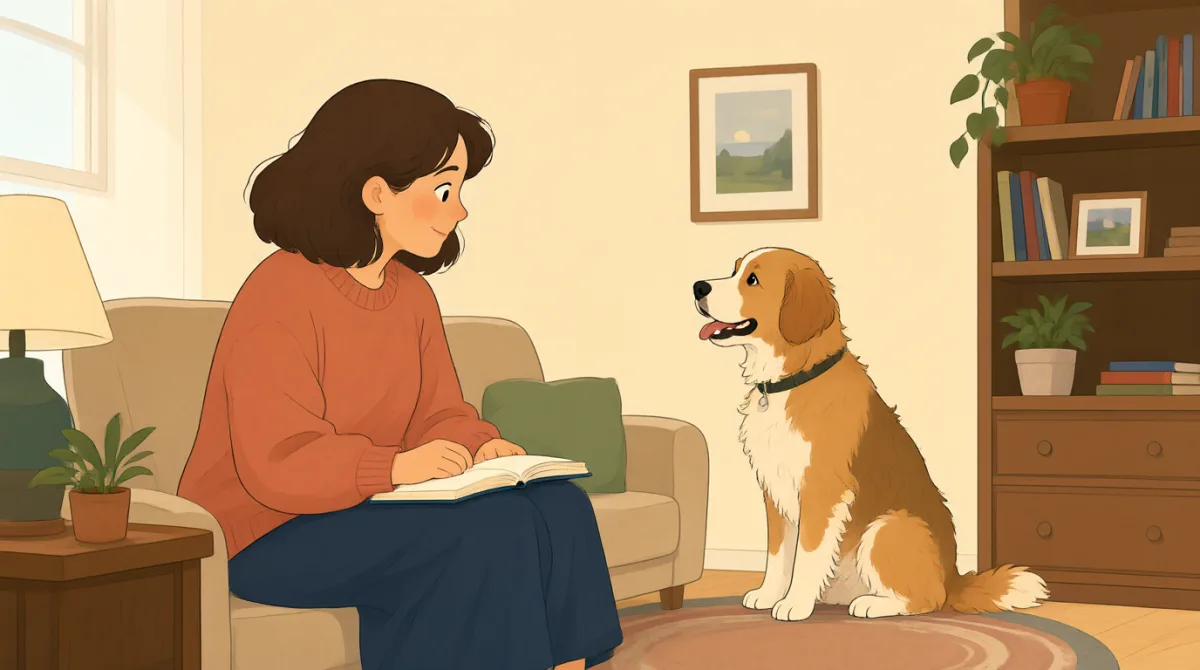

Well, it was great meeting you, Emma, and getting to meet this little one. He's such a sweet dog!
เอาละครับ ยินดีมากที่ได้รู้จักคุณเอมมา และได้เจ้า小น้อยตัวนี้ด้วย น้องหมาน่ารักมากเลยครับ!

It was great meeting you too, Jack! Thanks so much for saying hi to him. He loves the attention.
ฉันก็ดีใจที่ได้รู้จักคุณเหมือนกันค่ะ แจ็ค! ขอบคุณมากนะคะที่เข้ามาทักเขา เขาชอบให้คนสนใจค่ะ
You can definitely tell! Okay, I should probably get going now. Have a lovely rest of your day!
ดูออกเลยครับ! เอาละ ผมคงต้องไปแล้ว ขอให้ช่วงเวลาที่เหลือของวันนี้เป็นวันที่ดีนะครับ!
You too! Take care.
คุณก็เช่นกันค่ะ ดูแลตัวเองนะคะ
Bye, buddy! Enjoy your walk. You're a good boy!
บ๊ายบายนะเพื่อน! ขอให้เดินเล่นสนุกนะ เป็นเด็กดีนะ!
He says goodbye too! See you around!
เขาก็บอกลาเหมือนกันค่ะ! แล้วเจอกันใหม่นะคะ!
คำศัพท์8
- sweetน่ารัก
Sweet means kind, gentle, or cute, often used to describe people or animals in a positive way. For example, you can say a dog is sweet to show you like it.
คำว่า "sweet" หมายถึงใจดี อ่อนโยน หรือน่ารัก มักใช้พูดถึงคนหรือสัตว์ในแง่ดี เช่น คุณพูดได้ว่าสุนัขตัวหนึ่งน่ารัก เพื่อบอกว่าคุณชอบมัน
- attentionความสนใจ
Attention means the notice or focus you give to someone or something. Pets like attention from people, meaning they enjoy being petted or talked to.
"Attention" หมายถึงการใส่ใจหรือให้ความสนใจกับใครหรือสิ่งใด สัตว์เลี้ยงชอบได้รับความสนใจจากคน หมายถึงพวกมันชอบให้ลูบหรือพูดคุยด้วย
- definitelyอย่างแน่นอน
Definitely means for sure or without doubt. Use it to strongly agree with something, like 'You can definitely tell he's happy!'
"Definitely" หมายถึงอย่างแน่นอนหรือไม่มีข้อสงสัย ใช้เพื่อแสดงความเห็นด้วยอย่างหนักแน่น เช่น 'You can definitely tell he's happy!' (ดูออกเลยว่าเขามีความสุข!)
- get goingไปต่อ / ออกเดินทาง
Get going is an informal phrase meaning to leave or start your journey. It's a polite way to say goodbye when you're in a hurry.
"Get going" เป็นสำนวนไม่เป็นทางการ หมายถึงออกไปหรือเริ่มเดินทาง เป็นวิธีพูดลาอย่างสุภาพเมื่อคุณรีบไป
- lovelyดีงาม
Lovely means pleasant or nice. You can use it to wish someone a good day, like 'Have a lovely day!' to be friendly.
"Lovely" หมายถึงน่ารื่นรมย์หรือดี คุณใช้คำนี้อวยพรให้ใครสักคนมีวันที่ดีได้ เช่น 'Have a lovely day!' (ขอให้เป็นวันที่ดีนะ!) เพื่อแสดงความเป็นมิตร
- take careดูแลตัวเองนะ
Take care is a common goodbye phrase meaning stay safe or be well. It's polite and used when ending a conversation with someone you like.
"Take care" เป็นคำกล่าวลาที่ใช้กันทั่วไป หมายถึงขอให้ปลอดภัยหรือสบายดี เป็นคำสุภาพที่ใช้เมื่อจบบทสนทนากับคนที่คุณรู้สึกดีด้วย
- buddyเพื่อน
Buddy is a friendly, informal word for a friend or pet, like calling a dog 'buddy' to show affection.
"Buddy" เป็นคำเรียกเพื่อนหรือสัตว์เลี้ยงแบบเป็นกันเองและไม่เป็นทางการ เช่น เรียกสุนัขว่า 'buddy' เพื่อแสดงความเอ็นดู
- see you aroundแล้วเจอกันใหม่นะ
See you around is an informal goodbye meaning you might meet again sometime. It's casual and used with people you know a little.
"See you around" เป็นคำกล่าวลาแบบไม่เป็นทางการ หมายถึงอาจได้เจอกันอีกในสักวัน ใช้พูดคุยสบาย ๆ กับคนที่พอรู้จักกัน
ประโยคสำคัญ8
- 1
It was great meeting you, and getting to meet this little one.
ยินดีมากที่ได้รู้จักคุณ และได้เจ้า小น้อยตัวนี้ด้วย
This sentence politely ends the conversation by expressing enjoyment in meeting someone and their pet. 'It was great meeting you' is a common pattern for saying goodbye after a positive interaction; use it to show appreciation.
ประโยคนี้ช่วยจบบทสนทนาอย่างสุภาพ โดยบอกว่าดีใจที่ได้รู้จักอีกฝ่ายและสัตว์เลี้ยงของเขา 'It was great meeting you' เป็นรูปประโยคที่ใช้กล่าวลาได้ทั่วไปหลังจากได้พบปะกันอย่างน่าประทับใจ ใช้เพื่อแสดงความขอบคุณและความยินดี
- 2
Thanks so much for saying hi to him. He loves the attention.
ขอบคุณมากนะคะที่เข้ามาทักเขา เขาชอบให้คนสนใจค่ะ
This thanks the person for interacting with the pet and explains the pet's positive reaction. 'Thanks so much' adds emphasis to gratitude; it's useful for polite responses in social situations with animals.
ประโยคนี้ขอบคุณอีกฝ่ายที่เข้ามาทักทายสัตว์เลี้ยง และบอกว่าสัตว์เลี้ยงรู้สึกดีอย่างไร 'Thanks so much' ช่วยเน้นความรู้สึกขอบคุณ ใช้ตอบอย่างสุภาพในสถานการณ์ที่ได้พบปะผู้คนและสัตว์
- 3
You can definitely tell!
ดูออกเลยค่ะ!
This agrees strongly with the previous statement, meaning 'It's obvious!' Use 'definitely' to emphasize agreement; it's a short, natural way to respond in casual conversations.
ประโยคนี้แสดงความเห็นด้วยอย่างหนักแน่น หมายถึง 'เห็นได้ชัดเลย!' ใช้ 'definitely' เพื่อเน้นว่าคุณเห็นด้วย เป็นคำตอบสั้น ๆ ที่ฟังเป็นธรรมชาติในการสนทนาทั่วไป
- 4
I should probably get going now.
ฉันคงต้องไปแล้วค่ะ
This politely signals it's time to leave. 'Should probably' softens the statement to be less direct; it's a common phrase for ending talks without being rude.
ประโยคนี้บอกอย่างสุภาพว่าถึงเวลาต้องไปแล้ว 'Should probably' ช่วยให้ประโยคฟังนุ่มนวลและไม่ตรงเกินไป เป็นวลีที่ใช้กันทั่วไปเพื่อจบบทสนทนาโดยไม่เสียมารยาท
- 5
Have a lovely rest of your day!
ขอให้ช่วงเวลาที่เหลือของวันนี้เป็นวันที่ดีนะคะ!
This is a warm goodbye wish for the remaining part of the day. 'Have a + adjective + noun' is a pattern for positive farewells; use it to be friendly and positive.
ประโยคนี้เป็นคำอวยพรอบอุ่นสำหรับช่วงเวลาที่เหลือของวัน 'Have a + adjective + noun' เป็นรูปแบบประโยคที่ใช้กล่าวลาในแง่ดี ลองใช้เพื่อแสดงความเป็นมิตรและความรู้สึกดี ๆ
- 6
You too! Take care.
คุณก็เช่นกันค่ะ! ดูแลตัวเองนะคะ
This mirrors the previous wish and adds a caring goodbye. 'You too' is a quick way to return a compliment or wish; 'take care' means stay safe, common in English farewells.
ประโยคนี้ตอบรับคำอวยพรก่อนหน้าและเสริมคำกล่าวลาด้วยความห่วงใย 'You too' เป็นวิธีสั้น ๆ ในการตอบกลับคำชม หรือคำอวยพร ส่วน 'take care' หมายถึงขอให้ปลอดภัย เป็นคำที่ใช้กันทั่วไปเวลาจากลา
- 7
Bye, buddy! You're a good boy!
บ๊ายบายนะเพื่อน! เป็นเด็กดีนะ!
This directly says goodbye to the pet with affection. 'You're a good boy' is a common praise for male dogs; use such phrases to talk to pets like friends, making interactions fun.
ประโยคนี้เป็นการบอกลาสัตว์เลี้ยงด้วยความเอ็นดูโดยตรง “You're a good boy” เป็นคำชมที่มักใช้กับสุนัขตัวผู้ ลองพูดกับสัตว์เลี้ยงเหมือนคุยกับเพื่อน จะช่วยให้การทักทายเป็นเรื่องสนุกขึ้น
- 8
He says goodbye too! See you around!
เขาก็บอกลาเหมือนกันค่ะ! แล้วเจอกันใหม่นะคะ!
This humorously includes the pet in the goodbye and ends casually. 'See you around' implies future meetings; it's informal and lighthearted for ending chats with acquaintances.
ประโยคนี้พูดติดตลกว่าเจ้าของสัตว์เลี้ยงก็ร่วมบอกลาด้วย แล้วจบบทสนทนาอย่างเป็นกันเอง 'See you around' สื่อว่าอาจได้พบกันอีกในอนาคต เป็นคำพูดไม่เป็นทางการและฟังสบาย ๆ เหมาะกับการจบบทสนทนากับคนรู้จัก