Saying Goodbye to the Pet and Owner
توديع الحيوان الأليف وصاحبه
You politely conclude the interaction, thank the owner, and say goodbye to the pet.
تُنهي الحديث بأدب، وتشكر صاحب الحيوان، ثم تودّع الحيوان الأليف.
حوار6
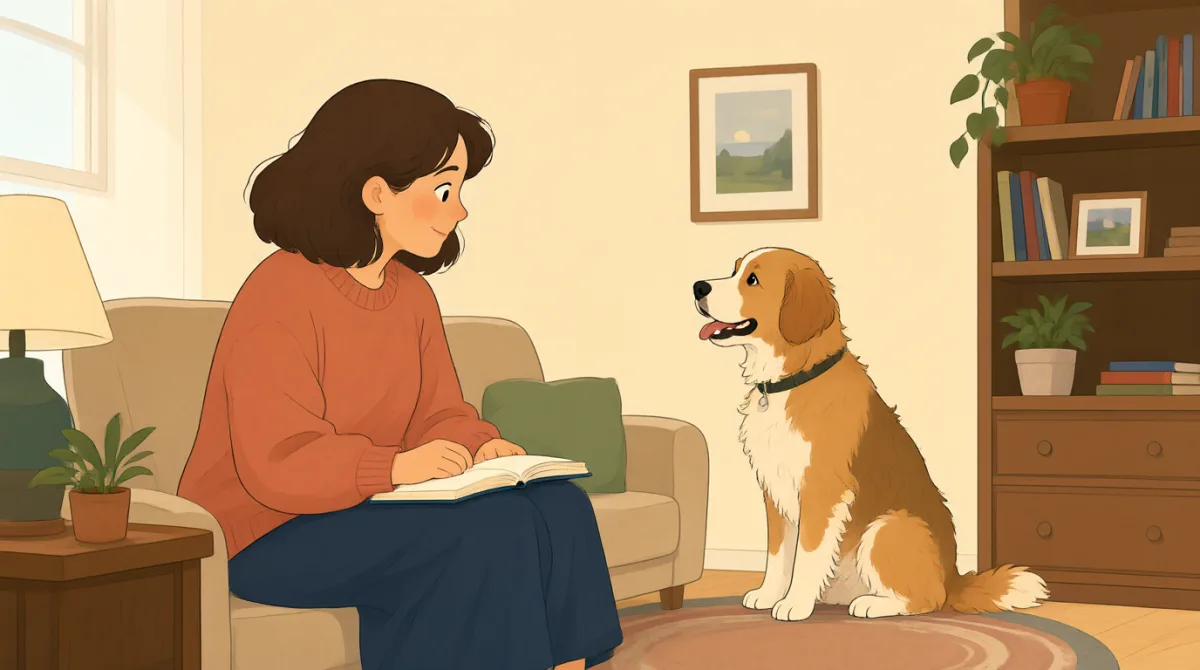

Well, it was great meeting you, Emma, and getting to meet this little one. He's such a sweet dog!
حسنًا، سعدت بلقائك يا إيما، وبالتعرّف إلى هذا الصغير أيضًا. إنه كلب لطيف جدًا!

It was great meeting you too, Jack! Thanks so much for saying hi to him. He loves the attention.
وأنا أيضًا سعدت بلقائك يا جاك! شكرًا جزيلًا لأنك ألقيت عليه التحية. إنه يحب الاهتمام.
You can definitely tell! Okay, I should probably get going now. Have a lovely rest of your day!
هذا واضح جدًا! حسنًا، أظن أن عليّ الانطلاق الآن. أتمنى لك بقية يوم جميلة!
You too! Take care.
وأنت أيضًا! اعتنِ بنفسك.
Bye, buddy! Enjoy your walk. You're a good boy!
وداعًا يا صديقي! استمتع بنزهتك. أنت كلب مطيع!
He says goodbye too! See you around!
إنه يودّعك أيضًا! إلى أن نلتقي مجددًا!
المفردات8
- sweetلطيف
Sweet means kind, gentle, or cute, often used to describe people or animals in a positive way. For example, you can say a dog is sweet to show you like it.
تعني كلمة "sweet" لطيفًا أو هادئًا أو ظريفًا، وتُستخدم غالبًا لوصف الأشخاص أو الحيوانات بطريقة إيجابية. يمكنك مثلًا أن تقول إن الكلب لطيف لتُظهر إعجابك به.
- attentionاهتمام
Attention means the notice or focus you give to someone or something. Pets like attention from people, meaning they enjoy being petted or talked to.
تعني كلمة "attention" الاهتمام الذي تمنحه لشخص أو شيء ما. تحب الحيوانات الأليفة اهتمام الناس بها، أي إنها تستمتع بمداعبتها أو التحدث إليها.
- definitelyبالتأكيد
Definitely means for sure or without doubt. Use it to strongly agree with something, like 'You can definitely tell he's happy!'
تعني كلمة "definitely" بالتأكيد أو بلا شك. استخدمها لتوافق بقوة على شيء ما، مثل 'You can definitely tell he's happy!' (من الواضح بالتأكيد أنه سعيد!).
- get goingينطلق
Get going is an informal phrase meaning to leave or start your journey. It's a polite way to say goodbye when you're in a hurry.
عبارة "get going" تعني بصورة غير رسمية أن يغادر الشخص أو يبدأ رحلته. وهي طريقة مهذبة لقول الوداع عندما تكون على عجلة.
- lovelyجميل
Lovely means pleasant or nice. You can use it to wish someone a good day, like 'Have a lovely day!' to be friendly.
تعني كلمة "lovely" جميلًا أو ممتعًا. يمكنك استخدامها لتتمنى لشخص يومًا طيبًا، مثل 'Have a lovely day!' (أتمنى لك يومًا جميلًا!)، بأسلوب ودود.
- take careاعتنِ بنفسك
Take care is a common goodbye phrase meaning stay safe or be well. It's polite and used when ending a conversation with someone you like.
عبارة "take care" من عبارات الوداع الشائعة، وتعني أن يبقى الشخص سالمًا وبخير. وهي مهذبة وتُقال عند إنهاء الحديث مع شخص تحبه أو تقدّره.
- buddyصديقي
Buddy is a friendly, informal word for a friend or pet, like calling a dog 'buddy' to show affection.
كلمة "buddy" غير رسمية وودودة، وتُقال عن صديق أو حيوان أليف. يمكنك مناداة كلب بها للتعبير عن مودتك.
- see you aroundإلى أن نلتقي مجددًا
See you around is an informal goodbye meaning you might meet again sometime. It's casual and used with people you know a little.
عبارة "see you around" وداع غير رسمي، وتعني أنكما قد تلتقيان مرة أخرى في وقت ما. تُستخدم في المواقف الودية مع أشخاص تعرفهم إلى حد ما.
الجمل الأساسية8
- 1
It was great meeting you, and getting to meet this little one.
سعدت بلقائك وبالتعرّف إلى هذا الصغير أيضًا.
This sentence politely ends the conversation by expressing enjoyment in meeting someone and their pet. 'It was great meeting you' is a common pattern for saying goodbye after a positive interaction; use it to show appreciation.
تُنهي هذه الجملة الحديث بأدب، إذ تعبّر عن سرورك بلقاء الشخص وحيوانه الأليف. عبارة 'It was great meeting you' شائعة عند توديع شخص بعد لقاء سار؛ استخدمها للتعبير عن تقديرك.
- 2
Thanks so much for saying hi to him. He loves the attention.
شكرًا جزيلًا لأنك ألقيت عليه التحية. إنه يحب الاهتمام.
This thanks the person for interacting with the pet and explains the pet's positive reaction. 'Thanks so much' adds emphasis to gratitude; it's useful for polite responses in social situations with animals.
يشكر هذا الكلام الشخص على تفاعله مع الحيوان الأليف، ويذكر رد فعله الإيجابي. تضيف عبارة 'Thanks so much' تأكيدًا إلى الشكر، وهي مفيدة للرد بأدب في المواقف الاجتماعية التي تتضمن حيوانات.
- 3
You can definitely tell!
هذا واضح جدًا!
This agrees strongly with the previous statement, meaning 'It's obvious!' Use 'definitely' to emphasize agreement; it's a short, natural way to respond in casual conversations.
تعبّر هذه العبارة عن موافقة قوية على الكلام السابق، ومعناها «هذا واضح!». استخدم 'definitely' لتأكيد موافقتك؛ فهي طريقة قصيرة وطبيعية للرد في الأحاديث غير الرسمية.
- 4
I should probably get going now.
أظن أن عليّ الانطلاق الآن.
This politely signals it's time to leave. 'Should probably' softens the statement to be less direct; it's a common phrase for ending talks without being rude.
تشير هذه الجملة بأدب إلى أن وقت المغادرة قد حان. تخفف عبارة 'Should probably' من حدة الكلام وتجعله أقل مباشرة؛ وهي عبارة شائعة لإنهاء الحديث دون أن تبدو فظًا.
- 5
Have a lovely rest of your day!
أتمنى لك بقية يوم جميلة!
This is a warm goodbye wish for the remaining part of the day. 'Have a + adjective + noun' is a pattern for positive farewells; use it to be friendly and positive.
هذه أمنية وداع دافئة لبقية اليوم. والتركيب 'Have a + adjective + noun' نمط يُستخدم لتوديع الآخرين بأمنية طيبة؛ استخدمه لتكون ودودًا وإيجابيًا.
- 6
You too! Take care.
وأنت أيضًا! اعتنِ بنفسك.
This mirrors the previous wish and adds a caring goodbye. 'You too' is a quick way to return a compliment or wish; 'take care' means stay safe, common in English farewells.
ترد هذه العبارة الأمنية السابقة وتضيف وداعًا ينمّ عن الاهتمام. عبارة 'You too' طريقة سريعة لرد مجاملة أو أمنية، أما 'take care' فتعني أن يبقى الشخص سالمًا، وهي شائعة في عبارات الوداع بالإنجليزية.
- 7
Bye, buddy! You're a good boy!
وداعًا يا صديقي! أنت كلب مطيع!
This directly says goodbye to the pet with affection. 'You're a good boy' is a common praise for male dogs; use such phrases to talk to pets like friends, making interactions fun.
تودّع هذه العبارة الحيوان الأليف مباشرةً وبمحبة. عبارة 'You're a good boy' شائعة لمدح الكلاب الذكور؛ استخدم عبارات مثلها لمخاطبة الحيوانات الأليفة كما لو كانت أصدقاء، واجعل التفاعل معها ممتعًا.
- 8
He says goodbye too! See you around!
إنه يودّعك أيضًا! إلى أن نلتقي مجددًا!
This humorously includes the pet in the goodbye and ends casually. 'See you around' implies future meetings; it's informal and lighthearted for ending chats with acquaintances.
تُشرك هذه العبارة الحيوان الأليف في الوداع بأسلوب فكاهي، وتنهي الحديث بطريقة ودّية. وتشير 'See you around' إلى احتمال اللقاء مجددًا؛ وهي عبارة غير رسمية وخفيفة الظل لإنهاء الأحاديث مع المعارف.