Addressing Potential Challenges and Risks
The group discusses foreseeable obstacles, market risks, legal considerations, and how to mitigate them to ensure the business's sustainability.
Dialogue9


Alright team, we've got some solid ideas brewing, but let's shift gears and talk about potential roadblocks. What are the biggest challenges you foresee for this mobile pet grooming concept?

From a marketing perspective, competition is always a big one. There are established brick-and-mortar groomers, and even some mobile ones already. How do we differentiate ourselves effectively in a crowded market?

Good point, Mia. On the financial side, initial setup costs for the vehicle and specialized equipment could be substantial. We need a robust contingency plan if initial revenue projections aren't met. That's a significant risk.
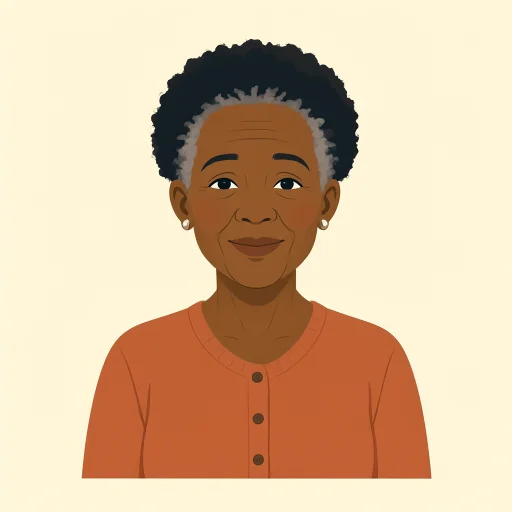
And from a legal standpoint, we'll need to research local regulations regarding mobile businesses, animal care licenses, and insurance. The legal hurdles can be quite specific depending on the jurisdiction.
All valid points. So, to address competition, perhaps we focus on a niche, like senior pets or specific breeds? Or offer premium services that others don't?
Exactly, a strong unique selling proposition is key. For the financial risks, maybe we explore leasing options for the vehicle instead of outright purchase, to keep initial capital expenditure lower?
Leasing is definitely an option worth exploring. It could free up capital for other areas, like marketing. And for the legal side, Grace, can you start compiling a list of necessary permits and licenses for our target areas?
Absolutely, I'll start on that right away. It's crucial we get that sorted early to avoid any compliance issues down the line.
Excellent. By tackling these potential challenges head-on, we're building a more resilient business plan. Let's schedule a follow-up to discuss our mitigation strategies in detail.
Vocabulary8
- roadblocks
Obstacles or problems that stop progress, like challenges in a project. Use it in business talks to discuss barriers.
- shift gears
To change the topic or approach suddenly, like switching from one subject to another in a meeting.
- foresee
To predict or expect something in the future, often challenges. Useful for planning ahead in discussions.
- differentiate
To make something different or stand out from others. In marketing, it means showing why your product is unique.
- niche
A small, specialized market segment. For example, focusing on senior pets in a pet business to target a specific group.
- contingency plan
A backup plan for unexpected problems. Important in business to handle risks like low revenue.
- resilient
Able to recover quickly from difficulties. Describes a strong business plan that can handle challenges.
- mitigation
Actions to reduce or prevent risks. Used in planning to discuss ways to lessen potential problems.
Key Sentences8
- 1
Let's shift gears and talk about potential roadblocks.
This is a polite way to change the topic in a meeting. 'Shift gears' is an idiom from driving, meaning to switch focus. Useful for guiding discussions smoothly; use it when moving from ideas to problems.
- 2
What are the biggest challenges you foresee for this mobile pet grooming concept?
Asks for predictions of problems. 'Foresee' means expect in advance. This sentence uses a question to invite opinions; great for team brainstorming on risks.
- 3
How do we differentiate ourselves effectively in a crowded market?
Inquires about standing out in competition. 'Differentiate' means to make unique; 'crowded market' refers to many competitors. Useful in marketing talks to discuss strategies.
- 4
We need a robust contingency plan if initial revenue projections aren't met.
States the need for a backup plan. 'Robust' means strong; conditional 'if' clause shows hypothetical risks. Practical for financial discussions to emphasize preparation.
- 5
To address competition, perhaps we focus on a niche, like senior pets or specific breeds?
Suggests solutions using 'perhaps' for tentative ideas. 'Address' means deal with; question form invites agreement. Helpful for proposing targeted business strategies.
- 6
A strong unique selling proposition is key.
Highlights importance of a unique feature. 'Unique selling proposition' (USP) is a business term for what makes a product special. Short and direct; use to stress marketing essentials.
- 7
By tackling these potential challenges head-on, we're building a more resilient business plan.
Explains benefits of direct action. 'Tackling head-on' is an idiom for facing directly; present continuous 'we're building' shows ongoing process. Useful for concluding discussions positively.
- 8
Let's schedule a follow-up to discuss our mitigation strategies in detail.
Proposes next steps. 'Schedule a follow-up' means plan another meeting; imperative 'let's' includes the team. Common in professional settings to keep projects moving.