Finding a Coding Error
청구 코드 오류 찾기
After comparing the insurer’s explanation of benefits with the hospital bill, Emma and Jack spot a possible coding error and work out what evidence to send for a review.
보험사의 보험금 지급 내역서와 병원 청구서를 비교한 뒤, 에마와 잭은 코드 오류일 가능성을 발견하고 검토를 위해 어떤 증빙 자료를 보내야 할지 정리합니다.
대화11
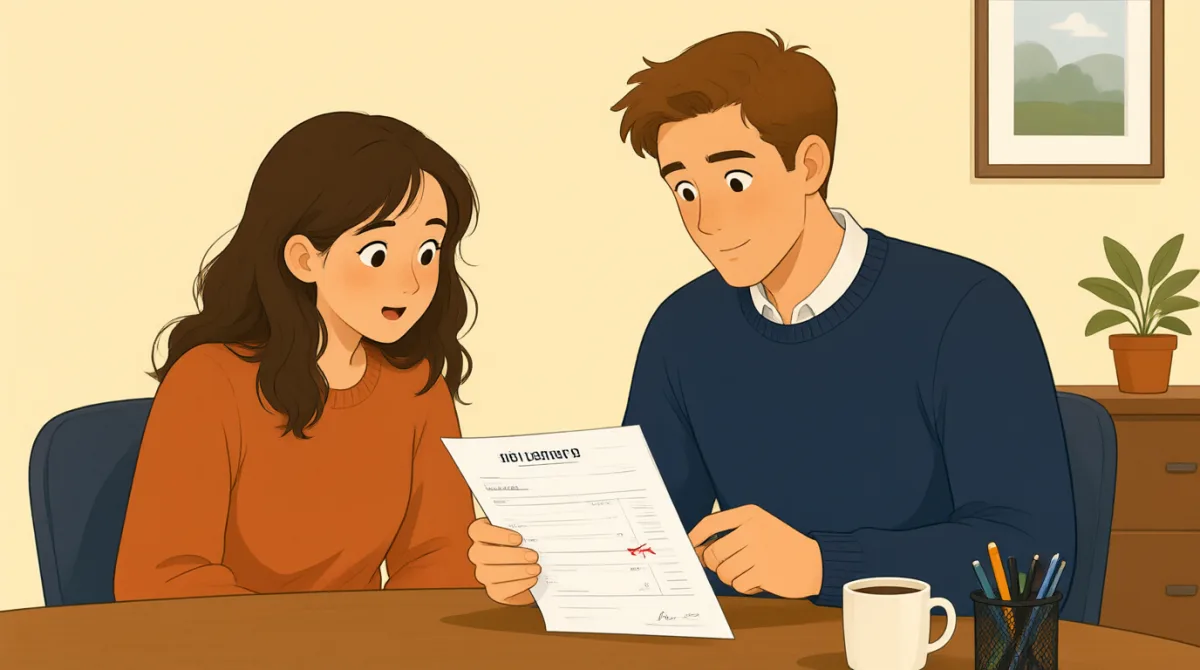

I’ve got the hospital bill and the insurer’s explanation of benefits side by side. The hospital lists a diagnostic test, but the claim says that service was already included.
병원 청구서랑 보험사의 보험금 지급 내역서를 나란히 놓고 봤어. 병원 청구서에는 진단 검사가 적혀 있는데, 보험금 청구 내역에는 그 서비스 비용이 이미 포함돼 있다고 나와 있어.

That does sound like a possible duplicate charge. Before we jump to conclusions, let’s compare the service dates, amounts, and billing codes on both documents.
중복 청구일 가능성이 있어 보이네. 섣불리 결론 내리기 전에 두 서류의 진료 날짜와 금액, 청구 코드를 비교해 보자.
The date and amount match, but the codes don’t. The hospital bill shows 74120, while the insurer’s document lists 74110 for what appears to be the same test.
날짜랑 금액은 같은데 코드가 달라. 병원 청구서에는 74120이라고 되어 있고, 보험사 서류에는 같은 검사로 보이는 항목에 74110이라고 적혀 있어.
That difference could explain why the insurer processed the charge separately. We should ask them to confirm what code they received and whether it matches the medical record.
그 차이 때문에 보험사에서 해당 비용을 별도로 처리했을 수도 있겠네. 보험사에 어떤 코드를 받았는지, 그 코드가 진료 기록과 일치하는지 확인해 달라고 해야겠어.
I’ll call the insurer first and request a written claim review. If they confirm the code was submitted incorrectly, I’ll ask for the review reference number and a copy of their findings.
우선 보험사에 전화해서 서면으로 청구 건을 검토해 달라고 요청할게. 코드를 잘못 제출한 게 맞다고 확인되면 검토 참조 번호랑 검토 결과 사본도 요청할 거야.
Good plan. Then we can send the hospital the relevant page from the explanation of benefits, the itemized bill, and a short note pointing out the discrepancy.
좋은 계획이야. 그러고 나서 보험금 지급 내역서에서 해당 페이지와 항목별 청구서, 그리고 차이가 나는 부분을 짚은 짧은 메모를 병원에 보내면 되겠네.
Should I include the full medical record? I’d rather not send more personal information than they need, especially if the billing office can verify the code themselves.
진료 기록 전체를 보내야 할까? 필요한 것보다 개인정보를 더 많이 보내고 싶진 않아. 특히 병원 청구 담당 부서에서 직접 코드를 확인할 수 있다면 말이야.
Probably not at this stage. Ask the insurer what evidence they need; if they request documentation, send only the relevant page, with anything unrelated covered up.
지금 단계에서는 아마 그럴 필요 없을 거야. 보험사에 어떤 증빙이 필요한지 물어봐. 서류를 요청하면 관련된 페이지만 보내고, 관계없는 내용은 가려서 보내.
And I should ask the hospital to pause the disputed balance while they look into it, right? I don’t want to miss a deadline, but I also don’t want to pay the wrong amount.
그리고 병원에서 확인하는 동안 문제가 된 잔액의 청구를 보류해 달라고 해야겠지? 기한을 놓치고 싶진 않지만, 잘못된 금액을 내고 싶지도 않아.
Exactly. Get confirmation in writing that the balance is on hold, and keep copies of every document and note the date, department, and reference number for each call.
맞아. 잔액 청구를 보류했다는 확인을 서면으로 받아 두고, 모든 서류 사본을 보관해. 전화할 때마다 날짜와 담당 부서, 참조 번호도 적어 둬.
All right. I’ll gather the documents, contact the insurer, and then send the hospital whatever evidence they require. At least now we have a clear next step.
알겠어. 서류를 모으고 보험사에 연락한 다음, 병원에서 요구하는 증빙을 보내면 되겠네. 이제 다음에 뭘 해야 할지 확실해졌어.
어휘8
- side by side나란히
Placed next to each other so you can compare them. Here, Emma is comparing the hospital bill with the insurer’s document.
비교할 수 있도록 서로 옆에 놓아 둔다는 뜻이에요. 여기서는 에마가 병원 청구서와 보험사 서류를 비교하고 있어요.
- jump to conclusions섣불리 결론을 내리다
To decide something is true before you have enough information. You can use this phrase to suggest checking the facts first.
정보가 충분하지 않은데도 어떤 일이 사실이라고 판단하는 거예요. 먼저 사실을 확인하자고 제안할 때 쓸 수 있는 표현이에요.
- duplicate charge중복 청구
A charge for a service that may have been billed more than once or included in another charge. It is useful when questioning a bill.
서비스 비용이 두 번 청구됐거나 다른 비용에 이미 포함됐을 가능성이 있는 청구를 말해요. 청구서에 이의를 제기할 때 유용한 표현이에요.
- claim review보험금 청구 건 검토
A closer examination of an insurance claim to check whether it was processed correctly. You can request one when you disagree with a decision or notice a possible error.
보험금 청구가 올바르게 처리됐는지 확인하기 위해 자세히 살펴보는 거예요. 결정에 동의하지 않거나 오류가 의심될 때 검토를 요청할 수 있어요.
- discrepancy불일치
A difference between two pieces of information that should match. Here, it refers to the different billing codes on the documents.
서로 일치해야 하는 두 정보 사이의 차이를 말해요. 여기서는 서류에 적힌 청구 코드가 서로 다른 것을 뜻해요.
- at this stage이 단계에서는
At the current point in a process. Use it to explain that a step may not be necessary yet.
진행 중인 절차의 현재 시점을 뜻해요. 어떤 조치는 아직 필요하지 않을 수 있다고 설명할 때 써요.
- on hold보류 중인
Temporarily paused or put on hold. Here, Emma wants the hospital to pause collection of the disputed balance while it investigates.
일시적으로 중단되거나 보류된 상태를 말해요. 여기서 에마는 병원에서 확인하는 동안 문제가 된 잔액의 수납을 보류해 달라고 하려는 거예요.
- miss a deadline기한을 놓치다
To fail to do something by the required date. This phrase is useful when discussing time-sensitive paperwork or payments.
정해진 날짜까지 해야 할 일을 하지 못한다는 뜻이에요. 기한이 중요한 서류나 결제에 관해 이야기할 때 유용한 표현이에요.
핵심 문장8
- 1
Before we jump to conclusions, let’s compare the service dates, amounts, and billing codes on both documents.
섣불리 결론 내리기 전에 두 서류의 진료 날짜와 금액, 청구 코드를 비교해 보자.
This is a tactful way to recommend checking evidence before deciding what happened. Reuse “Before we jump to conclusions, let’s compare…” when resolving a disagreement or investigating a possible mistake.
이 문장은 무슨 일이 있었는지 판단하기 전에 증거를 확인하자고 정중하게 제안하는 표현이에요. 의견 차이를 조정하거나 오류 가능성을 조사할 때 “Before we jump to conclusions, let’s compare…”를 활용해 보세요.
- 2
That difference could explain why the insurer processed the charge separately.
그 차이 때문에 보험사에서 해당 비용을 별도로 처리했을 수도 있겠네.
The word “could” helps you offer a possible explanation without claiming certainty. Reuse “That difference could explain why…” to suggest a reason while leaving room for other possibilities.
“could”는 확실하다고 단정하지 않고 가능한 설명을 제시할 때 쓰여요. 다른 가능성도 열어 둔 채 이유를 제안하려면 “That difference could explain why…”를 활용해 보세요.
- 3
I’ll call the insurer first and request a written claim review.
우선 보험사에 전화해서 서면으로 청구 건을 검토해 달라고 요청할게.
This clearly states a next step and asks for a formal review. You can adapt it by replacing “the insurer” and “claim review” with the organization and process you need.
이 문장은 다음에 할 일을 분명히 밝히고 공식적인 검토를 요청해요. 필요한 기관과 절차에 맞게 “the insurer”와 “claim review”를 바꿔 쓸 수 있어요.
- 4
If they confirm the code was submitted incorrectly, I’ll ask for the review reference number and a copy of their findings.
코드를 잘못 제출한 게 맞다고 확인되면 검토 참조 번호랑 검토 결과 사본도 요청할 거야.
This sentence uses a conditional to explain what you will do if a specific outcome is confirmed. Reuse “If they confirm…, I’ll ask for…” when planning a follow-up.
이 문장은 특정 결과가 확인될 경우 무엇을 할지 조건문으로 설명해요. 후속 조치를 계획할 때 “If they confirm…, I’ll ask for…”를 활용해 보세요.
- 5
I’d rather not send more personal information than they need, especially if the billing office can verify the code themselves.
필요한 것보다 개인정보를 더 많이 보내고 싶진 않아. 특히 병원 청구 담당 부서에서 직접 코드를 확인할 수 있다면 말이야.
This politely sets a boundary and gives a reason for sharing less information. Reuse “I’d rather not… especially if…” to express a careful preference in a professional conversation.
이 표현은 정보를 적게 공유하고 싶다는 뜻을 정중하게 밝히면서 그 이유도 설명해요. 업무상 대화에서 신중한 선호를 나타낼 때 “I’d rather not… especially if…”를 활용해 보세요.
- 6
Ask the insurer what evidence they need; if they request documentation, send only the relevant page, with anything unrelated covered up.
보험사에 어떤 증빙이 필요한지 물어봐. 서류를 요청하면 관련된 페이지만 보내고, 관계없는 내용은 가려서 보내.
This gives practical advice about providing only necessary evidence and protecting private information. Reuse “send only the relevant…” when sharing documents securely.
이 문장은 필요한 증빙만 제출하고 개인정보를 보호하는 실용적인 방법을 알려 줘요. 서류를 안전하게 공유할 때 “send only the relevant…”를 활용해 보세요.
- 7
Get confirmation in writing that the balance is on hold, and keep copies of every document and note the date, department, and reference number for each call.
잔액 청구를 보류했다는 확인을 서면으로 받아 두고, 모든 서류 사본을 보관해. 전화할 때마다 날짜와 담당 부서, 참조 번호도 적어 둬.
This sentence explains how to create a clear record of a billing issue. Reuse the structure when you need written confirmation and details to support future follow-up.
이 문장은 청구 문제에 관한 기록을 명확하게 남기는 방법을 알려 줘요. 서면 확인을 받고 나중에 후속 조치에 필요한 정보를 기록해야 할 때 이 구조를 활용해 보세요.
- 8
At least now we have a clear next step.
그래도 이제 다음에 뭘 해야 할지 확실해졌어.
This reassuring sentence acknowledges progress even when the problem is not fully resolved. Use it to end a discussion positively after agreeing on what to do next.
문제가 완전히 해결되지 않았더라도 진전이 있었다는 점을 짚어 주는 안심시키는 표현이에요. 다음에 할 일에 합의한 뒤 대화를 긍정적으로 마무리할 때 써 보세요.