Processing Past Experiences and Trauma
अतीत के अनुभवों और आघात से उबरना
The session focuses on how past events, childhood experiences, or traumatic incidents may be influencing the client's current behaviors and emotional patterns.
इस सत्र में यह समझने पर ध्यान दिया जाता है कि अतीत की घटनाएँ, बचपन के अनुभव या दर्दनाक घटनाएँ क्लाइंट के मौजूदा व्यवहार और भावनात्मक तौर-तरीकों को कैसे प्रभावित कर सकती हैं।
संवाद8
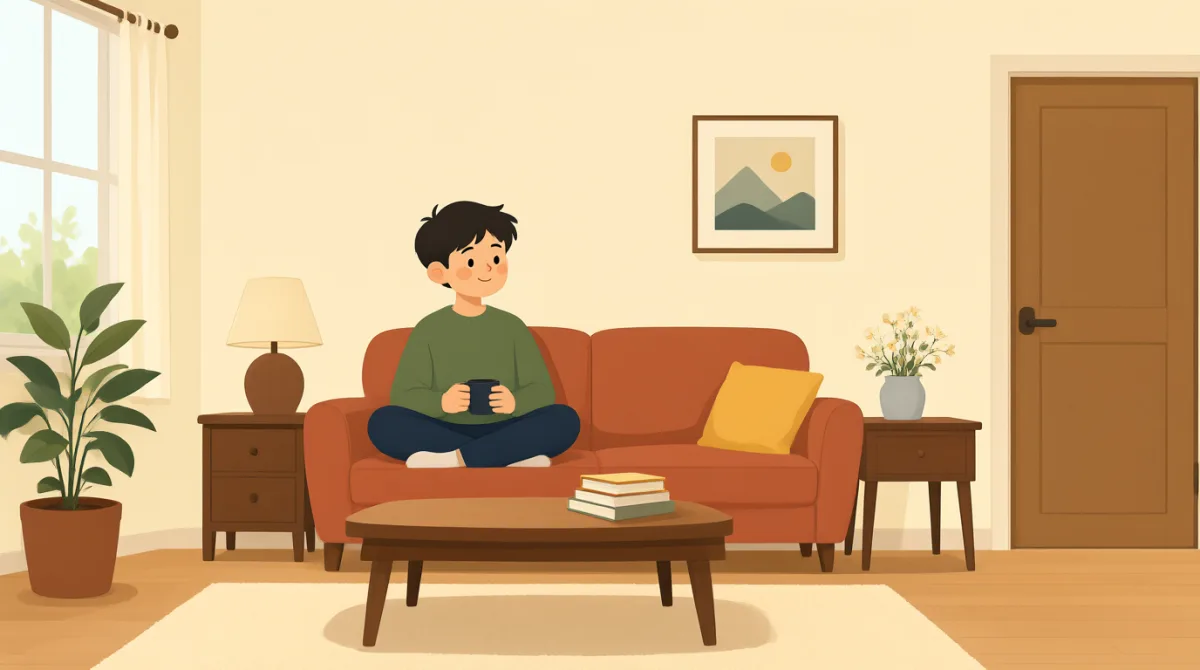

Good morning, Mia. Thanks for coming in. We left off last time discussing some of the anxieties you've been feeling, and I wondered if you've had any thoughts about how some of your past experiences might be contributing to them?
सुप्रभात, Mia। आने के लिए धन्यवाद। पिछली बार हमने आपकी कुछ चिंताओं के बारे में बात की थी। मैं जानना चाहता था कि क्या आपने इस बारे में सोचा है कि आपके अतीत के कुछ अनुभव उन चिंताओं की वजह बन रहे हों?

Good morning. Actually, I have. I've been thinking a lot about my childhood, particularly a time when my parents went through a really difficult period. I felt… very alone, like I had to be strong for everyone.
सुप्रभात। सच कहूँ तो, हाँ। मैं अपने बचपन के बारे में बहुत सोच रही हूँ, खासकर उस समय के बारे में जब मेरे माता-पिता बहुत मुश्किल दौर से गुज़र रहे थे। मुझे… बहुत अकेलापन महसूस होता था, जैसे सबके लिए मज़बूत बने रहना मेरी ज़िम्मेदारी हो।
That sounds incredibly challenging for a child to experience. Can you tell me more about what 'being strong' meant to you then, and how that feeling manifests today?
एक बच्चे के लिए यह सब झेलना बेहद मुश्किल रहा होगा। क्या आप मुझे और बता सकती हैं कि उस समय आपके लिए 'मज़बूत बने रहने' का क्या मतलब था, और आज वह भावना किस तरह सामने आती है?
It meant keeping my emotions to myself, not bothering them with my own problems. Now, I find myself doing the same thing at work. I take on too much, I don't ask for help, and I feel overwhelmed but can't express it.
इसका मतलब था अपनी भावनाएँ अपने तक रखना और अपनी परेशानियों से उन्हें तंग न करना। अब मैं काम पर भी वही करती हूँ। मैं बहुत ज़्यादा ज़िम्मेदारियाँ ले लेती हूँ, मदद नहीं माँगती, और मुझ पर सब कुछ हावी हो जाता है, लेकिन मैं उसे ज़ाहिर नहीं कर पाती।
It seems like that coping mechanism, which served you in childhood, might now be creating a bottleneck for you professionally and emotionally. It's a classic example of how early experiences can shape our current patterns.
लगता है कि मुश्किलों से निपटने का वह तरीका, जो बचपन में आपके काम आया था, अब आपके कामकाजी जीवन और भावनाओं में रुकावट बन रहा है। यह इस बात का जाना-पहचाना उदाहरण है कि शुरुआती अनुभव हमारे मौजूदा तौर-तरीकों को कैसे आकार दे सकते हैं।
Bottleneck is a good word for it. It just feels so ingrained. I keep telling myself I should be able to handle everything.
रुकावट इसके लिए सही शब्द है। यह आदत जैसे बहुत गहराई तक बैठ गई है। मैं खुद से कहती रहती हूँ कि मुझे सब कुछ सँभालने में सक्षम होना चाहिए।
That's a very common belief, especially for those who've developed such strong self-reliance. Our goal here isn't to erase the past, but to understand its influence and then develop new, healthier ways of responding. Does that resonate with you?
यह एक बहुत आम धारणा है, खासकर उन लोगों में जिन्होंने अपने दम पर सब कुछ सँभालने की आदत बना ली है। हमारा मकसद अतीत को मिटाना नहीं, बल्कि यह समझना है कि उसका आप पर क्या असर हुआ है, और फिर प्रतिक्रिया देने के नए, ज़्यादा स्वस्थ तरीके विकसित करना है। क्या यह बात आपको सही लगती है?
Yes, it does. It makes a lot of sense. So, where do we go from here?
हाँ, बिल्कुल। यह बात बहुत समझ में आती है। तो अब आगे क्या करेंगे?
शब्दावली8
- anxietiesचिंताएँ
Feelings of worry or fear, often about the future. Use it to describe emotional stress, like 'I have many anxieties about my job.'
चिंता या डर की भावनाएँ, जो अक्सर भविष्य को लेकर होती हैं। इसका इस्तेमाल भावनात्मक तनाव बताने के लिए करें, जैसे: 'मुझे अपनी नौकरी को लेकर बहुत चिंताएँ हैं।'
- contributingयोगदान देना
Helping to cause or make something happen. In therapy, it means how past events add to current problems, like 'Stress is contributing to my headaches.'
किसी चीज़ को होने में मदद करना या उसे बढ़ावा देना। थेरेपी में इसका मतलब है कि अतीत की घटनाएँ मौजूदा समस्याओं को कैसे बढ़ाती हैं, जैसे: 'तनाव मेरे सिरदर्द को बढ़ा रहा है।'
- childhoodबचपन
The time of your life when you are a child. It's useful for talking about early experiences, as in 'My childhood was happy.'
ज़िंदगी का वह समय जब आप बच्चे होते हैं। शुरुआती अनुभवों के बारे में बात करते समय यह शब्द काम आता है, जैसे: 'मेरा बचपन खुशहाल था।'
- overwhelmedसब कुछ हावी हो जाना
Feeling unable to handle something because it's too much. Common in work or emotions, like 'I feel overwhelmed by tasks.'
जब कोई काम या स्थिति इतनी ज़्यादा हो कि लगे उसे सँभालना मुमकिन नहीं है। यह शब्द काम के बोझ या भावनाओं के बारे में आम तौर पर इस्तेमाल होता है, जैसे: 'कामों के बोझ से मैं परेशान हो गई हूँ।'
- coping mechanismमुश्किलों से निपटने का तरीका
A way people deal with stress or problems. In therapy, it refers to habits from the past, like 'Eating junk food is my coping mechanism.'
तनाव या समस्याओं से निपटने का कोई तरीका। थेरेपी में इससे अतीत में बनी आदतों का ज़िक्र होता है, जैसे: 'जंक फ़ूड खाना मुश्किलों से निपटने का मेरा तरीका है।'
- bottleneckरुकावट
A point where progress is blocked, like a narrow part of a bottle. Used for problems causing delays, as in 'This issue is a bottleneck in our project.'
ऐसी जगह या स्थिति जहाँ आगे बढ़ना रुक जाए—जैसे बोतल का सँकरा हिस्सा। देरी कराने वाली समस्या के लिए इसका इस्तेमाल होता है, जैसे: 'यह मुद्दा हमारी परियोजना में रुकावट बन रहा है।'
- ingrainedगहराई तक बैठा हुआ
Deeply fixed in your behavior or beliefs. It means something is hard to change, like 'His habits are ingrained from years of practice.'
व्यवहार या सोच में गहराई से जम जाना। इसका मतलब है कि किसी चीज़ को बदलना मुश्किल है, जैसे: 'सालों के अभ्यास से उसकी आदतें गहराई तक बैठ गई हैं।'
- resonateअपना-सा लगना
To feel familiar or meaningful, like it connects with your own ideas. In conversations, say 'That idea resonates with me' to show agreement.
किसी बात का जाना-पहचाना या अर्थपूर्ण लगना, जैसे वह आपके अपने विचारों से जुड़ती हो। बातचीत में सहमति जताने के लिए कहें: 'यह विचार मुझे अपना-सा लगता है।'
मुख्य वाक्य8
- 1
I wondered if you've had any thoughts about how some of your past experiences might be contributing to them?
मैं जानना चाहता था कि क्या आपने इस बारे में सोचा है कि आपके अतीत के कुछ अनुभव उन चिंताओं की वजह बन रहे हों?
This is a polite way to ask for someone's opinion in a therapy session. It uses 'wondered if' for indirect questions, which softens the tone. Useful for professional talks to encourage reflection without pressure.
थेरेपी सत्र में किसी की राय जानने का यह एक विनम्र तरीका है। इसमें अप्रत्यक्ष सवाल पूछने के लिए 'wondered if' का इस्तेमाल होता है, जिससे बात का लहजा नरम रहता है। बिना दबाव डाले किसी को सोचने के लिए प्रोत्साहित करने वाली पेशेवर बातचीत में यह उपयोगी है।
- 2
I felt… very alone, like I had to be strong for everyone.
मुझे… बहुत अकेलापन महसूस होता था, जैसे सबके लिए मज़बूत बने रहना मेरी ज़िम्मेदारी हो।
This describes past emotions using 'felt' for personal feelings and 'like' to explain a comparison. It's practical for sharing experiences in conversations or journaling about trauma.
यह वाक्य बीती भावनाओं को बताने के लिए 'felt' और तुलना समझाने के लिए 'like' का इस्तेमाल करता है। बातचीत में अपने अनुभव साझा करने या आघात से जुड़ी बातें लिखने के लिए यह उपयोगी है।
- 3
Can you tell me more about what 'being strong' meant to you then, and how that feeling manifests today?
क्या आप मुझे और बता सकती हैं कि उस समय आपके लिए 'being strong' का क्या मतलब था, और आज वह भावना किस तरह सामने आती है?
A question to explore deeper meanings, using quotes for emphasis and 'manifests' for how something shows up. Great for interviews or therapy to build on what someone said.
यह सवाल किसी बात के गहरे अर्थ को समझने के लिए है। इसमें ज़ोर देने के लिए उद्धरण और यह बताने के लिए 'manifests' इस्तेमाल हुआ है कि कोई चीज़ किस तरह सामने आती है। किसी की कही बात को आगे बढ़ाकर समझने के लिए साक्षात्कार या थेरेपी में यह बहुत उपयोगी है।
- 4
It meant keeping my emotions to myself, not bothering them with my own problems.
इसका मतलब था अपनी भावनाएँ अपने तक रखना और अपनी परेशानियों से उन्हें तंग न करना।
This explains a past behavior with 'meant' for definition and gerunds like 'keeping' and 'bothering'. Useful for describing habits or reasons in personal stories.
यह वाक्य बीते हुए व्यवहार को समझाने के लिए 'meant' और 'keeping' तथा 'bothering' जैसे क्रिया के -ing रूपों का इस्तेमाल करता है। निजी अनुभवों में आदतों या उनके कारणों का वर्णन करने के लिए यह उपयोगी है।
- 5
It seems like that coping mechanism, which served you in childhood, might now be creating a bottleneck for you professionally and emotionally.
लगता है कि मुश्किलों से निपटने का वह तरीका, जो बचपन में आपके काम आया था, अब आपके कामकाजी जीवन और भावनाओं में रुकावट बन रहा है।
This uses 'it seems like' for gentle observations and a relative clause 'which served you' to add detail. Ideal for analyzing patterns in advice or feedback situations.
इस वाक्य में अपनी राय को नरमी से रखने के लिए 'it seems like' और अतिरिक्त जानकारी देने के लिए 'which served you' वाला संबंधवाचक उपवाक्य इस्तेमाल हुआ है। सलाह या प्रतिक्रिया देते समय किसी के तौर-तरीकों को समझने के लिए यह वाक्य-रचना अच्छी है।
- 6
Our goal here isn't to erase the past, but to understand its influence and then develop new, healthier ways of responding.
हमारा मकसद अतीत को मिटाना नहीं, बल्कि यह समझना है कि उसका आप पर क्या असर हुआ है, और फिर प्रतिक्रिया देने के नए, ज़्यादा स्वस्थ तरीके विकसित करना है।
A clear statement of purpose with contrast 'isn't... but' and infinitives like 'to understand' and 'to develop'. Helpful for setting expectations in goals or plans.
यह वाक्य 'isn't... but' के ज़रिए विरोध दिखाते हुए मकसद साफ़ करता है और 'to understand' तथा 'to develop' जैसे infinitive रूपों का इस्तेमाल करता है। लक्ष्य या योजना तय करते समय उम्मीदें स्पष्ट करने में यह मददगार है।
- 7
Does that resonate with you?
क्या यह बात आपको सही लगती है?
A simple yes/no question to check agreement. 'Resonate' means it connects emotionally. Use it in discussions to confirm if something makes sense to the listener.
सहमति जानने के लिए पूछा जाने वाला यह एक सरल सवाल है। 'Resonate' का मतलब है किसी बात का भावनात्मक रूप से जुड़ना। चर्चा में इसका इस्तेमाल यह जानने के लिए करें कि सामने वाले को कोई बात समझ में आ रही है या नहीं।
- 8
So, where do we go from here?
तो अब आगे क्या करेंगे?
This asks about next steps using 'where do we go' idiomatically for future direction. Common in meetings or therapy to move forward after discussion.
यह सवाल आगे के कदमों के बारे में पूछता है। यहाँ 'where do we go' का मुहावरेदार अर्थ है कि अब भविष्य में किस दिशा में बढ़ेंगे। चर्चा के बाद आगे बढ़ने के लिए बैठकों या थेरेपी में यह आम तौर पर कहा जाता है।