Post-Activity Debrief
কার্যক্রম-পরবর্তী পর্যালোচনা
After a team building activity, the facilitator leads a discussion to reflect on the experience, share insights, and discuss how lessons learned can be applied back in the workplace.
দল গঠনমূলক একটি কার্যক্রমের পর সঞ্চালক অভিজ্ঞতা নিয়ে ভাবনা ভাগ করে নিতে, উপলব্ধি বিনিময় করতে এবং শেখা বিষয়গুলো কর্মক্ষেত্রে কীভাবে কাজে লাগানো যায় তা নিয়ে আলোচনা পরিচালনা করেন।
সংলাপ9
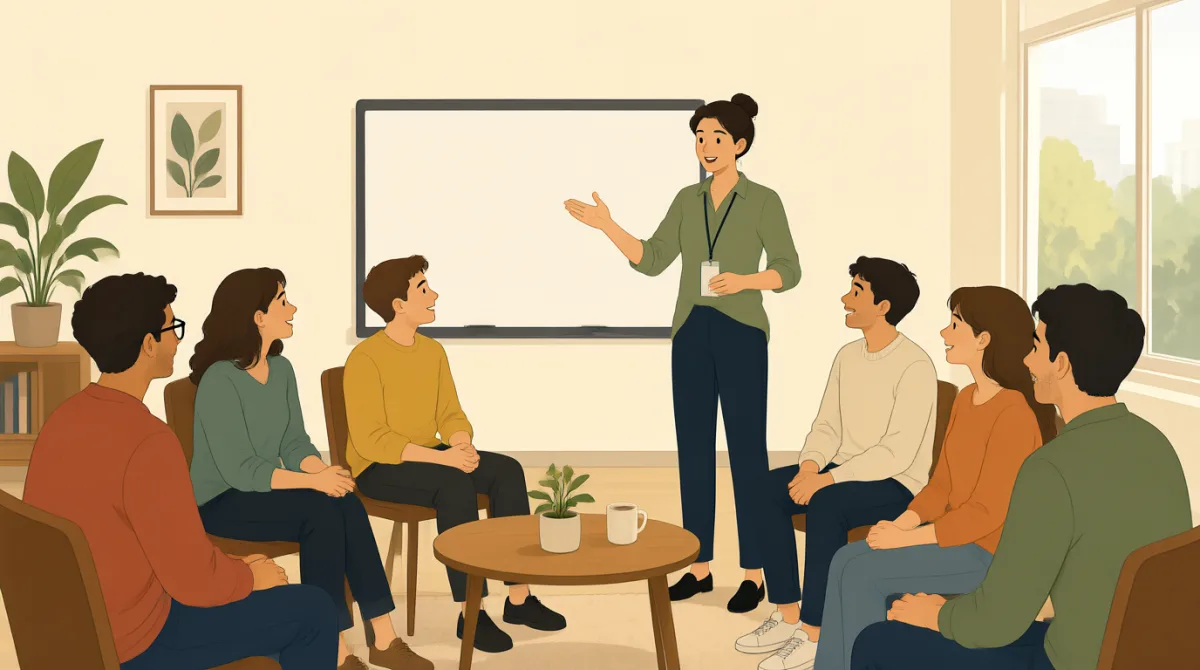

Alright everyone, thanks again for a truly engaging afternoon. Before we wrap up, I'd like to open the floor for a quick debrief. What were your key takeaways from today's activities?
আচ্ছা সবাই, আজকের সত্যিই দারুণ বিকেলের জন্য আবারও ধন্যবাদ। শেষ করার আগে, সংক্ষেপে অভিজ্ঞতাটা নিয়ে আলোচনা করতে চাই। আজকের কার্যক্রমগুলো থেকে আপনাদের সবচেয়ে গুরুত্বপূর্ণ শিক্ষা কী?

I can start. For me, the blindfolded obstacle course really highlighted the importance of clear communication and trust. It's one thing to say you trust your teammates, but quite another to literally put your faith in them to guide you.
আমি শুরু করতে পারি। আমার কাছে চোখ বেঁধে বাধা পার হওয়ার খেলাটি স্পষ্ট যোগাযোগ আর বিশ্বাসের গুরুত্বটা খুব ভালোভাবে তুলে ধরেছে। সতীর্থদের বিশ্বাস করি—এ কথা বলা এক ব্যাপার, কিন্তু পথ দেখানোর জন্য সত্যিই তাদের ওপর ভরসা করা আরেক ব্যাপার।

Definitely, Jack. And the tower building challenge showed me how crucial it is to listen to everyone's ideas, even if they seem unconventional at first. We had a breakthrough once we stopped sticking to just one plan.
একদম ঠিক বলেছেন, Jack। আর টাওয়ার তৈরির চ্যালেঞ্জটা আমাকে দেখিয়েছে, শুরুতে অপ্রচলিত মনে হলেও সবার মতামত শোনা কতটা জরুরি। শুধু একটা পরিকল্পনাতেই আটকে না থাকার পরই আমরা নতুন পথ খুঁজে পেয়েছিলাম।

To add to that, I think the time pressure during the escape room really emphasized how effective we can be under stress when we leverage each other's strengths. Everyone naturally stepped up in their area.
এর সঙ্গে যোগ করে বলি, আমার মনে হয় এসকেপ রুমে সময়ের চাপটা দেখিয়েছে, একে অপরের শক্তিকে কাজে লাগালে চাপের মধ্যেও আমরা কত ভালোভাবে কাজ করতে পারি। প্রত্যেকেই স্বাভাবিকভাবেই নিজের দক্ষতার জায়গায় দায়িত্ব নিয়েছিল।
Those are excellent points. How do you all see these lessons translating back into our day-to-day work? Jack, you mentioned trust and communication. How can we apply that more effectively in our project teams?
খুব ভালো বললেন। এই শিক্ষাগুলো আমাদের প্রতিদিনের কাজে কীভাবে কাজে লাগানো যায় বলে আপনারা মনে করেন? Jack, আপনি বিশ্বাস আর যোগাযোগের কথা বলেছেন। আমাদের প্রকল্পের দলগুলোতে এগুলো আরও কার্যকরভাবে কীভাবে কাজে লাগাতে পারি?
I think it means being more explicit with our expectations and intentions, and actively asking for feedback. Like, instead of assuming someone knows what you mean, literally checking in, 'Did that make sense? Are we on the same page?'
আমার মনে হয়, এর মানে হলো আমাদের প্রত্যাশা ও উদ্দেশ্যগুলো আরও স্পষ্ট করে বলা এবং সক্রিয়ভাবে মতামত চাওয়া। যেমন, কেউ বুঝেছে ধরে না নিয়ে সরাসরি জেনে নেওয়া: 'Did that make sense? Are we on the same page?'
And for team collaboration, maybe setting aside dedicated brainstorming time where no idea is a bad idea, even if they sound wild. That's how we found our solution in the tower challenge.
আর দলের সহযোগিতার জন্য, হয়তো নির্দিষ্ট সময় রাখা যেতে পারে—যেখানে কোনো ধারণাকেই খারাপ বলা হবে না, তা যতই অদ্ভুত শোনাক। টাওয়ার তৈরির চ্যালেঞ্জে এভাবেই আমরা সমাধানটা খুঁজে পেয়েছিলাম।
I'd say identifying who has what strength within the team more proactively. If we know who excels at problem-solving under pressure, we can naturally delegate more effectively during crunch times.
আমার মতে, দলের কার কী শক্তি আছে তা আগে থেকেই চিহ্নিত করা উচিত। চাপের মধ্যে কে সমস্যা সমাধানে ভালো, তা জানা থাকলে কাজের চাপ বেড়ে গেলে আমরা আরও সহজে ও কার্যকরভাবে দায়িত্ব ভাগ করে দিতে পারব।
Fantastic insights, everyone. It sounds like the core themes of communication, trust, inclusivity, and leveraging strengths resonated strongly today. Let's aim to consciously integrate these into our daily operations. Thank you all for your active participation!
দারুণ সব উপলব্ধি, সবাইকে ধন্যবাদ। আজ যোগাযোগ, বিশ্বাস, সবাইকে অন্তর্ভুক্ত করা এবং প্রত্যেকের শক্তিকে কাজে লাগানোর বিষয়গুলো যে বিশেষভাবে সবার মনে ধরেছে, তা স্পষ্ট। আসুন, এগুলো আমাদের প্রতিদিনের কাজে সচেতনভাবে যুক্ত করার চেষ্টা করি। সক্রিয়ভাবে অংশ নেওয়ার জন্য আপনাদের সবাইকে ধন্যবাদ!
শব্দভান্ডার9
- debriefকার্যক্রম-পরবর্তী পর্যালোচনা
A meeting or discussion after an event to review what happened and share thoughts. Useful in work settings to reflect on experiences.
কোনো ঘটনা বা কার্যক্রমের পর কী ঘটেছে তা পর্যালোচনা করতে এবং ভাবনা ভাগ করে নিতে যে বৈঠক বা আলোচনা হয়। অভিজ্ঞতা নিয়ে ভাবনাচিন্তা করার জন্য কর্মক্ষেত্রে শব্দটি কাজে লাগে।
- key takeawaysমূল শিক্ষাগুলো
The most important lessons or points learned from an activity. Commonly used in professional discussions to summarize insights.
কোনো কার্যক্রম থেকে পাওয়া সবচেয়ে গুরুত্বপূর্ণ শিক্ষা বা বিষয়গুলো। পেশাগত আলোচনায় উপলব্ধিগুলো সংক্ষেপে তুলে ধরতে শব্দবন্ধটি প্রায়ই ব্যবহৃত হয়।
- trustবিশ্বাস
Belief in the reliability of others. In team building, it means relying on teammates without doubt, essential for collaboration.
অন্যদের ওপর নির্ভর করা যায়—এমন আস্থা। দল গঠনের ক্ষেত্রে এর মানে হলো কোনো দ্বিধা ছাড়াই সতীর্থদের ওপর ভরসা করা; একসঙ্গে কাজ করার জন্য এটি জরুরি।
- breakthroughবড় অগ্রগতি
A sudden important discovery or success. Often used when a team overcomes a challenge after trying new ideas.
হঠাৎ করে হওয়া কোনো গুরুত্বপূর্ণ আবিষ্কার বা সাফল্য। নতুন ধারণা কাজে লাগিয়ে কোনো দল চ্যালেঞ্জ পেরিয়ে গেলে এই শব্দটি প্রায়ই ব্যবহার করা হয়।
- leverageকাজে লাগানো
To use something to maximum advantage. In teams, it means utilizing each member's strengths to improve performance.
কোনো কিছুকে সর্বোচ্চ সুবিধা পাওয়ার জন্য ব্যবহার করা। দলে এর মানে হলো কাজের ফল ভালো করতে প্রত্যেক সদস্যের শক্তিকে কাজে লাগানো।
- explicitস্পষ্ট
Clear and direct, leaving no room for confusion. Helpful in communication to avoid misunderstandings in projects.
পরিষ্কার ও সরাসরি, যাতে ভুল বোঝাবুঝির সুযোগ না থাকে। প্রকল্পে যোগাযোগের সময় ভুল বোঝাবুঝি এড়াতে এটি সহায়ক।
- feedbackমতামত
Opinions or comments given to improve something. Actively seeking it builds better team interactions in workplaces.
কোনো কিছু উন্নত করার জন্য দেওয়া মতামত বা মন্তব্য। সক্রিয়ভাবে মতামত চাইলে কর্মক্ষেত্রে দলের সদস্যদের মধ্যে যোগাযোগ আরও ভালো হয়।
- proactivelyআগেভাগে উদ্যোগী হয়ে
Taking action in advance to prevent problems. In teams, it means identifying strengths early to delegate tasks effectively.
সমস্যা ঠেকাতে আগে থেকেই পদক্ষেপ নেওয়া। দলে এর মানে হলো কাজ ভালোভাবে ভাগ করে দিতে সদস্যদের শক্তি আগেভাগেই চিহ্নিত করা।
- inclusivityসবার অন্তর্ভুক্তি
The practice of including everyone and valuing their ideas. Promotes diverse input in team discussions for better results.
সবাইকে অন্তর্ভুক্ত করা এবং তাদের ধারণার মূল্য দেওয়ার চর্চা। দলের আলোচনায় নানা ধরনের মতামত আসতে সাহায্য করে, ফলে আরও ভালো ফল পাওয়া যায়।
গুরুত্বপূর্ণ বাক্য8
- 1
What were your key takeaways from today's activities?
আজকের কার্যক্রমগুলো থেকে আপনাদের সবচেয়ে গুরুত্বপূর্ণ শিক্ষা কী?
This is a question to start a discussion on main lessons learned. Useful for leading debriefs; it uses 'key takeaways' idiomatically to invite sharing in professional settings.
কোনো আলোচনা শুরু করে সেখান থেকে পাওয়া মূল শিক্ষাগুলো জানতে এই প্রশ্নটি করা হয়। কার্যক্রম-পরবর্তী পর্যালোচনা পরিচালনার সময় এটি কাজে লাগে; এখানে 'key takeaways' কথাটি পেশাগত আলোচনায় স্বাভাবিকভাবে ব্যবহার করে অংশগ্রহণকারীদের নিজেদের শিক্ষা ভাগ করে নিতে বলা হয়েছে।
- 2
It's one thing to say you trust your teammates, but quite another to literally put your faith in them to guide you.
সতীর্থদের বিশ্বাস করেন—এ কথা বলা এক ব্যাপার, কিন্তু পথ দেখানোর জন্য সত্যিই তাদের ওপর ভরসা করা আরেক ব্যাপার।
This contrasts theory and practice using 'it's one thing... but quite another' structure. Great for emphasizing real application; helps learners express differences in experiences.
এখানে 'it's one thing... but quite another' গঠনটি দিয়ে তত্ত্ব আর বাস্তবের পার্থক্য দেখানো হয়েছে। বাস্তবে কোনো ধারণা প্রয়োগ করার গুরুত্ব বোঝাতে এটি ভালো; অভিজ্ঞতার পার্থক্য প্রকাশ করতেও সাহায্য করে।
- 3
We had a breakthrough once we stopped sticking to just one plan.
শুধু একটা পরিকল্পনাতেই আটকে না থাকার পরই আমরা বড় অগ্রগতি করেছিলাম।
Describes a success after change, with 'once' showing timing. Useful for sharing team insights; teaches conditional success in collaborative stories.
পরিবর্তনের পর সাফল্য পাওয়ার কথা বলা হয়েছে; এখানে 'once' দিয়ে কখন সাফল্যটি এসেছে তা বোঝানো হয়েছে। দলের উপলব্ধি ভাগ করে নেওয়ার সময় এটি কাজে লাগে এবং দলগতভাবে কাজ করার গল্পে সাফল্যের শর্ত বোঝায়।
- 4
How do you all see these lessons translating back into our day-to-day work?
এই শিক্ষাগুলো আমাদের প্রতিদিনের কাজে কীভাবে কাজে লাগানো যায় বলে আপনারা মনে করেন?
Asks for opinions on applying ideas practically, using 'translating back into' for adaptation. Ideal for workplace reflections; encourages discussion on real-life use.
কোনো ধারণা বাস্তবে কীভাবে প্রয়োগ করা যায় সে বিষয়ে মতামত জানতে এই প্রশ্নটি করা হয়। 'translating back into' কথাটি ব্যবহার করে ধারণাগুলোকে বাস্তব কাজের সঙ্গে মানিয়ে নেওয়ার কথা বলা হয়েছে। কর্মক্ষেত্রে অভিজ্ঞতা পর্যালোচনায় এটি উপযোগী এবং বাস্তব প্রয়োগ নিয়ে আলোচনা করতে উৎসাহ দেয়।
- 5
Instead of assuming someone knows what you mean, literally checking in, 'Did that make sense? Are we on the same page?'
কেউ আপনার কথা বুঝেছেন ধরে না নিয়ে সরাসরি জেনে নিন, 'Did that make sense? Are we on the same page?'
Suggests better communication habits with examples. 'On the same page' is an idiom for agreement; practical for project teams to confirm understanding and avoid errors.
উদাহরণ দিয়ে আরও ভালোভাবে যোগাযোগের অভ্যাস গড়ে তোলার পরামর্শ দেওয়া হয়েছে। 'On the same page' একটি বাগ্ধারা, যার মানে একই বিষয়ে একমত বা একইভাবে বোঝা। প্রকল্পের দলে বোঝাপড়া নিশ্চিত করতে এবং ভুল এড়াতে এটি কাজে লাগে।
- 6
Setting aside dedicated brainstorming time where no idea is a bad idea.
মতবিনিময়ের জন্য নির্দিষ্ট সময় রাখা, যেখানে কোনো ধারণাকেই খারাপ বলা হবে না।
Proposes a team activity rule using gerund 'setting aside' for suggestions. 'No idea is a bad idea' encourages creativity; useful in meetings to foster open collaboration.
এখানে 'setting aside' ক্রিয়ার -ing রূপ ব্যবহার করে দলের জন্য একটি নিয়মের প্রস্তাব দেওয়া হয়েছে। 'No idea is a bad idea' কথাটি সৃজনশীল হতে উৎসাহ দেয়; খোলামেলা সহযোগিতা বাড়াতে সভায় এটি কাজে লাগে।
- 7
If we know who excels at problem-solving under pressure, we can naturally delegate more effectively during crunch times.
চাপের মধ্যে কে সমস্যা সমাধানে ভালো তা জানা থাকলে, কাজের চাপ বেড়ে গেলে আমরা আরও স্বাভাবিকভাবে ও কার্যকরভাবে দায়িত্ব ভাগ করে দিতে পারি।
Uses conditional 'if... we can' for advice on team roles. 'Crunch times' means busy periods; teaches leveraging strengths in stressful work scenarios.
দলের সদস্যদের ভূমিকা নিয়ে পরামর্শ দিতে এখানে 'if... we can' শর্তমূলক গঠন ব্যবহার করা হয়েছে। 'Crunch times' মানে কাজের চাপ বেশি থাকার সময়। চাপের মধ্যে কাজ করার সময় দলের সদস্যদের শক্তি কীভাবে কাজে লাগানো যায়, তা শেখায় এই বাক্যটি।
- 8
Let's aim to consciously integrate these into our daily operations.
আসুন, এগুলো আমাদের প্রতিদিনের কাজে সচেতনভাবে যুক্ত করার চেষ্টা করি।
Motivational call to action with 'let's aim to' for goals. 'Consciously integrate' means deliberately applying; perfect for ending discussions with commitment.
এখানে লক্ষ্য জানাতে 'let's aim to' ব্যবহার করে সবাইকে কাজ শুরু করার অনুপ্রেরণা দেওয়া হয়েছে। 'Consciously integrate' মানে সচেতনভাবে কোনো কিছুকে কাজে যুক্ত করা। অঙ্গীকারের কথা জানিয়ে আলোচনা শেষ করার জন্য এটি উপযুক্ত।