Practicing a Difficult Piece
ฝึกเพลงท่อนที่ยาก
A student is struggling with a particular section of a song during their lesson, and the teacher provides guidance and tips for practice.
นักเรียนกำลังติดขัดกับท่อนหนึ่งของเพลงระหว่างเรียน ครูจึงแนะนำวิธีและเคล็ดลับในการฝึกซ้อม
บทสนทนา8
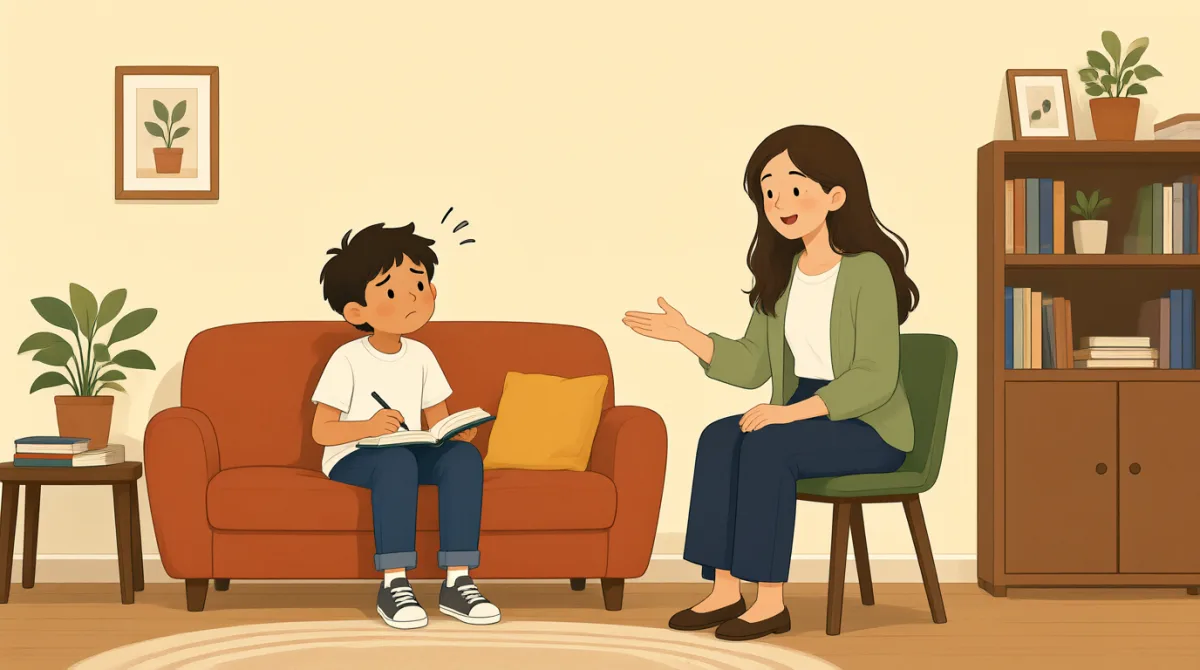

Alright, let's try that section again from measure 42. How are you feeling about it?
เอาละ ลองเล่นท่อนนั้นใหม่ตั้งแต่ห้องที่ 42 นะ รู้สึกยังไงกับท่อนนี้บ้าง?

Honestly, it's still pretty challenging. I keep stumbling over those sixteenth notes in the right hand. It just doesn't feel smooth.
พูดตามตรง มันยังยากอยู่มากเลยค่ะ ฉันเล่นโน้ตเขบ็ตสองชั้นในมือขวาสะดุดตลอด เล่นแล้วไม่ลื่นไหลเลย
I see. It's a tricky part, no doubt. Let's break it down. Instead of playing it up to tempo, try practicing it very slowly, almost note by note. Focus on the exact fingerings.
เข้าใจแล้ว เป็นท่อนที่ยากจริง ๆ งั้นเรามาแยกฝึกเป็นส่วน ๆ กัน แทนที่จะเล่นตามความเร็วจริง ลองฝึกช้ามาก ๆ เกือบจะทีละโน้ตเลยนะ เน้นการใช้นิ้วให้ถูกต้อง
So, even slower than what we've been doing?
หมายถึงให้ช้ากว่าที่เราฝึกกันอยู่ตอนนี้อีกเหรอคะ?
Exactly. Think of it like building a strong foundation. Go so slowly that you can't make a mistake. And don't forget to keep your wrist relaxed. Tension is the enemy here.
ใช่เลย ลองคิดซะว่ากำลังสร้างรากฐานให้แข็งแรง เล่นให้ช้าจนไม่มีทางเล่นพลาด แล้วก็อย่าลืมผ่อนคลายข้อมือด้วยนะ ความเกร็งเป็นตัวขัดขวางสำคัญเลย
Okay, I'll try that. Sometimes I feel like I'm rushing just to get through it.
ได้ค่ะ ฉันจะลองดู บางครั้งฉันรู้สึกว่าตัวเองรีบเล่นให้จบ ๆ ไป
That's a common trap. Also, try isolating the right hand and practicing it rhythmically. Use a metronome, but set it at a very low tempo, like 40 or 50 bpm, and really feel each subdivision.
นั่นเป็นข้อผิดพลาดที่เจอกันบ่อยนะ อีกอย่าง ลองแยกฝึกมือขวาอย่างเดียวโดยเน้นจังหวะด้วย ใช้เครื่องเคาะจังหวะ แต่ตั้งความเร็วให้ช้ามาก ๆ สัก 40 หรือ 50 bpm แล้วตั้งใจฟังจังหวะย่อยแต่ละจังหวะให้ดี
Rhythmically... got it. So, slow it way down, focus on relaxation, and use the metronome for the right hand. I'll spend extra time on this section this week.
เน้นจังหวะ... เข้าใจแล้วค่ะ งั้นก็เล่นให้ช้าลงมาก ๆ ผ่อนคลาย แล้วใช้เครื่องเคาะจังหวะฝึกมือขวา อาทิตย์นี้ฉันจะใช้เวลาฝึกท่อนนี้เพิ่มค่ะ
คำศัพท์9
- measureห้องเพลง
In music, a measure is a small section of a song divided by vertical lines on the sheet music, like a bar.
ในทางดนตรี ห้องเพลงคือส่วนหนึ่งของเพลงที่แบ่งด้วยเส้นตั้งบนบรรทัดห้าเส้น เรียกอีกอย่างว่าห้อง
- challengingยาก
Something that is challenging is difficult and requires effort, often used to describe tasks like learning a skill.
สิ่งที่ challenging (ท้าทาย) คือสิ่งที่ยากและต้องใช้ความพยายาม มักใช้พูดถึงงานอย่างการฝึกทักษะใหม่ ๆ
- stumblingเล่นสะดุด
Stumbling means making mistakes or hesitating while doing something, like tripping over words or notes in music.
Stumbling หมายถึงการทำพลาดหรือลังเลระหว่างทำสิ่งใดสิ่งหนึ่ง เช่น อ่านคำหรือเล่นโน้ตดนตรีแล้วสะดุด
- smoothลื่นไหล
Smooth means flowing easily without interruptions, often used for music or movements that feel natural and connected.
Smooth หมายถึงดำเนินไปอย่างราบรื่น ไม่ติดขัด มักใช้พูดถึงดนตรีหรือการเคลื่อนไหวที่เป็นธรรมชาติและต่อเนื่อง
- trickyยาก
Tricky means difficult or complicated in a way that can cause problems, like a hard part in a game or song.
Tricky หมายถึงยากหรือซับซ้อนจนทำให้เกิดปัญหาได้ เช่น ท่อนยากในเกมหรือเพลง
- tempoจังหวะเร็วช้า
Tempo is the speed at which a piece of music is played, like fast or slow rhythm.
Tempo คือความเร็วในการบรรเลงเพลง เช่น จังหวะเร็วหรือช้า
- fingeringsการใช้นิ้ว
Fingerings refer to the specific fingers used to play notes on an instrument, important for correct technique.
Fingerings หมายถึงการเลือกใช้นิ้วแต่ละนิ้วเล่นโน้ตบนเครื่องดนตรี ซึ่งสำคัญต่อการเล่นให้ถูกวิธี
- metronomeเครื่องเคาะจังหวะ
A metronome is a device that ticks at a steady beat to help musicians keep time and rhythm.
Metronome คืออุปกรณ์ที่เคาะจังหวะสม่ำเสมอ ช่วยให้นักดนตรีรักษาจังหวะได้
- bpmบีพีเอ็ม
BPM stands for beats per minute, a way to measure the speed of music, like 60 bpm is one beat per second.
BPM ย่อมาจาก beats per minute หรือจำนวนจังหวะต่อนาที ใช้วัดความเร็วของเพลง เช่น 60 bpm หมายถึงหนึ่งจังหวะต่อวินาที
ประโยคสำคัญ7
- 1
How are you feeling about it?
รู้สึกยังไงกับท่อนนี้บ้าง?
This is a polite way to ask for someone's opinion or emotions about a task. It's useful in lessons or discussions to check progress; uses present continuous 'are feeling' for current state.
ประโยคนี้ใช้ถามความคิดเห็นหรือความรู้สึกของอีกฝ่ายเกี่ยวกับงานอย่างสุภาพ เหมาะกับการถามความคืบหน้าระหว่างเรียนหรือพูดคุย ส่วน 'are feeling' เป็นรูปปัจจุบันต่อเนื่องที่ใช้บอกความรู้สึกในตอนนี้
- 2
Honestly, it's still pretty challenging.
พูดตามตรง มันยังยากอยู่มากเลย
Starts with 'Honestly' to show sincerity, 'pretty' softens 'challenging' meaning quite difficult. Useful for expressing honest difficulties in learning; 'still' indicates it hasn't improved yet.
ขึ้นต้นด้วย 'Honestly' เพื่อแสดงความจริงใจ ส่วน 'pretty' ช่วยลดน้ำหนักของ 'challenging' ที่หมายถึงยากมาก ประโยคนี้ใช้บอกความลำบากในการเรียนอย่างตรงไปตรงมา และ 'still' แสดงว่ายังไม่ดีขึ้น
- 3
Let's break it down.
งั้นเรามาแยกฝึกเป็นส่วน ๆ กัน
Means to divide a complex task into smaller parts for easier understanding. Common in teaching or problem-solving; imperative 'let's' suggests collaborative action.
'Let's break it down.' หมายถึงแบ่งงานที่ซับซ้อนออกเป็นส่วนเล็ก ๆ เพื่อให้เข้าใจง่ายขึ้น มักใช้ในการสอนหรือแก้ปัญหา โดย 'let's' ชวนให้ลงมือทำร่วมกัน
- 4
Go so slowly that you can't make a mistake.
เล่นให้ช้าจนไม่มีทางเล่นพลาด
Uses 'so...that' structure to show result: extreme slowness prevents errors. Helpful for practice advice; emphasizes building accuracy before speed.
ประโยคนี้ใช้โครงสร้าง 'so...that' เพื่อบอกผลลัพธ์ว่า การเล่นช้ามากช่วยป้องกันไม่ให้ผิดพลาด เหมาะกับการแนะนำวิธีฝึก และเน้นความแม่นยำก่อนความเร็ว
- 5
Tension is the enemy here.
ความเกร็งเป็นตัวขัดขวางสำคัญเลย
Idiomatic expression where 'enemy' means biggest problem. Useful in contexts like music or sports to warn against something harmful; 'here' specifies the situation.
เป็นสำนวนที่ใช้ 'enemy' ในความหมายว่าอุปสรรคหรือปัญหาใหญ่ที่สุด เหมาะกับบริบทอย่างดนตรีหรือกีฬา เพื่อเตือนว่าสิ่งใดสิ่งหนึ่งเป็นผลเสีย ส่วน 'here' ระบุว่าเป็นสถานการณ์นี้
- 6
That's a common trap.
นั่นเป็นข้อผิดพลาดที่เจอกันบ่อยนะ
Refers to a frequent mistake people fall into. Practical for giving advice on avoiding errors; 'that's' points to something just mentioned.
หมายถึงข้อผิดพลาดที่คนมักเผลอทำ ใช้ให้คำแนะนำเพื่อช่วยหลีกเลี่ยงความผิดพลาดได้ ส่วน 'that's' ใช้อ้างถึงสิ่งที่เพิ่งพูดถึง
- 7
I'll spend extra time on this section this week.
อาทิตย์นี้ฉันจะใช้เวลาฝึกท่อนนี้เพิ่ม
Shows commitment to practice; future 'will' for personal plans, 'extra time' means more than usual. Useful for discussing study habits or schedules.
ประโยคนี้แสดงความตั้งใจที่จะฝึก โดยใช้ 'will' พูดถึงแผนส่วนตัวในอนาคต และ 'extra time' หมายถึงเวลาที่เพิ่มจากปกติ เหมาะกับการพูดคุยเรื่องนิสัยการเรียนหรือตารางเวลา