Practicing a Difficult Piece
एक कठिन धुन का अभ्यास
A student is struggling with a particular section of a song during their lesson, and the teacher provides guidance and tips for practice.
पाठ के दौरान एक छात्रा गीत के एक खास हिस्से में कठिनाई महसूस करती है, और शिक्षक उसे अभ्यास के लिए मार्गदर्शन और सुझाव देते हैं।
संवाद8
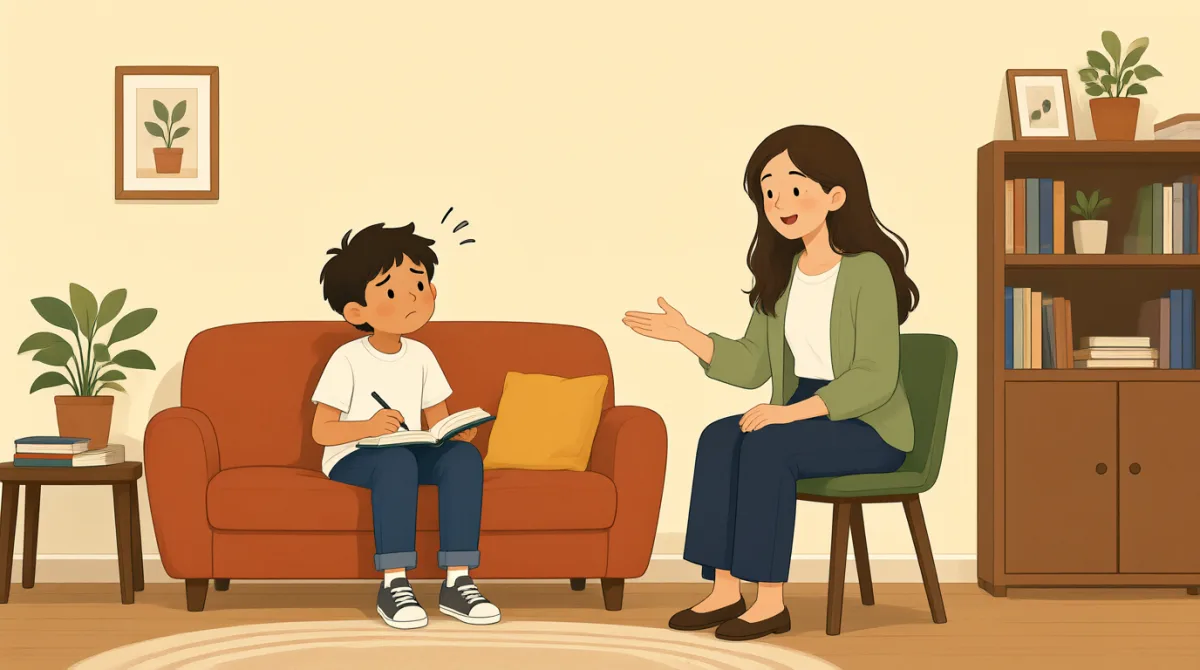

Alright, let's try that section again from measure 42. How are you feeling about it?
ठीक है, चलो माप 42 से उस हिस्से को फिर से आज़माते हैं। तुम्हें इसे लेकर कैसा लग रहा है?

Honestly, it's still pretty challenging. I keep stumbling over those sixteenth notes in the right hand. It just doesn't feel smooth.
सच कहूँ तो, यह अब भी काफी मुश्किल है। दाएँ हाथ से उन सोलहवें सुरों को बजाते हुए मैं बार-बार अटक जाती हूँ। यह सहज नहीं लग रहा।
I see. It's a tricky part, no doubt. Let's break it down. Instead of playing it up to tempo, try practicing it very slowly, almost note by note. Focus on the exact fingerings.
समझ गया। यह हिस्सा निश्चित रूप से थोड़ा पेचीदा है। चलो, इसे छोटे-छोटे हिस्सों में बाँटते हैं। इसे तय गति से बजाने के बजाय, बहुत धीरे-धीरे अभ्यास करो, लगभग हर सुर को अलग-अलग बजाते हुए। उँगलियों के सही इस्तेमाल पर ध्यान दो।
So, even slower than what we've been doing?
तो, जितना हम अब तक कर रहे थे, उससे भी धीमा?
Exactly. Think of it like building a strong foundation. Go so slowly that you can't make a mistake. And don't forget to keep your wrist relaxed. Tension is the enemy here.
बिल्कुल। इसे एक मज़बूत नींव बनाने जैसा समझो। इतना धीरे बजाओ कि कोई गलती न हो। और कलाई को ढीला रखना मत भूलना। यहाँ तनाव ही सबसे बड़ी समस्या है।
Okay, I'll try that. Sometimes I feel like I'm rushing just to get through it.
ठीक है, मैं ऐसा करके देखूँगी। कभी-कभी लगता है कि मैं बस इसे किसी तरह खत्म करने के लिए जल्दी कर रही हूँ।
That's a common trap. Also, try isolating the right hand and practicing it rhythmically. Use a metronome, but set it at a very low tempo, like 40 or 50 bpm, and really feel each subdivision.
यह एक आम गलती है। साथ ही, दाएँ हाथ के हिस्से को अलग करके लय में अभ्यास करने की कोशिश करो। मेट्रोनोम का इस्तेमाल करो, लेकिन उसकी गति बहुत धीमी रखो, जैसे 40 या 50 बीपीएम, और हर उपखंड की लय को सचमुच महसूस करो।
Rhythmically... got it. So, slow it way down, focus on relaxation, and use the metronome for the right hand. I'll spend extra time on this section this week.
लय में... समझ गई। तो, गति बहुत धीमी रखनी है, हाथ को ढीला रखना है, और दाएँ हाथ के लिए मेट्रोनोम का इस्तेमाल करना है। मैं इस हफ़्ते इस हिस्से का अभ्यास करने के लिए ज़्यादा समय दूँगी।
शब्दावली9
- measureमाप (संगीत में)
In music, a measure is a small section of a song divided by vertical lines on the sheet music, like a bar.
संगीत में, माप धुन का वह छोटा हिस्सा होता है जो शीट म्यूज़िक पर खड़ी रेखाओं से अलग किया जाता है। इसे बार भी कहते हैं।
- challengingचुनौतीपूर्ण
Something that is challenging is difficult and requires effort, often used to describe tasks like learning a skill.
जो चीज़ चुनौतीपूर्ण होती है, वह कठिन होती है और उसमें मेहनत लगती है। इस शब्द का इस्तेमाल अक्सर कोई हुनर सीखने जैसे कामों के लिए होता है।
- stumblingअटकना
Stumbling means making mistakes or hesitating while doing something, like tripping over words or notes in music.
Stumbling का मतलब है कोई काम करते समय गलती करना या झिझकना—जैसे बोलते समय शब्दों पर या संगीत बजाते हुए सुरों पर अटक जाना।
- smoothसहज
Smooth means flowing easily without interruptions, often used for music or movements that feel natural and connected.
Smooth का मतलब है बिना रुके सहजता से आगे बढ़ना। यह अक्सर ऐसे संगीत या गतिविधियों के लिए इस्तेमाल होता है जो स्वाभाविक और एक-दूसरे से जुड़ी हुई लगती हैं।
- trickyपेचीदा
Tricky means difficult or complicated in a way that can cause problems, like a hard part in a game or song.
Tricky का मतलब है ऐसी कठिन या उलझी हुई चीज़ जिससे परेशानी हो सकती है, जैसे किसी खेल या गीत का मुश्किल हिस्सा।
- tempoगति
Tempo is the speed at which a piece of music is played, like fast or slow rhythm.
Tempo वह गति है जिस पर संगीत का कोई टुकड़ा बजाया जाता है—जैसे तेज़ या धीमी गति।
- fingeringsउँगलियों का इस्तेमाल
Fingerings refer to the specific fingers used to play notes on an instrument, important for correct technique.
Fingerings से मतलब है किसी वाद्य यंत्र पर सुर बजाने के लिए इस्तेमाल की जाने वाली खास उँगलियाँ। सही तकनीक के लिए यह ज़रूरी है।
- metronomeमेट्रोनोम
A metronome is a device that ticks at a steady beat to help musicians keep time and rhythm.
मेट्रोनोम एक ऐसा उपकरण है जो नियमित अंतराल पर टिक-टिक करता है और संगीतकारों को ताल और लय बनाए रखने में मदद करता है।
- bpmबीपीएम
BPM stands for beats per minute, a way to measure the speed of music, like 60 bpm is one beat per second.
BPM का पूरा रूप beats per minute है, यानी प्रति मिनट तालों की संख्या। इससे संगीत की गति मापी जाती है; जैसे 60 bpm का मतलब है कि एक सेकंड में एक ताल।
मुख्य वाक्य7
- 1
How are you feeling about it?
तुम्हें इसे लेकर कैसा लग रहा है?
This is a polite way to ask for someone's opinion or emotions about a task. It's useful in lessons or discussions to check progress; uses present continuous 'are feeling' for current state.
किसी काम के बारे में किसी की राय या भावना पूछने का यह एक विनम्र तरीका है। पाठ या चर्चा में प्रगति जानने के लिए यह उपयोगी है। इसमें 'are feeling' वर्तमान स्थिति बताता है।
- 2
Honestly, it's still pretty challenging.
सच कहूँ तो, यह अब भी काफी मुश्किल है।
Starts with 'Honestly' to show sincerity, 'pretty' softens 'challenging' meaning quite difficult. Useful for expressing honest difficulties in learning; 'still' indicates it hasn't improved yet.
'Honestly' का इस्तेमाल ईमानदारी जताने के लिए होता है, जबकि 'pretty' से 'challenging' यानी मुश्किल होने का भाव थोड़ा नरम पड़ता है। सीखने में आ रही कठिनाइयों के बारे में खुलकर बताने के लिए यह वाक्य उपयोगी है। 'still' बताता है कि अब तक सुधार नहीं हुआ है।
- 3
Let's break it down.
चलो, इसे छोटे-छोटे हिस्सों में बाँटते हैं।
Means to divide a complex task into smaller parts for easier understanding. Common in teaching or problem-solving; imperative 'let's' suggests collaborative action.
इसका मतलब है किसी जटिल काम को समझने में आसानी के लिए छोटे हिस्सों में बाँटना। पढ़ाने या समस्या सुलझाने में यह आम तौर पर इस्तेमाल होता है। 'Let's' मिलकर काम करने का सुझाव देता है।
- 4
Go so slowly that you can't make a mistake.
इतना धीरे बजाओ कि कोई गलती न हो।
Uses 'so...that' structure to show result: extreme slowness prevents errors. Helpful for practice advice; emphasizes building accuracy before speed.
'so...that' का इस्तेमाल नतीजा बताने के लिए होता है: इतनी धीमी गति से बजाने पर गलती नहीं होगी। अभ्यास के लिए यह उपयोगी सलाह है और गति से पहले सटीकता बनाने पर ज़ोर देती है।
- 5
Tension is the enemy here.
यहाँ तनाव ही सबसे बड़ी समस्या है।
Idiomatic expression where 'enemy' means biggest problem. Useful in contexts like music or sports to warn against something harmful; 'here' specifies the situation.
यह एक मुहावरेदार अभिव्यक्ति है, जिसमें 'enemy' का मतलब सबसे बड़ी समस्या है। संगीत या खेल जैसे संदर्भों में किसी नुकसानदेह चीज़ से सावधान करने के लिए इसका इस्तेमाल होता है। 'here' बताता है कि बात मौजूदा स्थिति की हो रही है।
- 6
That's a common trap.
यह एक आम गलती है।
Refers to a frequent mistake people fall into. Practical for giving advice on avoiding errors; 'that's' points to something just mentioned.
इसका मतलब है ऐसी गलती जिसमें लोग अक्सर पड़ जाते हैं। गलतियों से बचने की सलाह देते समय यह वाक्य काम आता है। 'that's' अभी-अभी बताई गई बात की ओर इशारा करता है।
- 7
I'll spend extra time on this section this week.
मैं इस हफ़्ते इस हिस्से का अभ्यास करने के लिए ज़्यादा समय दूँगी।
Shows commitment to practice; future 'will' for personal plans, 'extra time' means more than usual. Useful for discussing study habits or schedules.
यह वाक्य अभ्यास करने की प्रतिबद्धता दिखाता है। यहाँ 'will' भविष्य की व्यक्तिगत योजना बताता है और 'extra time' का मतलब है आम तौर से ज़्यादा समय। पढ़ाई की आदतों या समय-सारणी पर बात करते हुए यह उपयोगी है।