Casual Encounter - Gentle Reminder
अनौपचारिक मुलाक़ात — नाम याद दिलाने का सहज तरीका
You run into someone you've met before in a casual setting (e.g., coffee shop, park). You clearly remember their face or where you met, but their name escapes you. You want to acknowledge them without making it awkward.
आप किसी अनौपचारिक जगह, जैसे कॉफ़ी शॉप या पार्क में, पहले मिल चुके व्यक्ति से अचानक मिलते हैं। आपको उनका चेहरा या मिलने की जगह साफ़-साफ़ याद है, लेकिन उनका नाम याद नहीं आ रहा। आप बिना अजीब स्थिति बनाए उनका अभिवादन करना चाहते हैं।
संवाद9
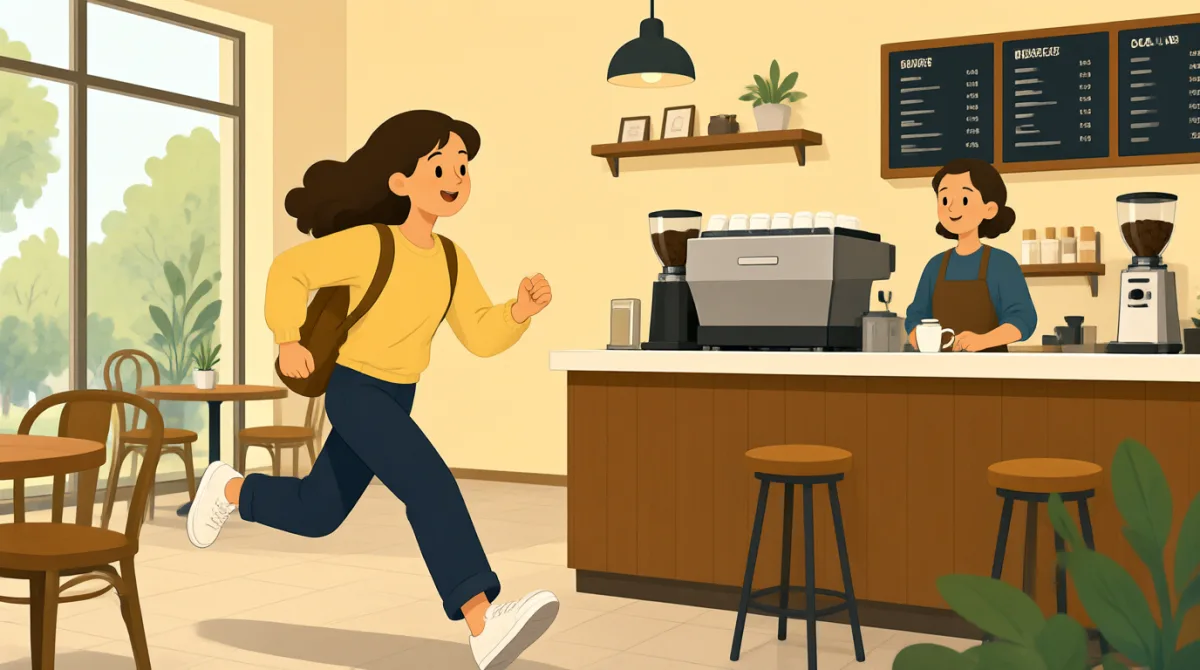

Oh, hi! Don't I know you from somewhere?
अरे, नमस्ते! क्या हम कहीं पहले मिले हैं?

Hey! Yeah, I think so too. Your face is super familiar. We met at... that coffee shop, right?
अरे! हाँ, मुझे भी ऐसा ही लगता है। तुम्हारा चेहरा जाना-पहचाना लग रहा है। हम उस कॉफ़ी शॉप में मिले थे... है न?
Yes, that's exactly it! The 'Daily Grind' on Elm Street. How funny to run into you here!
हाँ, बिल्कुल! एल्म स्ट्रीट वाला ‘डेली ग्राइंड’। यहाँ तुमसे मिलना कितना मज़ेदार है!
It really is! I'm so sorry, it's totally escaping me at the moment, but could you remind me of your name?
सच में! माफ़ करना, अभी तुम्हारा नाम बिल्कुल याद नहीं आ रहा। क्या तुम मुझे अपना नाम याद दिला सकती हो?
No worries at all! It's Emma. And you're Leo, right? I remember you talking about cycling.
कोई बात नहीं! मेरा नाम एमा है। और तुम लियो हो, है न? मुझे याद है, तुम साइकिल चलाने की बात कर रहे थे।
That's me! Leo. Thanks, Emma, I appreciate you jogging my memory. It's great to see you again.
हाँ, मैं ही हूँ! लियो। शुक्रिया, एमा, मेरा नाम याद दिलाने के लिए। तुमसे फिर मिलकर अच्छा लगा।
You too, Leo! What brings you to this park today?
मुझे भी, लियो! आज तुम्हें इस पार्क में क्या ले आया?
Just enjoying the nice weather. You know, I was about to grab another coffee. Want to join?
बस, अच्छे मौसम का मज़ा ले रहा हूँ। पता है, मैं एक और कॉफ़ी लेने ही जा रहा था। चलोगी?
Sure, I'd love to! Lead the way.
ज़रूर, मुझे बहुत अच्छा लगेगा! चलो, आगे-आगे चलो।
शब्दावली6
- familiarजाना-पहचाना
Means something or someone you recognize because you have seen or met them before. Use it when you almost remember a person or place, like 'Your face looks familiar.'
'familiar' का मतलब है कोई चीज़ या व्यक्ति जिसे आप इसलिए पहचानते हैं क्योंकि आप उसे पहले देख या मिल चुके हैं। जब किसी व्यक्ति या जगह को लगभग याद कर पा रहे हों, तो इसका इस्तेमाल करें, जैसे 'Your face looks familiar.' (तुम्हारा चेहरा जाना-पहचाना लग रहा है।)
- run intoअचानक मिल जाना
An informal phrasal verb meaning to meet someone by chance unexpectedly. It's common in casual conversations, like 'I ran into an old friend at the store.'
'run into' एक अनौपचारिक वाक्यांश क्रिया है, जिसका मतलब है किसी से अचानक और संयोग से मिलना। रोज़मर्रा की बातचीत में इसका इस्तेमाल आम है, जैसे 'I ran into an old friend at the store.' (दुकान पर मेरी अचानक एक पुराने दोस्त से मुलाक़ात हो गई।)
- escaping meयाद न आना
Means something is slipping out of your mind and you can't remember it right now. Use it politely when forgetting details, like 'The name is escaping me.'
'escaping me' का मतलब है कि कोई बात दिमाग़ से निकल रही है और आपको वह अभी याद नहीं आ रही। कोई जानकारी भूल जाने पर विनम्रता से यह कह सकते हैं, जैसे 'The name is escaping me.' (नाम अभी याद नहीं आ रहा है।)
- remindयाद दिलाना
To help someone remember something they forgot. In this context, it's a polite request, like 'Could you remind me of your name?'
'remind' का मतलब है किसी भूली हुई बात को याद करने में किसी की मदद करना। इस स्थिति में यह विनम्र अनुरोध है, जैसे 'Could you remind me of your name?' (क्या आप मुझे अपना नाम याद दिला सकते हैं?)
- jog my memoryयाद ताज़ा कर देना
An idiom meaning to help someone recall information. It's a friendly way to thank someone for reminding you, like 'That jogged my memory.'
'jog my memory' एक मुहावरा है, जिसका मतलब है किसी को कोई बात याद करने में मदद करना। किसी के याद दिलाने पर दोस्ताना अंदाज़ में शुक्रिया कहने के लिए इसका इस्तेमाल करें, जैसे 'That jogged my memory.' (उससे मुझे याद आ गया।)
- no worriesकोई बात नहीं
A casual expression meaning 'it's okay' or 'don't worry about it.' Use it to reassure someone when they apologize, common in everyday English.
'no worries' एक अनौपचारिक अभिव्यक्ति है, जिसका मतलब है ‘कोई बात नहीं’ या ‘इसकी चिंता मत करो।’ जब कोई माफ़ी माँगे, तो उसे आश्वस्त करने के लिए इसका इस्तेमाल करें। रोज़मर्रा की अंग्रेज़ी में यह बहुत आम है।
मुख्य वाक्य6
- 1
Don't I know you from somewhere?
क्या हम कहीं पहले मिले हैं?
This is a rhetorical question to politely start a conversation when you recognize someone but can't place them. It's useful in casual encounters to show interest without being direct. Note the question structure for suggestions.
'Don't I know you from somewhere?' एक ऐसा सवाल है जो किसी को पहचानने पर बातचीत शुरू करने के लिए विनम्रता से पूछा जाता है, जबकि आपको यह याद नहीं आता कि आप उनसे कहाँ मिले थे। अनौपचारिक मुलाक़ातों में बिना सीधे पूछे दिलचस्पी दिखाने के लिए यह उपयोगी है। ध्यान दें कि सुझाव देने वाले सवाल की बनावट कैसी है।
- 2
Your face is super familiar.
तुम्हारा चेहरा बहुत जाना-पहचाना लग रहा है।
A friendly way to express that you remember someone's appearance but not details. 'Super' adds emphasis like 'very.' Use this to keep the talk light and positive in social situations.
'Your face is super familiar.' किसी को यह बताने का दोस्ताना तरीका है कि आपको उनका चेहरा याद है, लेकिन बाकी बातें याद नहीं आ रहीं। यहाँ 'super' ज़ोर देने के लिए है, यानी ‘बहुत’। सामाजिक बातचीत को सहज और सकारात्मक बनाए रखने के लिए इसका इस्तेमाल करें।
- 3
I'm so sorry, it's totally escaping me at the moment, but could you remind me of your name?
मुझे माफ़ करना, अभी तुम्हारा नाम बिल्कुल याद नहीं आ रहा। क्या तुम मुझे अपना नाम याद दिला सकती हो?
A polite apology for forgetting a name, followed by a gentle request. The structure uses 'I'm sorry' for politeness, and 'could you' for a soft ask. Ideal for avoiding awkwardness when meeting someone again.
'I'm so sorry, it's totally escaping me at the moment, but could you remind me of your name?' नाम भूल जाने पर माफ़ी माँगने और फिर सहजता से नाम पूछने का विनम्र तरीका है। इसमें शिष्टता के लिए 'I'm sorry' और नरमी से अनुरोध करने के लिए 'could you' का इस्तेमाल हुआ है। किसी से दोबारा मिलते समय अजीब स्थिति से बचने के लिए यह वाक्य अच्छा है।
- 4
No worries at all!
अरे, कोई बात नहीं!
A reassuring response to an apology, meaning it's completely fine. This phrase is very common in informal English to make others feel comfortable. No grammar complexity, just idiomatic usage.
'No worries at all!' माफ़ी के जवाब में सामने वाले को आश्वस्त करने का तरीका है। इसका मतलब है कि सब ठीक है। अनौपचारिक अंग्रेज़ी में यह बहुत आम है और दूसरे व्यक्ति को सहज महसूस कराता है। इसमें कोई जटिल व्याकरण नहीं है—यह एक प्रचलित अभिव्यक्ति है।
- 5
Thanks, you jogged my memory.
शुक्रिया, तुमने मुझे याद दिला दिया।
A thankful way to acknowledge a reminder. 'Jogged my memory' is an idiom for helping recall. Use this after someone helps you remember to show appreciation and continue the conversation smoothly.
'Thanks, you jogged my memory.' किसी की याद दिलाने पर शुक्रिया कहने का तरीका है। 'jogged my memory' एक मुहावरा है, जिसका मतलब है याद करने में मदद करना। जब कोई आपको कुछ याद दिलाए, तो आभार जताने और बातचीत सहजता से आगे बढ़ाने के लिए इसका इस्तेमाल करें।
- 6
What brings you to this park today?
आज तुम्हें इस पार्क में क्या ले आया?
A natural question to ask someone's reason for being in a place. 'What brings you' is a polite, indirect way to inquire about purpose. Great for transitioning from greetings to small talk.
'What brings you to this park today?' किसी से यह पूछने का सहज तरीका है कि वह किसी जगह क्यों आया है। 'What brings you' का अर्थ पूछने का विनम्र और अप्रत्यक्ष तरीका है। अभिवादन के बाद हल्की-फुल्की बातचीत शुरू करने के लिए यह बढ़िया है।