Values and Character Formation
ارزشها و شکلگیری منش
Friends are exploring how to instill certain values (e.g., honesty, empathy, independence) in their children. They share their own upbringing experiences and debate the most effective ways to model and teach these principles.
دوستان دربارهٔ چگونگی نهادینهکردن ارزشهایی مانند صداقت، همدلی و استقلال در فرزندانشان گفتوگو میکنند. آنها از تجربههای دوران کودکی خود میگویند و دربارهٔ مؤثرترین راههای آموزش این اصول و الگوبودن برای فرزندانشان بحث میکنند.
گفتوگو10
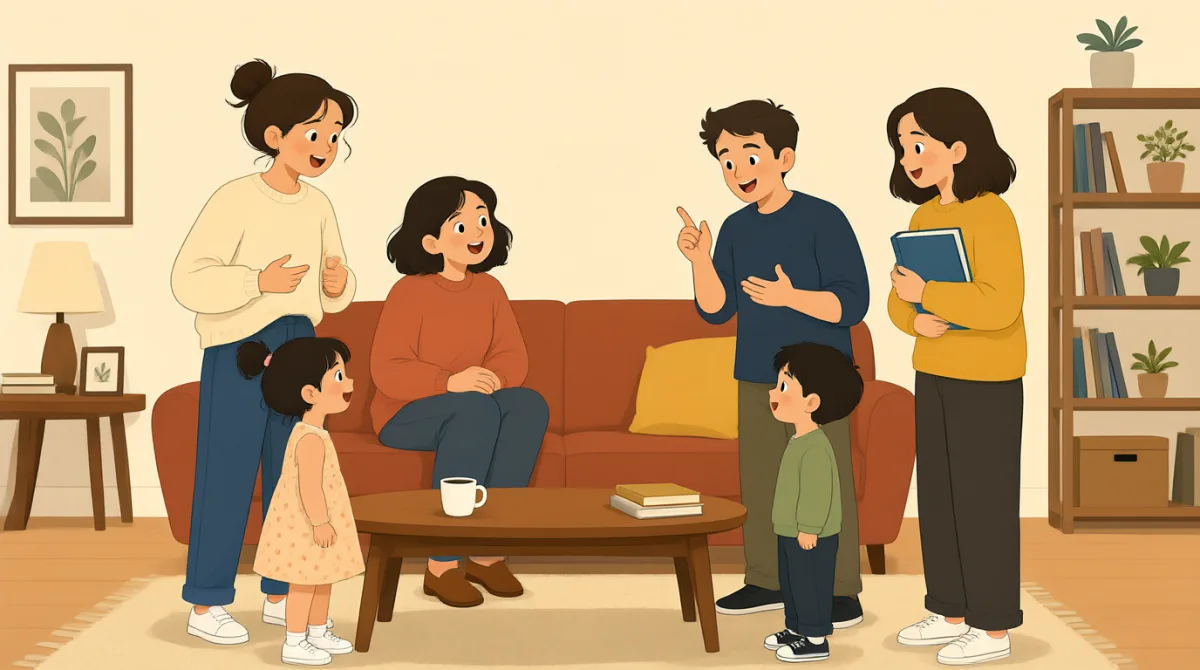

Hey Jack, I've been thinking a lot about how we instill certain values in our kids, like honesty and empathy. It feels like such a core part of parenting.
هی جک، مدتیه خیلی به این فکر میکنم که چطور بعضی ارزشها، مثل صداقت و همدلی، رو به بچههامون یاد بدیم. حس میکنم این بخش خیلی مهمی از پدرومادری کردنه.

Me too, Mia. Especially with all the external influences they encounter. I remember my parents always emphasized integrity, which was mainly through leading by example.
منم همینطور، میا. مخصوصاً با همهٔ تأثیرهای بیرونیای که باهاشون روبهرو میشن. یادمه پدرومادرم همیشه روی درستکاری تأکید میکردن، و بیشتر از همه با اینکه خودشون الگوی خوبی بودن.
Right, modeling behavior is key. But what about when they're really young? How do you explicitly teach something like empathy beyond just saying, 'Be kind'?
دقیقاً، رفتار خودمون رو نشوندادن خیلی مهمه. اما وقتی هنوز خیلی کوچیکن چی؟ چطور چیزی مثل همدلی رو روشن و واضح یادشون میدی، فراتر از اینکه فقط بگی «مهربون باش»؟
That's the tricky part. For empathy, I try to encourage perspective-taking. Like, if a sibling is upset, we ask, 'How do you think they're feeling right now?' and talk about it.
قسمت سختش همینه. برای همدلی، سعی میکنم تشویقشون کنم خودشون رو جای دیگران بذارن. مثلاً اگه یکی از خواهرها یا برادرهاشون ناراحته، میپرسیم: «فکر میکنی الان چه حسی داره؟» و دربارهاش حرف میزنیم.
Oh, that's a good one. My parents were very big on independence, which I'm grateful for, but sometimes I wonder if I should be more hands-on with teaching specific values.
آهان، این خیلی خوبه. پدرومادرم خیلی روی مستقلبودن تأکید داشتن و من بابتشون ممنونم، ولی بعضی وقتها فکر میکنم باید برای آموزش ارزشهای مشخص، بیشتر خودم رو درگیر کنم.
It's a tough balance. My dad believed in letting us figure things out, which fostered independence, but there were times I wished for more direct guidance on ethical dilemmas.
تعادل سختیه. بابام معتقد بود باید بذاره خودمون راهمون رو پیدا کنیم؛ این باعث شد مستقل بشیم. ولی گاهی دلم میخواست دربارهٔ دوراهیهای اخلاقی، راهنمایی مستقیمتری میگرفتم.
Exactly! And how do we ensure they truly internalize these values, not just parrot them back to us? Especially with something like honesty, where the consequences can be immediate for them.
دقیقاً! و چطور مطمئن بشیم این ارزشها واقعاً درونشون جا میافته، نه اینکه فقط حرفهای ما رو تکرار کنن؟ مخصوصاً دربارهٔ چیزی مثل صداقت که ممکنه همون لحظه براشون پیامد داشته باشه.
I think consistency is vital. And talking through scenarios, like what happens if you're not honest, and connecting it to how it impacts others. It's an ongoing conversation, really.
فکر میکنم ثبات خیلی مهمه. همینطور اینکه دربارهٔ موقعیتهای مختلف باهاشون حرف بزنیم؛ مثلاً اگه راست نگن چه اتفاقی میافته و این کار چه تأثیری روی بقیه میذاره. در واقع، گفتوگویی همیشگیه.
True. It's not a one-time lesson. Maybe it's less about strict teaching and more about creating a consistent environment where these values are seen, discussed, and lived.
درسته. این چیزی نیست که با یک بار گفتنش یاد بگیرن. شاید موضوع کمتر آموزش سختگیرانه باشه و بیشتر ایجاد فضایی باثبات که توش این ارزشها رو ببینن، دربارهشون حرف بزنن و بهشون عمل کنن.
Couldn't agree more. It's a continuous process of modeling, reflecting, and guiding. We're all just doing our best, trying to give them a solid foundation.
کاملاً موافقم. این روندی مداومه؛ باید الگو باشیم، فکر کنیم و راهنماییشون کنیم. همهمون داریم تمام تلاشمون رو میکنیم تا پایهٔ محکمی براشون بسازیم.
واژگان8
- instillنهادینهکردن
To gradually put an idea or value into someone's mind, especially in children. Use it when talking about teaching important life lessons, like 'Parents instill good habits in their kids.'
یعنی کمکم یک فکر یا ارزش را در ذهن کسی جا بیندازی، بهویژه در ذهن بچهها. وقتی دربارهٔ آموزش درسهای مهم زندگی حرف میزنی از این واژه استفاده کن؛ مثلاً: 'Parents instill good habits in their kids.' (پدرومادرها عادتهای خوب را در بچههایشان نهادینه میکنند.)
- empathyهمدلی
The ability to understand and share the feelings of others. It's a key value in parenting; say 'Teaching empathy helps children be kinder to friends.'
توانایی درککردن و شریکشدن در احساسات دیگران است. همدلی یکی از ارزشهای مهم در تربیت بچههاست؛ مثلاً: 'Teaching empathy helps children be kinder to friends.' (آموزش همدلی به بچهها کمک میکند با دوستانشان مهربانتر باشند.)
- integrityدرستکاری
Honesty and strong moral principles. Often used in discussions about character; for example, 'She has great integrity because she always tells the truth.'
یعنی صداقت و پایبندی به اصول اخلاقی. این واژه اغلب در گفتوگو دربارهٔ منش به کار میرود؛ مثلاً: 'She has great integrity because she always tells the truth.' (او بسیار درستکار است، چون همیشه حقیقت را میگوید.)
- modelingالگوبودن
Showing behavior for others to copy, especially parents with children. In parenting talks, 'Modeling good behavior is more effective than just telling kids what to do.'
یعنی رفتاری را نشان بدهی تا دیگران از آن پیروی کنند؛ بهویژه وقتی پدرومادر برای بچههایشان الگو میشوند. در گفتوگو دربارهٔ تربیت بچهها میتوانی بگویی: 'Modeling good behavior is more effective than just telling kids what to do.' (الگوبودن در رفتار خوب، از اینکه فقط به بچهها بگوییم چهکار کنند مؤثرتر است.)
- perspective-takingخود را جای دیگری گذاشتن
Trying to see things from another person's point of view. Useful for building empathy; 'Encourage perspective-taking by asking how others feel.'
یعنی تلاش کنی دنیا را از دیدگاه شخص دیگری ببینی. این کار به پرورش همدلی کمک میکند؛ مثلاً: 'Encourage perspective-taking by asking how others feel.' (با پرسیدن از بچهها دربارهٔ احساس دیگران، تشویقشان کن خودشان را جای آنها بگذارند.)
- internalizeدرونیکردن
To make an idea or value part of your own beliefs, not just remember it. In education, 'Children need to internalize values like honesty to live by them.'
یعنی یک فکر یا ارزش را به بخشی از باورهای خودت تبدیل کنی، نه اینکه فقط آن را به خاطر بسپاری. در آموزش میتوانی بگویی: 'Children need to internalize values like honesty to live by them.' (بچهها باید ارزشهایی مثل صداقت را درونی کنند تا بر اساس آنها زندگی کنند.)
- consistencyثبات
Being steady and reliable in actions or rules. Important in parenting; 'Consistency in discipline helps kids feel secure.'
یعنی در رفتار یا قانونها ثابتقدم و قابلاعتماد باشی. ثبات در تربیت بچهها مهم است؛ مثلاً: 'Consistency in discipline helps kids feel secure.' (ثبات در شیوهٔ تربیت به بچهها کمک میکند احساس امنیت کنند.)
- vitalحیاتی
Extremely important or necessary. Use in serious discussions; 'Consistency is vital for teaching values effectively.'
یعنی بسیار مهم یا ضروری. در گفتوگوهای جدی از این واژه استفاده کن؛ مثلاً: 'Consistency is vital for teaching values effectively.' (ثبات برای آموزش مؤثر ارزشها حیاتی است.)
جملات کلیدی8
- 1
I've been thinking a lot about how we instill certain values in our kids.
مدتیه خیلی به این فکر میکنم که چطور بعضی ارزشها رو به بچههامون یاد بدیم.
This sentence uses present perfect continuous ('I've been thinking') to show ongoing thoughts. It's useful for starting conversations about personal reflections, especially in parenting or life topics. Practice it to express what you've been considering lately.
در این جمله از حال کامل استمراری، یعنی 'I've been thinking'، برای نشاندادن ادامهداربودن فکر استفاده شده است. این عبارت برای شروع گفتوگو دربارهٔ فکرها و دغدغههای شخصی، بهویژه در موضوعاتی مثل تربیت فرزند یا زندگی، کاربرد دارد. با آن میتوانی بگویی این اواخر به چه چیزی فکر کردهای.
- 2
Leading by example.
با رفتار خودت الگو باش.
A common phrase meaning to show behavior through actions rather than words. It's an idiom for parenting advice. Use it when discussing how to teach values, like 'Parents should lead by example to build trust.'
این عبارت رایجی است که یعنی بهجای حرفزدن، با عملت رفتاری را نشان بدهی. در توصیههای مربوط به تربیت فرزند، از آن بهعنوان یک اصطلاح استفاده میشود. مثلاً وقتی دربارهٔ آموزش ارزشها حرف میزنی، میتوانی بگویی: 'Parents should lead by example to build trust.' (پدرومادرها باید با رفتارشان الگو باشند تا اعتماد ایجاد کنند.)
- 3
That's the tricky part.
قسمت سختش همینه.
This expresses that something is difficult or challenging. 'Tricky' is informal for complicated situations. Great for casual talks about problems; it shows agreement and adds to the discussion naturally.
این جمله میگوید چیزی دشوار یا چالشبرانگیز است. 'Tricky' واژهای خودمانی برای موقعیتهای پیچیده است. در گفتوگوهای دوستانه دربارهٔ مشکلات کاربرد دارد؛ هم نشان میدهد با طرف مقابل موافقی و هم طبیعی به بحث اضافه میشوی.
- 4
How do you think they're feeling right now?
فکر میکنی الان چه حسی دارن؟
A question using 'how do you think' to encourage empathy and perspective-taking. The present continuous ('they're feeling') describes current emotions. Use this in conversations to help others understand feelings, especially with children.
این پرسش با ساختار 'how do you think' به پرورش همدلی و توانایی دیدن موضوع از دیدگاه دیگران کمک میکند. زمان حال استمراری در 'they're feeling' احساسات فعلی را توصیف میکند. در گفتوگوها، بهویژه با بچهها، از این جمله استفاده کن تا کمک کنی احساسات دیگران را درک کنند.
- 5
It's a tough balance.
تعادل سختیه.
'Tough balance' is an idiom for finding the right middle ground between extremes. Useful in debates about choices, like work-life or parenting styles. It acknowledges difficulty while keeping the talk positive.
'Tough balance' اصطلاحی است برای پیداکردن نقطهٔ میانهٔ مناسب بین دو حالت افراطی. در بحث دربارهٔ انتخابهایی مثل تعادل کار و زندگی یا شیوههای تربیت فرزند کاربرد دارد. این عبارت دشواری موضوع را میپذیرد و در عین حال لحن گفتوگو را مثبت نگه میدارد.
- 6
We need to ensure they truly internalize these values.
باید مطمئن بشیم این ارزشها واقعاً درونشون جا میافته.
Uses 'ensure' (to make certain) and 'truly' for emphasis. The structure shows purpose with 'to' infinitive. Practical for discussing deep learning; say it when talking about making sure ideas stick, not just surface knowledge.
در این جمله از 'ensure' (مطمئنشدن) و 'truly' برای تأکید استفاده شده است. ساختار 'to' بههمراه مصدر، هدف را نشان میدهد. این جمله برای صحبت دربارهٔ یادگیری عمیق کاربردی است؛ وقتی میخواهی بگویی مطمئن شوی چیزی واقعاً در ذهن مانده، نه اینکه فقط سطحی یاد گرفته شده باشد.
- 7
Consistency is vital.
ثبات حیاتیه.
A simple subject-verb-complement sentence stating importance. 'Vital' means essential. Use this short form to emphasize key points in advice-giving, like in parenting or habit-building talks.
این جملهٔ ساده از فاعل، فعل و مکمل تشکیل شده و بر اهمیت چیزی تأکید میکند. 'Vital' یعنی ضروری. برای تأکید بر نکتههای مهم در توصیهکردن، مثلاً دربارهٔ تربیت فرزند یا شکلدادن عادتها، از این عبارت کوتاه استفاده کن.
- 8
Couldn't agree more.
نمیتونم بیشتر از این موافق باشم.
An idiomatic way to strongly agree with someone. It's informal and polite for conversations. Perfect for responding in discussions to show support, making dialogues smoother and friendlier.
این اصطلاح راهی برای نشاندادن موافقت کامل با کسی است. در گفتوگوهای دوستانه هم خودمانی است و هم مؤدبانه. برای اعلام همراهی در بحثها خیلی مناسب است و کمک میکند گفتوگو روانتر و صمیمیتر پیش برود.