Exploring Presenting Issues and Feelings
استكشاف المشكلات الحالية والمشاعر
The client discusses their current challenges, symptoms, and emotional states, while the therapist uses active listening and open-ended questions to facilitate deeper exploration.
يناقش المراجع التحديات والأعراض والحالات العاطفية التي يمر بها حاليًا، بينما يستخدم المعالج الإصغاء الفعّال والأسئلة المفتوحة لمساعدته على استكشافها بعمق.
حوار9
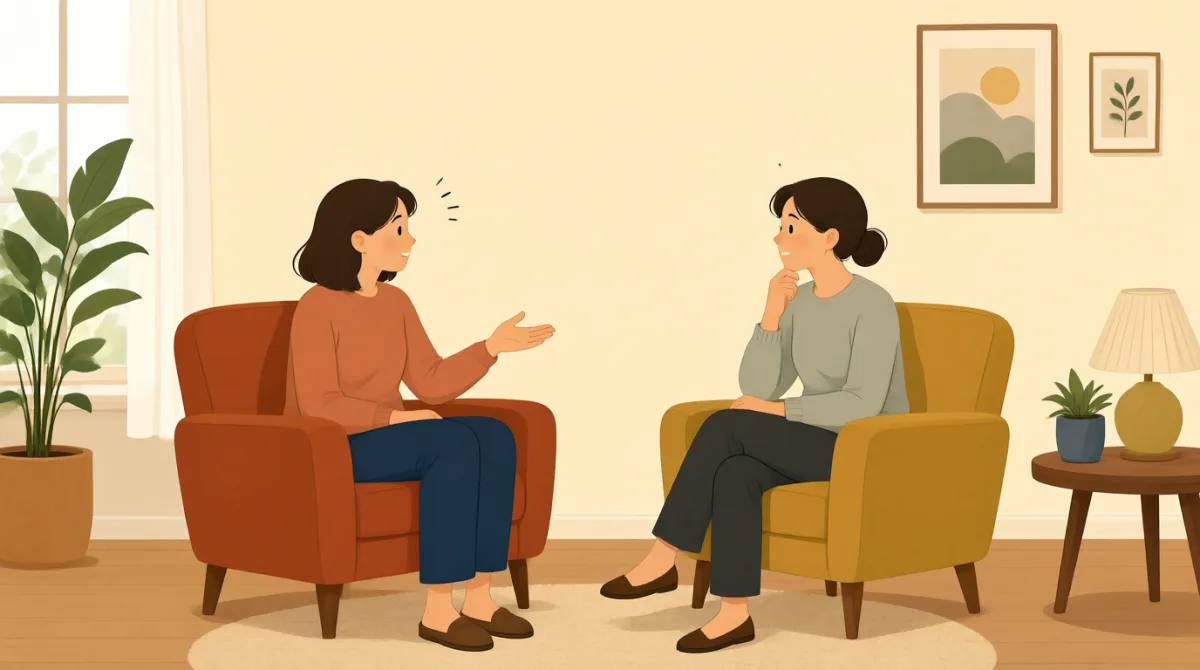

Welcome, please have a seat. Take your time to settle in. What brings you here today?
أهلًا بك، تفضل بالجلوس. خذ وقتك حتى تستقر. ما الذي دفعك إلى المجيء اليوم؟

Thank you. Well, I've been feeling incredibly overwhelmed lately. It's hard to pinpoint exactly what it is, but a general sense of anxiety and dread just seems to be my constant companion.
شكرًا لك. حسنًا، أشعر مؤخرًا بأن الأمور تفوق قدرتي على الاحتمال. يصعب عليّ تحديد السبب بالضبط، لكن القلق والخوف من المجهول يرافقانني باستمرار.
I hear you. 'Overwhelmed' and a 'constant companion' of anxiety. Can you tell me a bit more about what that feeling of being overwhelmed looks like for you day-to-day? Are there specific situations or times when it feels more intense?
أفهم ما تقولين. تشعرين بأن الأمور تفوق قدرتك على الاحتمال، وأن القلق يلازمك باستمرار. هل يمكنك أن تخبريني أكثر عن شكل هذا الشعور في حياتك اليومية؟ هل هناك مواقف أو أوقات معينة يشتد فيها؟
It's worst when I'm trying to focus on work. My mind just races, or I get this tightness in my chest that makes it impossible to concentrate. And then at night, sleep feels like a luxury I can't afford because my thoughts just won't shut off.
يكون الأمر أسوأ عندما أحاول التركيز في العمل. أفكاري تتسارع، أو أشعر بضيق في صدري يجعل التركيز مستحيلًا. وفي الليل، يبدو النوم ترفًا لا أستطيع تحمّله، لأن أفكاري لا تهدأ أبدًا.
So, difficulty concentrating during work due to racing thoughts or physical sensations, and then disturbed sleep, almost like a continuation of that mental activity. How long have you been experiencing these symptoms?
إذًا، تجدين صعوبة في التركيز أثناء العمل بسبب تسارع الأفكار أو الأحاسيس الجسدية، ثم تعانين اضطراب النوم، وكأن النشاط الذهني يستمر حتى الليل. منذ متى وأنت تعانين هذه الأعراض؟
It's been a few months now, steadily getting worse. At first, I just thought it was stress from work, but it's clearly more than that. It's affecting my relationships, my energy levels... everything.
منذ بضعة أشهر، والأمر يزداد سوءًا تدريجيًا. في البداية ظننت أنه ضغط العمل، لكن من الواضح أن الأمر أكبر من ذلك. إنه يؤثر في علاقاتي ومستوى طاقتي... في كل شيء.
It sounds like you're carrying a heavy burden right now. It's significant that you've noticed it intensifying and impacting various aspects of your life. What emotions, beyond anxiety, do you find yourself feeling most often throughout the day?
يبدو أنك تحملين عبئًا ثقيلًا الآن. ومن المهم أنك لاحظتِ أن الأمر يشتد ويؤثر في جوانب مختلفة من حياتك. ما المشاعر التي تجدين نفسك تختبرينها غالبًا خلال اليوم، إلى جانب القلق؟
Frustration, definitely. And a pervasive sense of inadequacy, like I'm not doing enough, or I'm failing in some way. Even when I accomplish something, it feels Hollow.
الإحباط بالتأكيد. ويلازمني أيضًا شعور بالنقص، كأنني لا أفعل ما يكفي أو أنني أفشل بطريقة ما. حتى عندما أنجز شيئًا، أشعر بأنه فارغ.
Frustration and a sense of inadequacy, even when you achieve things. That hollow feeling is often a significant indicator of deeper emotional states. Thank you for sharing this with me. We'll explore these feelings and how they connect to your current experiences.
الإحباط والشعور بالنقص، حتى عندما تحققين إنجازات. ذلك الشعور بالفراغ غالبًا ما يكون مؤشرًا مهمًا إلى حالات عاطفية أعمق. شكرًا لأنك شاركتِني هذا. سنستكشف هذه المشاعر وكيف ترتبط بما تمرين به حاليًا.
المفردات10
- overwhelmedمرهَق / مثقل بالأعباء
Feeling overwhelmed means you feel unable to handle something because it is too much or too difficult. Use it when describing stress from work or life, like 'I feel overwhelmed by my tasks.'
تعني كلمة "overwhelmed" (مثقل بالأعباء) أنك تشعر بالعجز عن التعامل مع أمر ما لأنه كثير أو صعب للغاية. استخدمها لوصف ضغط العمل أو الحياة، مثل: 'I feel overwhelmed by my tasks.' (أشعر بأن مهامي تفوق قدرتي على الاحتمال.)
- anxietyقلق
Anxiety is a feeling of worry, nervousness, or unease about something with an uncertain outcome. It's common in therapy talks; say 'I have anxiety about my future' to express ongoing worry.
القلق هو شعور بالخوف أو التوتر أو عدم الارتياح إزاء أمر لا تعرف نتيجته. يشيع استخدامه في الحديث عن العلاج النفسي؛ يمكنك قول 'I have anxiety about my future' (أشعر بالقلق حيال مستقبلي) للتعبير عن قلق مستمر.
- dreadرهبة / خوف شديد
Dread is a strong feeling of fear or anticipation of something unpleasant. Use it for deep worries, like 'I feel dread before meetings' to show intense emotional discomfort.
تعني كلمة "dread" شعورًا قويًا بالخوف أو ترقّب أمر مزعج. استخدمها للتعبير عن مخاوف عميقة، مثل: 'I feel dread before meetings' (أشعر برهبة قبل الاجتماعات)، لوصف انزعاج عاطفي شديد.
- pinpointيحدّد بدقة
To pinpoint means to identify or locate something exactly. In conversations, say 'It's hard to pinpoint the problem' when you can't specify a cause clearly.
تعني كلمة "pinpoint" تحديد شيء أو معرفة موضعه بدقة. في المحادثات، قل 'It's hard to pinpoint the problem' (يصعب تحديد المشكلة بدقة) عندما لا تستطيع تحديد السبب بوضوح.
- racing thoughtsأفكار متسارعة
Racing thoughts refer to thoughts that move very quickly through your mind, making it hard to focus. Useful in mental health discussions: 'My racing thoughts keep me awake at night.'
تشير عبارة "racing thoughts" إلى الأفكار التي تتدافع بسرعة كبيرة في ذهنك، مما يصعّب عليك التركيز. وهي مفيدة في الحديث عن الصحة النفسية؛ مثل: 'My racing thoughts keep me awake at night.' (تُبقيني أفكاري المتسارعة مستيقظًا ليلًا.)
- concentrateيركّز
To concentrate means to focus your attention or mental effort on something. Say 'I can't concentrate on my work' when distractions prevent focus.
تعني كلمة "concentrate" توجيه انتباهك أو جهدك الذهني إلى شيء ما. قل 'I can't concentrate on my work' (لا أستطيع التركيز في عملي) عندما تمنعك المشتتات من التركيز.
- symptomsأعراض
Symptoms are signs of a physical or mental condition, like pain or worry. In therapy, use 'What are your symptoms?' to ask about issues affecting health.
الأعراض هي علامات تدل على حالة جسدية أو نفسية، مثل الألم أو القلق. في جلسات العلاج، يُستخدم السؤال 'What are your symptoms?' (ما الأعراض التي تعانيها؟) للاستفسار عن المشكلات المؤثرة في الصحة.
- frustrationإحباط
Frustration is the feeling of being upset or annoyed because you can't do or achieve something. Express it as 'I feel frustration when things don't go as planned.'
الإحباط هو شعور بالضيق أو الانزعاج لأنك لا تستطيع فعل شيء أو تحقيقه. عبّر عنه بقولك 'I feel frustration when things don't go as planned.' (أشعر بالإحباط عندما لا تسير الأمور كما خُطط لها.)
- inadequacyشعور بالنقص
Inadequacy is the feeling of not being good enough or sufficient. Say 'I have a sense of inadequacy' when feeling unworthy in personal or work situations.
تعني كلمة "inadequacy" الشعور بأنك لست جيدًا بما يكفي أو أنك غير كفء. قل 'I have a sense of inadequacy' (يراودني شعور بالنقص) عندما تشعر بأنك لا تستحق، في مواقف شخصية أو مهنية.
- hollowفارغ
Hollow means empty or without real value or emotion. Use it for achievements that feel meaningless: 'My success feels hollow inside.'
تعني كلمة "hollow" فارغًا أو خاليًا من القيمة الحقيقية أو المشاعر. استخدمها لوصف إنجازات تبدو بلا معنى، مثل: 'My success feels hollow inside.' (أشعر في داخلي بأن نجاحي فارغ.)
الجمل الأساسية10
- 1
What brings you here today?
ما الذي دفعك إلى المجيء اليوم؟
This is an open-ended question used by therapists to start a session. It's useful for inviting someone to share their reasons politely. Grammar: Simple present tense for general inquiry; practice it in professional or personal conversations to encourage detailed responses.
هذا سؤال مفتوح يستخدمه المعالجون لبدء الجلسة. وهو مناسب لدعوة شخص إلى شرح أسباب مجيئه بأسلوب مهذب. من الناحية النحوية، يُستخدم المضارع البسيط للاستفسار العام. تدرّب عليه في المحادثات المهنية أو الشخصية لتشجيع إجابات مفصّلة.
- 2
I've been feeling incredibly overwhelmed lately.
أشعر مؤخرًا بأن الأمور تفوق قدرتي على الاحتمال.
This sentence expresses ongoing strong emotions. 'I've been feeling' uses present perfect continuous for recent, continuing states. Useful when describing personal struggles; say it to friends or in therapy to explain current feelings.
تعبّر هذه الجملة عن مشاعر قوية ومستمرة. تستخدم عبارة 'I've been feeling' زمن المضارع التام المستمر لوصف حالة بدأت مؤخرًا وما زالت مستمرة. وهي مفيدة عند الحديث عن صعوباتك الشخصية؛ يمكنك قولها للأصدقاء أو في جلسة علاجية لتوضيح ما تشعر به حاليًا.
- 3
It's hard to pinpoint exactly what it is.
يصعب عليّ تحديد السبب بالضبط.
This shows difficulty in identifying a problem precisely. 'It is' contracts to 'It's' for natural speech. Helpful for admitting uncertainty in discussions; use it when explaining vague issues to build rapport.
توضح هذه الجملة صعوبة تحديد مشكلة بدقة. في الكلام الطبيعي، تُختصر 'It is' إلى 'It's'. تفيدك عندما تريد الإقرار بأنك غير متأكد أثناء النقاش؛ استخدمها لشرح المشكلات غير الواضحة وبناء الألفة مع الطرف الآخر.
- 4
My mind just races, or I get this tightness in my chest.
تتسارع أفكاري، أو أشعر بضيق في صدري.
Describes mental and physical symptoms using simple present for habits. The 'or' connects alternatives. Practical for health talks; use to vividly share anxiety symptoms, helping others understand your experience.
تصف هذه الجملة أعراضًا ذهنية وجسدية باستخدام المضارع البسيط للتعبير عن حالات متكررة. وتربط 'or' بين احتمالين. وهي مفيدة في الحديث عن الصحة؛ استخدمها لوصف أعراض القلق بوضوح ومساعدة الآخرين على فهم تجربتك.
- 5
Sleep feels like a luxury I can't afford.
يبدو النوم ترفًا لا أستطيع تحمّله.
A metaphor comparing sleep to something expensive and unavailable. 'Feels like' expresses subjective opinion. Useful idiomatically to convey exhaustion; employ it when talking about insomnia or high stress.
هذا تعبير مجازي يشبّه النوم بشيء باهظ الثمن ولا يمكن الحصول عليه. تعبّر 'feels like' عن رأي شخصي. يُستخدم هذا التعبير الاصطلاحي للتعبير عن الإنهاك؛ يمكنك قوله عند الحديث عن الأرق أو الضغط الشديد.
- 6
How long have you been experiencing these symptoms?
منذ متى وأنت تعاني هذه الأعراض؟
This question seeks duration using present perfect continuous 'have been experiencing.' Key for therapy or medical contexts; ask it to gather history, showing active listening and empathy.
يسأل هذا السؤال عن مدة الحالة باستخدام المضارع التام المستمر في 'have been experiencing'. وهو مفيد في سياقات العلاج أو الطب؛ اطرحه للتعرّف إلى تاريخ الأعراض، مع إظهار الإصغاء والتعاطف.
- 7
It's been a few months now, steadily getting worse.
مضت بضعة أشهر الآن، والأمر يزداد سوءًا تدريجيًا.
States time and progression with present perfect 'It's been' and present continuous 'getting worse.' Useful for updating on problems; use in conversations to explain how issues develop over time.
تذكر الجملة المدة والتطور باستخدام المضارع التام في 'It's been' والمضارع المستمر في 'getting worse'. تفيد عند إطلاع الآخرين على مشكلة؛ استخدمها لشرح كيف تتطور الأمور بمرور الوقت.
- 8
It sounds like you're carrying a heavy burden right now.
يبدو أنك تحمل عبئًا ثقيلًا الآن.
Empathetic response using 'It sounds like' to paraphrase and validate feelings. Metaphor 'heavy burden' for stress. Practice in supportive talks; it shows understanding without judgment.
هذا رد متعاطف يستخدم 'It sounds like' لإعادة صياغة مشاعر الشخص وإظهار تفهّمها. أما 'heavy burden' فهي استعارة للضغط. تدرّب على هذا التعبير في الأحاديث الداعمة؛ فهو يُظهر تفهّمك من دون إصدار أحكام.
- 9
Even when I accomplish something, it feels hollow.
حتى عندما أنجز شيئًا، أشعر بأنه فارغ.
Contrasts achievement with emotion using 'even when' for concession. 'Feels hollow' describes emptiness. Valuable for expressing dissatisfaction; use it to discuss emotional challenges in success.
تقابل هذه الجملة بين الإنجاز والشعور باستخدام 'even when' للتعبير عن التنازل. وتصف 'feels hollow' شعورًا بالفراغ. وهي مفيدة للتعبير عن عدم الرضا؛ استخدمها عند الحديث عن التحديات العاطفية التي ترافق النجاح.
- 10
Thank you for sharing this with me.
شكرًا لأنك شاركتني هذا.
A polite expression of gratitude in therapy. Simple present for thanks. Essential for building trust; say it after someone opens up to encourage more sharing in conversations.
هذه عبارة مهذبة للتعبير عن الامتنان في جلسة علاجية. وهي تستخدم المضارع البسيط للشكر. تساعد على بناء الثقة؛ قلها بعد أن يفضي إليك شخص بما في نفسه، لتشجيعه على مواصلة الحديث.